Velocer › Tarjetas › tarjetas de español › Palabras más comunes
1.000 de las palabras más comunes en Spanish, con significado y ejemplos
Las palabras en Spanish que encuentras primero y más a menudo: 1.000 palabras de la franja más frecuente, en 65 temas, cada una con su significado y una frase de ejemplo.
Abstract ideas and thinking
 la vidalifeLa vida en la ciudad es muy cara ahora.Life in the city is very expensive now.
- el tiempotimeNo tengo tiempo para ir al gimnasio hoy.I don't have time to go to the gym today.
 la cosathingEsa cosa que compraste no sirve para nada.That thing you bought is useless.
 la maneraway/mannerHazlo de la manera más fácil posible.Do it in the easiest way possible.
- la formaform/wayNo me gusta la forma en que hablas.I don't like the way you talk.
 la partepartLa mejor parte del viaje fue la playa.The best part of the trip was the beach.
 la ideaideaSe me ocurrió una idea genial para el proyecto.I came up with a great idea for the project.
 la razónreasonDame una razón para creerte.Give me a reason to believe you.
 el problemaproblemEl problema es que no hay estacionamiento aquí.The problem is there's no parking here.
 la verdadtruthLa verdad es que no me gusta el café.The truth is I don't like coffee.
 el hechofactEs un hecho que el clima está cambiando.It's a fact that the climate is changing.
 la mentemindNo puedo sacarme esa canción de la mente.I can't get that song out of my mind.
 el sentidosense/meaningNo le veo sentido a lo que dices.I don't see any sense in what you say.
 el modoway/modeEse modo de trabajar no es eficiente.That way of working isn't efficient.
 el puntopointLlegamos al punto donde ya no había regreso.We reached the point where there was no turning back.
 el casocaseEn ese caso, mejor nos vamos temprano.In that case, we better leave early.
 el ejemploexamplePon un ejemplo de lo que quieres decir.Give an example of what you mean.
- la cuentaaccount/reckoningEcha la cuenta de cuánto gastamos ayer.Figure out how much we spent yesterday.
 la dudadoubtTengo una duda sobre la tarea de mañana.I have a doubt about tomorrow's homework.
 el valorvalueEse reloj tiene mucho valor sentimental.That watch has a lot of sentimental value.
 la libertadfreedomTodos queremos vivir con libertad.We all want to live with freedom.
 la esperanzahopeAún tengo esperanza de encontrar mi perro.I still have hope of finding my dog.
 el deseodesire/wishMi mayor deseo es conocer el mar.My biggest wish is to see the ocean.
 la imagenimageEsa imagen me recuerda a mi abuela.That image reminds me of my grandmother.
 la inteligenciaintelligenceUsa tu inteligencia para resolver el acertijo.Use your intelligence to solve the riddle.
 el tipotype / kind¿Qué tipo de música prefieres para la fiesta?What kind of music do you prefer for the party?
- el grupogroupEl grupo de amigos se junta cada viernes en el parque.The group of friends meets every Friday at the park.
 el ladosidePon la silla al lado de la ventana, por favor.Put the chair next to the window, please.
 el ordenorderMantén el orden en tu escritorio para encontrar todo rápido.Keep order on your desk to find everything fast.
Animals & Environment
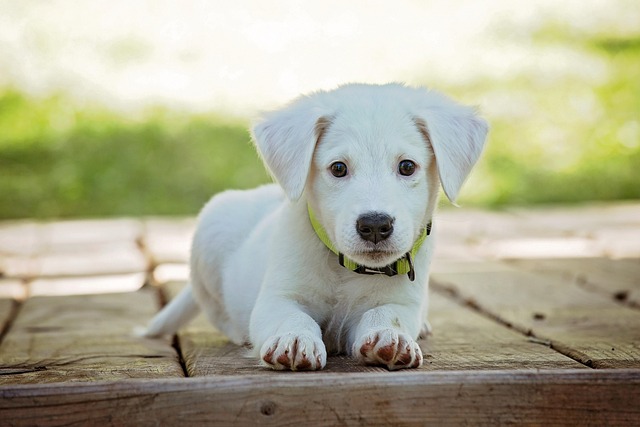 el perrodogEl perro de mi vecino ladra toda la noche.My neighbor's dog barks all night.
 el gatocatMi gato duerme encima del refrigerador.My cat sleeps on top of the refrigerator.
 el animalanimalEn el zoológico vimos un animal muy raro.At the zoo we saw a very strange animal.
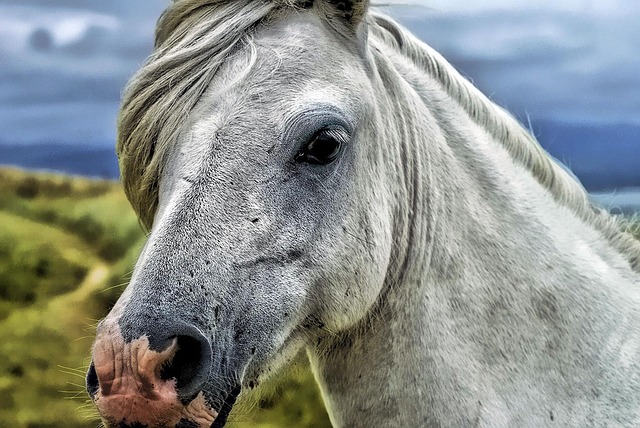 el caballohorseEse caballo corre rapidísimo en la pista.That horse runs really fast on the track.
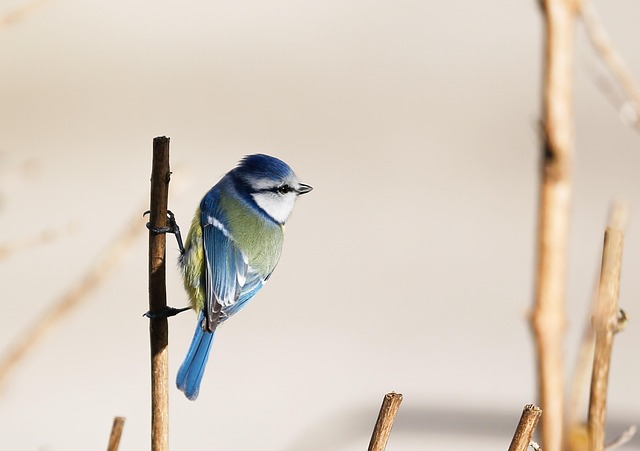 el pájarobirdUn pájaro cantaba en el árbol de afuera.A bird was singing in the tree outside.
 el pezfishEl pez dorado nada en la pecera de mi hermana.The goldfish swims in my sister's fish tank.
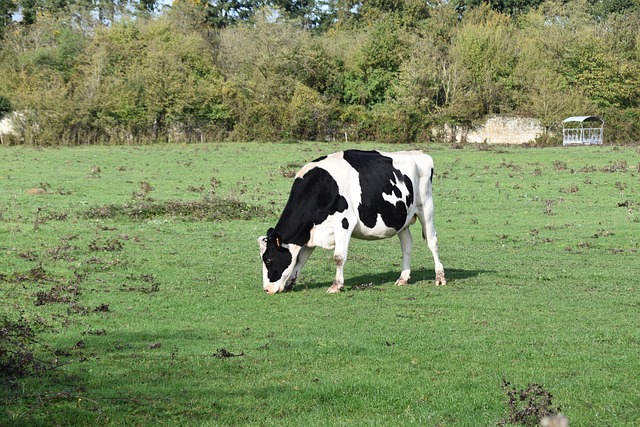 la vacacowLa vaca pastaba tranquila en el campo.The cow grazed peacefully in the field.
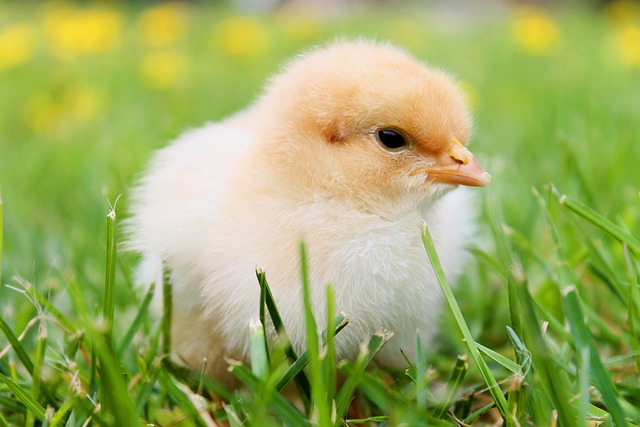 el pollochickenCompré pollo asado para la cena de hoy.I bought roasted chicken for today's dinner.
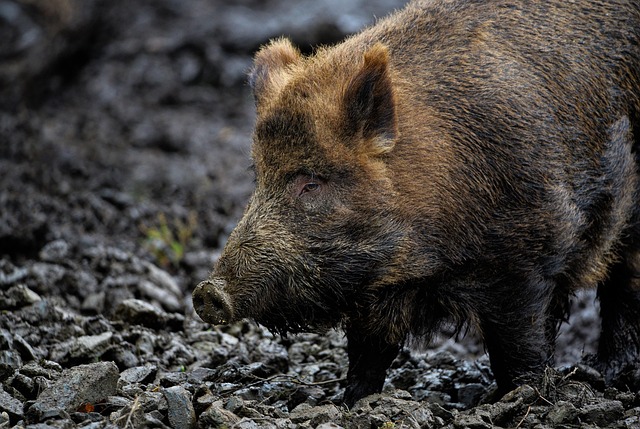 el cerdopigEl cerdo de la granja se revolcó en el lodo.The farm pig rolled in the mud.
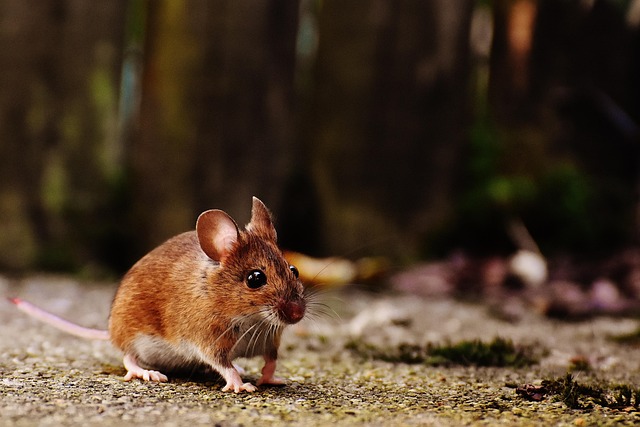 el ratónmouseUn ratón se metió a la cocina anoche.A mouse got into the kitchen last night.
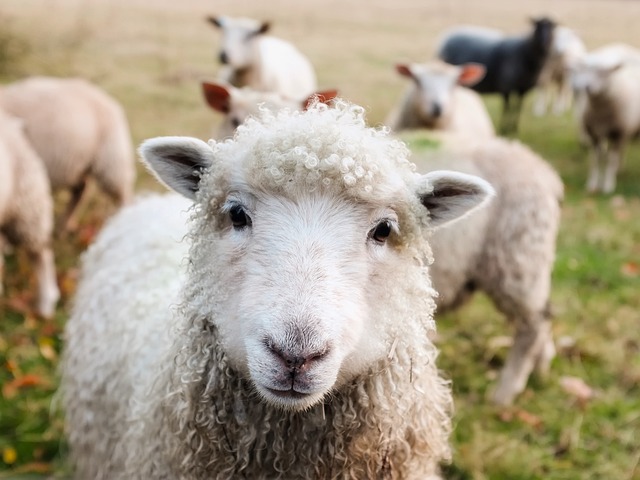 la ovejasheepLa oveja tiene la lana muy suave.The sheep has very soft wool.
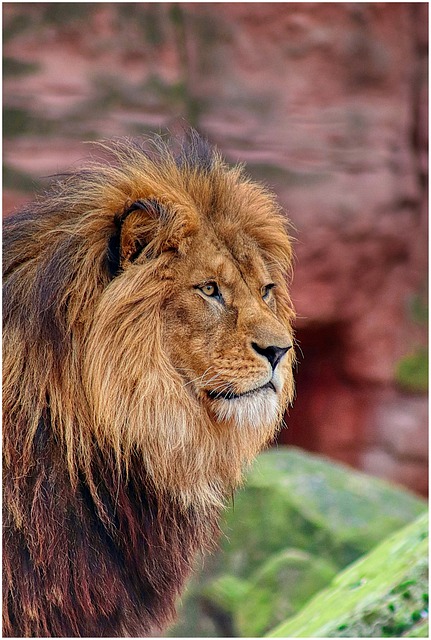 el leónlionEl león rugió fuerte en el safari.The lion roared loudly on the safari.
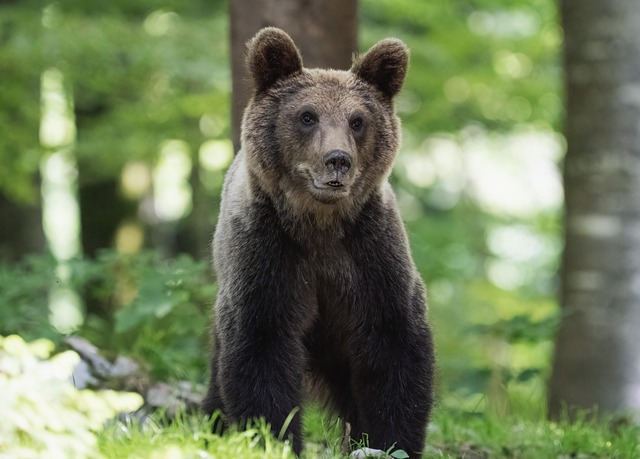 el osobearEl oso come miel directamente del panal.The bear eats honey straight from the hive.
 el conejorabbitMi conejo salta por toda la sala.My rabbit jumps all over the living room.
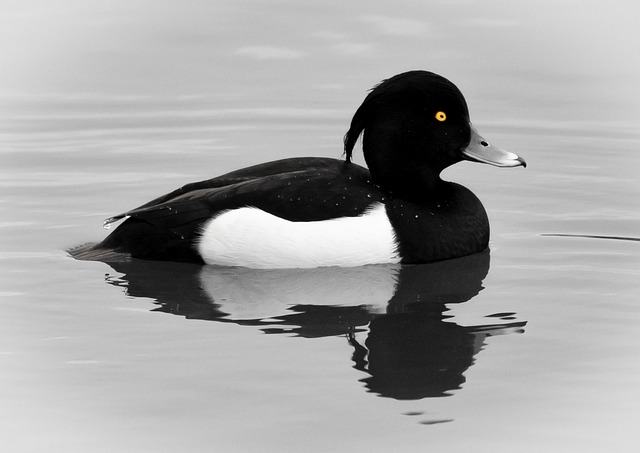 el patoduckEl pato cruzó el lago nadando sin prisa.The duck crossed the lake swimming slowly.
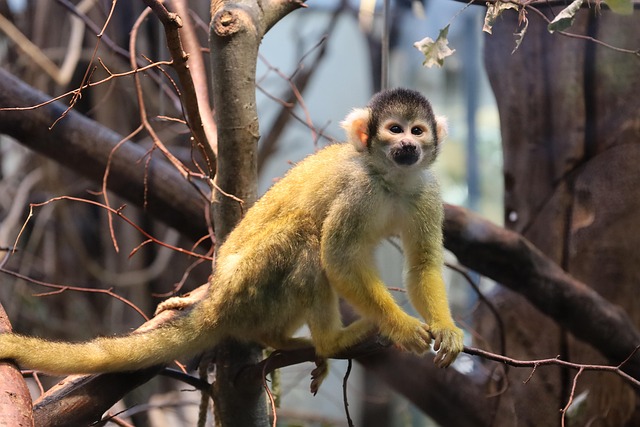 el monomonkeyEl mono se colgó de la rama con una mano.The monkey hung from the branch with one hand.
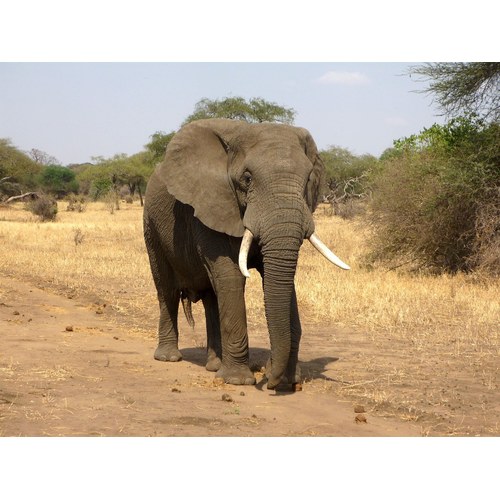 el elefanteelephantEl elefante levantó la trompa para saludar.The elephant raised its trunk to say hello.
- el tigretigerEl tigre se escondía entre la hierba alta.The tiger hid in the tall grass.
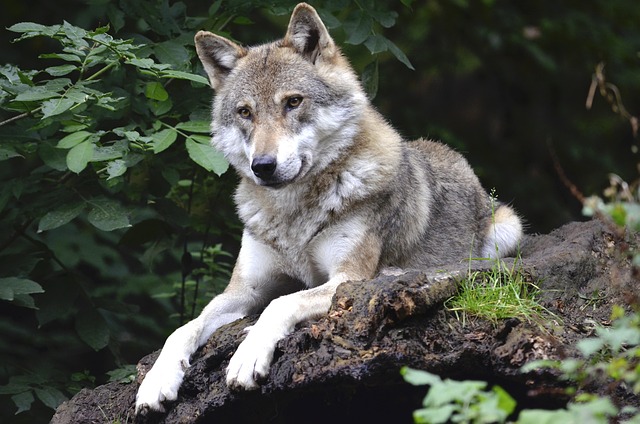 el lobowolfEl lobo aulló en la montaña durante la noche.The wolf howled in the mountains during the night.
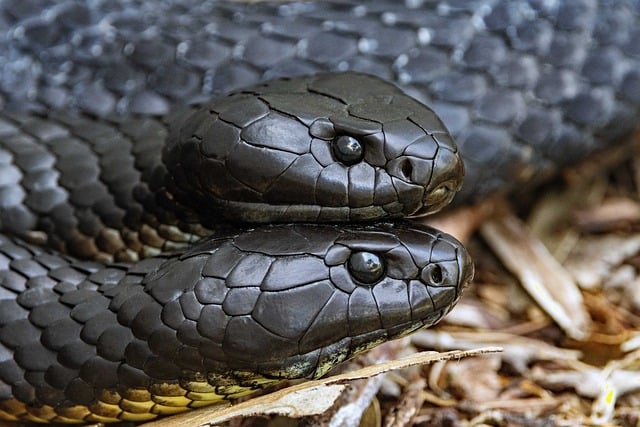 la serpientesnakeUna serpiente cruzó el sendero del bosque.A snake crossed the forest trail.
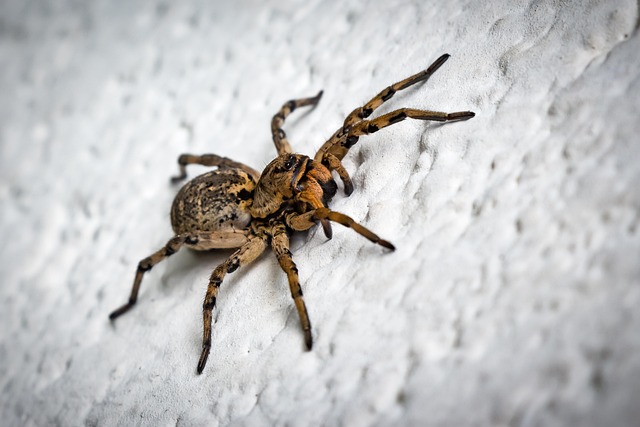 la arañaspiderLa araña tejió su telaraña en la esquina.The spider spun its web in the corner.
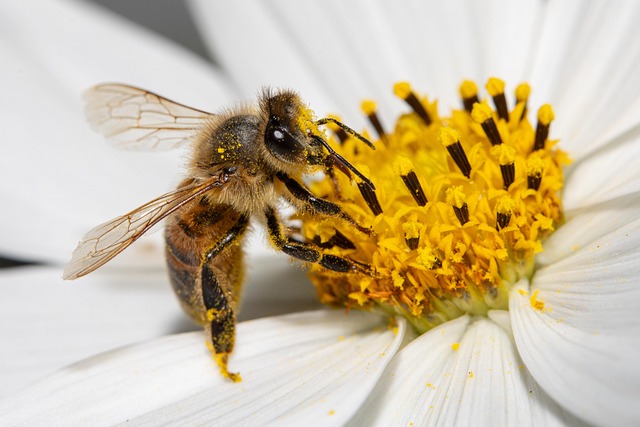 la abejabeeLa abeja voló de flor en flor buscando néctar.The bee flew from flower to flower looking for nectar.
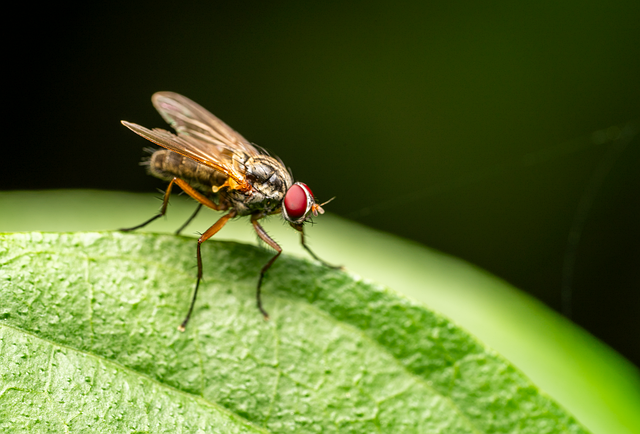 la moscaflyUna mosca zumbaba alrededor de mi comida.A fly was buzzing around my food.
 el insectoinsectEse insecto tiene seis patas y alas brillantes.That insect has six legs and shiny wings.
 la plumafeatherEncontré una pluma azul en el parque.I found a blue feather in the park.
Arts & Entertainment
- la músicamusicEsta música me recuerda a mi abuela.This music reminds me of my grandma.
- la películamovieVimos una película de terror anoche.We watched a horror movie last night.
 el librobookMi libro favorito es sobre un viaje.My favorite book is about a journey.
- el arteartEl arte callejero en el centro es increíble.The street art downtown is incredible.
- la canciónsongEsa canción la cantamos en la escuela.We sang that song at school.
- la historiastoryCuéntame una historia de cuando eras niño.Tell me a story from when you were a kid.
 la fotophotoSaca una foto del atardecer, porfa.Take a photo of the sunset, please.
 la fiestapartyLa fiesta de cumpleaños fue hasta tarde.The birthday party went on until late.
 el juegogameEste juego de mesa es muy divertido.This board game is really fun.
- el bailedanceMe encanta el baile de la salsa.I love salsa dancing.
- el actoractorEse actor actuó en una serie famosa.That actor starred in a famous series.
 el artistaartistLa artista pintó un mural en mi colonia.The artist painted a mural in my neighborhood.
 el cinecinemaVamos al cine el viernes, ¿va?Let's go to the movies on Friday, okay?
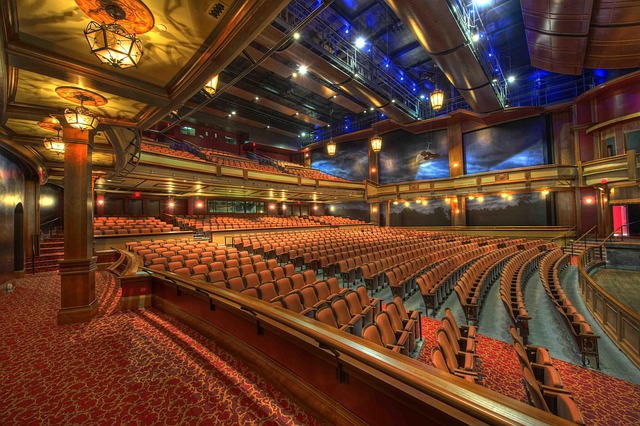 el teatrotheaterEl teatro está cerca de la estación.The theater is near the station.
- el conciertoconcertEl concierto de rock estuvo muy ruidoso.The rock concert was very loud.
- el cantantesingerLa cantante tiene una voz hermosa.The singer has a beautiful voice.
- el showshowEl show de comedia me hizo reír mucho.The comedy show made me laugh a lot.
 la noticianews itemEsa noticia salió en la mañana.That news item came out in the morning.
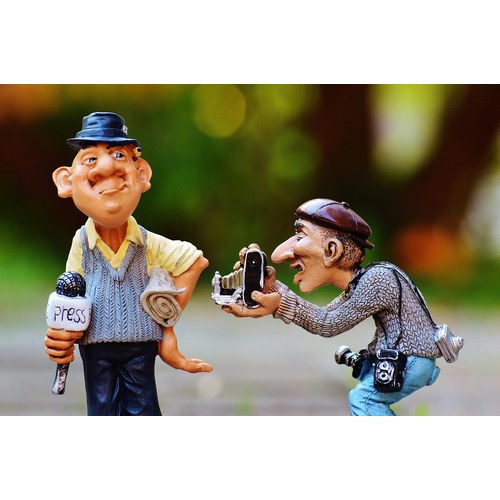 la revistamagazineLeí una revista de moda en el avión.I read a fashion magazine on the plane.
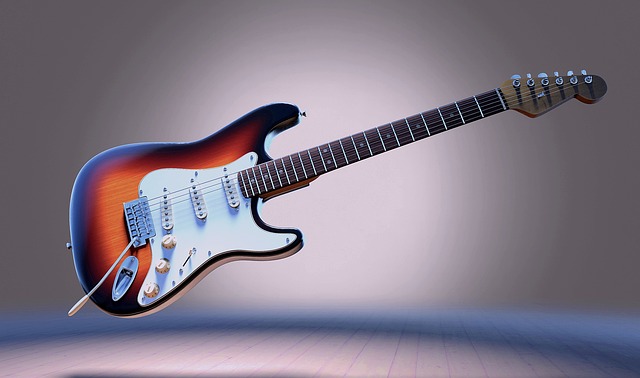 la guitarraguitarÉl toca la guitarra en el parque.He plays the guitar in the park.
- el papelroleSu papel en la película era de detective.His role in the movie was a detective.
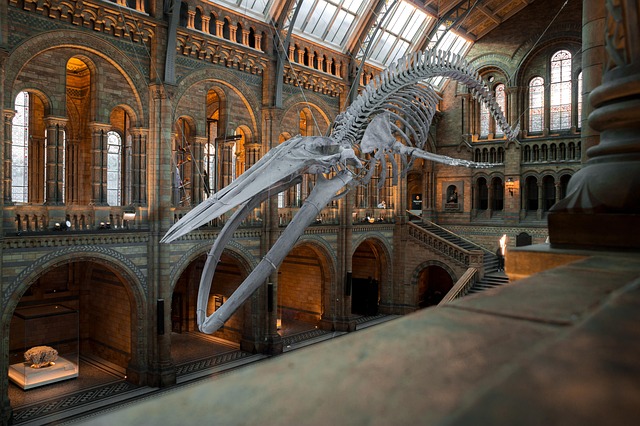 el museomuseumEl museo de antropología está enorme.The anthropology museum is huge.
Body & Health
- el cuerpobodyHaz ejercicio para mantener tu cuerpo sano.Exercise to keep your body healthy.
- la cabezaheadMe duele la cabeza desde ayer.My head has hurt since yesterday.
- la manohandLávate las manos antes de comer.Wash your hands before eating.
- el ojoeyeMe metí un pelo en el ojo y no puedo parpadear.I got a hair in my eye and I can't blink.
- la carafaceLávate la cara antes de dormir, por favor.Wash your face before sleeping, please.
 el piefootMe duele el pie de tanto caminar hoy.My foot hurts from walking so much today.
- la bocamouthAbre la boca para que el doctor te revise.Open your mouth so the doctor can check you.
- el brazoarmCargar las bolsas me dejó el brazo cansado.Carrying the bags left my arm tired.
- la piernalegSe lastimó la pierna jugando futbol ayer.He hurt his leg playing soccer yesterday.
- el corazónheartEl susto me hizo latir el corazón bien rápido.The scare made my heart beat really fast.
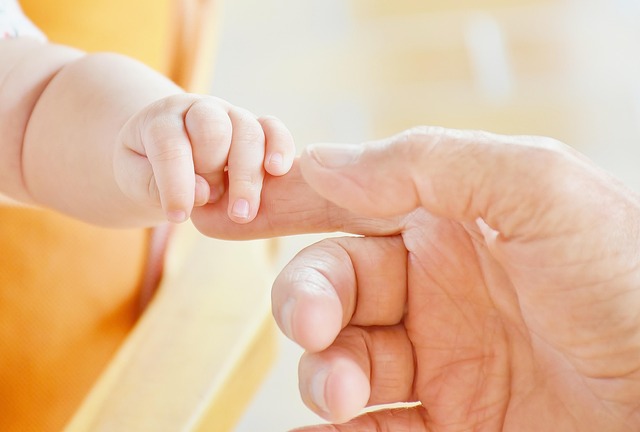 el dedofingerMe corté el dedo con el cuchillo de cocina.I cut my finger with the kitchen knife.
- el pelohairTu pelo se ve muy brillante con ese shampoo.Your hair looks really shiny with that shampoo.
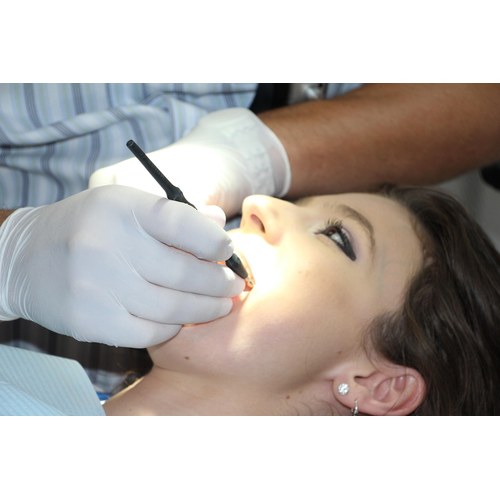 el dientetoothSe me cayó un diente y ahora tengo un hueco.I lost a tooth and now I have a gap.
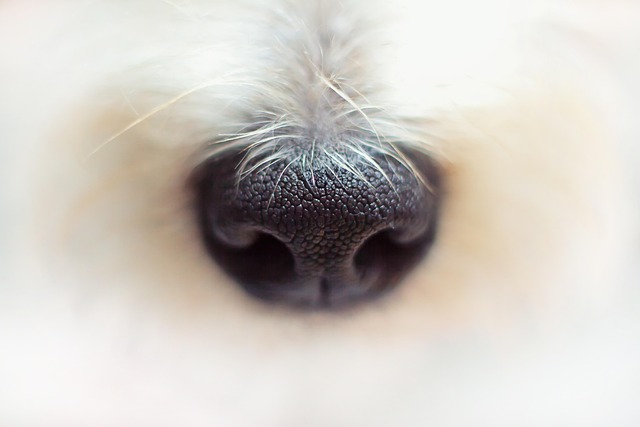 la nariznoseTápate la nariz con el codo si estornudas.Cover your nose with your elbow if you sneeze.
- la orejaearMi oreja izquierda se me puso roja del frío.My left ear turned red from the cold.
- el cuelloneckEl collar le aprieta el cuello, mejor se lo quita.The necklace is tight on her neck, better she takes it off.
 la espaldabackDame un masaje en la espalda, porfa.Give me a back massage, please.
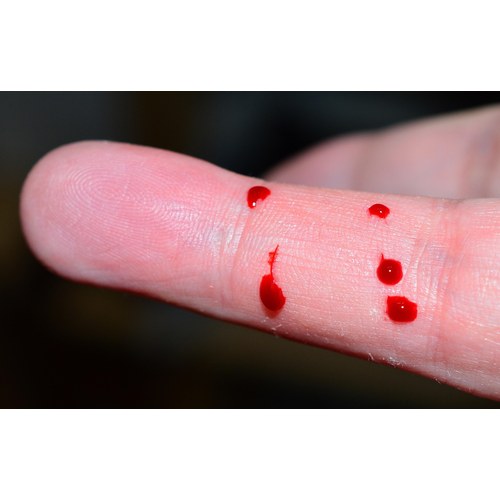 la sangrebloodLe sacaron sangre para los análisis de rutina.They drew blood from him for routine tests.
 la saludhealthTu salud es lo más importante, no trabajes tanto.Your health is the most important thing, don't work so much.
 el dolorpainEl dolor de cabeza no me deja concentrar.The headache won't let me concentrate.
 la pielskinSe le puso la piel seca por el invierno.Her skin got dry because of the winter.
 el huesoboneSe rompió un hueso del brazo en el accidente.He broke a bone in his arm in the accident.
- la lenguatongueMe mordí la lengua cuando comí muy rápido.I bit my tongue when I ate too fast.
 la enfermedadillnessEsa enfermedad se cura con reposo y líquidos.That illness is cured with rest and fluids.
 la fiebrefeverTiene fiebre desde anoche, hay que darle algo.He's had a fever since last night, we need to give him something.
 la gripefluMe dio gripe y no fui a trabajar hoy.I got the flu and didn't go to work today.
 la medicinamedicineToma esta medicina después de cada comida.Take this medicine after each meal.
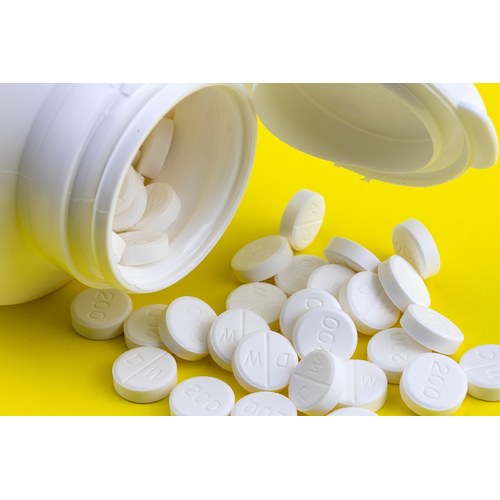 la recetaprescriptionNecesito la receta para comprar esos antibióticos.I need the prescription to buy those antibiotics.
City & Places
 la ciudadcityLa ciudad nunca duerme, siempre hay algo que hacer.The city never sleeps, there's always something to do.
- la callestreetDobla a la izquierda en la calle principal.Turn left on the main street.
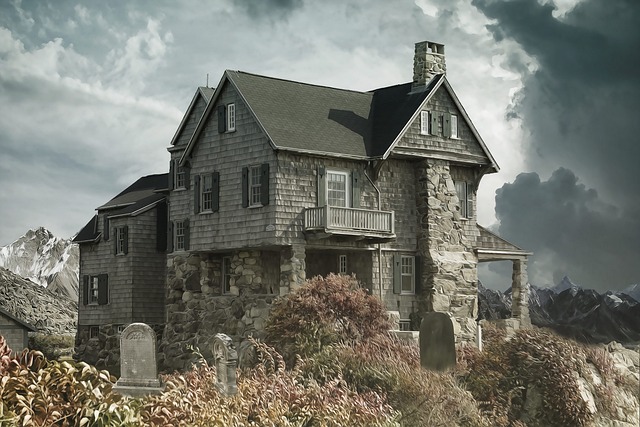 la casahouseMi casa está cerca del parque.My house is near the park.
- el edificiobuildingEse edificio tiene veinte pisos.That building has twenty floors.
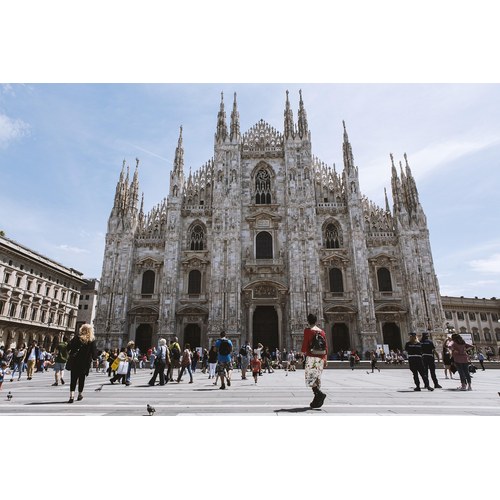 la plazasquare / plazaVamos a la plaza a comer helado.Let's go to the plaza to eat ice cream.
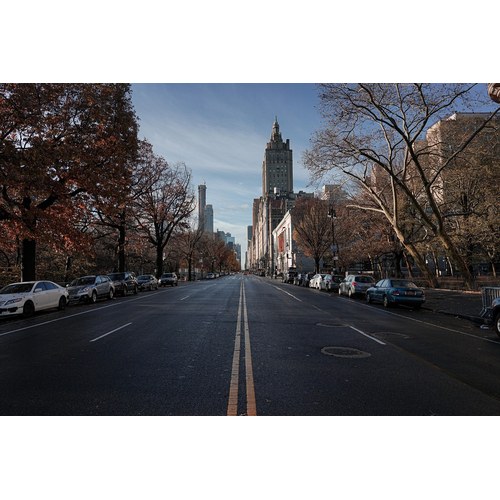 el parqueparkLos niños juegan en el parque todos los domingos.The kids play in the park every Sunday.
- la tiendastore / shopCompré pan en la tienda de la esquina.I bought bread at the corner store.
- el mercadomarketEl mercado está lleno de frutas frescas.The market is full of fresh fruit.
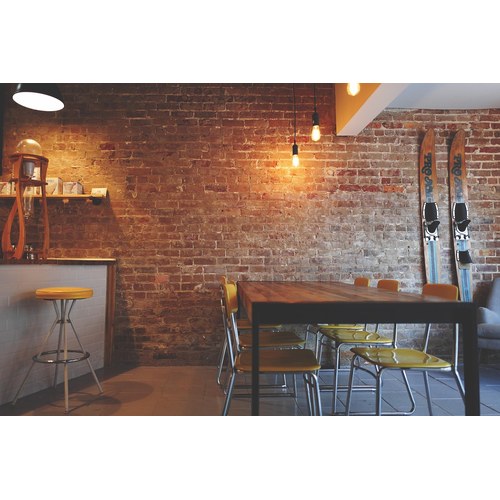 el restauranterestaurantEste restaurante sirve los mejores tacos.This restaurant serves the best tacos.
- el centrodowntown / centerEl centro está muy transitado a esta hora.Downtown is very busy at this hour.
- el barrioneighborhoodMi barrio es tranquilo y seguro.My neighborhood is quiet and safe.
 la esquinacornerNos vemos en la esquina de tu casa.See you at the corner of your house.
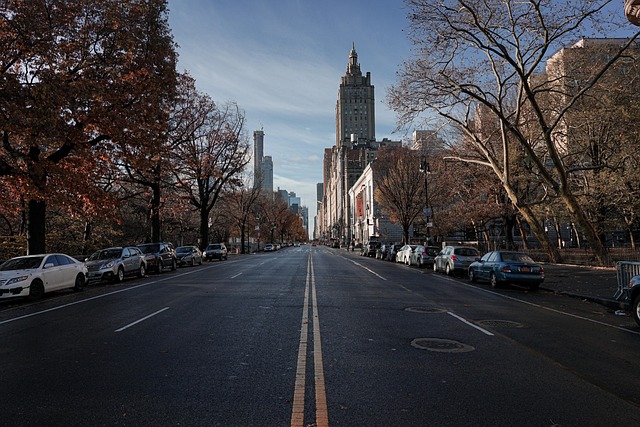 la avenidaavenueLa avenida principal está cerrada por obras.The main avenue is closed for construction.
 el puentebridgeEl puente cruza el río y llega al centro.The bridge crosses the river and reaches downtown.
 la iglesiachurchLa iglesia de mi pueblo es muy antigua.The church in my town is very old.
- la escuelaschoolMi hija va a la escuela cerca de aquí.My daughter goes to school near here.
 el hotelhotelEl hotel tiene una vista increíble al mar.The hotel has an incredible view of the sea.
 el cafécafé / coffee shopTomamos un café en la terraza del café.We had a coffee on the café's terrace.
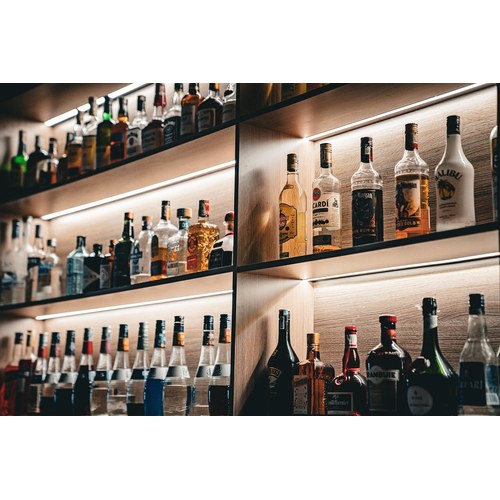 el barbarEl bar de la esquina tiene música en vivo.The corner bar has live music.
- la estaciónstationLa estación de metro está a dos cuadras.The metro station is two blocks away.
 el aeropuertoairportLlegamos al aeropuerto con tiempo de sobra.We arrived at the airport with plenty of time.
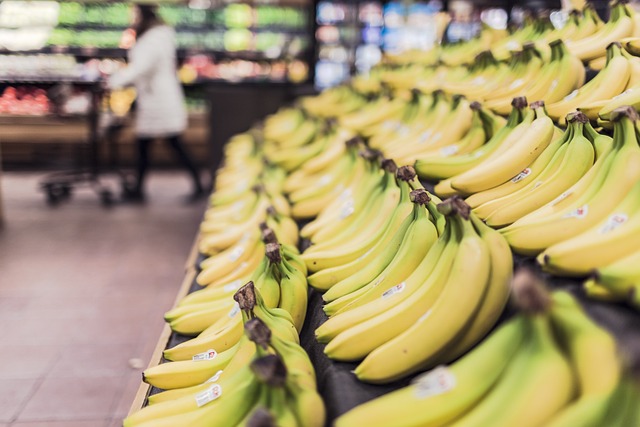 el supermercadosupermarketEl supermercado cierra a las diez.The supermarket closes at ten.
- el centro comercialshopping mallEl centro comercial está lleno de tiendas de ropa.The mall is full of clothing stores.
 la bibliotecalibraryEstudio en la biblioteca los fines de semana.I study at the library on weekends.
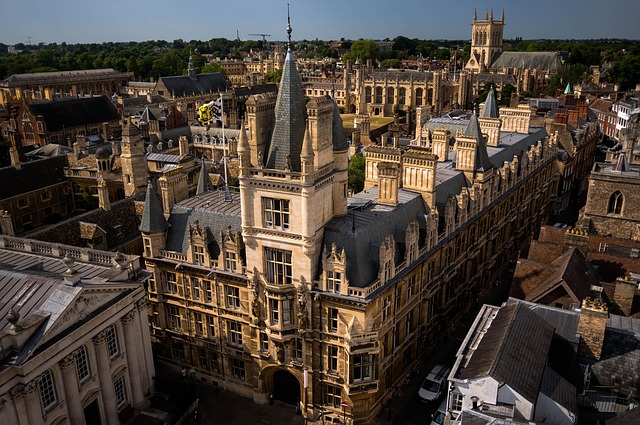 la universidaduniversityLa universidad ofrece cursos de idiomas.The university offers language courses.
 la oficinaofficeVoy a la oficina a las nueve todos los días.I go to the office at nine every day.
 la carreterahighway / roadLa carretera está cerrada por un accidente.The highway is closed due to an accident.
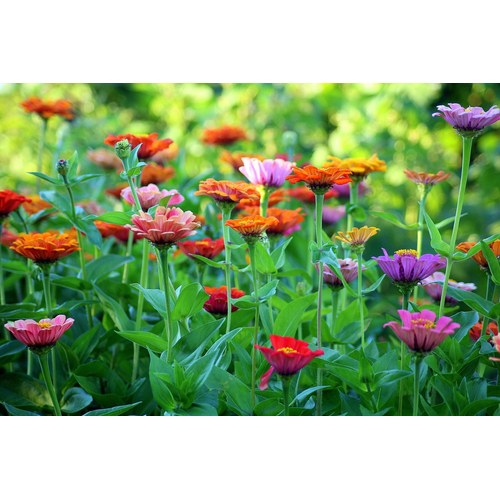 el jardíngardenMi mamá planta flores en el jardín cada primavera.My mom plants flowers in the garden every spring.
- la manzanablock (of buildings)Vivo a dos manzanas de la estación del metro.I live two blocks from the metro station.
 el lugarplaceEste lugar es perfecto para celebrar tu cumpleaños.This place is perfect to celebrate your birthday.
Clothing & Accessories
- la ropaclothes / clothingNecesito lavar la ropa hoy, no tengo nada limpio.I need to wash clothes today, I have nothing clean.
- la camisashirtEsa camisa azul te queda muy bien.That blue shirt looks great on you.
- el pantalónpants / trousersSe me rompió el pantalón en la rodilla.My pants tore at the knee.
 el zapatoshoeEstos zapatos me aprietan mucho, mejor me compro otros.These shoes are too tight, I better buy another pair.
- el vestidodressCompré un vestido negro para la boda de mi prima.I bought a black dress for my cousin's wedding.
- la faldaskirtEsa falda roja combina con tu blusa.That red skirt matches your blouse.
- la chaquetajacketLleva chaqueta porque hace frío afuera.Bring a jacket because it's cold outside.
 el abrigocoatMi abrigo es de invierno, no lo uso en primavera.My coat is for winter, I don't wear it in spring.
- el suétersweaterEse suéter de lana lo tejió mi abuela.That wool sweater was knitted by my grandma.
- la camisetat-shirtMe gusta usar camiseta cuando voy al gimnasio.I like to wear a t-shirt when I go to the gym.
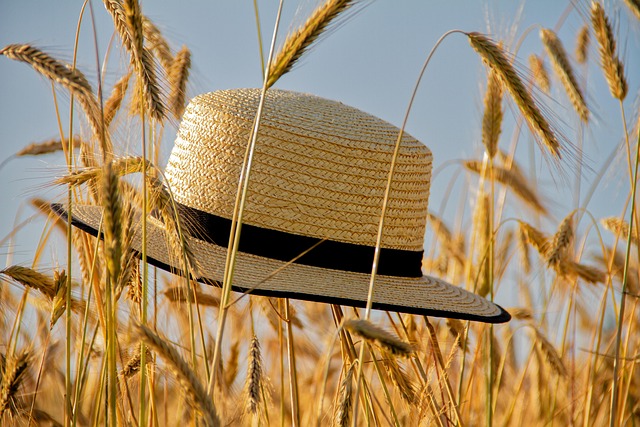 el sombrerohatEl sombrero te protege del sol en la playa.The hat protects you from the sun at the beach.
- los calcetinessocksMis calcetines están agujereados, tengo que comprar otros.My socks have holes, I need to buy new ones.
 los guantesglovesPonte los guantes antes de tocar la nieve.Put on your gloves before touching the snow.
- la bufandascarfNecesito una bufanda para el frío de esta noche.I need a scarf for the cold tonight.
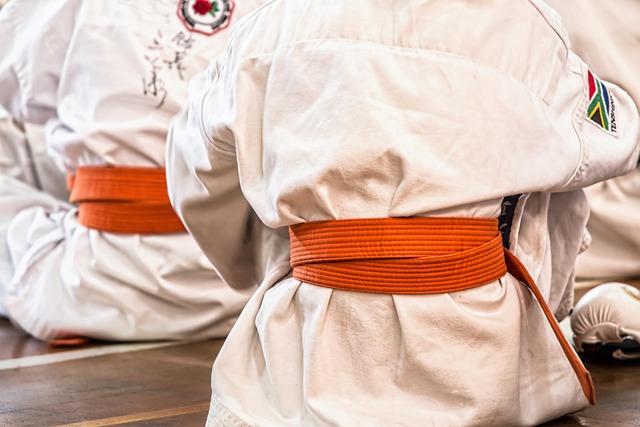 el cinturónbeltSe me olvidó el cinturón y se me caen los pantalones.I forgot my belt and my pants are falling down.
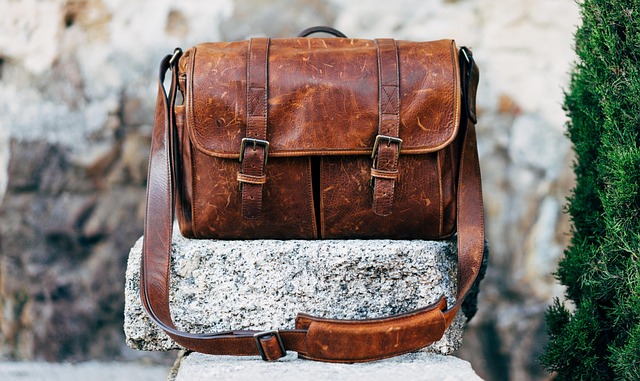 la bolsabagEsa bolsa es muy pesada, déjame ayudarte.That bag is very heavy, let me help you.
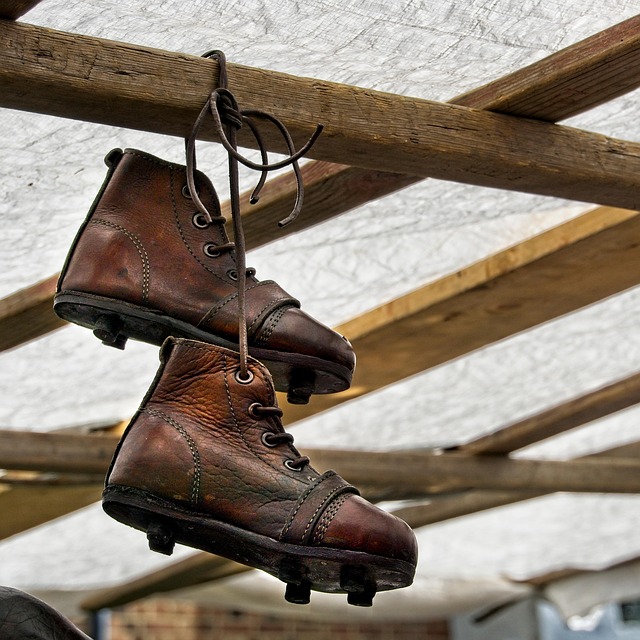 la botabootEstas botas son perfectas para caminar en el barro.These boots are perfect for walking in the mud.
- la blusablouseEsa blusa de seda es muy elegante para la cena.That silk blouse is very elegant for dinner.
 la ropa interiorunderwearPrefiero la ropa interior de algodón porque es cómoda.I prefer cotton underwear because it's comfortable.
- el trajesuitVa a usar traje para la entrevista de trabajo.He's going to wear a suit for the job interview.
 el relojwatchMi reloj se atrasa cinco minutos cada semana.My watch loses five minutes every week.
- la mochilabackpackGuardo mis libros en la mochila para la clase.I keep my books in the backpack for class.
- los tenissneakersMis tenis están sucios después del partido.My sneakers are dirty after the game.
 la telafabric / clothNecesito tela azul para hacer la cortina.I need blue fabric to make the curtain.
Communication & Language
 la palabrawordEsa palabra no la uso en mi trabajo.I don't use that word at my job.
 el nombrename¿Cómo se escribe tu nombre completo?How do you spell your full name?
 la vozvoiceTu voz se escucha muy fuerte por el teléfono.Your voice sounds very loud on the phone.
 la preguntaquestionTengo una pregunta sobre la tarea de mañana.I have a question about tomorrow's homework.
- la respuestaanswerNo encontré la respuesta en el libro.I didn't find the answer in the book.
 el idiomalanguageEl español es un idioma que se habla en muchos países.Spanish is a language spoken in many countries.
- la cartaletterLe escribí una carta a mi abuela ayer.I wrote a letter to my grandma yesterday.
 el númeronumberAnota tu número de teléfono en este papel.Write your phone number on this paper.
 la frasephrase/sentenceEsa frase me la dijo mi mamá siempre.That phrase my mom always told me.
- el mensajemessageTe mandé un mensaje pero no me contestaste.I sent you a message but you didn't reply.
 la llamadacallHice una llamada al doctor para la cita.I made a call to the doctor for the appointment.
 la conversaciónconversationNuestra conversación terminó en la calle.Our conversation ended on the street.
 la informacióninformationNecesito más información sobre el vuelo.I need more information about the flight.
 la letraletter/lyricsLa letra de esa canción es muy triste.The lyrics of that song are very sad.
 el sonidosoundEl sonido de la lluvia me relaja mucho.The sound of rain relaxes me a lot.
- el correomail/emailRevisé mi correo y no había nada nuevo.I checked my email and there was nothing new.
Cooking & Restaurants
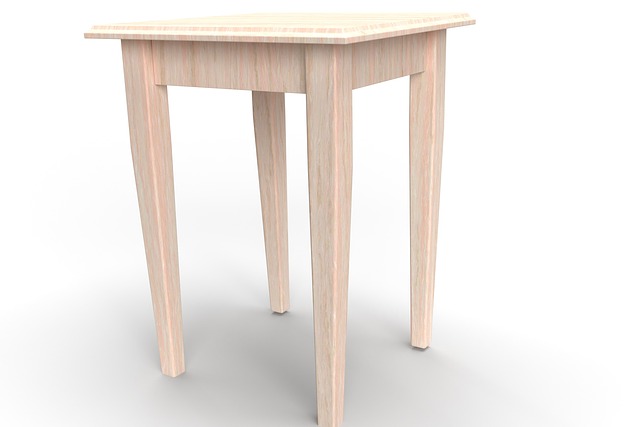 la mesatablePon los platos sobre la mesa, por favor.Put the plates on the table, please.
- el platoplate / dishEste plato de pasta está delicioso.This pasta dish is delicious.
- el vasoglassMe sirvieron un vaso de agua con hielo.They served me a glass of water with ice.
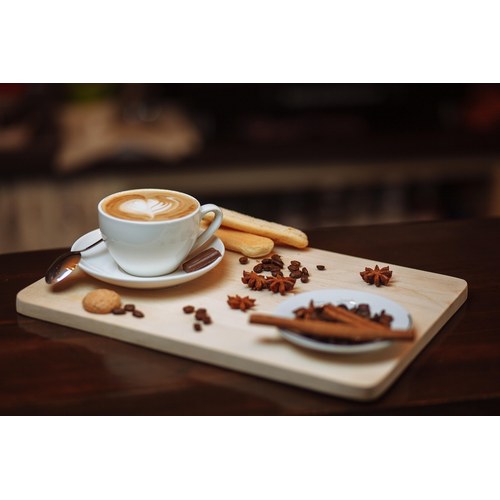 la tazacupTomé una taza de café caliente esta mañana.I had a cup of hot coffee this morning.
- la cucharaspoonUsa la cuchara para revolver el café.Use the spoon to stir the coffee.
- el tenedorforkEl tenedor se cayó al piso y lo lavé.The fork fell on the floor and I washed it.
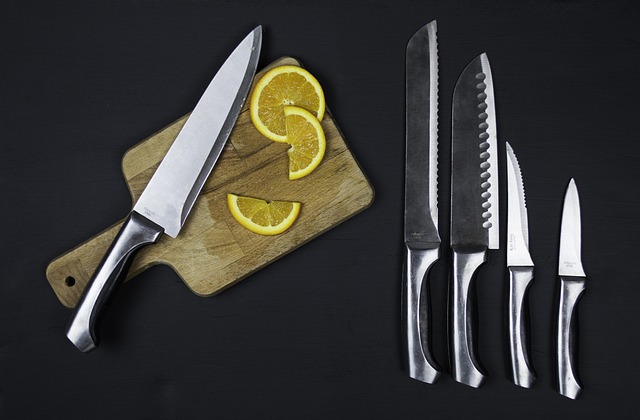 el cuchilloknifePásame el cuchillo para cortar el pan.Pass me the knife to cut the bread.
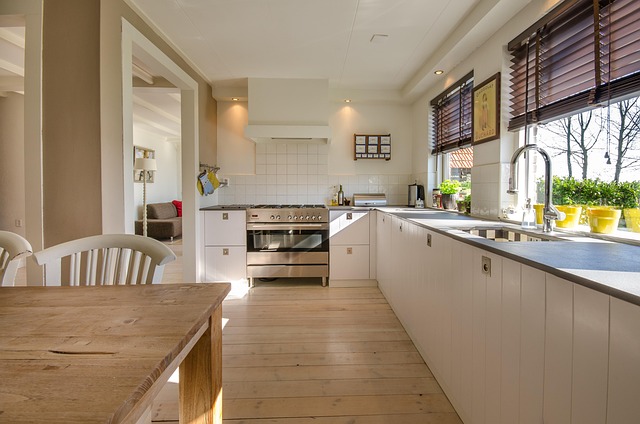 la cocinakitchenMi mamá está en la cocina preparando la cena.My mom is in the kitchen making dinner.
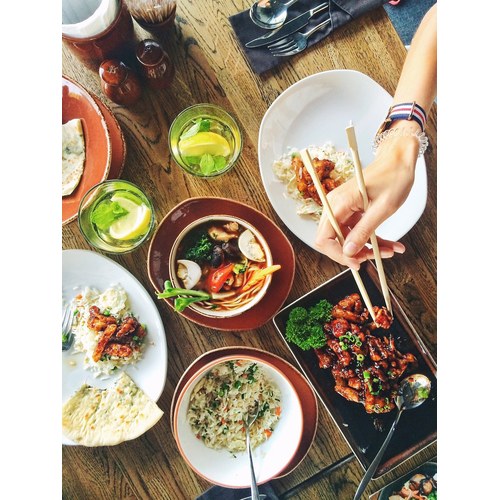 el menúmenuEl menú de hoy tiene sopa de frijoles.Today's menu has bean soup.
 el meserowaiterEl mesero nos trajo las bebidas muy rápido.The waiter brought our drinks very fast.
 la meserawaitressLa mesera nos recomendó el platillo de mariscos.The waitress recommended the seafood dish.
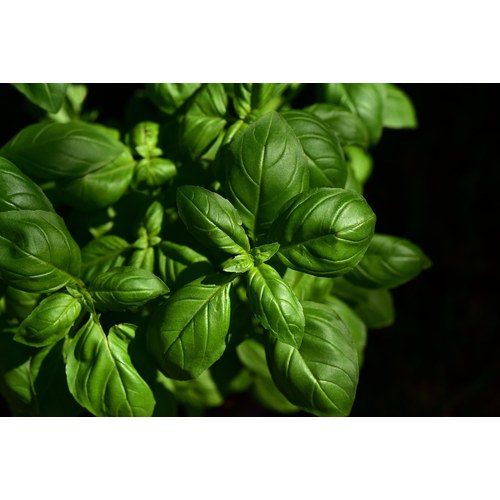 el ingredienteingredientEl ingrediente principal de esta salsa es el chile.The main ingredient of this sauce is chili.
 la botellabottleCompré una botella de agua para el viaje.I bought a bottle of water for the trip.
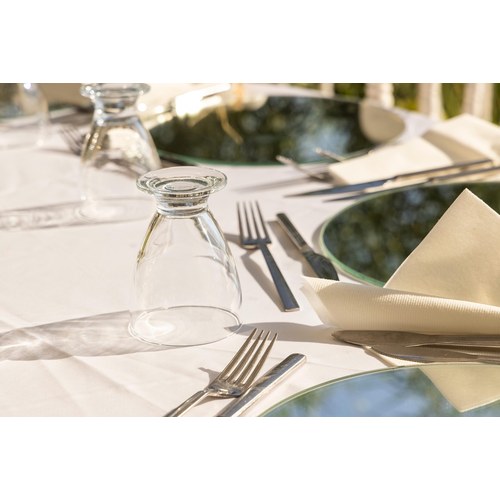 la servilletanapkinLimpia tus manos con una servilleta, por favor.Clean your hands with a napkin, please.
- la ollapotLa olla está hirviendo, baja el fuego.The pot is boiling, lower the heat.
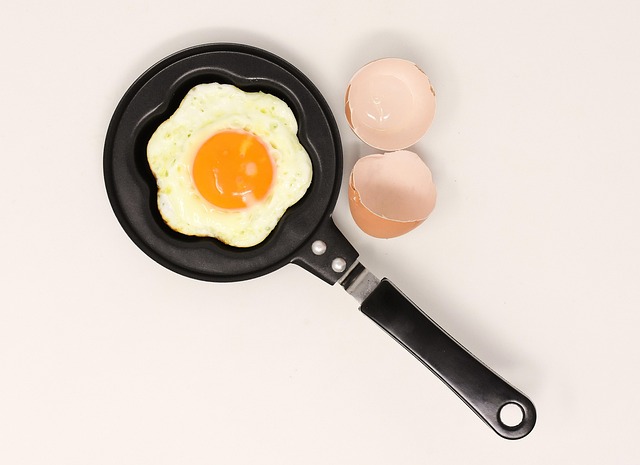 el sarténfrying panCalienta la tortilla en el sartén sin aceite.Heat the tortilla in the frying pan without oil.
- el hornoovenEl pan se hornea en el horno por veinte minutos.The bread bakes in the oven for twenty minutes.
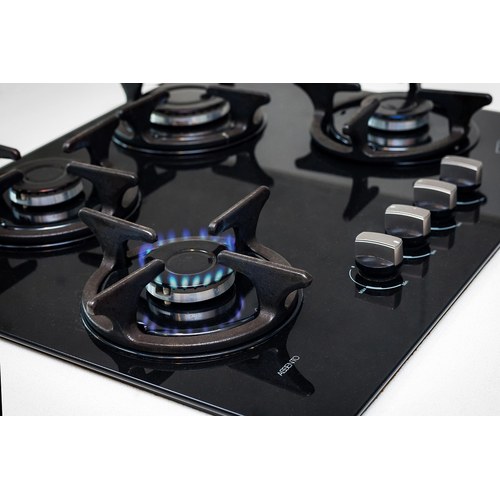 la estufastoveDejé la tetera en la estufa encendida.I left the kettle on the stove turned on.
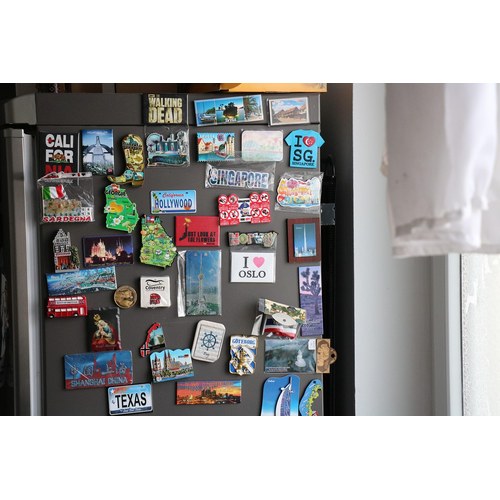 el refrigeradorrefrigeratorGuardo las verduras en el refrigerador para que duren.I keep vegetables in the refrigerator so they last.
- el clientecustomerEl cliente pidió la cuenta al final.The customer asked for the bill at the end.
 el fuegoheat / flameApaga el fuego antes de salir de la cocina.Turn off the flame before leaving the kitchen.
 el comedordining roomEl comedor está al lado de la sala.The dining room is next to the living room.
 el horarioopening hours / scheduleEl horario del banco es de nueve a cinco.The bank's hours are from nine to five.
Emotions & Traits
 el amorloveSiento mucho amor por mi familia.I feel a lot of love for my family.
 el miedofearLe tengo miedo a los perros grandes.I'm afraid of big dogs.
 la alegríajoySu alegría contagiaba a todos en la fiesta.Her joy infected everyone at the party.
 la felicidadhappinessLa felicidad de los niños es lo más importante.Children's happiness is the most important thing.
 la tristezasadnessLa tristeza se le notaba en los ojos.The sadness showed in his eyes.
 la iraangerSu ira explotó cuando rompieron su teléfono.His anger exploded when they broke his phone.
 el sentimientofeelingNo sé cómo expresar este sentimiento que tengo.I don't know how to express this feeling I have.
 la emociónemotionLa emoción de ganar el premio fue enorme.The emotion of winning the prize was huge.
 la sorpresasurpriseLa sorpresa de su llegada nos alegró.The surprise of his arrival made us happy.
 la pasiónpassionSu pasión por la cocina es contagiosa.His passion for cooking is contagious.
 el odiohatredEl odio entre ellos se nota en la mirada.The hatred between them shows in their eyes.
 la vergüenzashameSiento vergüenza por lo que dije ayer.I feel shame for what I said yesterday.
 el orgulloprideEl orgullo de mi papá por mi título es enorme.My dad's pride in my degree is huge.
 la culpaguiltLa culpa la cargamos todos por igual.We all carry the guilt equally.
 la calmacalmRespira hondo y busca la calma antes de hablar.Breathe deeply and find calm before speaking.
- el cariñoaffectionLe tengo mucho cariño a mi abuela.I have a lot of affection for my grandmother.
 la pacienciapatienceLa paciencia se agota con tanto tráfico.Patience runs out with so much traffic.
 la bondadkindnessSu bondad con los animales es admirable.Her kindness to animals is admirable.
 la confianzatrustLa confianza se gana con el tiempo.Trust is earned over time.
 la fuerzastrengthElla tiene la fuerza para seguir adelante.She has the strength to move forward.
- el caráctercharacterEse niño tiene un carácter muy fuerte, no le gusta que le digan qué hacer.That kid has a very strong character, he doesn't like being told what to do.
 la personalidadpersonalitySu personalidad cambia cuando está con sus amigos, se vuelve más extrovertido.His personality changes when he's with his friends, he becomes more outgoing.
 la actitudattitudeCon esa actitud negativa no vas a conseguir nada en la vida.With that negative attitude you won't get anywhere in life.
Time & Calendar
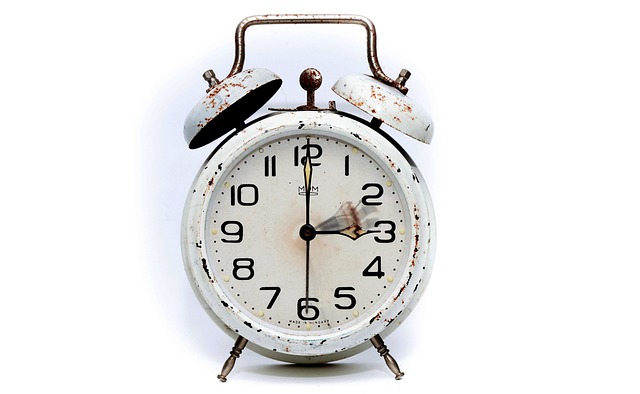 la veztime / occasionEsta vez sí voy a llegar temprano a la cita.This time I'll actually arrive early to the appointment.
- el finendEl fin de la película me sorprendió muchísimo.The end of the movie surprised me a lot.
 el principiobeginningAl principio no entendía la clase, pero luego todo cambió.At the beginning I didn't understand the class, but then everything changed.
 el díadayHoy fue un día muy largo en el trabajo.Today was a very long day at work.
 el añoyearEl año pasado viajamos a Colombia dos veces.Last year we traveled to Colombia twice.
 la horahour / timeLa cita es a la hora que acordamos, no llegues tarde.The appointment is at the time we agreed, don't be late.
 el mesmonthEste mes tengo que pagar la renta y el seguro.This month I have to pay rent and insurance.
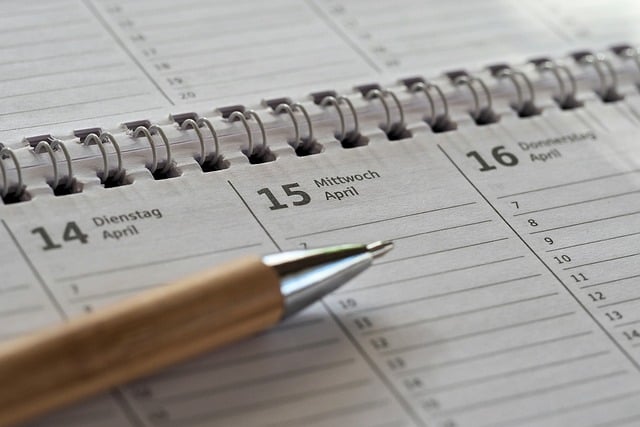 la semanaweekLa semana que viene empiezo el curso de inglés.Next week I start the English course.
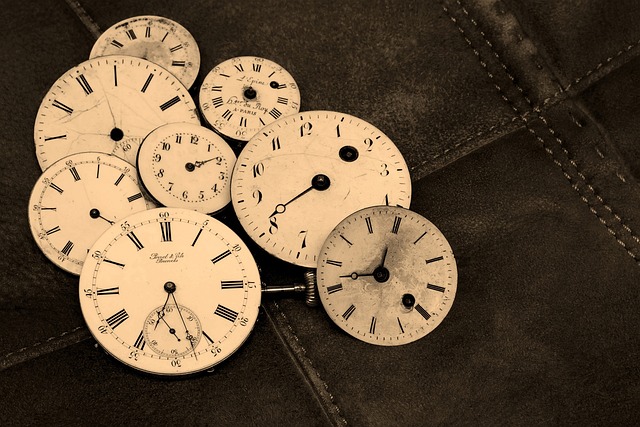 el minutominuteEspérame un minuto, voy a buscar mis llaves.Wait for me a minute, I'm going to look for my keys.
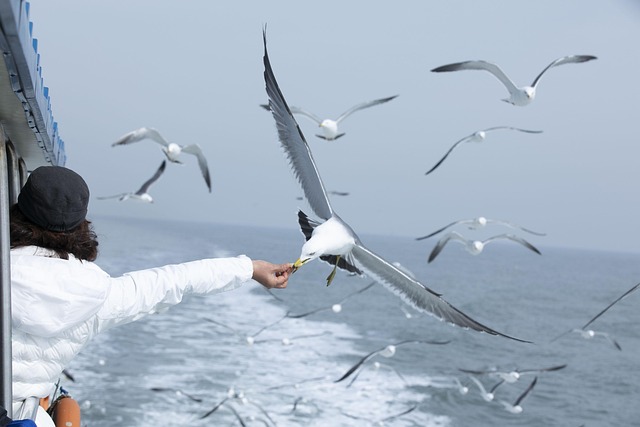 el momentomomentEspera un momento, ya vuelvo.Wait a moment, I'll be right back.
 la nochenightEsta noche vamos a cenar con mis padres.Tonight we're going to have dinner with my parents.
 la mañanamorningMañana en la mañana salgo a correr al parque.Tomorrow morning I go for a run in the park.
 la tardeafternoonNos vemos en la tarde para tomar un café.See you in the afternoon for a coffee.
 el segundosecondEspera un segundo, estoy en una llamada.Wait a second, I'm on a call.
 el siglocenturyEse edificio tiene más de un siglo de historia.That building has more than a century of history.
 la fechadate¿Cuál es la fecha de tu cumpleaños?What's the date of your birthday?
- el calendariocalendarMarqué la reunión en el calendario para no olvidarla.I marked the meeting on the calendar so I don't forget it.
- el veranosummerEn verano vamos a la playa todos los fines de semana.In summer we go to the beach every weekend.
- el inviernowinterEl invierno aquí es frío pero no nieva.Winter here is cold but it doesn't snow.
- la primaveraspringMe encanta cuando llega la primavera y florecen los árboles.I love when spring comes and the trees bloom.
- el otoñoautumnEn otoño las hojas caen y hace un clima rico.In autumn the leaves fall and the weather is nice.
 el lunesMondayEl lunes tengo cita con el dentista.On Monday I have a dentist appointment.
 el martesTuesdayLos martes voy al gimnasio después de trabajar.On Tuesdays I go to the gym after work.
 el miércolesWednesdayEl miércoles tengo junta con el equipo de diseño.On Wednesday I have a meeting with the design team.
- el juevesThursday¿Vas al cine el jueves con nosotros?Are you going to the movies on Thursday with us?
 el viernesFridayEl viernes salimos temprano del trabajo.On Friday we leave work early.
 el sábadoSaturdayEl sábado voy a correr al parque.On Saturday I'm going to run at the park.
 el domingoSundayEl domingo descanso todo el día.On Sunday I rest all day.
School & Education
 la claseclass / kindEsa clase de problemas se resuelven hablando claro.That kind of problem gets solved by talking clearly.
 el alumnopupil / studentEl alumno nuevo llegó tarde a clase.The new student arrived late to class.
 el lápizpencilPásame un lápiz para anotar la dirección.Pass me a pencil to write down the address.
 el cuadernonotebookEscribí la tarea en mi cuaderno azul.I wrote the homework in my blue notebook.
- el examenexam / testMañana tengo examen de historia y estoy nervioso.Tomorrow I have a history exam and I'm nervous.
 la tareahomeworkLa tarea de español es para el lunes.The Spanish homework is due Monday.
 la materiasubject¿Cuál es tu materia favorita en la escuela?What's your favorite subject in school?
- la lecciónlessonLa lección de hoy fue sobre los verbos.Today's lesson was about verbs.
 la educacióneducationLa educación de los niños empieza en casa.Children's education starts at home.
 el mapamapNecesito un mapa para llegar al centro.I need a map to get downtown.
 la carreradegree programEstudió la carrera de medicina en la universidad.She studied the medicine degree program at university.
Quantities & Materials
 el restorest / remainderGuarda el resto de la pizza en el refri.Put the rest of the pizza in the fridge.
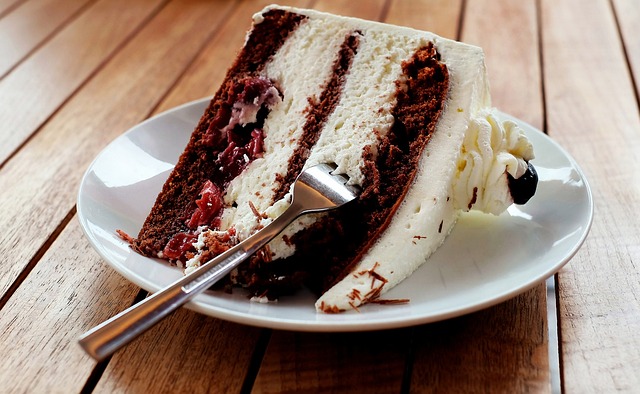 el pedazopiece / chunkCórtame un pedazo de pastel, pero chico.Cut me a piece of cake, but a small one.
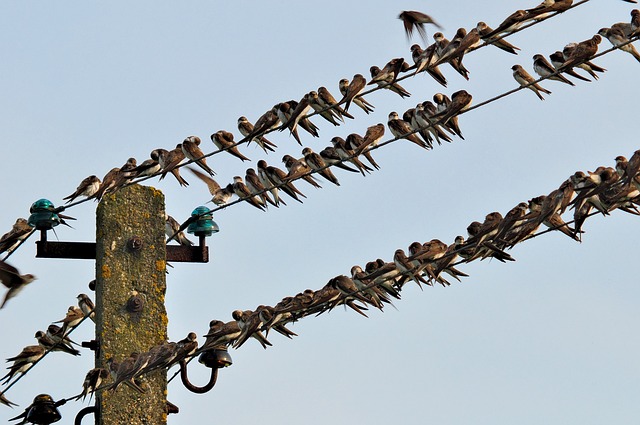 la cantidadquantityLa cantidad de gente en el concierto era impresionante.The quantity of people at the concert was impressive.
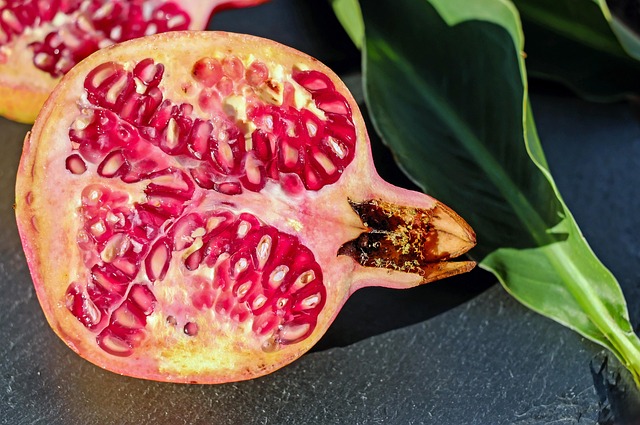 la mitadhalfSolo comí la mitad de la pizza porque ya estaba lleno.I only ate half of the pizza because I was already full.
 el parpairCompré un par de zapatos nuevos.I bought a pair of new shoes.
 el totaltotalEl total de la cuenta es doscientos pesos.The total of the bill is two hundred pesos.
- la medidameasureTomamos medidas para evitar accidentes.We took measures to prevent accidents.
 el pesoweightEl peso de la caja es de diez kilos.The weight of the box is ten kilos.
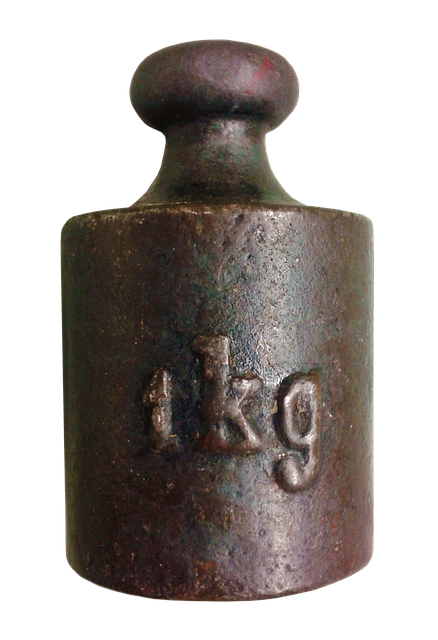 el kilokilogramNecesito un kilo de arroz.I need a kilo of rice.
 el gramogramLa receta lleva cien gramos de mantequilla.The recipe calls for one hundred grams of butter.
 el litroliterCompré un litro de leche para el café.I bought a liter of milk for the coffee.
- el metrometerLa pieza mide un metro de largo.The piece measures one meter in length.
 el kilómetrokilometerCorrí tres kilómetros esta mañana.I ran three kilometers this morning.
 el tamañosizeEl tamaño de la camisa es mediano.The size of the shirt is medium.
 la alturaheightLa altura del edificio es impresionante.The height of the building is impressive.
- la distanciadistanceLa distancia entre las casas es corta.The distance between the houses is short.
 la latacanAbre la lata de atún para la ensalada.Open the tuna can for the salad.
- el círculocircleDibuja un círculo alrededor del error.Draw a circle around the error.
- el cuadradosquareEl cuadro es un cuadrado perfecto.The picture frame is a perfect square.
- el triángulotriangleEl techo de la casa forma un triángulo.The roof of the house forms a triangle.
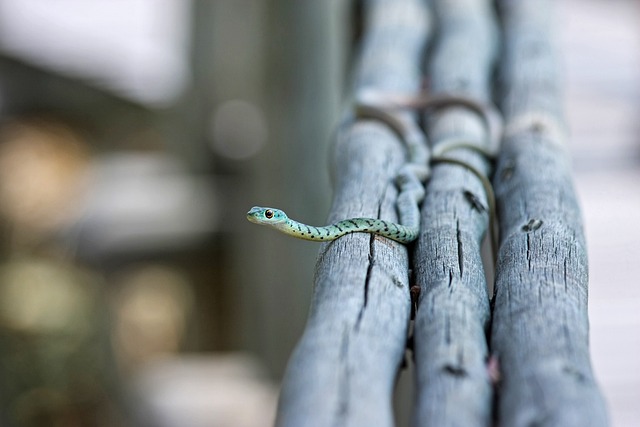 la línealineSigue la línea recta hasta el final.Follow the straight line to the end.
- el materialmaterialEste material es muy resistente al agua.This material is very water-resistant.
 la maderawoodLa mesa de la cocina es de madera.The kitchen table is made of wood.
 el metalmetalEl puente está hecho de metal reciclado.The bridge is made of recycled metal.
- el hierroironLa plancha es de hierro y pesa mucho.The iron is heavy because it's made of iron.
- el orogoldCompró un anillo de oro para su mamá.She bought a gold ring for her mom.
- la platasilverLos aretes de plata le quedan muy bien.The silver earrings look great on her.
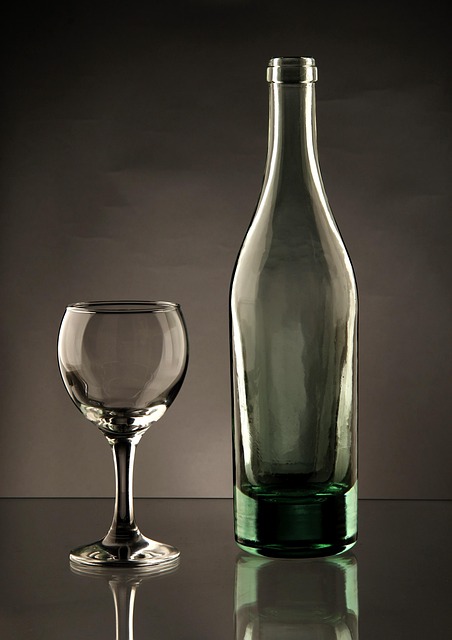 el vidrioglass (material)El vaso de vidrio se rompió al caer.The glass cup broke when it fell.
- el plásticoplasticNo uses bolsas de plástico, mejor de tela.Don't use plastic bags, better use cloth ones.
- la piedrastoneLa estatua está tallada en piedra gris.The statue is carved in gray stone.
 la arenasandLos niños juegan con arena en la playa.The kids play with sand at the beach.
Family & Relationships
- la familiafamilyMi familia se reúne cada domingo para comer.My family gets together every Sunday to eat.
- la madremotherMi madre me enseñó a cocinar desde chico.My mother taught me to cook since I was little.
- el padrefatherSu padre trabaja en el banco desde hace años.His father works at the bank for years.
 la mamámomMamá, ¿me prestas el coche esta noche?Mom, can you lend me the car tonight?
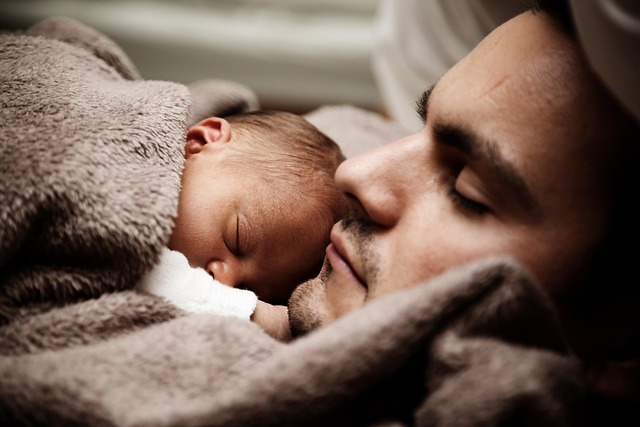 el papádadPapá nos llevó al parque ayer por la tarde.Dad took us to the park yesterday afternoon.
- los padresparentsMis padres siempre me apoyan en mis decisiones.My parents always support me in my decisions.
- el hijosonSu hijo ya aprendió a andar en bicicleta.His son already learned to ride a bike.
- la hijadaughterLa hija de mi vecina cumple años mañana.My neighbor's daughter has her birthday tomorrow.
- los hijoschildrenLos hijos de mi hermana vienen a visitar el fin de semana.My sister's children are coming to visit on the weekend.
- el hermanobrotherMi hermano mayor me ayuda con la tarea de matemáticas.My older brother helps me with math homework.
- la hermanasisterSu hermana menor estudia medicina en la universidad.His younger sister studies medicine at the university.
 los hermanossiblingsMis hermanos y yo jugamos fútbol en el patio.My siblings and I play soccer in the yard.
- el abuelograndfatherMi abuelo cuenta historias de cuando era joven.My grandfather tells stories from when he was young.
- la abuelagrandmotherLa abuela prepara los mejores tamales de la familia.Grandma makes the best tamales in the family.
- el tíouncleMi tío me llevó al estadio el domingo.My uncle took me to the stadium on Sunday.
- la tíaauntLa tía Carmen siempre trae postre a las fiestas.Aunt Carmen always brings dessert to parties.
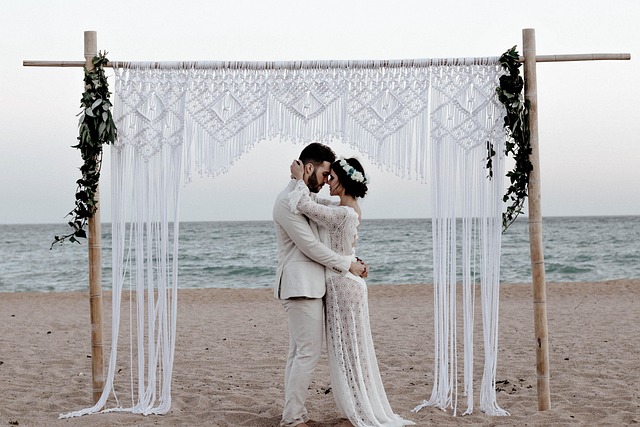 el esposohusbandMi esposo llega tarde del trabajo hoy.My husband is getting home late from work today.
 la esposawifeLa esposa de mi jefe es doctora.My boss's wife is a doctor.
 la parejapartner / coupleEsa pareja siempre discute en el café.That couple always argues at the café.
 el novioboyfriendSu novio le regaló flores ayer.Her boyfriend gave her flowers yesterday.
 la noviagirlfriendLa novia de mi hermano es muy simpática.My brother's girlfriend is very nice.
 la relaciónrelationshipSu relación va bien después de dos años.Their relationship is going well after two years.
 la citadateTenemos una cita el viernes en el cine.We have a date on Friday at the movies.
- la compañíacompany / companionshipMe gusta la compañía de mis amigos los fines de semana.I like the company of my friends on weekends.
- el hogarhomeMi hogar está cerca del parque.My home is near the park.
Food & Drink
 el aguawaterNecesito un vaso de agua, por favor.I need a glass of water, please.
 la comidafood / mealLa comida de hoy está muy rica, gracias.Today's meal is very tasty, thank you.
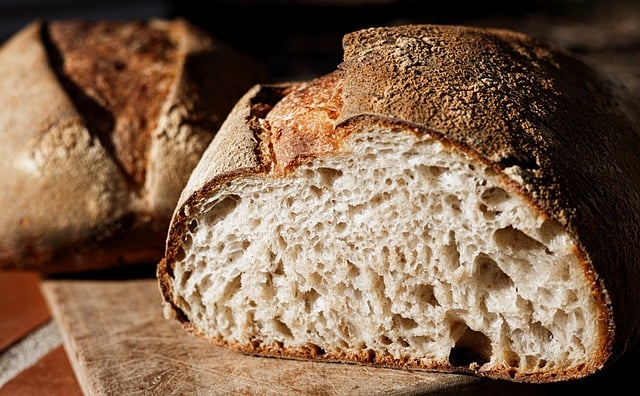 el panbreadCompré un pan fresco en la panadería de la esquina.I bought fresh bread at the corner bakery.
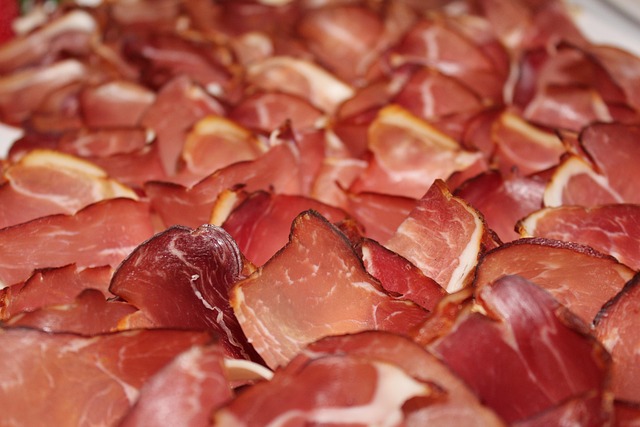 la carnemeatPrefiero la carne de res bien asada.I prefer beef well grilled.
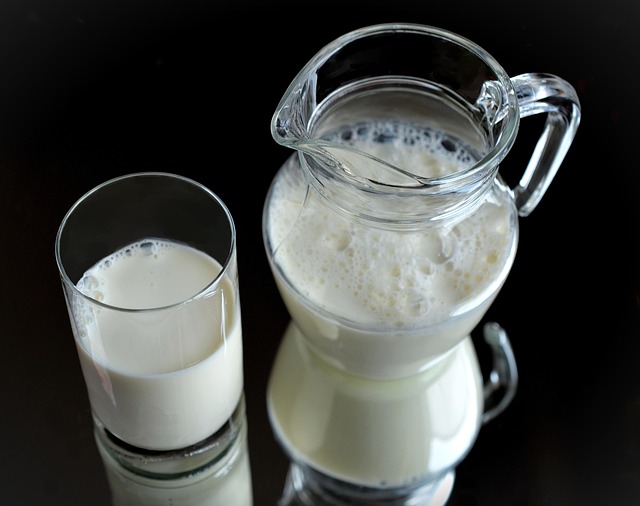 la lechemilkA mi hijo le gusta la leche con chocolate en la mañana.My son likes chocolate milk in the morning.
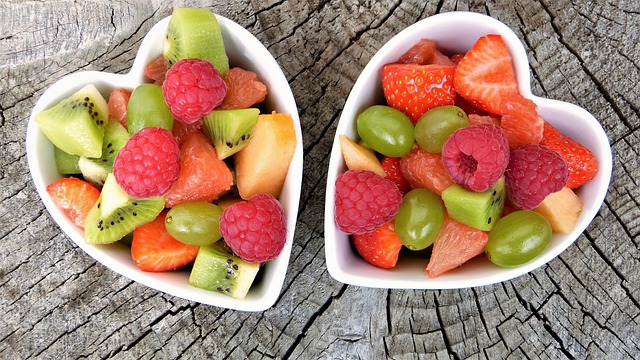 la frutafruitEn el mercado venden fruta muy dulce.At the market they sell very sweet fruit.
 el huevoeggVoy a hacer un huevo estrellado para el desayuno.I'm going to make a fried egg for breakfast.
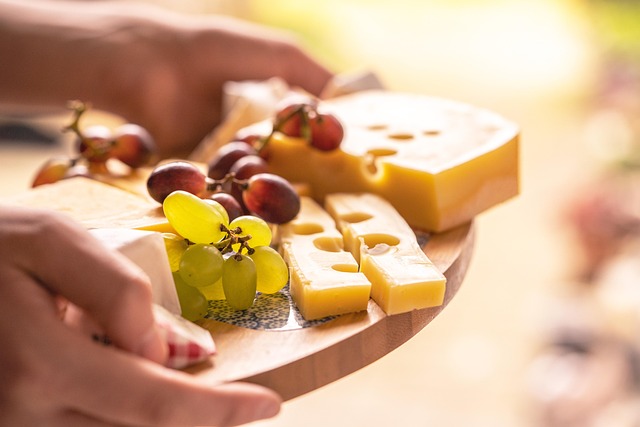 el quesocheeseEl queso derretido le queda perfecto a las quesadillas.Melted cheese is perfect on quesadillas.
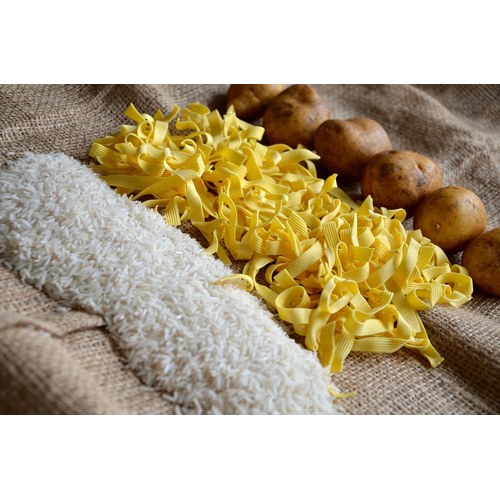 el arrozriceEl arroz con pollo es mi platillo favorito.Chicken with rice is my favorite dish.
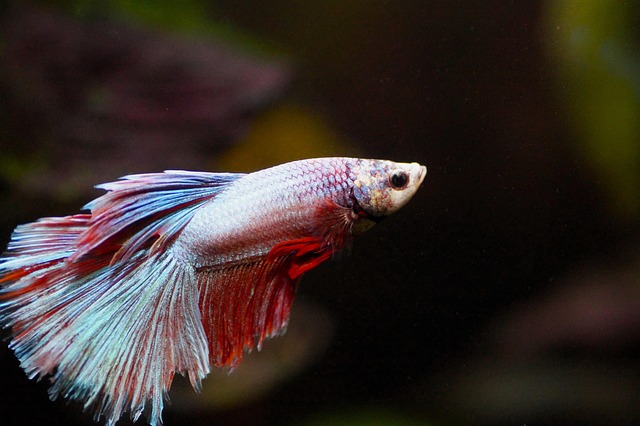 el pescadofish (as food)El pescado de hoy está muy fresco, lo trajeron del puerto.Today's fish is very fresh, they brought it from the port.
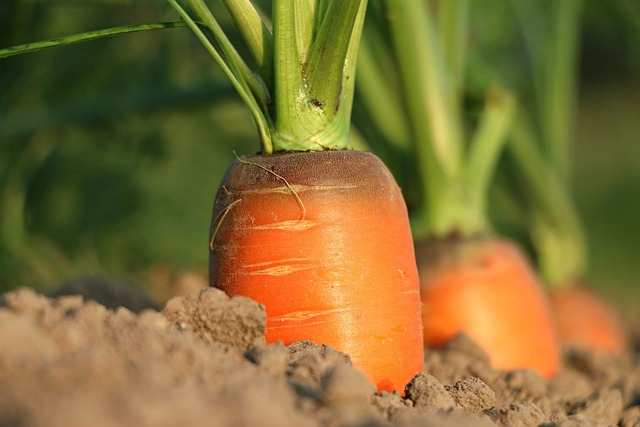 la verduravegetableDebes comer más verdura para estar saludable.You should eat more vegetables to be healthy.
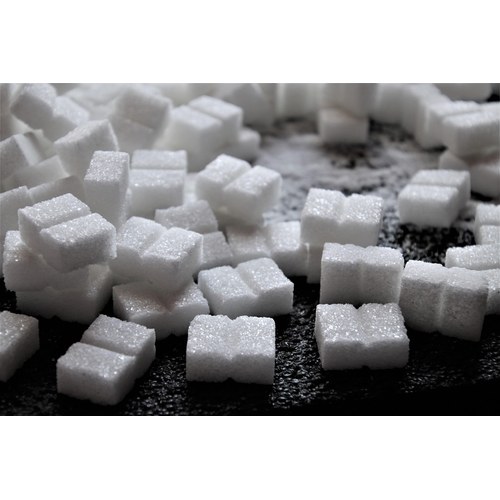 el azúcarsugarLe puse muy poco azúcar a mi café.I put very little sugar in my coffee.
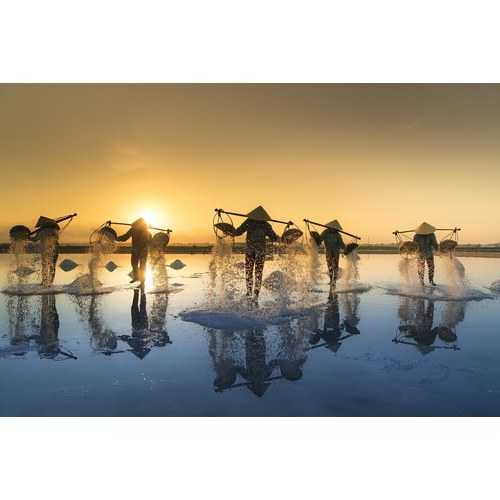 la salsaltAgrégale un poco de sal a la sopa, le falta sabor.Add a little salt to the soup, it lacks flavor.
 el vinowineEste vino tinto combina bien con la carne.This red wine goes well with the meat.
 la cervezabeerNos tomamos unas cervezas bien frías en la terraza.We had some ice-cold beers on the terrace.
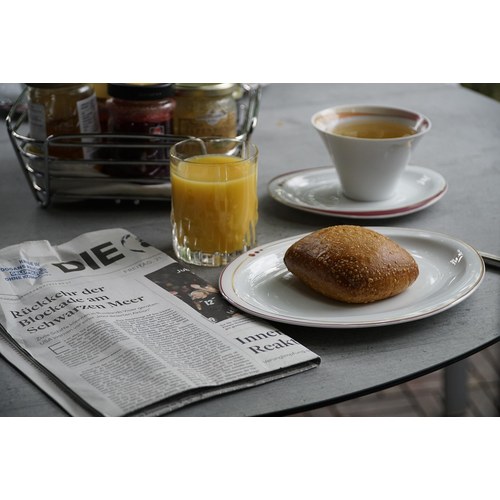 el jugojuice¿Quieres un jugo de naranja natural?Would you like a fresh orange juice?
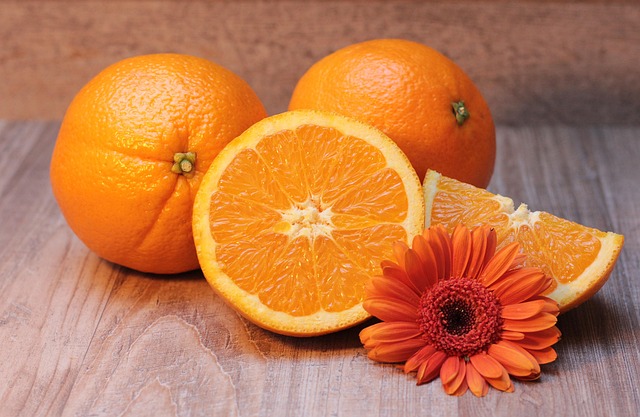 la naranjaorangeLa naranja que compré está muy ácida.The orange I bought is very sour.
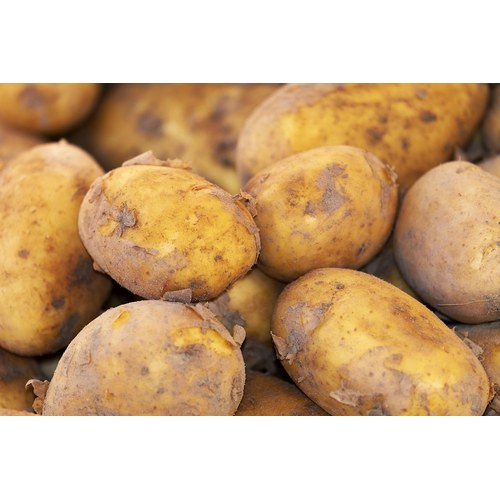 la papapotatoLas papas fritas con salsa son las mejores.French fries with sauce are the best.
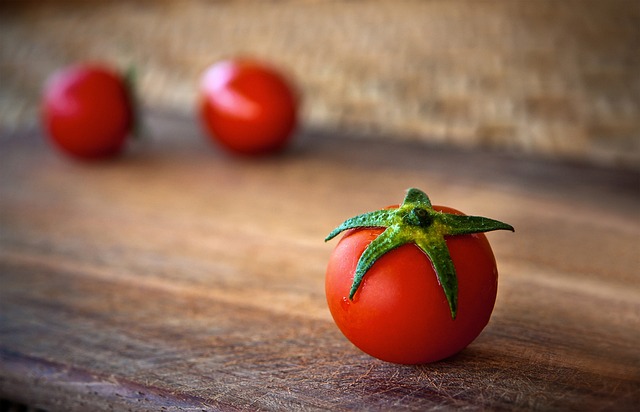 el tomatetomatoEl tomate le da un toque especial a la ensalada.The tomato gives a special touch to the salad.
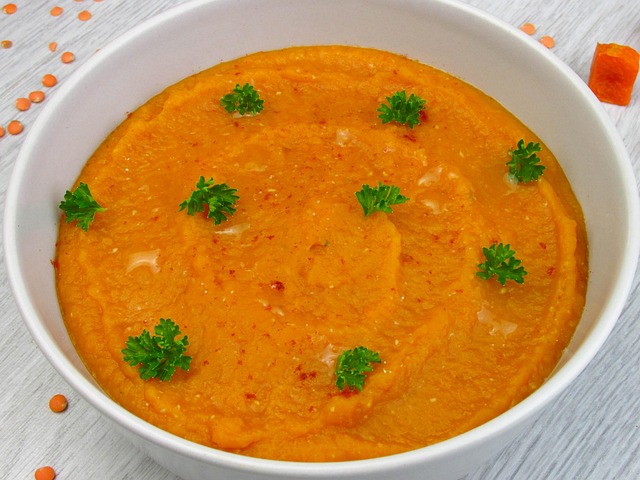 la sopasoupMi abuela hace una sopa de fideo deliciosa.My grandmother makes a delicious noodle soup.
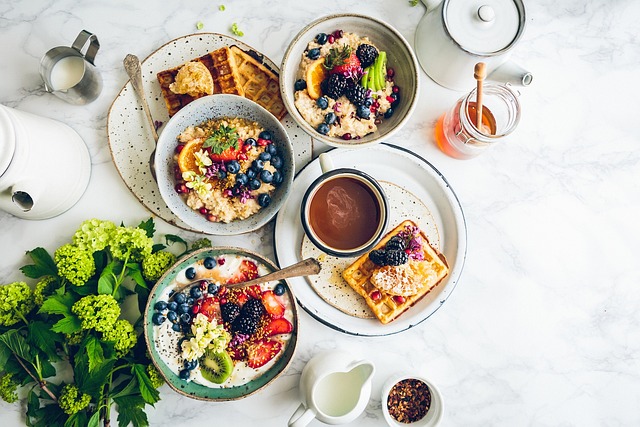 el desayunobreakfastEl desayuno incluye huevos, frijoles y tortillas.Breakfast includes eggs, beans, and tortillas.
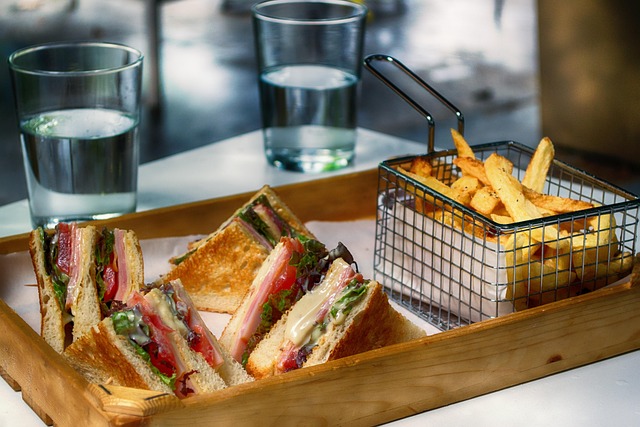 el almuerzolunchNormalmente como mi almuerzo en la oficina.I usually eat my lunch at the office.
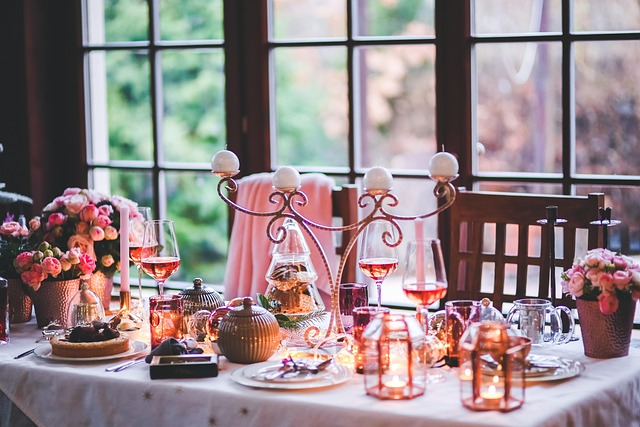 la cenadinnerLa cena de anoche estuvo muy elegante en ese restaurante.Last night's dinner was very elegant at that restaurant.
Furniture & Household
 la sillachairEsa silla está desocupada, puedes sentarte.That chair is empty, you can sit down.
 la camabedLa cama está tendida, solo falta la almohada.The bed is made, just missing the pillow.
 la luzlightApaga la luz al salir del cuarto, porfa.Turn off the light when you leave the room, please.
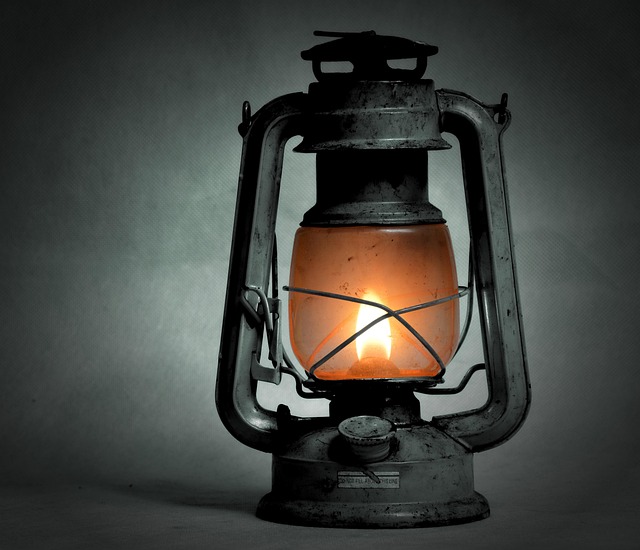 la lámparalampLa lámpara del escritorio no prende bien.The desk lamp doesn't turn on well.
 el teléfonotelephoneDejé mi teléfono en el coche otra vez.I left my phone in the car again.
 la televisióntelevisionLa televisión está prendida, pero nadie la ve.The TV is on, but nobody's watching it.
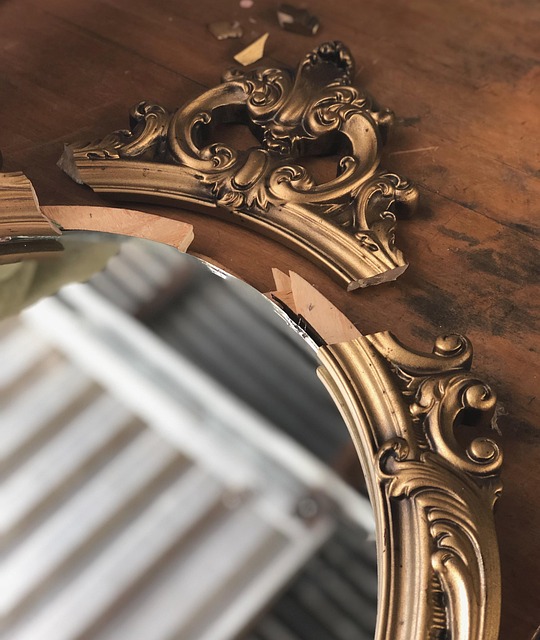 el espejomirrorMe miré en el espejo antes de salir.I looked at myself in the mirror before leaving.
 el sofásofaEl gato se durmió en el sofá otra vez.The cat fell asleep on the sofa again.
- la cajaboxGuardo las fotos viejas en una caja de cartón.I keep old photos in a cardboard box.
 el estanteshelfPon los libros en el estante de arriba.Put the books on the top shelf.
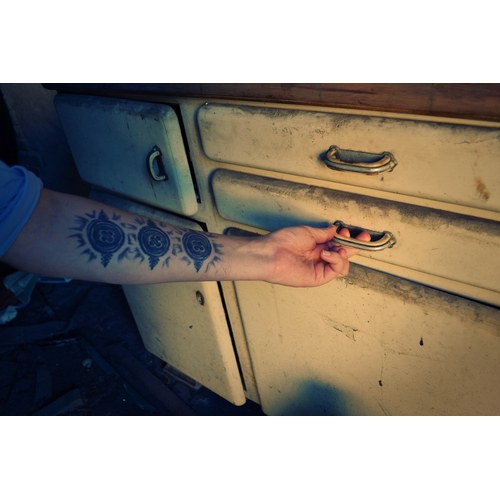 el cajóndrawerEncontré tus llaves en el cajón de la cocina.I found your keys in the kitchen drawer.
 el bancobench / stoolNos sentamos en un banco del parque a platicar.We sat on a park bench to chat.
Government & Society
- el paíscountry
 el estadostateEn ese estado hace mucho calor durante el verano.In that state it's very hot during the summer.
 el gobiernogovernmentEl gobierno anunció un nuevo programa de apoyo.The government announced a new support program.
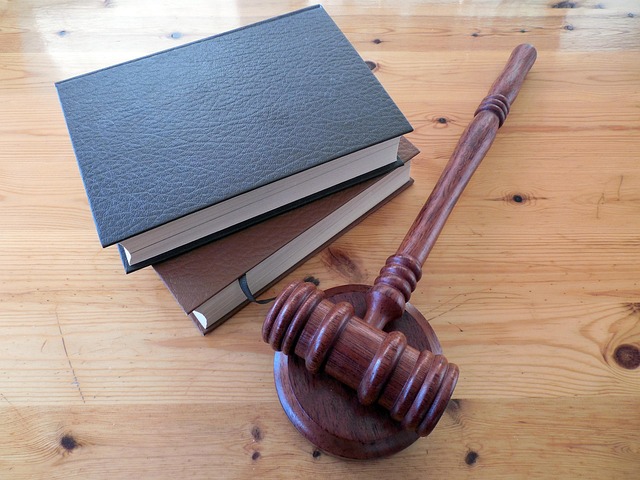 la leylawLa nueva ley de tránsito ya está en vigor.The new traffic law is already in effect.
- la sociedadsocietyLa sociedad civil protesta por la inseguridad.Civil society is protesting about insecurity.
- el pueblopeople / townTodo el pueblo salió a celebrar el triunfo.The whole town came out to celebrate the victory.
 la naciónnationLa nación entera vio el partido por televisión.The whole nation watched the game on TV.
- el poderpowerEl poder lo tiene el pueblo, no los políticos.The power belongs to the people, not the politicians.
 la guerrawarLa guerra dejó muchas familias sin hogar.The war left many families homeless.
 la pazpeaceTodos queremos paz en nuestro barrio.We all want peace in our neighborhood.
- el derechoright / lawTienes derecho a defender tu opinión.You have the right to defend your opinion.
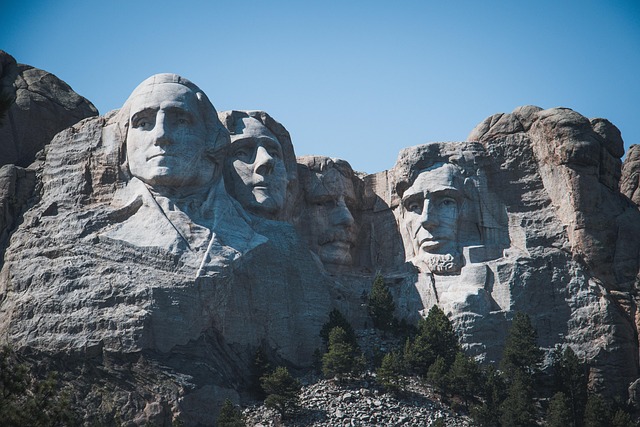 el presidentepresidentEl presidente anunció un nuevo programa de salud.The president announced a new health program.
 la políticapolitics / policyLa política de la empresa no permite fumar aquí.The company policy doesn't allow smoking here.
 el partidopartyMi partido favorito ganó las elecciones locales.My favorite party won the local elections.
 la justiciajusticeLa justicia tarda, pero llega.Justice is slow, but it arrives.
- el votovoteTu voto cuenta mucho en estas elecciones.Your vote matters a lot in this election.
- la policíapoliceLa policía llegó rápido al lugar del accidente.The police arrived quickly at the accident scene.
Home & Rooms
 el cuartoroomEl cuarto de mi hermano está lleno de pósters.My brother's room is full of posters.
- la habitaciónroom / bedroomLa habitación del hotel tenía vista al mar.The hotel room had a sea view.
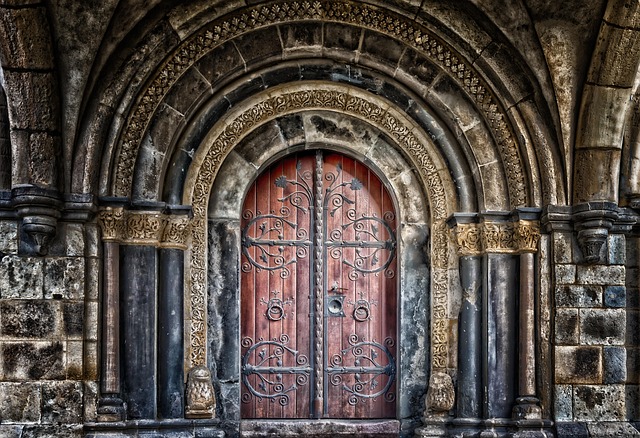 la puertadoorCierra la puerta cuando salgas, hace frío.Close the door when you leave, it's cold.
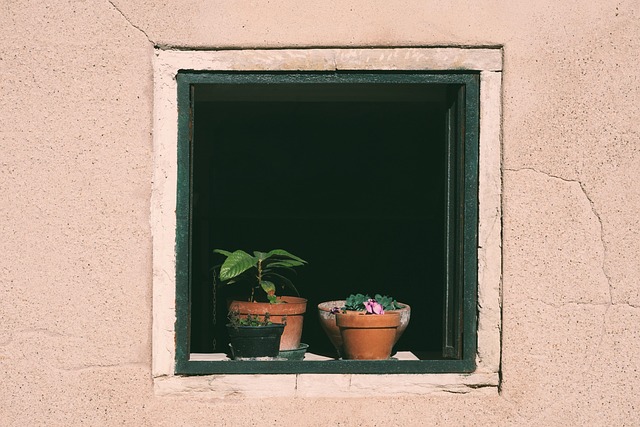 la ventanawindowAbre la ventana porque hace mucho calor aquí.Open the window because it's very hot here.
 el bañobathroomEl baño está al final del pasillo.The bathroom is at the end of the hallway.
 la salaliving roomLa sala tiene un sillón muy cómodo.The living room has a very comfortable armchair.
 la paredwallPintaron la pared de azul para la fiesta.They painted the wall blue for the party.
 el pisofloor / apartmentMi piso queda cerca del metro y del mercado.My apartment is near the subway and the market.
 el techoceiling / roofEl techo de la casa tiene goteras cuando llueve.The roof of the house leaks when it rains.
- el suelofloor / groundEl suelo estaba mojado y casi me resbalo.The floor was wet and I almost slipped.
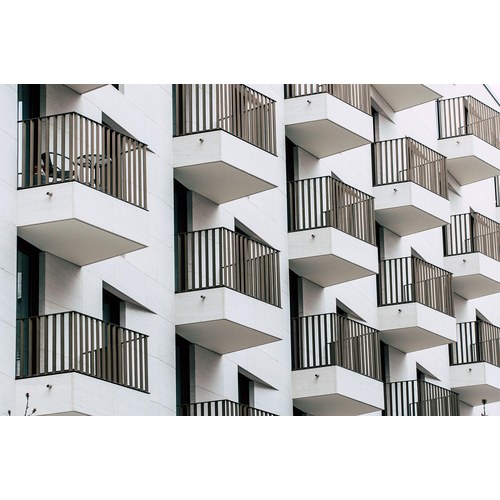 el departamentoapartmentMi departamento es pequeño pero muy luminoso.My apartment is small but very bright.
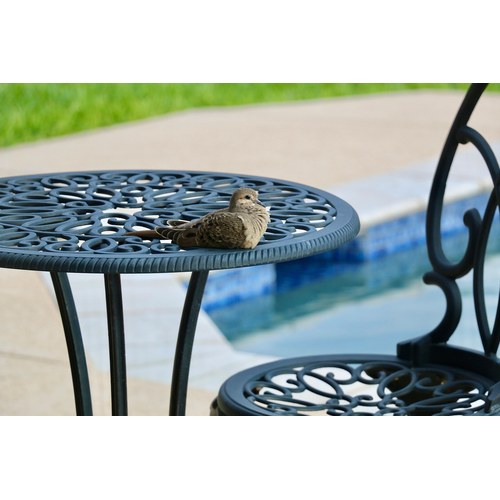 el patioyard / patioEl patio de mi casa es perfecto para hacer asados.The patio of my house is perfect for having barbecues.
 la escalerastairs / ladderSube por la escalera, el elevador no sirve.Go up the stairs, the elevator is broken.
 la llavekeyNo encuentro la llave de la puerta principal.I can't find the key to the front door.
- el dormitoriobedroomEl dormitorio de mi hijo está muy desordenado.My son's bedroom is very messy.
 el salónliving room / hallVamos a ver la tele en el salón, ahí está más cómodo.Let's watch TV in the living room, it's more comfortable there.
People & Identity
- la personapersonEsa persona me ayudó a cargar las bolsas.That person helped me carry the bags.
- la gentepeopleLa gente en el mercado es muy amable.The people at the market are very friendly.
- el hombremanAquel hombre vende frutas en la esquina.That man sells fruit on the corner.
- la mujerwomanLa mujer del café me sonrió al pedir mi orden.The woman at the café smiled at me when I ordered.
- el niñoboy / childEl niño se cayó de la bicicleta y se raspó la rodilla.The boy fell off his bike and scraped his knee.
- la niñagirlLa niña dibuja flores en su cuaderno.The girl draws flowers in her notebook.
 el amigofriend (male)Mi amigo me prestó su carro para la mudanza.My friend lent me his car for the move.
 la amigafriend (female)Mi amiga y yo vamos al cine los viernes.My friend and I go to the movies on Fridays.
 el señorsir / misterSeñor, ¿me puede decir la hora?Sir, can you tell me the time?
 la señoramadam / Mrs.Señora, ¿dónde queda el supermercado?Ma'am, where is the supermarket?
 el chicoboy / guyEse chico trabaja en la tienda de enfrente.That guy works at the store across the street.
 la chicagirlLa chica de la fila me pidió prestado un lápiz.The girl in line asked me to borrow a pencil.
- el bebébabyEl bebé se despertó llorando a las tres de la mañana.The baby woke up crying at three in the morning.
 el jovenyoung personEse joven estudia medicina en la universidad.That young person studies medicine at the university.
- el trabajadorworkerEl trabajador de la fábrica sale a las seis.The factory worker leaves at six.
- el jefebossMi jefe me pidió que trabajara el sábado.My boss asked me to work on Saturday.
- el estudiantestudentLa estudiante nueva llegó tarde a clase.The new student arrived late to class.
 el maestroteacherEl maestro nos pidió leer el capítulo dos.The teacher asked us to read chapter two.
- el profesorprofessor / teacherEl profesor de historia explicó la revolución.The history professor explained the revolution.
 el médicophysicianEl médico me recetó antibióticos para la garganta.The doctor prescribed me antibiotics for my throat.
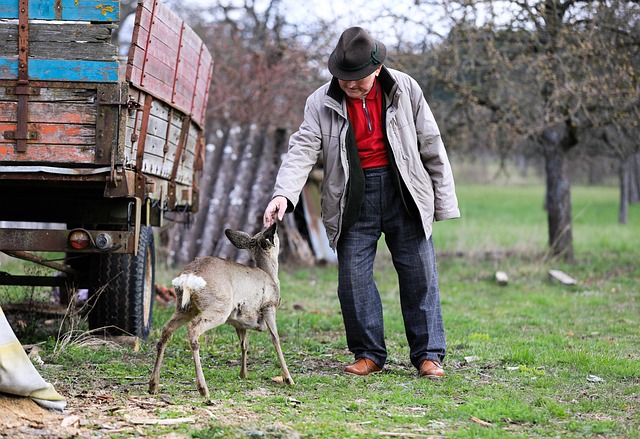 la edadage¿Cuál es la edad mínima para entrar al cine?What is the minimum age to enter the movie theater?
Public Life & Services
- el hospitalhospitalLlevaron al herido al hospital más cercano.They took the injured person to the nearest hospital.
- la oficina de correospost officeVoy a la oficina de correos a mandar una carta.I'm going to the post office to send a letter.
 la clínicaclinicLa clínica abre a las ocho de la mañana.The clinic opens at eight in the morning.
 el dineromoneyGuarda el dinero en un lugar seguro.Keep the money in a safe place.
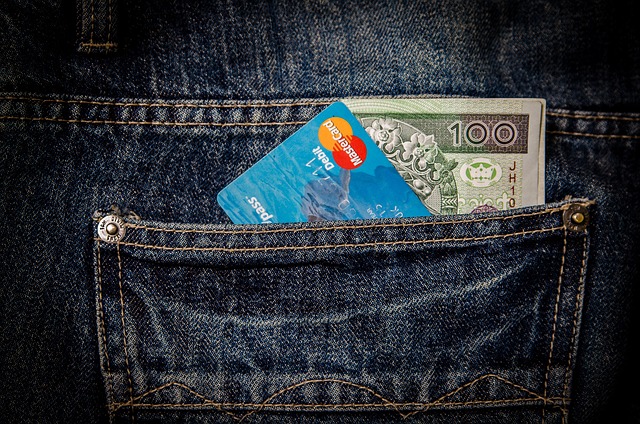 la tarjetacardPago con tarjeta de crédito.I pay with a credit card.
 el paquetepackageLlegó el paquete que esperabas.The package you were waiting for arrived.
 el servicioserviceEl servicio en este restaurante es muy lento.The service at this restaurant is very slow.
- el pasaportepassportNecesito mi pasaporte para viajar mañana.I need my passport to travel tomorrow.
 el documentodocumentFirma este documento antes de las cinco.Sign this document before five.
 la enfermeranurseLa enfermera me puso la vacuna sin dolor.The nurse gave me the shot without pain.
Shopping & Money
- el preciopriceEl precio de la fruta subió mucho.The price of fruit went up a lot.
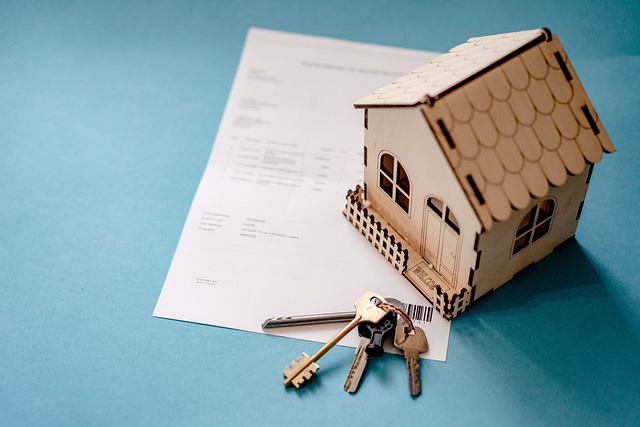 la comprapurchaseHice una compra en línea para regalarle.I made an online purchase to give as a gift.
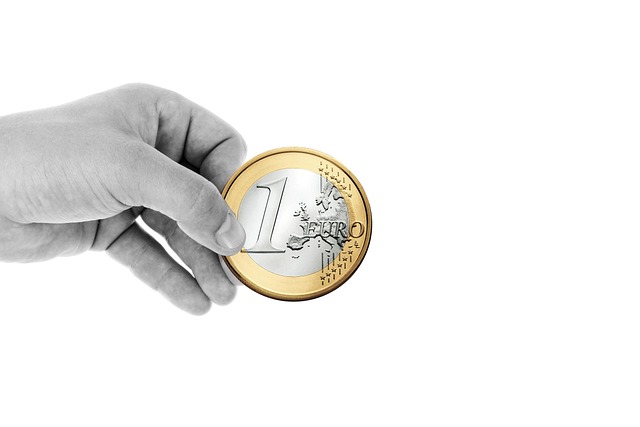 la monedacoin / currencyTengo una moneda de cinco pesos en el bolsillo.I have a five-peso coin in my pocket.
- el billetebanknote / billMe dieron un billete de cien en el cambio.They gave me a hundred-peso bill in change.
 el vendedorsalesperson / sellerEl vendedor me ofreció un descuento.The seller offered me a discount.
 la ventasaleLa venta de ropa empieza el lunes.The clothing sale starts on Monday.
- la ofertaoffer / dealAprovecha la oferta antes de que se acabe.Take advantage of the deal before it ends.
 el productoproductEste producto es de muy buena calidad.This product is of very good quality.
- el reciboreceiptGuarda el recibo por si necesitas devolver la camisa.Keep the receipt in case you need to return the shirt.
 el puestostall / standEn el puesto de la esquina venden los mejores tacos.At the corner stall they sell the best tacos.
Sports & Hobbies
- el fútbolsoccerVamos a ver el fútbol en el bar de la esquina.We're going to watch soccer at the corner bar.
 la pelotaballLa pelota se fue volando hasta la calle.The ball flew off into the street.
- el deportesportEl deporte que más me gusta es el tenis.The sport I like most is tennis.
- el equipoteamNuestro equipo ganó el torneo el domingo.Our team won the tournament on Sunday.
- la nataciónswimmingLa natación me ayuda a relajarme después del trabajo.Swimming helps me relax after work.
- el baloncestobasketballEl baloncesto se juega rápido y emocionante.Basketball is played fast and exciting.
 el jugadorplayerEse jugador es el mejor de la liga.That player is the best in the league.
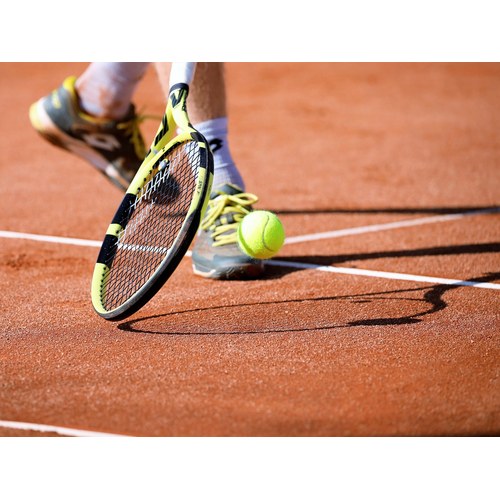 la canchacourt / fieldNos vemos en la cancha para practicar a las seis.See you at the court to practice at six.
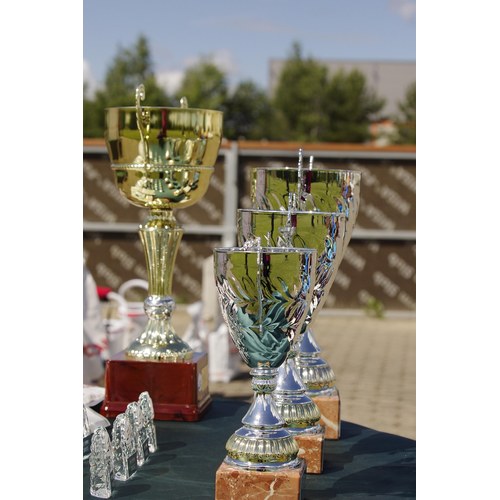 el premioprizeEl premio fue un viaje a Cancún.The prize was a trip to Cancun.
- el guantegloveOlvidé mi guante derecho en el gimnasio.I forgot my right glove at the gym.
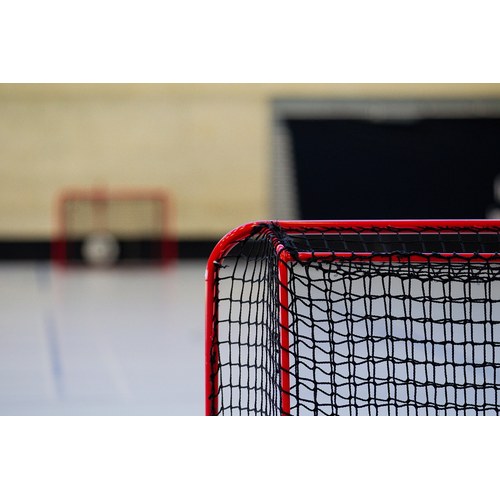 la rednetLa pelota se quedó atrapada en la red.The ball got stuck in the net.
Technology & Internet
 la computadoracomputerMi computadora se apagó justo antes de guardar el trabajo.My computer shut down right before saving the work.
 el celularcell phonePréstame tu celular para hacer una llamada rápida.Lend me your cell phone to make a quick call.
- el internetinternetEl internet en el café está muy lento hoy.The internet at the café is very slow today.
- la páginaweb pageAbre la página en otra pestaña para comparar precios.Open the web page in another tab to compare prices.
- el videovideoSubimos el video de la fiesta a YouTube anoche.We uploaded the video of the party to YouTube last night.
- la pantallascreenLa pantalla de mi laptop tiene una rayita en la esquina.The screen of my laptop has a scratch in the corner.
 la cámaracameraLa cámara del teléfono saca fotos muy nítidas.The phone's camera takes very sharp photos.
 la aplicaciónapplicationDescargué una aplicación para meditar antes de dormir.I downloaded an application to meditate before sleeping.
 el sitiowebsiteEl sitio de noticias se actualiza cada hora.The news website updates every hour.
- la máquinamachineLa máquina de café en la oficina se descompuso otra vez.The coffee machine at the office broke down again.
 el datodatumEse dato no me cuadra con lo que dijo el jefe.That datum doesn't add up with what the boss said.
 el usuariouserCada usuario debe cambiar su contraseña cada tres meses.Each user must change their password every three months.
- la clavepasswordNo compartas tu clave con nadie, ni con tu mejor amigo.Don't share your password with anyone, not even your best friend.
- el archivofileGuardo el archivo en una carpeta de Google Drive.I save the file in a Google Drive folder.
 la nubecloudLas fotos están en la nube, así que no se pierden.The photos are in the cloud, so they don't get lost.
Travel & Transport
- el cochecarDejé el coche estacionado frente al super.I left the car parked in front of the supermarket.
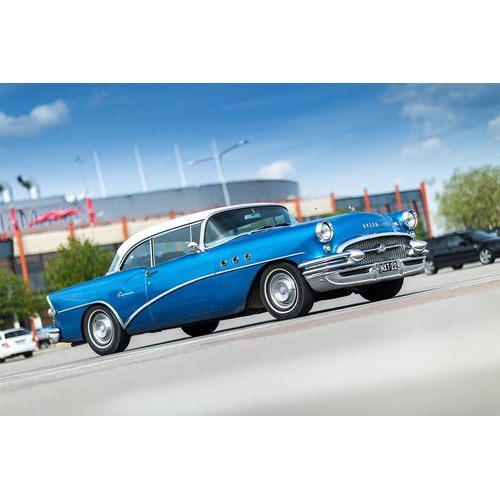 el autocarMi auto no arranca por la batería.My car won't start because of the battery.
- el carrocar¿Me llevas en tu carro al centro?Can you take me downtown in your car?
 el caminoroad / wayEl camino a la sierra está lleno de curvas.The road to the mountains is full of curves.
 el viajetrip / journeyEl viaje a Oaxaca duró seis horas.The trip to Oaxaca lasted six hours.
 el trentrainEl tren sale a las ocho de la mañana.The train leaves at eight in the morning.
 el aviónairplaneEl avión sale a las seis de la mañana.The plane leaves at six in the morning.
 el autobúsbusMejor toma el autobús, es más barato.Better take the bus, it's cheaper.
 el barcoship / boatEl barco llega al puerto mañana.The ship arrives at the port tomorrow.
- el boletoticket¿Dónde compro el boleto para el metro?Where do I buy the ticket for the metro?
- la maletasuitcaseMi maleta no cerró por la ropa extra.My suitcase didn't close because of the extra clothes.
 la bicicletabicycleAndar en bicicleta por aquí es peligroso.Riding a bicycle around here is dangerous.
Weather & Nature
 el solsunEl sol está muy fuerte hoy, ponte bloqueador.The sun is very strong today, put on sunscreen.
 la lluviarainLa lluvia arruinó nuestro picnic en el parque.The rain ruined our picnic in the park.
 el cieloskyEl cielo se puso gris antes de la tormenta.The sky turned gray before the storm.
 el vientowindEl viento se llevó el sombrero de mi hermano.The wind blew away my brother's hat.
 la tierraearth/landLa tierra de este campo es muy fértil.The land in this field is very fertile.
 el aireairEl aire de la montaña se siente fresco.The mountain air feels fresh.
 la lunamoonLa luna se ve enorme desde la azotea.The moon looks huge from the rooftop.
 la estrellastarAnoche vi una estrella fugaz desde el balcón.Last night I saw a shooting star from the balcony.
- el marseaEl mar estaba muy tranquilo esta mañana.The sea was very calm this morning.
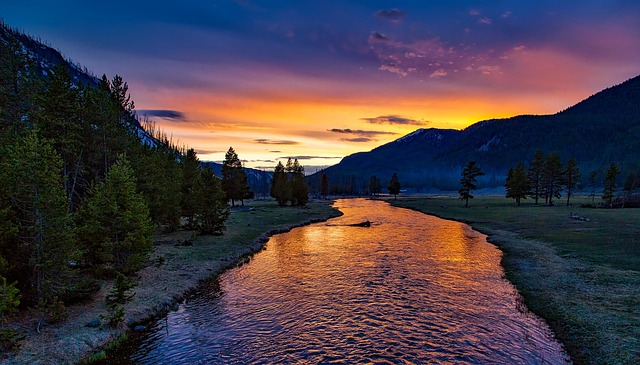 el ríoriverEl río se desbordó después de la lluvia.The river overflowed after the rain.
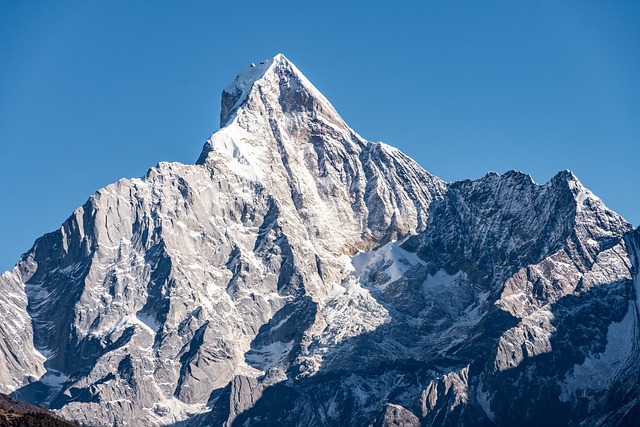 la montañamountainSubimos la montaña en dos horas.We climbed the mountain in two hours.
 el árboltreeEse árbol da mucha sombra en verano.That tree gives a lot of shade in summer.
 la florflowerLe regalé una flor a mi mamá.I gave my mom a flower.
 la playabeachVamos a la playa el domingo temprano.We're going to the beach early on Sunday.
 la nievesnowAquí nunca vemos nieve, solo en las fotos.We never see snow here, only in photos.
 el calorheatEste calor me está matando, prendamos el aire.This heat is killing me, let's turn on the AC.
- el fríocoldHace mucho frío, ponte un suéter.It's very cold, put on a sweater.
 la tormentastormLa tormenta tumbó varios postes de luz.The storm knocked down several light poles.
 el campocountryside/fieldMi abuelo vive en el campo y cría gallinas.My grandpa lives in the countryside and raises chickens.
 el lagolakeEl lago está congelado en invierno.The lake is frozen in winter.
 la islaislandEsa isla se ve desde la ventana del avión.That island is visible from the airplane window.
 el mundoworldViajar te abre el mundo y te cambia la perspectiva.Traveling opens up the world and changes your perspective.
Work & Career
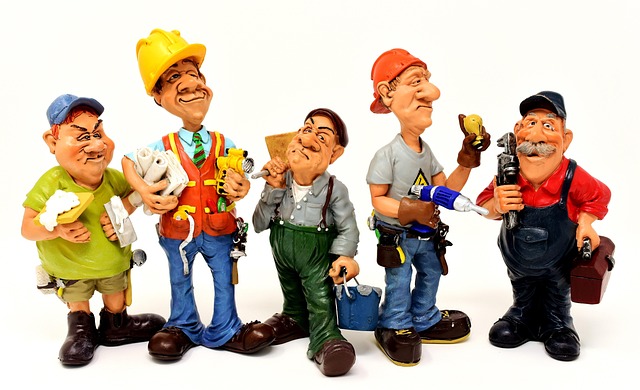 el trabajowork / jobMi trabajo me deja poco tiempo para mis hobbies.My job leaves me little time for my hobbies.
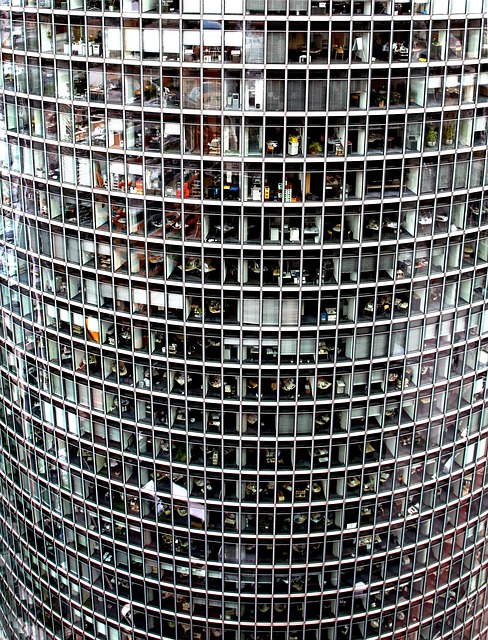 la empresacompany / businessMi hermana trabaja en una empresa de tecnología.My sister works at a tech company.
 el negociobusinessAbrimos un negocio de tacos en el centro.We opened a taco business downtown.
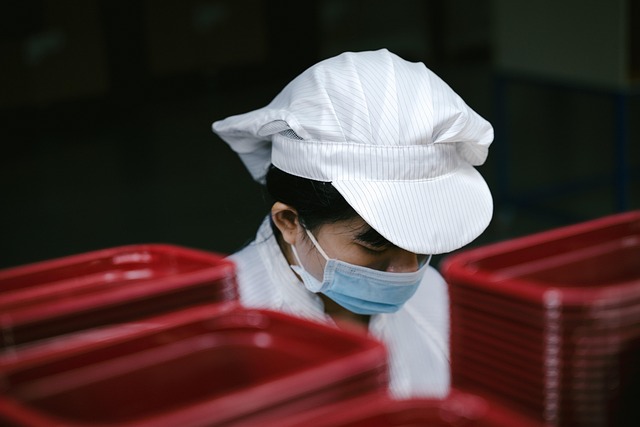 el empleoemployment / jobBusco empleo desde hace tres meses.I've been looking for a job for three months.
- el sueldosalary / wageCon ese sueldo apenas alcanza para la renta.With that salary, it barely covers the rent.
- el empleadoemployeeEl empleado nuevo ya se llevó con todos.The new employee already got along with everyone.
- la reuniónmeetingLa reunión de mañana se cambió para las once.Tomorrow's meeting was moved to eleven.
 el proyectoprojectEl proyecto de la casa la terminamos en un mes.We finished the house project in a month.
- el salariosalaryEl salario aquí es mejor que en mi otro trabajo.The salary here is better than at my other job.
Being and becoming verbs
- serto be (essence)Ella es mi hermana mayor.She is my older sister.
- estarto be (state)Estoy muy cansado hoy.I'm very tired today.
- ponerseto put on/becomePonte el suéter porque hace frío afuera.Put on your sweater because it's cold outside.
- crecerto growLos árboles crecen rápido en primavera.The trees grow fast in spring.
Giving and taking verbs
- tenerto haveTengo dos hermanos menores.I have two younger brothers.
- darto giveTe doy mi número de teléfono.I give you my phone number.
- dejarto leave/letDéjame las llaves en la mesa si sales.Leave me the keys on the table if you go out.
- conseguirto get/obtainPor fin conseguí los boletos para el concierto.I finally got the tickets for the concert.
- recibirto receiveRecibí tu mensaje anoche, gracias por avisarme.I received your message last night, thanks for letting me know.
Auxiliary and modal verbs
- haberto have (auxiliary)
- poderto be able to/can¿Puedes ayudarme con esto?Can you help me with this?
- deberto owe/mustDebes estudiar para el examen.You must study for the exam.
- permitirto allow / permitNo me permiten entrar con comida.They don't allow me to enter with food.
Making and changing verbs
- hacerto do/makeHago la cena todos los días.I make dinner every day.
- ponerto putPongo las llaves en la mesa.I put the keys on the table.
- abrirto openAbre la ventana, hace mucho calor aquí.Open the window, it's really hot in here.
- cerrarto closeCierra la puerta con llave al salir de casa.Lock the door when you leave the house.
- empezarto begin/startEmpezamos la clase de yoga a las siete.We start the yoga class at seven.
- comenzarto begin/commenceEl partido de fútbol comienza en diez minutos.The soccer game begins in ten minutes.
- terminarto finish/endTerminé el reporte justo antes de la junta.I finished the report just before the meeting.
- acabarto finish/just doneYa acabé de lavar los trastes.I just finished washing the dishes.
- prepararto prepareEstoy preparando la cena para la familia.I'm preparing dinner for the family.
- cambiarto changeVoy a cambiar el color de mi cuarto este fin.I'm going to change the color of my room this weekend.
- romperto breakSe me rompió el vaso cuando lo lavaba.I broke the glass while washing it.
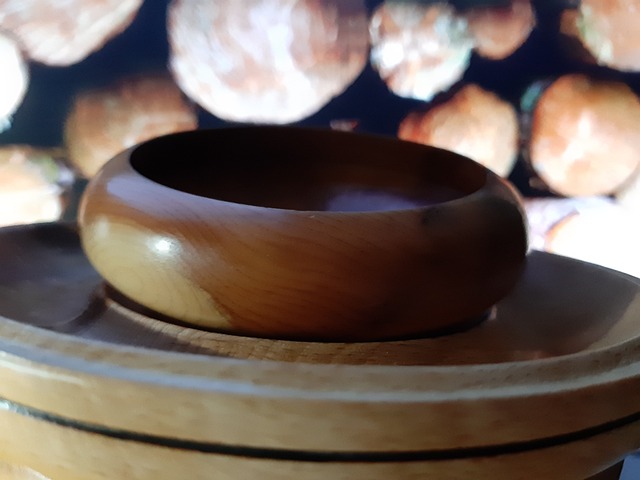 crearto createElla creó un grupo de estudio para el examen.She created a study group for the exam.
- cortarto cutCorta la cebolla en pedazos bien chiquitos.Cut the onion into really small pieces.
- organizarto organizeVoy a organizar los papeles mañana.I'm going to organize the papers tomorrow.
Movement and travel verbs
- irto goVoy al mercado por fruta.I'm going to the market for fruit.
- venirto comeVen a mi casa esta tarde.Come to my house this afternoon.
- traerto bringTrae las bebidas para la fiesta.Bring the drinks for the party.
- llevarto carry/take/wearLlevo mi mochila al trabajo.I carry my backpack to work.
- pasarto pass/happen/spendPaso el rato con mis amigos.I spend time with my friends.
- andarto walk/go aroundAndo buscando mis llaves, ¿las has visto?I'm walking around looking for my keys, have you seen them?
- caminarto walkCaminamos veinte minutos hasta el parque.We walked twenty minutes to the park.
- correrto runCorre todas las mañanas antes de ir al trabajo.He runs every morning before going to work.
- llegarto arriveLlegué tarde porque el metro se descompuso.I arrived late because the metro broke down.
- salirto leave/go outSalimos del cine a las once de la noche.We left the movie theater at eleven at night.
- entrarto enterEntra por la puerta de atrás cuando llegues.Enter through the back door when you arrive.
- buscarto look for/searchBusco un restaurante que venda mariscos frescos.I'm looking for a restaurant that sells fresh seafood.
- seguirto follow/continueSigue derecho hasta el semáforo y dobla a la izquierda.Continue straight to the traffic light and turn left.
- subirto go up/climbSubimos las escaleras porque el elevador no servía.We went up the stairs because the elevator wasn't working.
- bajarto go down/get offBájate en la siguiente estación y camina dos cuadras.Get off at the next station and walk two blocks.
- caerto fallSe me cayó el teléfono y se quebró la pantalla.My phone fell and the screen cracked.
- pararto stopPara el carro aquí, necesito bajar un momento.Stop the car here, I need to get out for a second.
- continuarto continueSi continúas así, vas a reprobar el examen.If you continue like that, you're going to fail the exam.
- visitarto visitVamos a visitar a mi abuela el domingo temprano.We're going to visit my grandma early Sunday.
- saltarto jumpEl niño saltó la barda para alcanzar la pelota.The kid jumped the fence to reach the ball.
- tirarto pull/throwNo tires esa botella, la podemos reciclar.Don't throw that bottle away, we can recycle it.
 caerseto fall downEl niño se cayó del columpio.The kid fell down from the swing.
Emotion and desire verbs
- quererto wantQuiero un café con leche.I want a coffee with milk.
 necesitarto needNecesito comprar pan y leche.I need to buy bread and milk.
- gustarto like/pleaseMe gusta el chocolate amargo.I like dark chocolate.
- esperarto wait/hopeEspero el camión en la parada desde hace rato.I've been waiting for the bus at the stop for a while.
- amarto loveAmo a mi familia con todo mi corazón.I love my family with all my heart.
- sentirseto feel (a way)Me siento cansado después del trabajo.I feel tired after work.
- preferirto preferPrefiero el café sin azúcar.I prefer coffee without sugar.
Thinking and knowing verbs
- saberto know (facts)Ella sabe la respuesta correcta.She knows the correct answer.
- conocerto know (people/places)Conozco a María desde la escuela.I've known María since school.
- creerto believeCreo que va a llover mañana.I believe it's going to rain tomorrow.
- pensarto thinkPienso en mi viaje a Oaxaca.I'm thinking about my trip to Oaxaca.
- encontrarto findEncontré mis gafas en el sofá.I found my glasses on the sofa.
- entenderto understandNo entiendo por qué se enojó conmigo.I don't understand why he got mad at me.
- recordarto rememberRecuerdo cuando fuimos al zoológico juntos.I remember when we went to the zoo together.
- olvidarto forgetOlvidé traer mi paraguas y empezó a llover.I forgot to bring my umbrella and it started raining.
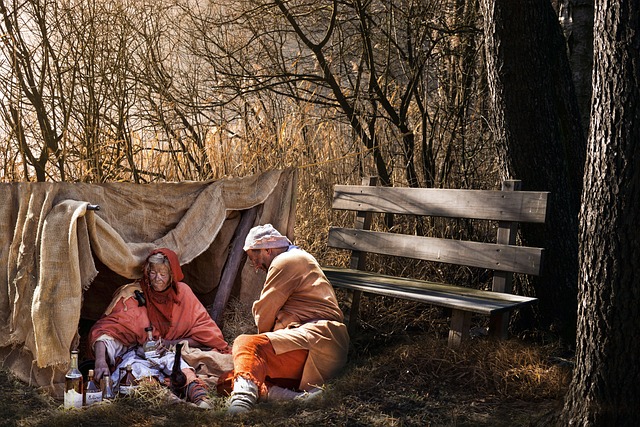 intentarto try/attemptIntenté llamarte tres veces pero no contestaste.I tried calling you three times but you didn't answer.
- tratarto try/treatEl médico va a tratar esa herida con antibiótico.The doctor is going to treat that wound with antibiotics.
- comprenderto comprehendNo comprendo por qué se enojó conmigo.I don't understand why he got mad at me.
- decidirto decideDecidimos quedarnos en casa porque llovía mucho.We decided to stay home because it was raining a lot.
- elegirto chooseElige la camisa que más te guste para la fiesta.Choose the shirt you like best for the party.
Perception and sense verbs
- verto seeVeo muchas películas los fines de semana.I see many movies on weekends.
- sentirto feelMe siento muy contenta con mi nuevo trabajo.I feel very happy with my new job.
- mirarto look at/watchMira el atardecer desde la azotea, es hermoso.Look at the sunset from the rooftop, it's beautiful.
- escucharto listenEscucho música mientras hago la tarea.I listen to music while I do homework.
- tocarto touch/play (instrument)Toco la guitarra desde niño.I've played the guitar since I was a kid.
- probarto try/tastePrueba este guacamole, quedó muy rico.Try this guacamole, it turned out really tasty.
- oírto hearOigo ruidos raros en la noche.I hear strange noises at night.
Speaking and communication verbs
- decirto say/tellÉl me dijo que va a llover.He told me it's going to rain.
- hablarto speak/talkHablamos por teléfono cada noche.We talk on the phone every night.
- llamarto callLlama a tu mamá cuando llegues.Call your mom when you arrive.
- escribirto writeEscribe una carta para su abuela cada mes.She writes a letter to her grandmother every month.
- contarto count/tellCuenta los votos antes de anunciar el resultado.Count the votes before announcing the result.
- enseñarto teach/showMi mamá me enseñó a andar en bicicleta.My mom taught me to ride a bike.
- preguntarto askPregúntale al mesero si hay mesa para dos.Ask the waiter if there's a table for two.
- responderto answer/respondNo supe cómo responder a su pregunta tan rara.I didn't know how to respond to his weird question.
- contestarto answerContéstame cuando llegues a la casa.Answer me when you get home.
- explicarto explain¿Me puedes explicar por qué llegaste tarde?Can you explain to me why you were late?
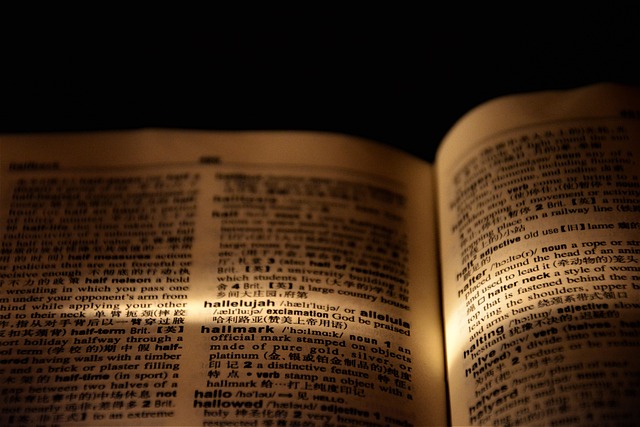 significarto mean¿Qué significa esa palabra en inglés?What does that word mean in English?
- repetirto repeat¿Me puedes repetir la pregunta?Can you repeat the question for me?
- agradecerto thankTe agradezco mucho tu ayuda.I thank you a lot for your help.
- saludarto greetSiempre saludo a mi vecino en la calle.I always greet my neighbor on the street.
Daily routine verbs
- vivirto liveYa llevo diez años viviendo en esta colonia.I've been living in this neighborhood for ten years now.
- dormirto sleepEl bebé duerme toda la noche sin despertarse.The baby sleeps all night without waking up.
- levantarseto get upMe levanté tarde porque no sonó la alarma.I got up late because the alarm didn't ring.
- sentarseto sit downNos sentamos en la banca del parque.We sat down on the park bench.
- despertarseto wake upMe despierto a las seis todos los días para hacer ejercicio.I wake up at six every day to exercise.
- vestirseto get dressedLos niños ya se vistieron para la escuela.The kids already got dressed for school.
- lavarto washLava las manzanas antes de comerlas.Wash the apples before eating them.
Food and cooking verbs
- comerto eatVamos a comer tacos al pastor en el mercado.Let's go eat al pastor tacos at the market.
- beberto drink¿Quieres beber algo frío con el calor?Do you want to drink something cold in this heat?
Work and money verbs
- comprarto buyCompré fruta fresca en el tianguis de los sábados.I bought fresh fruit at the Saturday market.
- trabajarto workTrabajo de lunes a viernes en una oficina.I work Monday to Friday in an office.
- ganarto win/earnGanamos el partido por dos goles.We won the game by two goals.
- pagarto payPagué la renta con la tarjeta.I paid the rent with the card.
- venderto sellVendí mi coche el fin de semana pasado.I sold my car last weekend.
- costarto costEse vestido cuesta mil pesos.That dress costs a thousand pesos.
- gastarto spendGasté mucho dinero en el supermercado hoy.I spent a lot of money at the supermarket today.
Learning and study verbs
- estudiarto studyEstudia medicina en la universidad pública.He studies medicine at the public university.
- leerto readLeo el periódico todas las mañanas con café.I read the newspaper every morning with coffee.
- aprenderto learnAprendí a cocinar viendo videos en línea.I learned to cook by watching videos online.
- practicarto practicePractico el piano todas las tardes.I practice piano every afternoon.
Social verbs
- ayudarto help¿Me ayudas a cargar estas cajas?Can you help me carry these boxes?
- invitarto inviteTe invito a comer tacos mañana en la noche.I invite you to eat tacos tomorrow night.
- casarseto marryMi hermana se casa en diciembre.My sister gets married in December.
 compartirto shareCompartimos la pizza entre todos.We share the pizza among everyone.
Adjectives
 grandebigEse árbol es bien grande, no cabe en el patio.That tree is really big, it doesn't fit in the yard.
 pequeñosmallMi perro es pequeño pero ladra bien fuerte.My dog is small but barks really loudly.
 buenogoodEste café está bueno, ¿dónde lo compraste?This coffee is good, where did you buy it?
 malobadNo vayas a ese restaurante, la comida está mala.Don't go to that restaurant, the food is bad.
 nuevonewMe compré unos tenis nuevos para el gym.I bought new sneakers for the gym.
- viejooldMi abuelo tiene un carro viejo pero funciona bien.My grandpa has an old car but it works well.
 largolongEl camino hasta la playa es muy largo.The road to the beach is very long.
- cortoshort (length)Este vestido me queda corto, necesito otro.This dress is too short on me, I need another one.
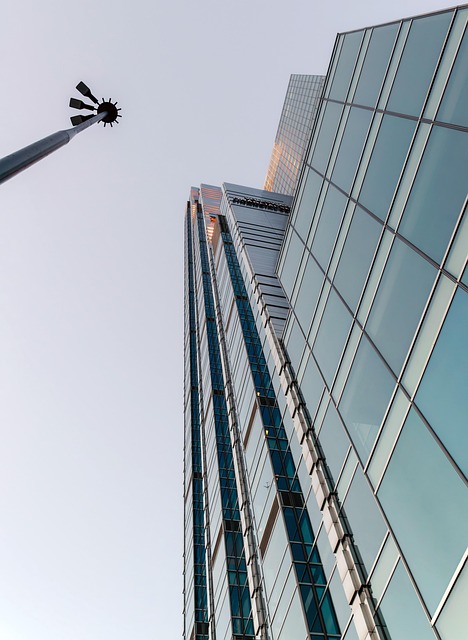 altotallEse jugador de básquet es bien alto.That basketball player is really tall.
- bajoshort (height)Mi hermano es bajo, pero muy rápido.My brother is short, but very fast.
 anchowideEl pasillo es muy ancho para que pasen dos carritos.The aisle is very wide for two carts to pass.
 estrechonarrowEl callejón es estrecho, no cabe el coche.The alley is narrow, the car doesn't fit.
 gordofatEl gato está gordo de tanto comer.The cat is fat from eating so much.
 delgadothinElla está muy delgada después de la dieta.She is very thin after the diet.
- rojoredMe gusta tu camisa roja, se ve bien.I like your red shirt, it looks good.
 azulblueEl cielo está azul hoy, perfecto para salir.The sky is blue today, perfect to go out.
- verdegreenLos chiles verdes pican bastante.Green chiles are quite spicy.
 amarilloyellowEl autobús amarillo pasa por aquí.The yellow bus passes by here.
- negroblackUsa zapatos negros para la entrevista.Wear black shoes for the interview.
- blancowhiteLa pared blanca necesita una manita de pintura.The white wall needs a touch of paint.
- grisgrayEl día está gris, parece que va a llover.The day is gray, looks like it's going to rain.
- marrónbrownPrefiero el pan marrón, es más sano.I prefer brown bread, it's healthier.
 rosapinkCompré una blusa rosa para la boda.I bought a pink blouse for the wedding.
- naranjaorangeEl jugo de naranja está bien frío.The orange juice is really cold.
 moradopurpleSu mochila morada es muy bonita.Her purple backpack is very pretty.
 clarolight (color)Pon un color claro en la sala para que se vea amplia.Put a light color in the living room so it looks spacious.
 oscurodarkEl cuarto está oscuro, enciende la luz.The room is dark, turn on the light.
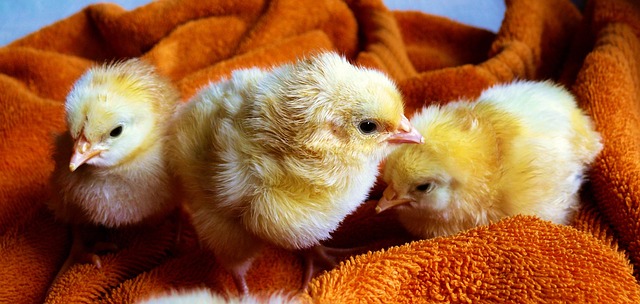 jovenyoungMi primo es muy joven, apenas tiene quince años.My cousin is very young, he's only fifteen.
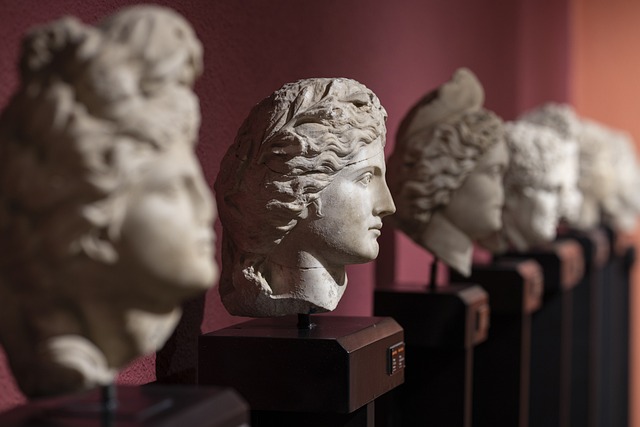 antiguoancientEse templo antiguo está en el centro de la ciudad.That ancient temple is in the city center.
 modernomodernEl edificio moderno tiene ventanas de piso a techo.The modern building has floor-to-ceiling windows.
 frescofreshCompré pan fresco en la panadería de la esquina.I bought fresh bread at the corner bakery.
 calientehotCuidado, el café está caliente y te puedes quemar.Careful, the coffee is hot and you can burn yourself.
- fríocoldHace mucho frío, mejor me pongo un suéter.It's very cold, I better put on a sweater.
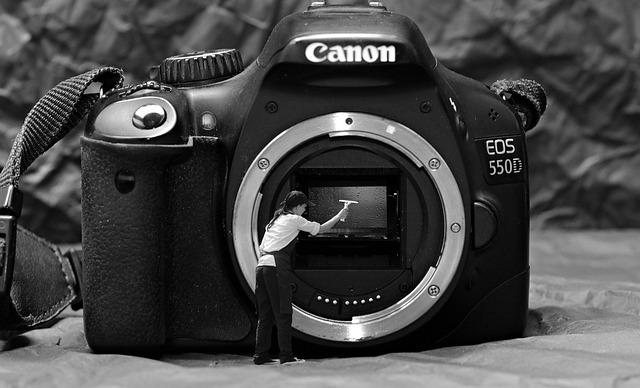 limpiocleanDejé la cocina bien limpia después de cocinar.I left the kitchen really clean after cooking.
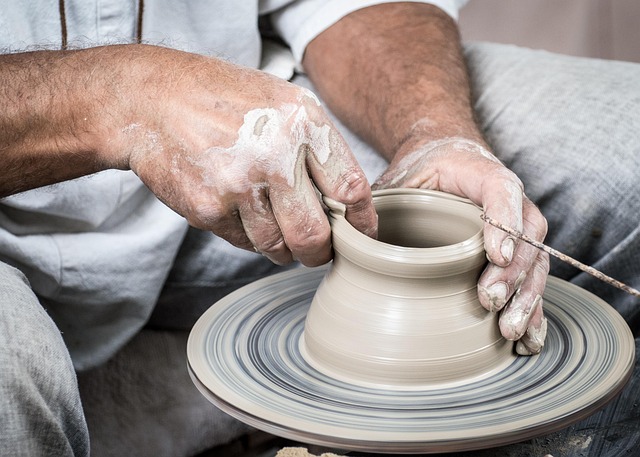 suciodirtyNo toques el piso, está sucio de barro.Don't touch the floor, it's dirty with mud.
 llenofullEl camión va lleno, mejor esperamos el siguiente.The bus is full, let's wait for the next one.
 vacíoemptyEl refri está vacío, hay que ir al súper.The fridge is empty, we need to go to the supermarket.
 rotobrokenSe me cayó el celular y ahora la pantalla está rota.I dropped my phone and now the screen is broken.
 enterowholeMe comí el pastel entero, no dejé ni un pedazo.I ate the whole cake, I didn't leave a piece.
 completocompleteEl reporte está completo, ya solo falta firmarlo.The report is complete, we just need to sign it.
 usadousedCompré un coche usado que está en buen estado.I bought a used car that's in good condition.
 mojadowetLa toalla está mojada, busca otra en el clóset.The towel is wet, look for another one in the closet.
 secodryEl pelo se me secó rápido con el sol.My hair dried quickly in the sun.
 durohardEste pan está duro, ya no sirve para comer.This bread is hard, it's no good to eat.
 blandosoftLa almohada está muy blanda, prefiero una más firme.The pillow is too soft, I prefer a firmer one.
 suavesmooth (soft)La mesa de madera está suave al tacto.The wooden table is smooth to the touch.
 dulcesweetEl mango está dulce, perfecto para el postre.The mango is sweet, perfect for dessert.
 saladosaltyEstas papitas están muy saladas, no las aguanto.These chips are too salty, I can't stand them.
 amargobitterEl café sin azúcar me sabe muy amargo.Coffee without sugar tastes too bitter to me.
 ácidosourEl limón es ácido, mejor le pongo azúcar.The lemon is sour, better add some sugar.
 picantespicyLa salsa está picante, pero me encanta.The salsa is spicy, but I love it.
 deliciosodeliciousEl mole de mi abuela está delicioso, no puedes perderte.My grandma's mole is delicious, you can't miss it.
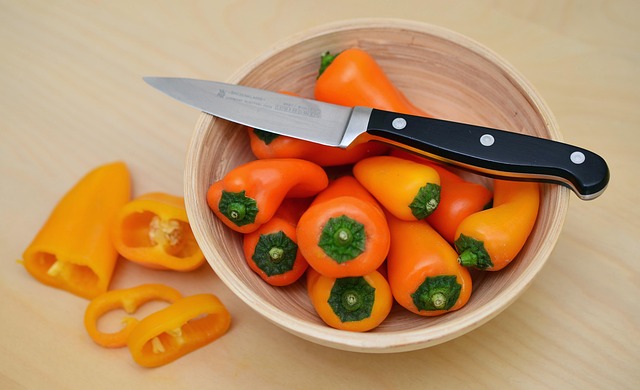 ricorich (yummy)Este mole está bien rico, ¿quién lo hizo?This mole is really tasty, who made it?
 cercanonearMi casa queda muy cercana al metro.My house is very near the metro.
 lejanofarEse pueblito está bien lejano de aquí.That little town is really far from here.
 próximonext (nearby)La próxima semana empiezo el curso.Next week I start the course.
 profundodeepEl pozo es muy profundo, ten cuidado.The well is very deep, be careful.
 rápidofastEl tren rápido llega en diez minutos.The fast train arrives in ten minutes.
 lentoslowEste internet está muy lento hoy.This internet is very slow today.
 ligerolight (not heavy)Trae una chamarra ligera por si hace frío.Bring a light jacket in case it's cold.
 pesadoheavyNo cargues ese bulto, está muy pesado.Don't carry that bundle, it's very heavy.
- fuertestrongMi abuela es fuerte, camina kilómetros.My grandma is strong, she walks kilometers.
- débilweakEl café está muy débil, mejor otro.The coffee is too weak, better another one.
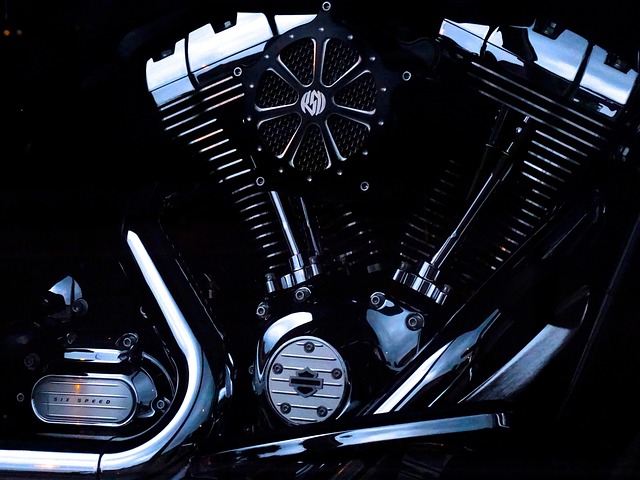 brillanteshiny (bright)Los zapatos brillantes se ven elegantes.The shiny shoes look elegant.
 caroexpensiveEse restaurante está muy caro para mí.That restaurant is too expensive for me.
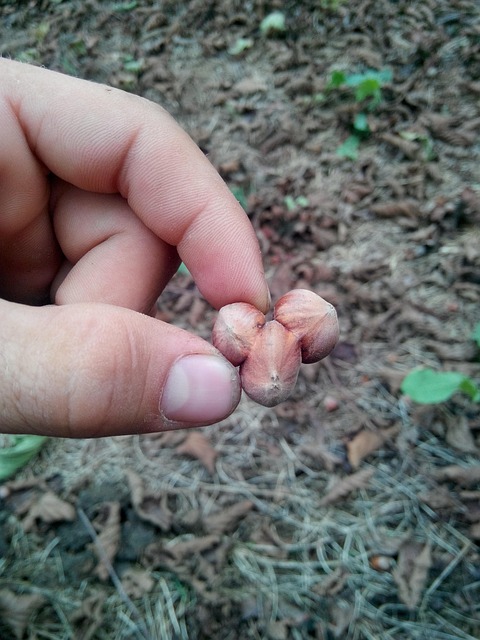 baratocheapEn el tianguis venden ropa bien barata.At the street market they sell really cheap clothes.
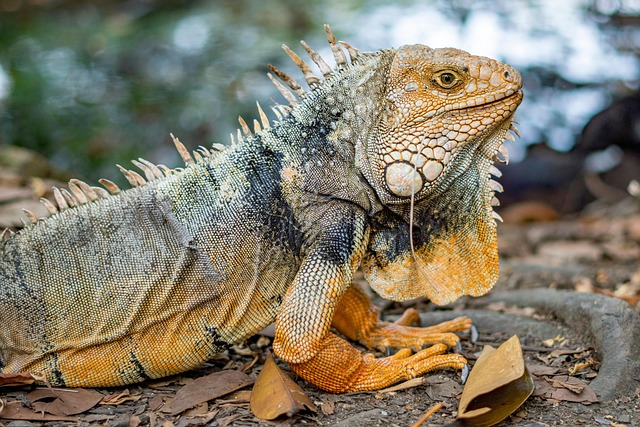 gratisfree (no cost)La entrada al museo es gratis los domingos.Museum entry is free on Sundays.
 enormehugeHay una fila enorme en el banco.There's a huge line at the bank.
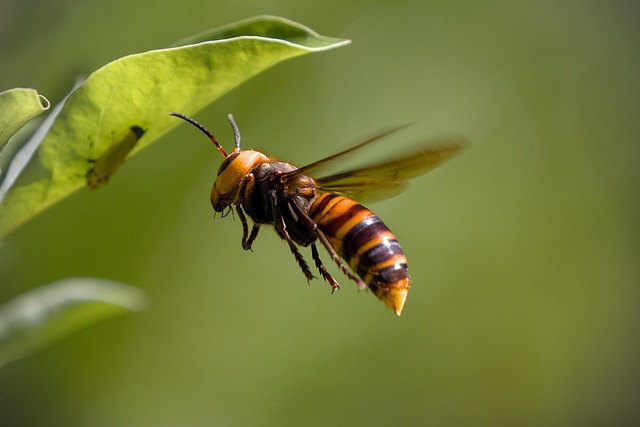 gigantegiantEse edificio gigante domina toda la calle.That giant building dominates the whole street.
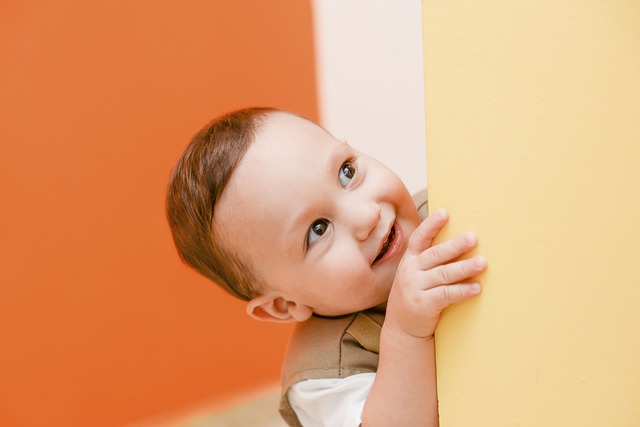 felizhappyMe siento feliz cuando veo a mis amigos.I feel happy when I see my friends.
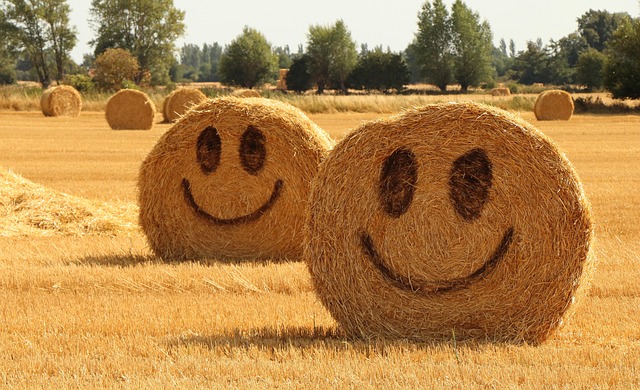 contentoglad / contentEstoy contento con el resultado del examen.I'm glad with the exam result.
 tristesadLa película terminó y me dejó triste.The movie ended and it left me sad.
 alegrecheerfulSiempre está alegre con su música.She's always cheerful with her music.
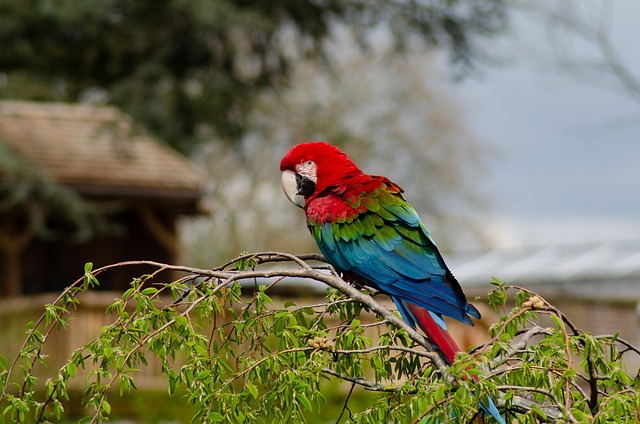 amablekindEl mesero fue muy amable con nosotros.The waiter was very kind to us.
 simpáticonice / friendlyMi vecino es bien simpático, te cae bien.My neighbor is really friendly, you'll like him.
 inteligenteintelligent / smartEsa niña es muy inteligente para su edad.That girl is very smart for her age.
- listoclever / readyYa estoy listo para salir, ¿vamos?I'm ready to go out, shall we?
 tontosilly / dumbNo seas tonto, claro que te voy a ayudar.Don't be silly, of course I'll help you.
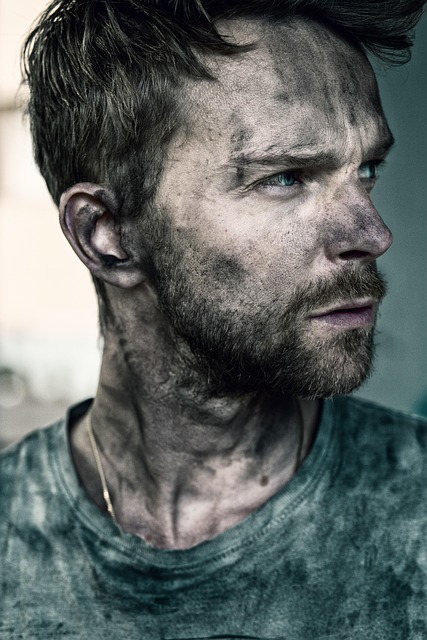 valientebraveElla fue muy valiente al hablar frente a todos.She was very brave to speak in front of everyone.
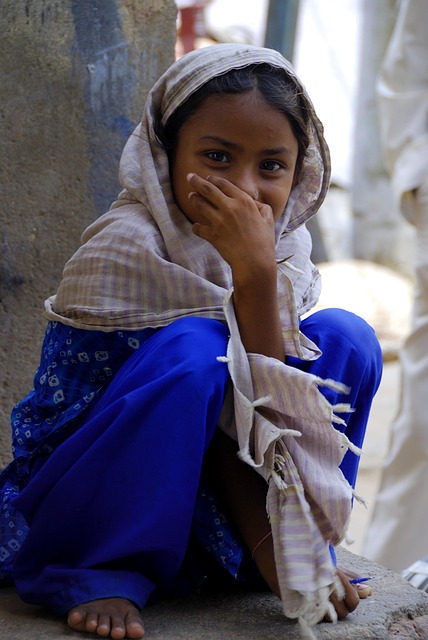 tímidoshyMi primo es tímido y casi no habla en las fiestas.My cousin is shy and barely talks at parties.
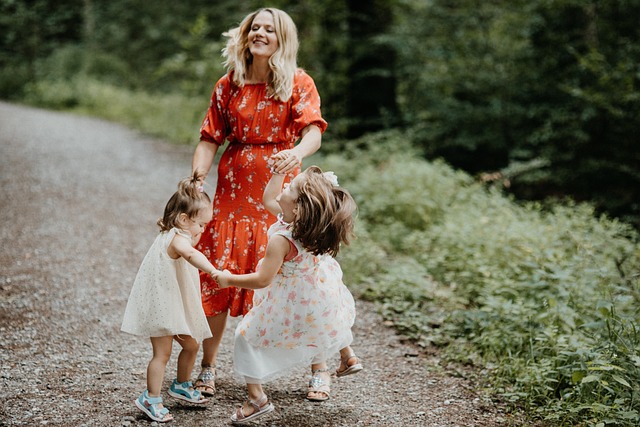 divertidofun / funnyLa película estuvo muy divertida, nos reímos mucho.The movie was really fun, we laughed a lot.
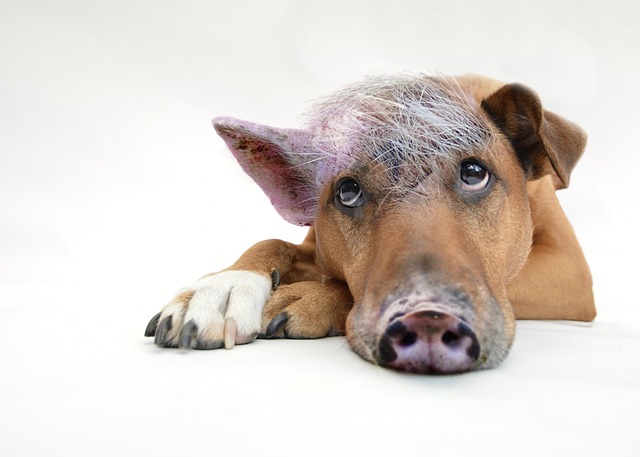 graciosofunny / amusingEse chiste que contaste estuvo muy gracioso.That joke you told was really funny.
 aburridoboring / boredLa clase de historia fue aburrida, casi me duermo.The history class was boring, I almost fell asleep.
- cansadotiredLlegué cansado del trabajo y solo quiero dormir.I got home tired from work and just want to sleep.
 enfadadoangryEstá enfadado porque no le avisaste de la junta.He's angry because you didn't tell him about the meeting.
 enojadoangry / annoyedMi mamá está enojada porque llegué tarde otra vez.My mom is annoyed because I arrived late again.
 nerviosonervousMe pongo nervioso antes de cada examen.I get nervous before every exam.
 tranquilocalmDespués del masaje me sentí muy tranquilo.After the massage I felt very calm.
 preocupadoworriedEstoy preocupado por el resultado de la entrevista.I'm worried about the result of the interview.
 soloalone / lonelyVive solo desde que se mudó a la ciudad.He lives alone since he moved to the city.
- trabajadorhardworkingMi hermana es muy trabajadora, siempre saca buenas notas.My sister is very hardworking, she always gets good grades.
 perezosolazyNo seas perezoso, levanta los platos de la mesa.Don't be lazy, pick up the dishes from the table.
 responsableresponsibleEs muy responsable, siempre paga sus deudas a tiempo.He's very responsible, he always pays his debts on time.
 serioseriousPonte serio, esto es importante para el negocio.Get serious, this is important for the business.
- lococrazyEstá loco por querer saltar del puente al río.He's crazy for wanting to jump off the bridge into the river.
 rarostrange / weirdHuele raro la comida, mejor no la comas.The food smells weird, better don't eat it.
 normalnormalHoy es un día normal, no pasa nada especial.Today is a normal day, nothing special happens.
- famosofamousEse cantante es famoso en todo México.That singer is famous all over Mexico.
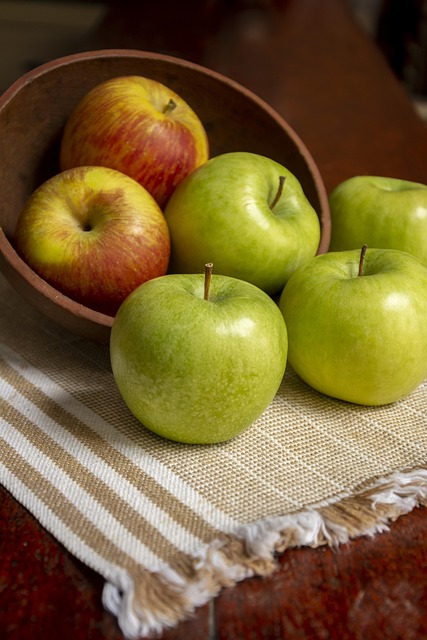 sanohealthyComer frutas y verduras te mantiene sano.Eating fruits and vegetables keeps you healthy.
 enfermosickMi abuelo está enfermo y tiene que ir al doctor.My grandfather is sick and has to go to the doctor.
 pobrepoorLa familia es pobre, pero siempre comparte lo que tiene.The family is poor, but they always share what they have.
- bonitopretty / niceQué bonito vestido traes, te queda muy bien.What a pretty dress you're wearing, it looks great on you.
- bellobeautifulEse atardecer en la playa fue bello.That sunset at the beach was beautiful.
 hermosobeautifulTu jardín se ve hermoso con esas flores.Your garden looks beautiful with those flowers.
- feouglyEl edificio viejo está feo por fuera.The old building looks ugly on the outside.
 guapogood-looking / handsomeMi hermano es guapo y siempre llama la atención.My brother is handsome and always gets attention.
- importanteimportantEs importante llegar temprano a la cita.It's important to arrive early to the appointment.
 necesarionecessaryNecesario comprar más leche antes de que cierre el súper.It's necessary to buy more milk before the supermarket closes.
 útilusefulEsta app es útil para encontrar rutas en la ciudad.This app is useful for finding routes in the city.
 difícildifficultEl examen de matemáticas estuvo difícil, casi no terminé.The math exam was difficult, I almost didn't finish.
 fácileasyHacer esta receta es fácil si sigues los pasos.Making this recipe is easy if you follow the steps.
 sencillosimpleEl proceso para pedir visa es sencillo, solo llenas un formulario.The process to apply for a visa is simple, you just fill out a form.
 simplesimple / plainQuiero un diseño simple, sin muchos colores.I want a simple design, without many colors.
 interesanteinterestingLa película que vimos anoche fue interesante.The movie we watched last night was interesting.
 agradablepleasantEl clima en la mañana es agradable para caminar.The morning weather is pleasant for walking.
 increíbleincredible / amazingIncreíble que hayas terminado todo el proyecto en un día.It's incredible that you finished the whole project in one day.
- genialgreat / awesome¡Genial que puedas venir a la fiesta el sábado!Great that you can come to the party on Saturday!
 excelenteexcellentEl servicio en ese restaurante fue excelente.The service at that restaurant was excellent.
 perfectoperfectTu presentación estuvo perfecta, sin ningún error.Your presentation was perfect, without any mistakes.
 horriblehorribleEl tráfico esta mañana fue horrible, llegué tarde.The traffic this morning was horrible, I arrived late.
 terribleterribleLa noticia del accidente fue terrible para todos.The news of the accident was terrible for everyone.
 peligrosodangerousNo cruces esa calle de noche, es peligroso.Don't cross that street at night, it's dangerous.
 segurosafe / sure¿Estás seguro de que dejaste las llaves en la cocina?Are you sure you left the keys in the kitchen?
 posiblepossibleEs posible que llueva mañana, lleva paraguas.It's possible it will rain tomorrow, bring an umbrella.
 imposibleimpossibleEs imposible terminar todo ese trabajo en una hora.It's impossible to finish all that work in one hour.
 verdaderotrue / realSu historia es verdadera, la vivió en persona.His story is true, he lived it in person.
 falsofalse / fakeEsa bolsa es falso, no es de marca.That bag is fake, it's not brand name.
 realrealEse reloj es real, no es réplica.That watch is real, not a replica.
- ciertocertain / true¿Estás cierto de que dejaste las llaves aquí?Are you certain you left the keys here?
 correctocorrectTu respuesta fue correcta en el examen.Your answer was correct on the exam.
 justofair / justEl juez fue justo con todos los involucrados.The judge was fair with everyone involved.
- librefree (unrestricted)Este fin de semana estoy libre para salir.This weekend I'm free to go out.
 ocupadobusy / occupiedEl baño está ocupado, espera un momento.The bathroom is occupied, wait a moment.
- muchomuch / manyHay mucho tráfico en la avenida ahora.There's a lot of traffic on the avenue now.
 pocolittle / fewTengo poco dinero para gastar este mes.I have little money to spend this month.
 bastanteenough / quite a lotComimos bastante en la fiesta de anoche.We ate quite a lot at the party last night.
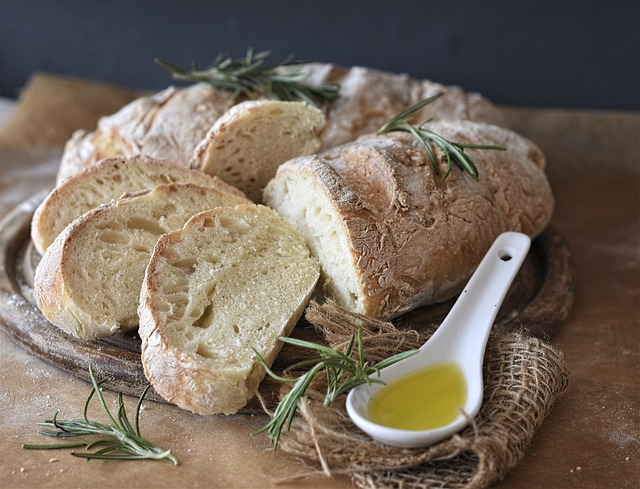 suficientesufficient / enoughYa es suficiente, no quiero más café.That's enough, I don't want more coffee.
 primerofirstEl primero en llegar gana el premio.The first to arrive wins the prize.
 últimolastEl último tren sale a las once.The last train leaves at eleven.
 segundosecondVoy a pedir el segundo plato del menú.I'm going to order the second dish on the menu.
 siguientenext / followingLa siguiente parada es la estación central.The next stop is the central station.
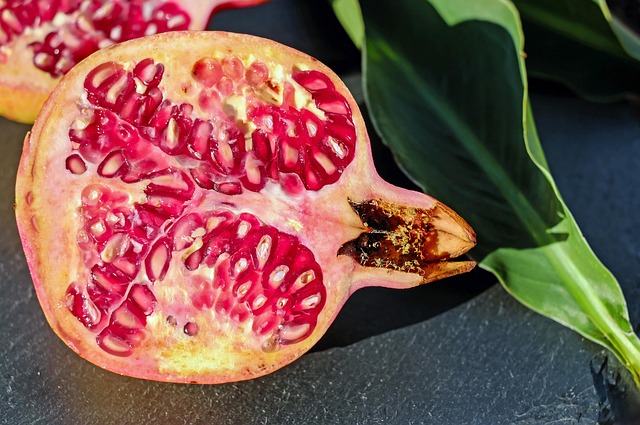 mediohalf / middleCorta la manzana por la mitad, no por medio.Cut the apple in half, not in the middle.
 mismosamePedimos el mismo plato que tú.We ordered the same dish as you.
 igualequal / sameLos dos vestidos son iguales de precio.The two dresses are the same price.
 diferentedifferentSu forma de pensar es diferente a la mía.His way of thinking is different from mine.
 distintodistinct / differentElla tiene un estilo distinto al de su hermana.She has a style distinct from her sister's.
 variosseveralCompré varios libros en la librería ayer.I bought several books at the bookstore yesterday.
 únicounique / onlyEste restaurante es único en toda la ciudad.This restaurant is unique in the whole city.
 comúncommonEs común ver mariachis en el centro.It's common to see mariachis downtown.
 generalgeneralEn general, el clima está agradable hoy.In general, the weather is nice today.
- principalmain / principalLa razón principal es la falta de tiempo.The main reason is lack of time.
Greetings & small talk
- HolaHello / HiHola, ¿cómo estás?Hi, how are you?
- AdiósGoodbyeAdiós, nos vemos el lunes.Goodbye, see you Monday.
- Buenos díasGood morningBuenos días, ¿ya desayunaste?Good morning, did you already have breakfast?
- Buenas tardesGood afternoonBuenas tardes, ¿me puede dar un café?Good afternoon, can you give me a coffee?
- Buenas nochesGood evening / Good nightBuenas noches, apaga la luz al salir.Good night, turn off the light when you leave.
- ¿Cómo estás?How are you? (informal)¿Cómo estás? Hace tiempo que no te veo.How are you? Long time no see.
- ¿Cómo está usted?How are you? (formal)¿Cómo está usted? ¿Le fue bien en el viaje?How are you? Did your trip go well?
- Muy bien, graciasVery well, thank youMuy bien, gracias, y tú, ¿qué me cuentas?Very well, thank you, and you, what's new?
- ¿Y tú?And you? (informal)Yo voy al cine, ¿y tú?I'm going to the movies, and you?
- Bien, ¿y usted?Fine, and you? (formal)Estoy contento, bien, ¿y usted?I'm happy, fine, and you?
- ¿Cómo te llamas?What's your name? (informal)¿Cómo te llamas? No me acuerdo de tu nombre.What's your name? I don't remember your name.
- Me llamo...My name is...Me llamo Lucía, pero mis amigos me dicen Lu.My name is Lucía, but my friends call me Lu.
- Mucho gustoNice to meet youMucho gusto, soy el hermano de Ana.Nice to meet you, I'm Ana's brother.
- ¿De dónde eres?Where are you from? (informal)¿De dónde eres? ¿De la Ciudad de México?Where are you from? From Mexico City?
- Hasta luegoSee you laterTengo que irme, hasta luego.I have to go, see you later.
- Nos vemosSee you / See you aroundNos vemos en la fiesta el sábado.See you at the party on Saturday.
- Que tengas un buen díaHave a nice day (informal)Que tengas un buen día en el trabajo.Have a nice day at work.
- ¿Qué tal?How's it going?¿Qué tal? ¿Cómo te fue en el examen?How's it going? How did the exam go?
Directions & getting around
- ¿Dónde está el baño?Where is the bathroom?¿Dónde está el baño? Necesito ir rápido.Where is the bathroom? I need to go quickly.
- ¿Cómo llego a...?How do I get to...?¿Cómo llego a la estación de autobuses?How do I get to the bus station?
- ¿Dónde está...?Where is...?¿Dónde está la farmacia más cercana?Where is the nearest pharmacy?
- ¿Está lejos?Is it far?¿Está lejos el supermercado de aquí?Is the supermarket far from here?
- ¿Está cerca de aquí?Is it near here?¿Está cerca de aquí el parque?Is the park near here?
- Estoy perdido.I'm lost.Estoy perdido, ¿me puedes ayudar a encontrar la calle Juárez?I'm lost, can you help me find Juárez street?
- Doble a la izquierda.Turn left.Doble a la izquierda en el semáforo y siga derecho.Turn left at the traffic light and go straight.
- Doble a la derecha.Turn right.En la avenida, dobla a la derecha y verás el café.On the avenue, turn right and you'll see the café.
- Siga derecho.Go straight.Para llegar al museo, siga derecho por esta calle.To get to the museum, go straight down this street.
- ¿Me puede ayudar?Can you help me?¿Me puede ayudar con esta bolsa pesada?Can you help me with this heavy bag?
- ¿Qué autobús va al centro?Which bus goes downtown?¿Qué autobús va al centro desde aquí?Which bus goes downtown from here?
- ¿Dónde está la parada del autobús?Where is the bus stop?¿Dónde está la parada del autobús más cercana?Where is the nearest bus stop?
- ¿Dónde está la estación de tren?Where is the train station?¿Dónde está la estación de tren para ir a Puebla?Where is the train station to go to Puebla?
- ¿Dónde puedo tomar un taxi?Where can I get a taxi?¿Dónde puedo tomar un taxi por la noche?Where can I get a taxi at night?
Phone, messages & online
- ¿Aló?Hello? (answering the phone)¿Aló? Sí, dígame.Hello? Yes, tell me.
- ¿Quién habla?Who's calling?¿Quién habla? No reconozco la voz.Who's calling? I don't recognize the voice.
- ¿Me escuchas?Can you hear me?¿Me escuchas? Hay mucho ruido aquí.Can you hear me? There's a lot of noise here.
- No te escucho bien.I can't hear you well.No te escucho bien, habla más fuerte.I can't hear you well, speak louder.
- Espera un momento.Hold on a moment.Espera un momento, voy a buscar mi cartera.Hold on a moment, I'll go get my wallet.
- Ya te llamo.I'll call you back.Ya te llamo cuando salga del trabajo.I'll call you back when I leave work.
- Te llamo más tarde.I'll call you later.Te llamo más tarde, estoy en clase.I'll call you later, I'm in class.
- Mándame un mensaje.Send me a message.Mándame un mensaje cuando llegues.Send me a message when you arrive.
- ¿Cuál es tu número?What's your number?¿Cuál es tu número? Te marco mañana.What's your number? I'll call you tomorrow.
- ¿Me das tu número?Can you give me your number?¿Me das tu número para coordinar?Can you give me your number to coordinate?
- ¿Cuál es tu Instagram?What's your Instagram?¿Cuál es tu Instagram? Te sigo.What's your Instagram? I'll follow you.
- Agrégame.Add me.Agrégame a tu lista de contactos.Add me to your contact list.
- ¿Cuál es la contraseña del wifi?What's the wifi password?¿Cuál es la contraseña del wifi? No me conecta.What's the wifi password? It won't connect.
- No tengo señal.I don't have any signal.No tengo señal en este elevador.I don't have any signal in this elevator.
- Se me acabó la batería.My battery's dead.Se me acabó la batería y no traje cargador.My battery's dead and I didn't bring a charger.
- ¿Tienes WhatsApp?Do you have WhatsApp?¿Tienes WhatsApp? Te mando la foto.Do you have WhatsApp? I'll send you the photo.
- ¿Me puedes llamar?Can you call me?¿Me puedes llamar? Estoy manejando.Can you call me? I'm driving.
Restaurant & ordering
- Una mesa para dos, por favor.A table for two, please.Una mesa para dos, por favor, junto a la ventana.A table for two, please, by the window.
- El menú, por favor.The menu, please.El menú, por favor, para ver las opciones.The menu, please, to see the options.
- ¿Qué me recomienda?What do you recommend?¿Qué me recomienda para cenar?What do you recommend for dinner?
- Quisiera ordenar, por favor.I'd like to order, please.Quisiera ordenar, por favor, ya estoy listo.I'd like to order, please, I'm ready.
- Para mí, esto, por favor.For me, this one, please.Para mí, esto, por favor, con pollo.For me, this one, please, with chicken.
- La cuenta, por favor.The bill, please.La cuenta, por favor, cuando pueda.The bill, please, whenever you can.
- Un vaso de agua, por favor.A glass of water, please.Un vaso de agua, por favor, sin hielo.A glass of water, please, no ice.
- Un café, por favor.A coffee, please.Un café, por favor, bien cargado.A coffee, please, really strong.
- Soy vegetariano.I'm vegetarian.Soy vegetariano, ¿qué me sugieres?I'm vegetarian, what do you suggest?
- ¿Tienen una mesa disponible?Do you have a table available?¿Tienen una mesa disponible para cuatro?Do you have a table available for four?
- ¿Está incluido el servicio?Is service included?¿Está incluido el servicio en la cuenta?Is service included in the bill?
- ¿Aceptan tarjeta?Do you accept card?¿Aceptan tarjeta o solo efectivo?Do you accept card or only cash?
Shopping & money
- ¿Cuánto cuesta?How much is it?¿Cuánto cuesta esa chamarra de ahí?How much is that jacket over there?
- ¿Cuánto es?How much is it? (total)¿Cuánto es en total con todo?How much is it in total with everything?
- Solo estoy mirando, gracias.I'm just looking, thanks.Solo estoy mirando, gracias, luego decido.I'm just looking, thanks, I'll decide later.
- ¿Puedo pagar con tarjeta?Can I pay by card?¿Puedo pagar con tarjeta o solo efectivo?Can I pay by card or only cash?
- Voy a pagar en efectivo.I'll pay in cash.Voy a pagar en efectivo, no traigo la tarjeta.I'll pay in cash, I don't have my card.
- Es muy caro.That's very expensive.Es muy caro, mejor busco otra opción.That's very expensive, I'd better look for another option.
- ¿Me lo puedo probar?Can I try it on?¿Me lo puedo probar en el vestidor?Can I try it on in the fitting room?
- ¿Tiene una talla más pequeña?Do you have a smaller size?¿Tiene una talla más pequeña? Esta me queda grande.Do you have a smaller size? This one is big on me.
- ¿Tiene una talla más grande?Do you have a bigger size?¿Tiene una talla más grande? Esta me aprieta.Do you have a bigger size? This one is tight.
- ¿Hay algún descuento?Is there a discount?¿Hay algún descuento si compro dos?Is there a discount if I buy two?
- ¿Me da un recibo, por favor?Can I have a receipt, please?¿Me da un recibo, por favor? Lo necesito para la empresa.Can I have a receipt, please? I need it for work.
- Me lo llevo.I'll take it.Me lo llevo, ¿me lo envuelve para regalo?I'll take it, can you wrap it as a gift?
- Solo eso, gracias.That's all, thanks.Solo eso, gracias, no necesito nada más.That's all, thanks, I don't need anything else.
- ¿Dónde puedo pagar?Where can I pay?¿Dónde puedo pagar? No veo la caja.Where can I pay? I don't see the register.
Time, dates & plans
- ¿Qué hora es?What time is it?¿Qué hora es? Se me hizo tarde.What time is it? I'm running late.
- Son las ocho.It's eight o'clock.Son las ocho, ya casi llega el camión.It's eight o'clock, the bus is almost here.
- ¿A qué hora?At what time?¿A qué hora empieza la junta?At what time does the meeting start?
- Nos vemos a las ocho.See you at eight.Nos vemos a las ocho en el café de siempre.See you at eight at the usual café.
- ¿Estás libre mañana?Are you free tomorrow?¿Estás libre mañana para almorzar juntos?Are you free tomorrow to have lunch together?
- Estoy ocupado.I'm busy.Estoy ocupado con la tarea, no puedo salir.I'm busy with homework, I can't go out.
- ¿Qué vas a hacer más tarde?What are you doing later?¿Qué vas a hacer más tarde después del gym?What are you doing later after the gym?
- Vamos a vernos a las cinco.Let's meet at five.Vamos a vernos a las cinco en el parque.Let's meet at five at the park.
- ¿Qué día es hoy?What day is it today?¿Qué día es hoy? Se me olvidó el calendario.What day is it today? I forgot the calendar.
- Hoy es lunes.Today is Monday.Hoy es lunes, mejor me quedo en casa.Today is Monday, better I stay home.
- en la mañanain the morningSiempre corro en la mañana antes de bañarme.I always run in the morning before showering.
- en la tardein the afternoonVamos a nadar en la tarde cuando baje el sol.We'll go swimming in the afternoon when the sun goes down.
- en la nochein the evening/at nightSalgo a correr en la noche cuando hace fresco.I go running at night when it's cool.
- ¿Tienes tiempo?Do you have time?¿Tienes tiempo para revisar este documento?Do you have time to review this document?
- Llego tarde.I'm running late.Llego tarde, espérame en la entrada.I'm running late, wait for me at the entrance.
Feelings, opinions & reactions
- Me gustaI like itMe gusta el café con leche por la mañana.I like coffee with milk in the morning.
- No me gustaI don't like itNo me gusta el tráfico en la ciudad.I don't like the traffic in the city.
- Me encantaI love itMe encanta la música de esa banda.I love that band's music.
- Estoy de acuerdoI agreeEstoy de acuerdo con tu plan para el fin de semana.I agree with your plan for the weekend.
- No estoy de acuerdoI disagreeNo estoy de acuerdo con subir la renta otra vez.I disagree with raising the rent again.
- Creo que síI think so¿Vas a venir mañana? Creo que sí.Are you coming tomorrow? I think so.
- Creo que noI don't think so¿Terminaste el reporte? Creo que no.Did you finish the report? I don't think so.
- Pienso que...I think that...Pienso que deberíamos salir más temprano.I think that we should leave earlier.
- En mi opinión...In my opinion...En mi opinión, esa película está sobrevalorada.In my opinion, that movie is overrated.
- Estoy felizI'm happyEstoy feliz porque aprobé el examen.I'm happy because I passed the exam.
- Estoy tristeI'm sadEstoy triste por lo que pasó con mi perro.I'm sad about what happened with my dog.
- Estoy cansadoI'm tiredEstoy cansado de trabajar tanto esta semana.I'm tired of working so much this week.
- ¡Qué bien!That's great!¡Qué bien que ya tienes trabajo!That's great that you already have a job!
- ¡Qué lástima!What a pity!¡Qué lástima que no pudiste venir a la fiesta!What a pity that you couldn't come to the party!
- No estoy seguroI'm not sureNo estoy seguro si el tren sale a las ocho.I'm not sure if the train leaves at eight.
- Tienes razónYou're rightTienes razón, el restaurante está cerrado hoy.You're right, the restaurant is closed today.
Travel, hotel & transport
- Tengo una reservación.I have a reservation.Tengo una reservación a nombre de López.I have a reservation under the name López.
- Una habitación para dos noches, por favor.A room for two nights, please.Una habitación para dos noches, por favor, con cama grande.A room for two nights, please, with a king bed.
- ¿A qué hora es la salida?What time is checkout?¿A qué hora es la salida del hotel?What time is checkout at the hotel?
- ¿Dónde está el aeropuerto?Where is the airport?¿Dónde está el aeropuerto? Me perdí en esta zona.Where is the airport? I got lost in this area.
- Un boleto para...A ticket to...Un boleto para Guadalajara, por favor, de ida.A ticket to Guadalajara, please, one-way.
- ¿A qué hora sale?What time does it leave?¿A qué hora sale el camión a Puebla?What time does the bus to Puebla leave?
- ¿Está ocupado este asiento?Is this seat taken?¿Está ocupado este asiento o puedo sentarme?Is this seat taken or can I sit here?
- ¿Dónde está mi equipaje?Where is my luggage?¿Dónde está mi equipaje? No llegó con el vuelo.Where is my luggage? It didn't arrive with the flight.
- ¿Tiene habitaciones disponibles?Do you have any rooms available?¿Tiene habitaciones disponibles para esta noche?Do you have any rooms available for tonight?
- ¿Cuánto cuesta por noche?How much is it per night?¿Cuánto cuesta por noche el cuarto con vista al mar?How much is the room with an ocean view per night?
- ¿El desayuno está incluido?Is breakfast included?¿El desayuno está incluido en el precio del hotel?Is breakfast included in the hotel price?
- ¿Hay wifi en la habitación?Is there wifi in the room?¿Hay wifi en la habitación o solo en el lobby?Is there wifi in the room or only in the lobby?
- ¿A qué hora llega?What time does it arrive?¿A qué hora llega el camión a la central?What time does the bus arrive at the terminal?
- ¿Cuánto cuesta el boleto?How much is the ticket?¿Cuánto cuesta el boleto para el museo?How much is the ticket for the museum?
- Necesito un taxi al aeropuerto.I need a taxi to the airport.Necesito un taxi al aeropuerto, por favor.I need a taxi to the airport, please.
Health & doctor
- No me siento bienI don't feel wellNo me siento bien para salir hoy.I don't feel well to go out today.
- Estoy enfermoI'm sickEstoy enfermo y no fui a trabajar.I'm sick and didn't go to work.
- Me duele aquíIt hurts hereMe duele aquí en el brazo derecho.It hurts here in my right arm.
- Me duele muchoIt hurts a lotMe duele mucho la pierna al caminar.It hurts a lot in my leg when walking.
- Me duele la cabezaI have a headacheMe duele la cabeza desde esta mañana.I have a headache since this morning.
- Me duele el estómagoI have a stomachacheMe duele el estómago después de comer.I have a stomachache after eating.
- Me duele la gargantaI have a sore throatMe duele la garganta y no puedo hablar.I have a sore throat and can't talk.
- Tengo fiebreI have a feverTengo fiebre y me siento muy débil.I have a fever and feel very weak.
- Necesito un médicoI need a doctorNecesito un médico porque me siento mal.I need a doctor because I feel bad.
- Necesito medicinaI need medicineNecesito medicina para el dolor de cabeza.I need medicine for the headache.
- ¿Dónde está la farmacia?Where's the pharmacy?¿Dónde está la farmacia más cercana?Where's the nearest pharmacy?
- ¿Dónde está el hospital?Where's the hospital?¿Dónde está el hospital para urgencias?Where's the hospital for emergencies?
- Soy alérgico a...I'm allergic to...Soy alérgico a los mariscos, no puedo comerlos.I'm allergic to seafood, I can't eat it.
- ¿Cuánto tiempo tardará?How long will it take?¿Cuánto tiempo tardará en llegar la ayuda?How long will it take for help to arrive?
- Es una emergenciaIt's an emergencyEs una emergencia, llame a un doctor ahora.It's an emergency, call a doctor now.
- Llame a una ambulanciaCall an ambulanceLlame a una ambulancia, se desmayó aquí.Call an ambulance, he fainted here.
Problems, help & emergencies
- ¡Ayuda!Help!¡Ayuda! Se me cayó la bolsa al río.Help! My bag fell into the river.
- Estoy perdidoI'm lost (said by a man)Estoy perdido, ¿me puedes indicar la salida?I'm lost, can you point me to the exit?
- Estoy perdidaI'm lost (said by a woman)Estoy perdida, no encuentro la calle de tu casa.I'm lost, I can't find the street to your house.
- No entiendoI don't understandNo entiendo por qué no llegó el paquete.I don't understand why the package didn't arrive.
- ¿Puede repetir, por favor?Can you repeat that, please? (formal)¿Puede repetir, por favor? No escuché bien.Can you repeat that, please? I didn't hear well.
- Más despacio, por favorSlower, pleaseMás despacio, por favor, que voy anotando.Slower, please, I'm writing it down.
- ¿Puede hablar más despacio?Can you speak more slowly? (formal)¿Puede hablar más despacio? Es que no le entiendo.Can you speak more slowly? I don't understand you.
- No hablo bien españolI don't speak Spanish wellNo hablo bien español, pero intento.I don't speak Spanish well, but I try.
- Hablo un poco de españolI speak a little SpanishHablo un poco de español, lo suficiente para pedir.I speak a little Spanish, enough to order.
- ¿Habla inglés?Do you speak English? (formal)¿Habla inglés? Necesito ayuda con esto.Do you speak English? I need help with this.
- Llame a la policíaCall the police (formal)Llame a la policía, hay un accidente afuera.Call the police, there's an accident outside.
- Perdí mi pasaporteI lost my passportPerdí mi pasaporte en el metro, no sé qué hacer.I lost my passport on the subway, I don't know what to do.
- Perdí mi teléfonoI lost my phonePerdí mi teléfono en el cine, ayúdame a buscarlo.I lost my phone at the movies, help me look for it.
- Me robaronI was robbed / They robbed meMe robaron la cartera en el camión.They robbed me of my wallet on the bus.
- ¡Cuidado!Be careful! / Watch out!¡Cuidado! Ese escalón está flojo.Watch out! That step is loose.
- ¿Cómo se dice... en español?How do you say... in Spanish?Oye, ¿cómo se dice 'strawberry' en español?Hey, how do you say 'strawberry' in Spanish?
- No séI don't knowNo sé dónde dejé las llaves.I don't know where I left the keys.
Work & meetings
- Programemos una reuniónLet's schedule a meetingProgramemos una reunión para el lunes por la tarde.Let's schedule a meeting for Monday afternoon.
- ¿Cuándo le viene bien?When works for you? (formal)¿Cuándo le viene bien para hablar del contrato?When works for you to talk about the contract?
- Te envío un correoI'll send you an emailTe envío un correo con los detalles del proyecto.I'll send you an email with the project details.
- ¿Podemos reprogramar la reunión?Can we reschedule the meeting?¿Podemos reprogramar la reunión para el jueves?Can we reschedule the meeting for Thursday?
- ¿Cuál es la fecha límite?What's the deadline?¿Cuál es la fecha límite para entregar el informe?What's the deadline to submit the report?
- Estoy de acuerdo con la propuestaI agree with the proposalEstoy de acuerdo con la propuesta de reducir costos.I agree with the proposal to reduce costs.
- Déjame verificarLet me checkDéjame verificar si tenemos el producto en stock.Let me check if we have the product in stock.
- Te aviso más tardeI'll get back to youTe aviso más tarde cuando salga del dentista.I'll get back to you later when I leave the dentist.
- Un gusto trabajar contigoNice working with youUn gusto trabajar contigo, espero que coincidamos pronto.Nice working with you, hope we cross paths soon.
- ¿Tienes un minuto?Do you have a minute?¿Tienes un minuto para revisar este contrato?Do you have a minute to review this contract?
- Estoy en una reuniónI'm in a meetingEstoy en una reunión, te marco luego.I'm in a meeting, I'll call you later.
- ¿Puedes enviarme el archivo?Can you send me the file?¿Puedes enviarme el archivo por correo?Can you send me the file by email?
- Lo reviso y te digoI'll review it and let you knowLo reviso y te digo si hay algún problema.I'll review it and let you know if there's any issue.
- Quedamos para mañanaLet's meet tomorrow / We're set for tomorrowQuedamos para mañana en el café de siempre.We're set for tomorrow at the usual café.
- Gracias por tu tiempoThanks for your timeGracias por tu tiempo, me ayudaste mucho.Thanks for your time, you helped me a lot.
Social, making friends & flirting
- ¿Quieres ir por un trago?Do you want to go for a drink?¿Quieres ir por un trago después del trabajo?Do you want to go for a drink after work?
- ¿Te invito un café?Can I buy you a coffee?¿Te invito un café en esa cafetería nueva?Can I buy you a coffee at that new café?
- Esto es muy divertido.This is really fun.Esto es muy divertido, deberíamos hacerlo más seguido.This is really fun, we should do it more often.
- Eres muy simpático.You're really nice.Eres muy simpático, me cae bien tu forma de ser.You're really nice, I like your personality.
- Me gusta pasar tiempo contigo.I like spending time with you.Me gusta pasar tiempo contigo, siempre me haces reír.I like spending time with you, you always make me laugh.
- ¿Salimos algún día?Should we hang out sometime?¿Salimos algún día a caminar por el parque?Should we hang out sometime and walk in the park?
- ¿Qué te gusta hacer?What do you like to do?¿Qué te gusta hacer los fines de semana?What do you like to do on weekends?
- Me caes muy bien.I really like you (as a person).Me caes muy bien, eres de confianza.I really like you as a person, you're trustworthy.
- ¿Te gustaría salir conmigo?Would you like to go out with me?¿Te gustaría salir conmigo este sábado al cine?Would you like to go out with me this Saturday to the movies?
- Encantado de conocerte.Nice to meet you.Encantado de conocerte, me habían hablado bien de ti.Nice to meet you, they had told me good things about you.
Connectors and transitions
 por lo tantotherefore (standard)therefore — formal, logical consequence, often after a semicolon: 'No tenemos suficiente dinero; por lo tanto, debemos esperar.' Writing and argument; in conversation 'así que' does this job.Por lo tanto, la decisión es tuya.Therefore, the decision is yours.
 por finfinally / at lastUse it before the conjugated verb or at the end of the sentence to express relief that something expected has occurred.Por fin terminé la tarea de matemáticas.Finally I finished the math homework.
 al finalin the endPlace it at the end or beginning of the sentence to indicate the ultimate outcome, not a sequence of events.Al final, decidimos quedarnos en casa.In the end, we decided to stay home.
 quizásmaybe (neutral)It triggers the subjunctive in the verb that follows when it precedes the verb, but the indicative if placed after the verb.Quizás vayamos al cine mañana si no hay tráfico.Maybe we'll go to the movies tomorrow if there's no traffic.
 tal vezperhaps (slightly formal)It can take either indicative or subjunctive, but the subjunctive is more common when it precedes the verb in formal speech.Tal vez vaya mañana.Maybe I'll go tomorrow.
 en finin short / anywayUse it at the start of a clause, followed by a comma, to summarize or dismiss a topic and move on.En fin, todo salió bien.Anyway, it all worked out.
 otra vezagain (plain repetition)Place it immediately after the verb or at the end of the sentence to mean 'again', not before the verb.Otra vez se le olvidó traer el dinero.Again he forgot to bring the money.
 de hechoin factPlace it at the beginning of a clause, followed by a comma, to introduce a statement that reinforces or exemplifies the previous one.De hecho, tiene razón.In fact, he's right.
 por ciertoby the way (topic shift)Use it at the start of a sentence or clause, followed by a comma, to introduce an unrelated or additional remark.Por cierto, ¿viste el mensaje que te mandé?By the way, did you see the message I sent you?
 por suerteluckilyPlace it at the beginning of the clause, followed by a comma, to express that a positive outcome was fortunate, not planned.Por suerte, encontré un taxi en la esquina.Luckily, I found a taxi on the corner.
 en realidadactually / in realityPlace it at the start of a clause to correct a previous statement, and it often pairs with 'pero' to contrast what was said before.En realidad, no me gusta el café tan dulce.Actually, I don't like coffee that sweet.
 en generalin generalUse it before the main verb or at the start of a sentence to mean 'generally speaking,' and it does NOT require a comma when placed before a noun.En general, los mexicanos son muy amables.In general, Mexicans are very friendly.
 por supuestoof course (neutral, standard)of course — fixed phrase; alone as a reply, or with que: 'Por supuesto que sí / que no.'Por supuesto que te ayudo con la mudanza.Of course I'll help you with the move.
 sin dudawithout a doubtwithout a doubt — states certainty about a claim: 'Sin duda es el mejor.' Emphatic: 'sin duda alguna'. Parenthetical too: 'Es, sin duda, la mejor opción.'Sin duda, este es el mejor taco que he probado.Without a doubt, this is the best taco I've tried.
 además dein addition toIt must be followed by a noun, pronoun, or infinitive, and when it starts a sentence, the main clause comes after a comma; it cannot be followed by a conjugated verb.Además de estudiar, trabaja los fines de semana.In addition to studying, he works on weekends.
 suficienteenough / sufficientAs an adjective, it goes AFTER the noun (e.g., 'tiempo suficiente'), but as an adverb meaning 'enough,' it goes AFTER the verb it modifies.Ya es suficiente, no quiero más discusión.That's enough, I don't want more argument.
 despacioslowlyPlace it directly after the verb it modifies, and it never takes the suffix '-mente' (unlike 'lentamente'), though both mean 'slowly.'Maneja despacio porque hay mucho tráfico.Drive slowly because there's a lot of traffic.
 de nuevoagain / anew (slightly more formal)Place it after the verb or at the end of the clause to mean 'again,' and it cannot be used with 'otra vez' in the same phrase—choose one.De nuevo perdiste las llaves, ¿verdad?Again you lost the keys, right?
 a la vezat the same timePlace it after the verb or at the end of the sentence to mean 'simultaneously,' and it is NOT used to mean 'again'—that sense belongs to 'de nuevo.'No puedo cantar y bailar a la vez.I can't sing and dance at the same time.
 por desgraciaunfortunatelyPlace it at the start of a sentence or before the verb to express regret, and it is always followed by a comma when sentence-initial, unlike 'desafortunadamente.'Por desgracia, el vuelo se canceló por la tormenta.Unfortunately, the flight was canceled due to the storm.
 a lo mejormaybe (colloquial, + indicative)Place at the start of the clause and follow with the indicative, not the subjunctive, even though it expresses uncertainty.A lo mejor nos vemos el sábado en el mercado.Maybe we'll see each other Saturday at the market.
 sin quewithout (doing)Always introduce a subordinate clause with the verb in the subjunctive, and never use it before an infinitive—use 'sin' + infinitive instead.Salió sin que nadie lo notara.He left without anyone noticing.
 antes de quebefore (+ clause)Place it before a subordinate clause whose verb must be in the subjunctive, and do not confuse it with 'antes de' + infinitive.Lávate las manos antes de que comamos.Wash your hands before we eat.
 después de queafter (+ clause)Use it before a subordinate clause; the verb is usually in the subjunctive when referring to future or hypothetical events, but indicative for past completed actions.Después de que salió el sol, fuimos a caminar.After the sun came out, we went for a walk.
 deprisaquickly / in a hurryPlace it directly after the verb it modifies, and never use it with 'muy'—say 'muy deprisa' is wrong; use 'rápidamente' with intensifiers.Come deprisa, que ya vamos tarde.Eat quickly, we're already late.
 en seguidaright awayPlace it after the verb or at the end of the clause, and do not confuse it with 'seguida' as a noun—it is a fixed adverbial phrase meaning 'immediately'.En seguida te devuelvo el libro, solo déjame terminar este capítulo.I'll give you the book back right away, just let me finish this chapter.
Present
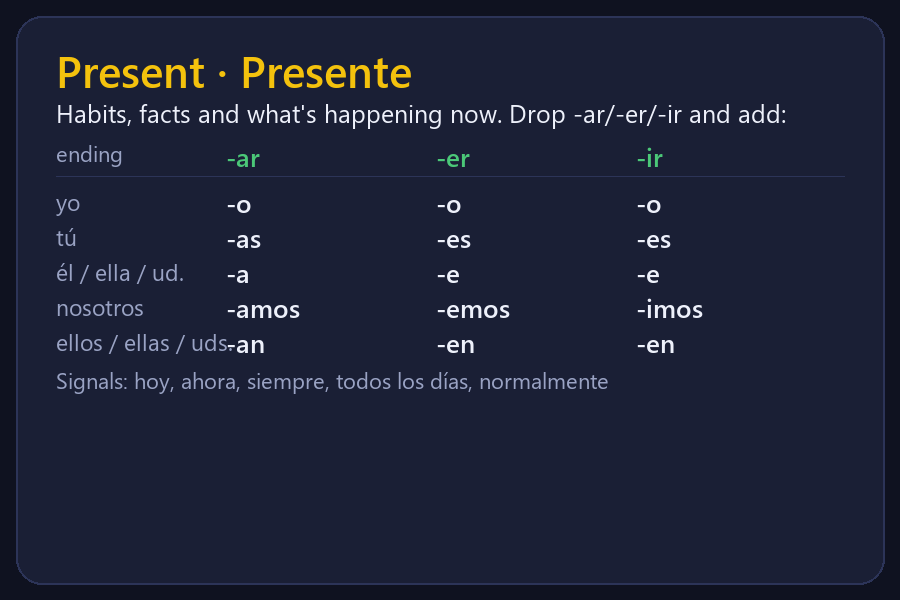 Cómo formar: PresentePresent — endings & when to use
Preterite — past
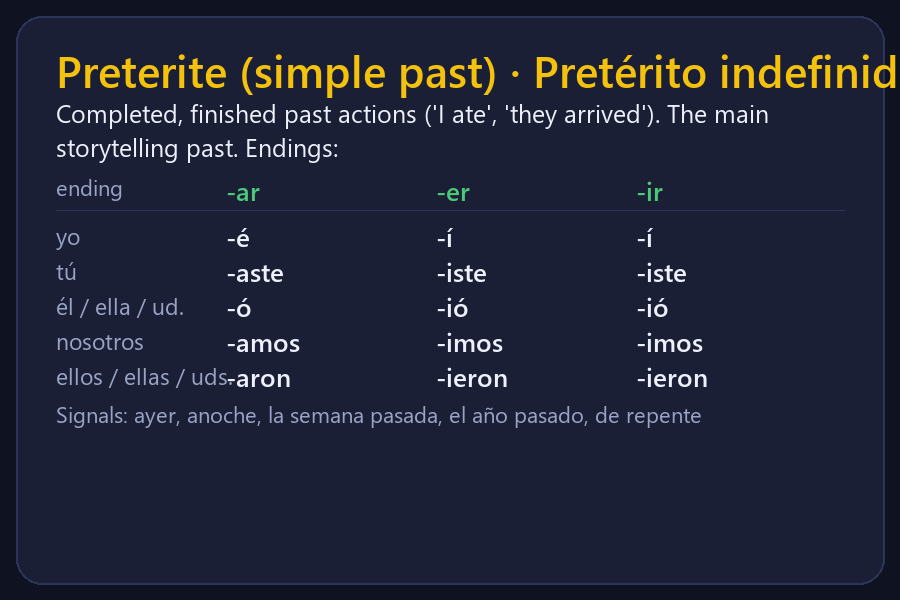 Cómo formar: Pretérito indefinidoPreterite (simple past) — endings & when to use
Imperfect — past
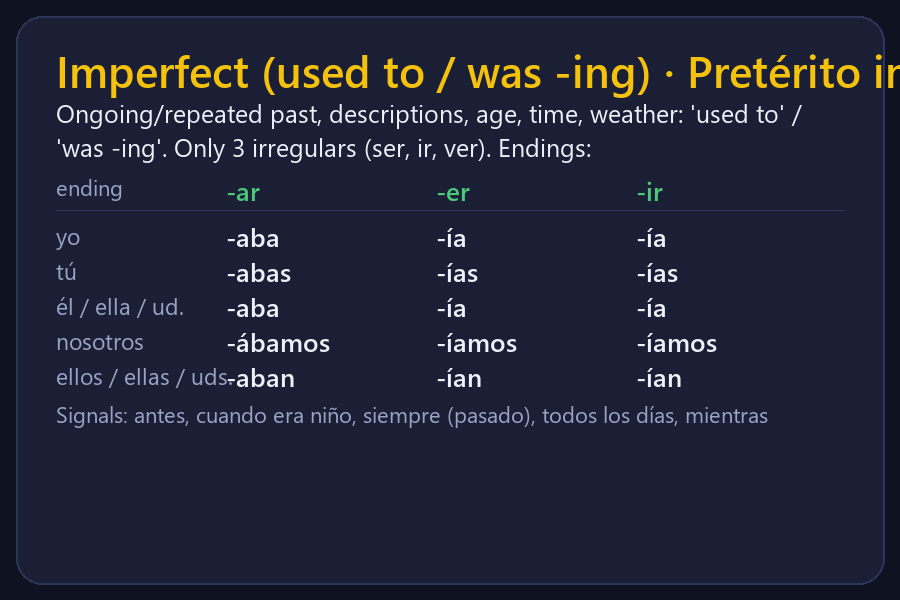 Cómo formar: Pretérito imperfectoImperfect (used to / was -ing) — endings & when to use
Future
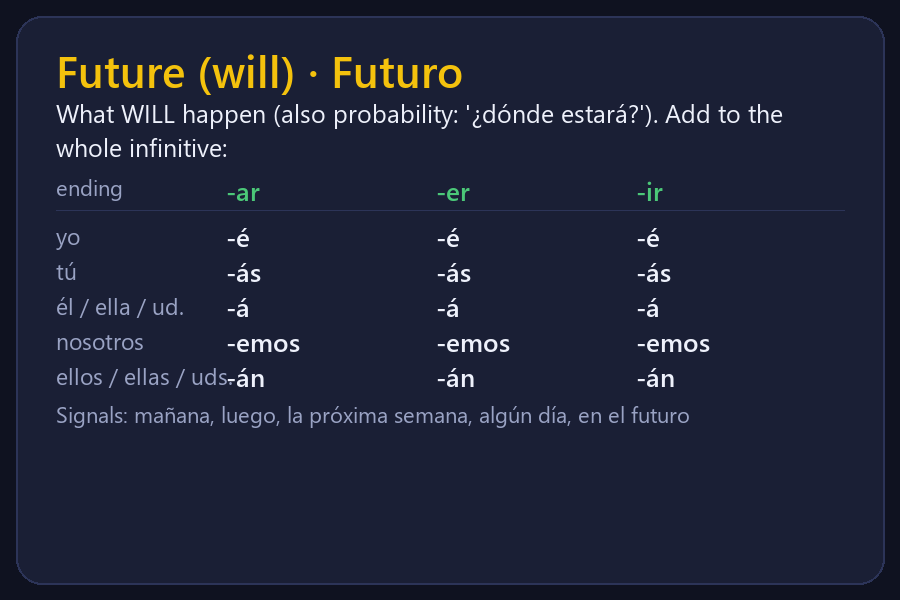 Cómo formar: FuturoFuture (will) — endings & when to use
Conditional
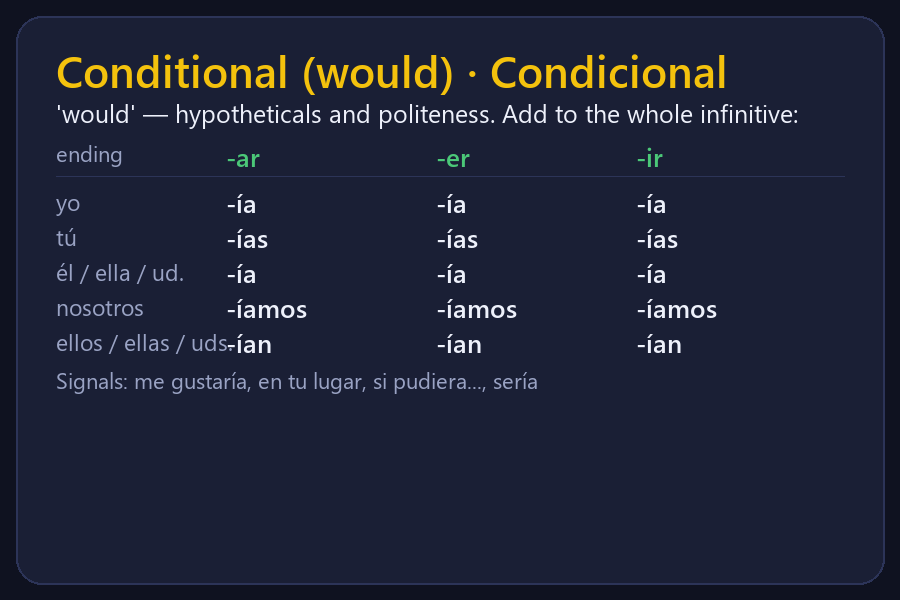 Cómo formar: CondicionalConditional (would) — endings & when to use
Subjunctive — present
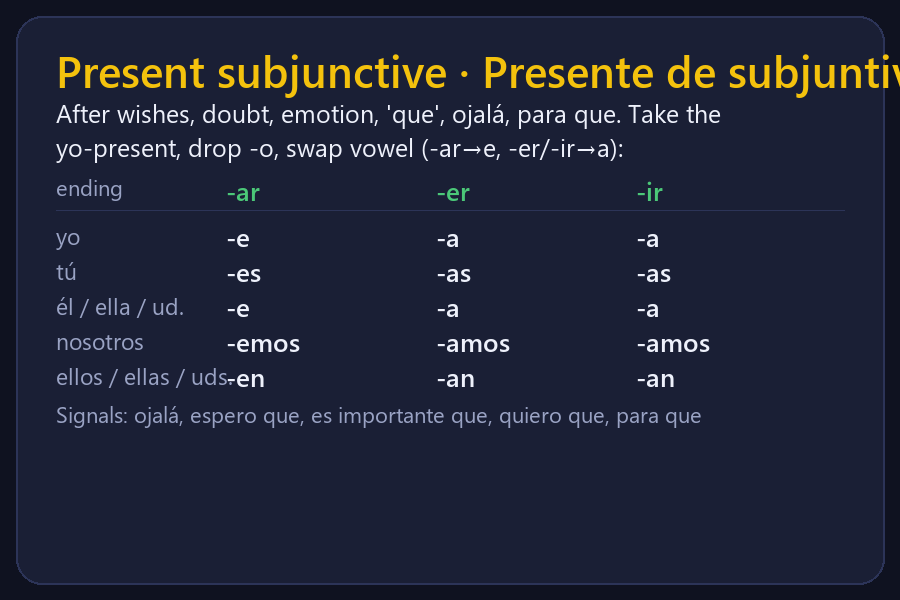 Cómo formar: Presente de subjuntivoPresent subjunctive — endings & when to use
Subjunctive — imperfect
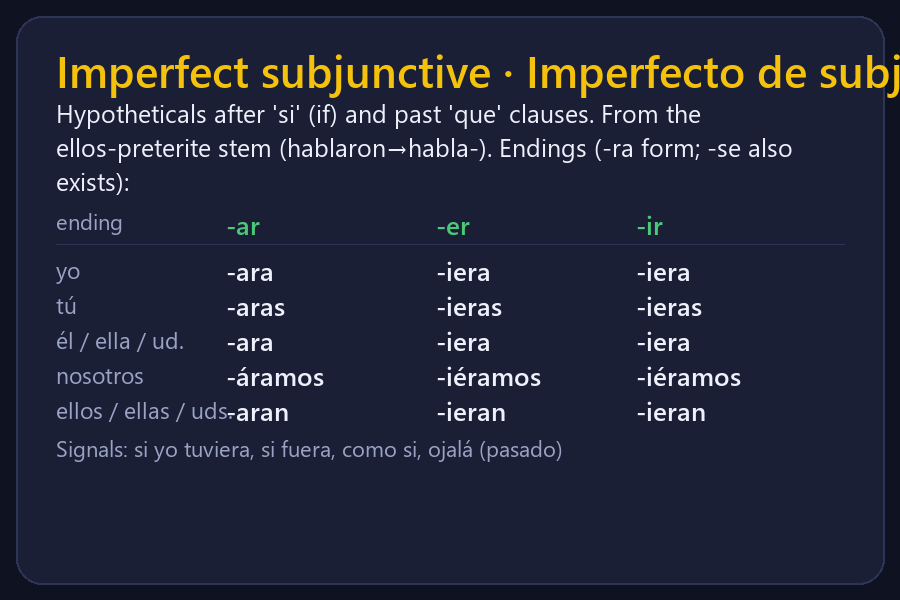 Cómo formar: Imperfecto de subjuntivoImperfect subjunctive — endings & when to use
Commands (imperative)
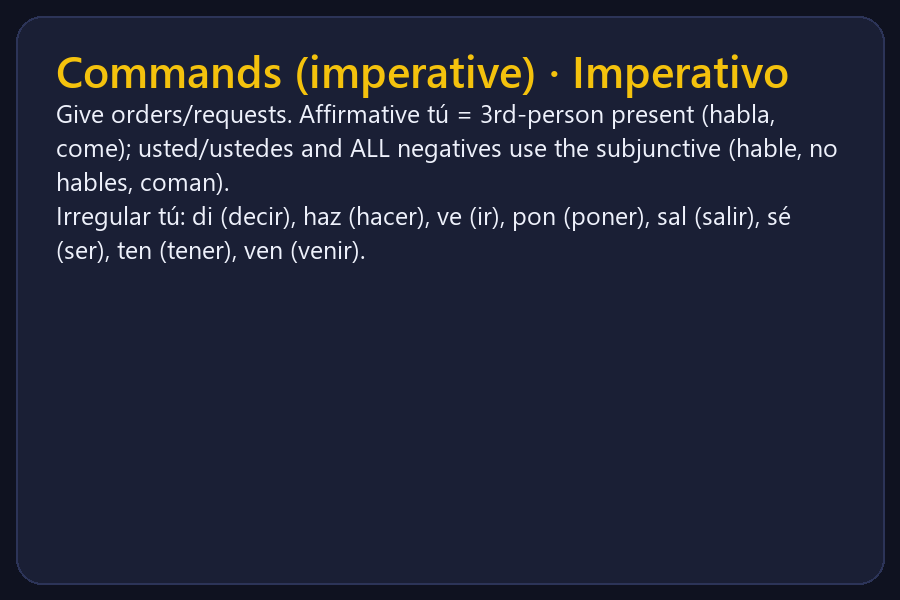 Cómo formar: ImperativoCommands (imperative)
Compound tenses
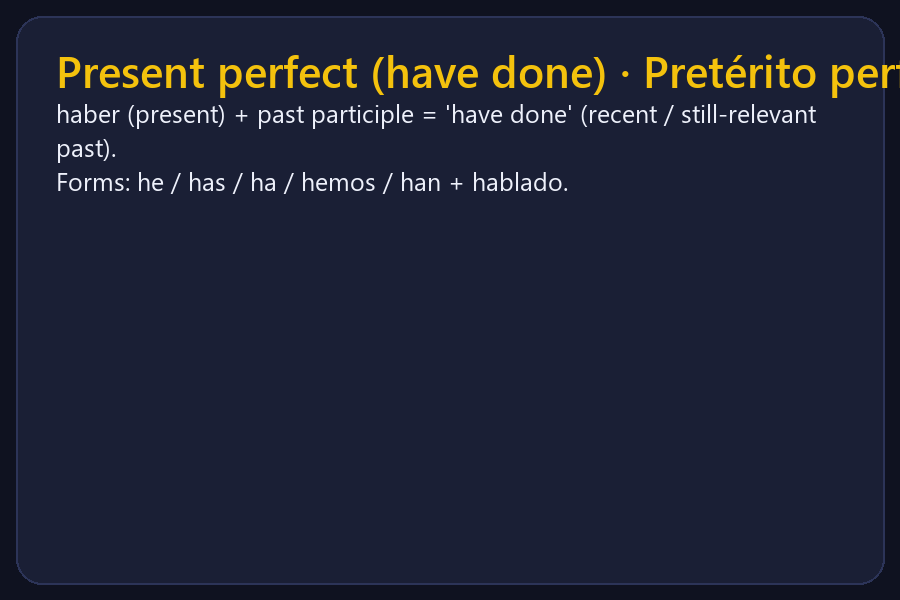 Cómo formar: Pretérito perfecto (he hablado)Present perfect (have done)
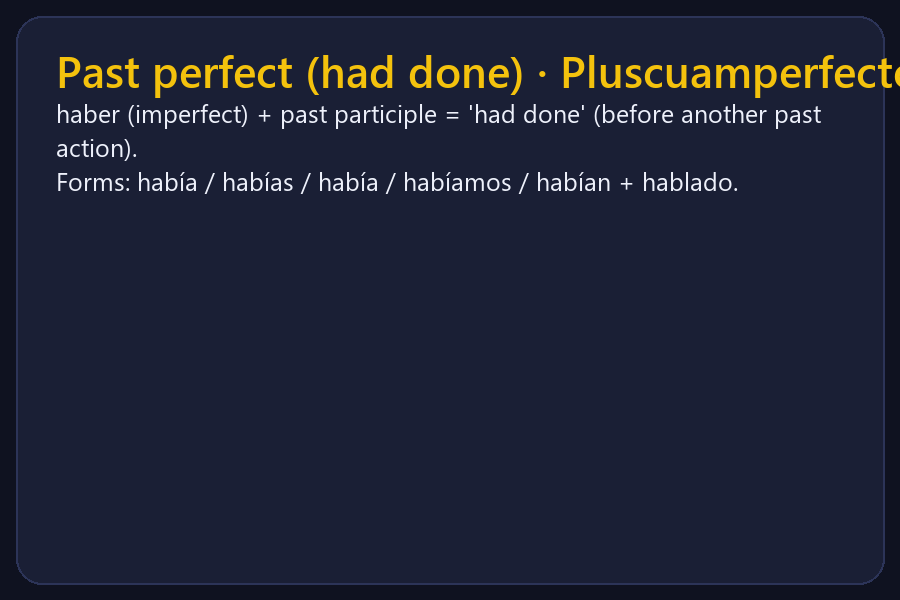 Cómo formar: Pluscuamperfecto (había hablado)Past perfect (had done)
Progressive (-ing)
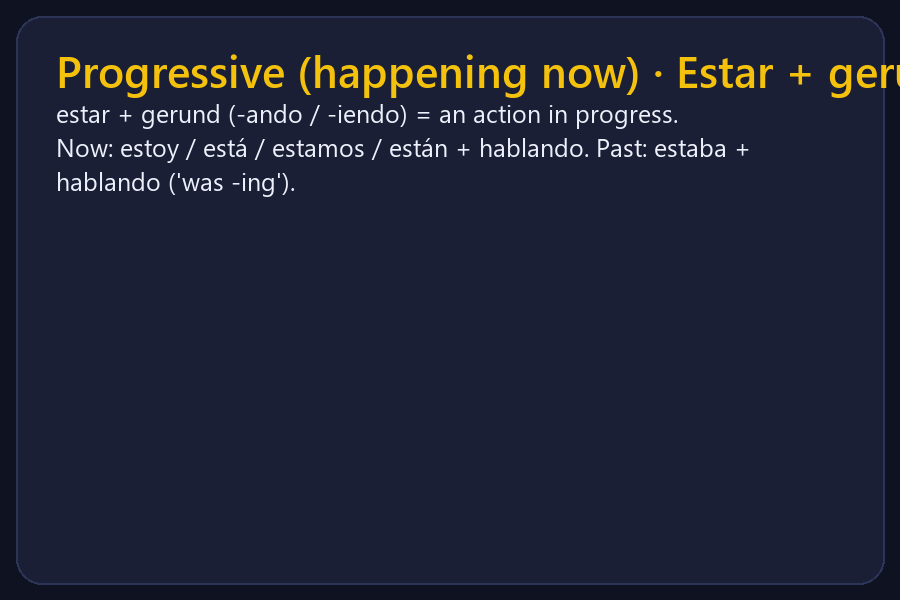 Cómo formar: Estar + gerundioProgressive (happening now)
Non-finite: gerund & participle
- hablar → hablando → habladospeak → speaking → spoken. The gerund (-ndo) and participle build every progressive & perfect tense. Irregular participles: hecho (hacer), dicho (decir), visto (ver), puesto (poner), abierto (abrir), escrito (escribir), vuelto (volver), roto (romper).
Articles, demonstratives, determiners
- eltheUse before masculine singular nouns, and also before feminine singular nouns starting with stressed 'a' or 'ha' (e.g., 'el agua'), but keep the feminine article for other adjectives.El libro está en la mesa.The book is on the table.
- latheUse before feminine singular nouns, but replace it with 'el' when the noun begins with a stressed 'a' or 'ha' sound, even though the noun stays feminine.La casa es grande.The house is big.
- lostheUse before masculine plural nouns, and never before feminine plural nouns—unlike 'el', it does not change before any plural noun.Los libros son nuevos.The books are new.
- lastheUse before feminine plural nouns, and never before masculine plural nouns—it always stays 'las' regardless of the noun's initial sound.Las casas son grandes.The houses are big.
- una/an; onePlace 'un' directly before a masculine singular noun; it is the indefinite article and also the number one, but unlike 'uno' it never stands alone.Tengo un libro.I have a book.
- unaa/an; onePlace 'una' directly before a feminine singular noun; it is the indefinite article, and it drops the final -a before a stressed a- noun only when used as an adjective, not as a pronoun.Tengo una casa.I have a house.
- unossomePlace 'unos' before a masculine plural noun to mean 'some'; it implies an unspecified but limited number, unlike 'algunos' which emphasizes an indefinite quantity.Tengo unos libros.I have some books.
- unassomePlace 'unas' before a feminine plural noun to mean 'some'; it agrees in gender and number, and it is not used with nouns that are plural-only in meaning like 'unas tijeras' (scissors) where it still means 'some'.Tengo unas llaves.I have some keys.
- lothe thing/what isUse before an adjective to mean “the thing that is…” or before que in “lo que.”Lo bueno es que aprendemos rápido.The good thing is that we learn fast.
- alto theUse where a + el would appear; Spanish contracts it to al.Voy al mercado.I am going to the market.
- delof/from theUse where de + el would appear; Spanish contracts it to del.Vengo del trabajo.I am coming from work.
- estethisPlace 'este' before a masculine singular noun to mean 'this' (near speaker); it contrasts with 'ese' (near listener) and 'aquel' (far), and it has a written accent when used as a pronoun 'éste' (now optional).Este libro está aquí.This book is here.
- estathisPlace 'esta' before a feminine singular noun to mean 'this' (near speaker); it does not carry a written accent as a pronoun 'ésta' (now optional), and it is not the same as 'está' (verb 'to be').Esta casa está aquí.This house is here.
- estosthesePlace 'estos' before a masculine plural noun to mean 'these' (near speaker); it is the plural of 'este' and never takes a written accent, unlike 'éstos' which is now optional.Estos libros están aquí.These books are here.
- estasthesePlace 'estas' before a feminine plural noun to mean 'these' (near speaker); it is the plural of 'esta' and does not change form when used as a pronoun (no accent).Estas casas están aquí.These houses are here.
- esethatPlace 'ese' before a masculine singular noun to mean 'that' (near listener or previously mentioned); it contrasts with 'este' (near speaker) and 'aquel' (far), and as a pronoun it may take an accent 'ése' (now optional).Ese libro está aquí.That book is here.
- esathatPlace 'esa' before a feminine singular noun to mean 'that' (near listener or previously mentioned); it is not used for distance far from both, which requires 'aquella', and as a pronoun it may take an accent 'ésa' (now optional).Esa casa está aquí.That house is here.
- esosthosePlace before a masculine plural noun to point at something near the listener, not near you: 'esos libros'.Esos libros están aquí.Those books are here.
- esasthosePlace before a feminine plural noun to point at something near the listener: 'esas casas'.Esas casas están aquí.Those houses are here.
- aquelthat over therePlace before a masculine singular noun to point at something far from both speaker and listener: 'aquel árbol'.Aquel libro está aquí.That over there book is here.
- aquellathat over therePlace before a feminine singular noun to point at something far from both speaker and listener: 'aquella montaña'.Aquella casa está aquí.That over there house is here.
- aquellosthose over therePlace before a masculine plural noun to point at something far from both speaker and listener: 'aquellos días'.Aquellos libros están aquí.Those over there books are here.
- aquellasthose over therePlace before a feminine plural noun to point at something far from both speaker and listener: 'aquellas noches'.Aquellas casas están aquí.Those over there houses are here.
- estothis thing/ideaUse as a neuter pronoun, never before a noun, to refer to an unspecified thing or idea: 'esto es difícil'.Esto es importante.This is important.
- esothat thing/ideaUse as a neuter pronoun, never before a noun, to refer to something mentioned or near the listener: 'eso no importa'.Eso es verdad.That is true.
tarjetas de españolPalabras de la A a la Z
Escrito con IA