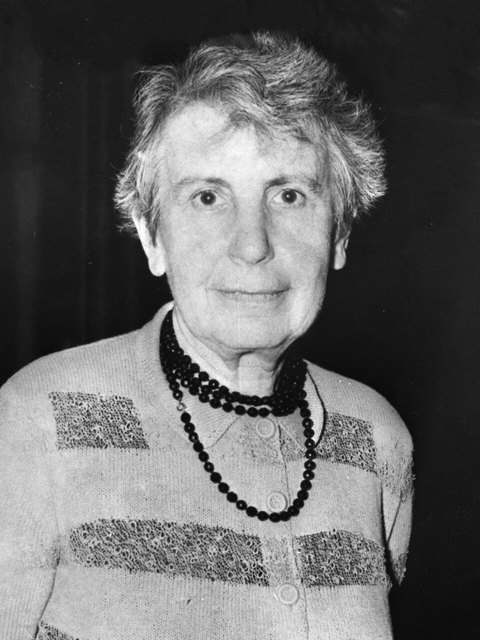

Theory · Development and learning differences
Defence mechanisms
Psychoanalytic concept
Defence mechanisms are mental processes that guard a person against overwhelming anxiety and other unpleasant emotions. They also shield self-esteem, and at the extreme they protect the person from falling apart.[1]
Defences work outside of awareness and reduce the conscious experience of negative emotions.[1] In 307 men followed 40 years, maturity of defences correlated highly with independently assessed mental health.[2] Excessive use of defences is associated with psychopathology.[1] Angered college students showed more projection and identification in their stories.[3]
Key facts
| 307 | middle-aged men followed up for 40 years in Vaillant's 1986 study[2] |
|---|---|
| 89 | young adults whose ego level, IQ and defences were assessed by Cramer in 1999[4] |
| 392 | European American adults in Diehl and colleagues' 2014 longitudinal study[5] |
| 615 | employees surveyed in nine organisations by Bovey and Hede in 2001[6] |
Overview
What a defence mechanism is
A defence mechanism is an unconscious mental operation that protects a person from anxiety and from threats to self-esteem.[1][7] In clinical writing, defences are described as operations that protect the mind against conflicts, which is why they matter to psychiatric practice beyond any single school of therapy.[8]
The idea began with Freud, and later writing traces the concept from that origin to current views.[9] Freud described ego defence mechanisms as the unconscious mental process used by the ego, the part of the mind that manages contact with reality, to reduce conflict between the id and the superego.[10]
Defences belong to normal personality, not only to disorder, and they appear in the ordinary functioning of people who are not in treatment.[1] Their use increases under conditions of stress, which is one reason they are studied in students facing demanding curricula.[1][7] Excessive use of defences is associated with psychopathology, so the same operation that protects at moderate levels can mark difficulty at high levels. Defence function is also connected to the autonomic nervous system, the part of the nervous system that regulates involuntary bodily responses.[1]
History
From Freud to empirical research
Sigmund Freud proposed defence mechanisms as inferences drawn from clinical work with patients, and for a number of years academic psychology rejected the concept. Cognitive psychologists have since confirmed that unconscious psychological processes exist, which is a requisite for defences. By 2000, empirical studies from developmental, personality and social psychology had produced evidence for defence mechanisms, and the renewed interest was described as recent rather than settled.[11]
Psychoanalytic theory itself did not speak with one voice about what a defence defends against. A 1989 comparative review of recent contributions set out several competing accounts, including a functional theory of defence, an object-representational theory and a self-psychologically based theory. The theories differed over the referents of defence, meaning what is being defended against, which could be an impulse, a drive derivative, object loss or environmental failure. They also differed over how internal homeostasis relates to the external world. The review questioned the tendency to invoke different theories of defence for a broad range of clinical phenomena.[12]
A 2025 paper argued that Piaget's theory of egocentrism, the young child's difficulty in separating his or her own viewpoint from others, answers three open questions about Freud's concept of ego defence. The questions concern how a positive adaptive species characteristic becomes a negative maladaptive individual trait, what the cognitive-developmental hierarchy of ego defences is, and what species characteristic all of Freud's ego defences share. The same paper set out to refute the claim that Piaget's theory of intelligence is unrelated to the study of personality.[13]
Neuroscience offered a second point of contact through the construct of implicit emotion regulation. A 2014 paper proposes that contemporary affect-oriented accounts of defence mechanisms are theoretically similar to that construct. The comparison was made to support Regulation-Focused Dynamic Psychotherapy, a manualized psychodynamic treatment for neuropsychiatric disorders of childhood. The paper presented the similarity as a possible interface between psychodynamics and academic psychiatry and psychology, and discussed the implications rather than reporting a test of them.[14]
Main ideas
The hierarchy of defences
Defence mechanisms can be arranged in a hierarchy, a ranking from the least to the most complex, in which the simplest defences appear earliest in life and the more complex ones appear later in development. A study of four age groups tested the idea with three defences: denial, projection and identification. The defences were scored from stories told to pictures in the Thematic Apperception Test, a method in which a person makes up a story about a picture and the story is then rated. Preschool children used denial more than any other group, and its use fell after that age. Identification was rare in preschoolers and climbed steadily through adolescence, while projection appeared most often in the two middle age groups. The results matched the prediction, and some evidence of sex differences appeared, tied to whether a defence is directed inward or outward.[15]
The best known test of the hierarchy followed 307 middle-aged men for 40 years and rated the maturity of their defences from a two-hour interview conducted when the men were 47 years old. Those maturity ratings correlated highly with outcome measures that were assessed independently of the interview. Childhood variables predicted midlife mental health but did not predict the midlife maturity of defences, which supports treating defensive style as a separate dimension of mental health. The bleaker the childhood, the stronger the link between maturity of defences and adult mental health. Six to eight years after the interview, 131 of the 307 men completed the Bond Defense Style Questionnaire, a self-report checklist of defensive style. It identified the same styles of defence that the earlier clinical assessment had found.[2]
Rating scales place defences on levels so that a whole profile can be scored rather than a single mechanism. The Defense Mechanisms Rating Scales (DMRS) describe 30 defence mechanisms, each with a definition and a function, and the scales are widely treated as an observer-rated standard for assessing the full hierarchy. A Q-sort version, the DMRS-Q, was built from 150 items drawn from those definitions to capture the full range of defensive behaviour described by the theory. The tool is free and computerised, and it was proposed both for monitoring changes in defences during treatment and for teaching the hierarchy.[16]
Defences and coping are not the same
Coping strategies and defence mechanisms both describe how people respond to stressful situations, but the two ideas come from different research traditions. Coping strategies come from the social psychological tradition, while defence mechanisms come from the psychoanalytic tradition. The traditional view holds that the two concepts differ sharply.[17]
Miceli and Castelfranchi (2001) distinguish coping from defence by whether a response manipulates one's mental attitudes or revises them. Responses that manipulate mental attitudes are typical of defence mechanisms, while those that revise them characterise coping. Cramer proposed two basic criteria for telling them apart: whether the process is conscious or unconscious, and whether it is intentional or unintentional. Miceli and Castelfranchi added a third criterion, the manipulation versus the revision of one's mental attitudes, which they said had been neglected in the relevant literature.[18]
Recent studies have tested whether the two kinds of response can be measured separately in the same people.[19][17] Confirmatory factor analyses showed that the effectiveness model represented the relationship between the two concepts better than the independence model. Multiple regression analyses were generally congruent with that result, and coping strategies did not produce more positive outcomes on marital adjustment than defence mechanisms did.[17]
Studies in other settings report specific pairings between the two kinds of response.[20][21] An exploratory study of 26 elite kayakers classified them into two groups by the gap between their standard performance and their performance in competition. Seeking social support and positive reappraisal with planful problem solving correlated with mature defences, and distancing or avoidance correlated with immature defences. Multivariate and univariate analyses confirmed that the two performance groups differed significantly in their use of coping strategies and defence mechanisms.[21] A study of 30 first-year and 29 fourth-year students found that those with a high level of adaptation in both years used similar defences, namely rationalization and compensation, and similar coping strategies, namely problem solving planning, self-control and taking responsibility. Among students with a low level of adaptation the two year groups differed: first-year students showed regression as a defence and escape-avoidance as a coping strategy, while fourth-year students showed denial as a defence and search for social support as a coping strategy.[20]
The two categories overlap most clearly in emotion-focused coping, the area where coping and defence meet. Miceli and Castelfranchi argued that responses carrying defensive features should be kept out of the category of coping, in line with the distinctions they identified.[18] Bouchard and Thériault concluded that coping strategies and defence mechanisms each have features of their own and features they share. A growing number of researchers have suggested that the two concepts are more interrelated than was previously assumed.[17] A proposed study design would use the DSQ-40, the ACS and the RSES with adolescents. It would identify the defence mechanisms and coping strategies that are most common and explore how the two sets relate and how they contribute to self-acceptance and well-being.[22]
Research
How defences develop across the lifespan
The best-known account of how defences change with age comes from cross-sectional studies that score children's stories for the defences they use. A study of 148 students in Grades 2, 5, 8 and 11 and in their first year of college collected stories in response to picture prompts, and scored them for denial, projection and identification with Cramer's Defense Mechanisms Manual. The relative use of denial and projection fell as grade level rose, while identification rose, a pattern the researchers read as support for a psychoanalytic view of a developmental line of defence.[23]
A study of 95 elementary school children linked the maturity of defence use to psychological functioning, measured with a storytelling task and with parent and self-report questionnaires. Children who relied on the developmentally immature defence of denial reported more social anxiety and depression and received higher parent ratings of internalizing and externalizing behaviour problems. Children who used identification, the developmentally mature defence, rated themselves higher on competence in social, academic, conduct, athletic and global domains. Denial showed no relationship with perceived competence, and identification showed no relationship with maladjustment.[24]
Adolescent samples show a defence structure broadly like that of adults, but with limits on how far adult findings can be carried over. Factor analysis of the adolescent scores produced three factors, labelled Immature, Mature and Prosocial Defences, similar to factors found in adult studies. The Immature and Mature factors held fairly steady across groups defined by age, sex and mental health status, while the Prosocial factor varied by group.[25]
Longitudinal work in adulthood shows that defences follow curved paths rather than a single direction of change. A longitudinal study followed 392 European American adults over time on measures of coping and defence. Intellectualization, a defence in which a person handles conflict through abstract thinking, increased from adolescence to middle age, held steady until late midlife and then began to decline. Doubt, displacement and regression decreased from adolescence until early old age and then increased again after the age of 65. Isolation and rationalization fell in a straight line with age, and gender and socioeconomic status were linked to average levels of several defences without changing the shape of the age trends. Higher ego level went with more use of intellectualization and less use of doubt and displacement.[5]
One study compared 246 people forming 82 family triads of grandparents, parents and adult children on conscious coping strategies and unconscious defence mechanisms. Moving from the older to the younger generation came with more confrontation, escape-avoidance, seeking social support and immature defences, while planning, positive reappraisal and intellectualization were more characteristic of the older generations. The inverse relationship between productive coping and immature defences grew stronger toward the younger generation.[26]
Measuring defences with observers and interviews
Observer-rated instruments rest on Freud's clinical claim that a trained observer can infer defensive operations in a person who is unaware of using them.[27] The Defense Mechanism Rating Scales (DMRS) rate defences from clinical interview material or from written accounts of real-life episodes, called life vignettes. In one study, nonprofessional raters watched videotaped psychodynamic interviews of people with personality and affective disorders and scored the defences they observed. Agreement between raters, reported as a median intraclass correlation, was .36 for the individual defence scales, .57 when raters reached group consensus, and .74 when related defences were combined into summary scales. When follow-up life vignettes were rated, the median agreement was .55 for defences that occurred at least 5% of the time and .66 for the summary scales.[28]
Validity evidence for the DMRS comes from links between defence scores and later functioning. Immature defences (denial, projection, acting out, hypochondriasis and passive aggression) went with more symptoms, poorer global functioning, and a larger share of time impaired in work and social roles. Borderline defences (splitting and projective identification) showed a similar pattern. Among narcissistic and neurotic defences, only devaluation was tied to poorer functioning, while intellectualization was tied to higher functioning. Action and borderline defences correlated significantly across methods and across time, comparing video ratings with life vignettes, whereas obsessional, disavowal and narcissistic defences showed only nonsignificant trends. The results were read as support for a hierarchy of defences.[28]
The Rorschach Defense scales rate defences from responses to the inkblot test, using all responses, their associative content, and the way the person speaks about the tester. The scales rate lower-level defences, among them splitting and primitive idealization, and higher-level defences, among them intellectualization and isolation.[29] Later Rorschach methods focused on borderline and neurotic-level defences, chiefly to tell diagnostic groups apart and to predict other aspects of functioning. A method based on the Thematic Apperception Test, in which people tell stories about ambiguous pictures, showed some evidence that defensive functioning rises with age and regresses after psychological stress.[27]
The Defense Mechanism Test (DMT) presents a stimulus subliminally, meaning below the threshold of awareness, in a tachistoscope, a device that shows images for very brief set intervals, and records how perception is distorted. In a study of 27 psychiatric inpatients and 7 healthy controls, specific perceptual distortions were found among patients with borderline personality disorder, and some individual DMT signs correlated with deviant behaviours identified by a diagnostic interview for borderline disorder. The findings were taken to support the psychodynamic validity of the borderline concept, and the test was called a promising research instrument.[30]
Interview-based methods differ in how they turn observations into scores: some assign qualitative categories, some give rank-ordered scores by Q-sort (a forced sorting of statements into a fixed distribution), and some count each instance a defence is used. Summary scores are usually reliable, while individual defences vary more. The methods also differ widely in the training they require, in how easy they are to use, and in how far they have been validated. Observer-rated methods face limits: interrater reliability is generally good but depends on the availability of the testing situation, and generalization to situations outside the assessment still has to be demonstrated. Quantitative clinical interview methods appear best suited to detailed process research on how defences change in treatment.[27]
Clinical interviews have also been coded for defences in adolescents. Psychiatric patients had a distinctive profile of defence use compared with the other two groups. An independent measure of ego development correlated positively with altruism, intellectualization and suppression, and negatively with acting out, avoidance, denial, displacement, projection and repression. The size and direction of these correlations were offered as support for the validity of the defence codes.[31]
Standard teaching about defences dwells on definitions, which do not readily help a clinician spot a defence as it happens. One proposed process begins when the clinician notices an anomaly in the other person's affect, behaviour, speech or speech content, and then uses guided clinical inference to name the specific defence or its general level and its aim in context. Two verbatim examples from recorded interviews of one case were used to demonstrate the process.[32]
Self-report questionnaires and their limits
Self-report questionnaires ask people to describe their own defences directly.[33] The Defense Style Questionnaire (DSQ) is one of the oldest such instruments, and its 40-item version has been studied most often.[34][35] Its developers proposed a three-factor model of defences, but a principal axis factoring of responses from 380 college students produced two internally consistent components instead: adaptive and maladaptive defence styles. In that sample, endorsement of adaptive defences went with more use of positive religious coping strategies and less use of negative ones, while maladaptive defences went with negative religious coping.[34] Over 3 months of inpatient psychotherapy, maladaptive mechanisms fell and adaptive patterns rose, while neurotic mechanisms did not change on average; the design could not show whether therapy caused the change.[35]
The Defense Mechanism Inventory (DMI) presents multiple-choice vignettes and scores the relative intensity of specific defences.[36][37] A review of the published research found psychometric problems and open questions about how to interpret its scales, yet judged the scales meaningfully related to cognitive, personality, pathological and demographic variables.[37] The DMI was also compared with the Blacky Defense Preference Inventory, which shares its theoretical underpinnings and psychometric aims. Among 25 comparisons between the defence scales of the two devices, only two correlations were significant.[36] An earlier comparison of the DMI, the Coping Operations Preference Enquiry (COPE) and scales by Joffe and Naditch used multitrait-multimethod logic and found low convergent validity, because measures of the same defence did not correlate highly across instruments. Correlations within each instrument followed similar patterns, but the Joffe and Naditch scales and especially the DMI scales correlated highly with one another, which limited discriminant validity overall.[38]
The DMRS-SR-30 was built to carry the full hierarchy of defences into self-report form, with 30 items drawn from the Q-sort version of the observer-rated Defense Mechanism Rating Scales and scored by the same quantitative algorithms. It yields proportional scores for 28 individual defences, summary scores for seven defence levels, and an overall defensive functioning (ODF) score. In a preliminary Italian study of 94 participants, internal consistency was very good for ODF (Cronbach's alpha = .890) and for the high adaptive defence level, while some subscales with few items had lower values. Correlations with two observer-rated measures built on the same scales showed very good criterion and concurrent validity for ODF. For the defence level subscales the validity was moderate to high. The ODF score correlated with the SCL-90 Global Severity Index at r = -.456, with the BDI at r = -.540 and with the IES-R at r = -.402 (all p < .001), which the authors read as good convergent validity.[33]
The Perrotta Human Defense Mechanisms Questionnaire (PDM-Q-v2) was created as a new model of defence functioning and validated against the DMRS-SR-30. Its reported statistics describe a well-defined and stable construct (r = 0.999; p ≤ 0.001), well-represented variables (r = 0.818; p ≤ 0.001) and a positive correlation with the already validated instrument (r = 0.766; p ≤ 0.001). The author presents the PDM-Q-v2 as a valid, efficient and effective tool for identifying the functioning or dysfunction of ego defence mechanisms.[39]
Across these questionnaires, the recurring weakness is convergent validity: instruments meant to measure the same defence often fail to agree.[36][38] The DMRS-SR-30 study did report good convergence with observer ratings and with symptom measures, but its authors describe the results as preliminary and in need of confirmation.[33] The PDM-Q-v2 validation rests on correlation with a single other self-report instrument, the DMRS-SR-30.[39] The DSQ evidence shows that factor structure can shift with the sample and the language version, from three factors to two in one student sample and back to three after item deletion in a clinical one.[34][35] Low agreement between questionnaires may mean that some defence scales lack validity, or that they measure different aspects of defensiveness, and comparisons of predictive validity would help decide between these explanations.[38]
Defences in personality and mental disorder
Several studies of defences in mental disorder rest on clinical samples rated with observer scales. A study rated 50 adult outpatients with Perry's Defense Mechanism Rating Scale, with interrater reliability from .61 to .95.[40][41][42] A review of theory and empirical work on schizotypal, borderline, antisocial and narcissistic personality disorders examined dynamic interview data from 107 participants diagnosed with these four types. Immature defences were widespread across all four disorders, which the authors placed within a broad borderline personality organization construct, and defences predicted the most variance in borderline personality disorder and the least in schizotypal personality disorder. Borderline personality disorder was tied most strongly to major image-distorting defences, chiefly splitting of self and other's images, and to the hysterical level defences of dissociation and repression. Narcissistic and antisocial personality disorders shared minor image-distorting defences such as omnipotence or devaluation, while narcissistic disorder also used splitting of self-images and antisocial disorder used disavowal defences such as denial.[43]
Borderline personality disorder has been studied with self-report questionnaires as well as observer ratings.[44][45] A study examined 290 criteria-defined borderline inpatients and 72 patients with other axis II psychopathology, all 362 diagnosed by semistructured interview. Borderline patients scored significantly higher on three of the four defence styles of the Defense Style Questionnaire: self-sacrificing, maladaptive action and image-distorting defences. Taken together, acting out, emotional hypochondriasis and undoing predicted a borderline diagnosis with good sensitivity (.95) and positive predictive power (.86), which the authors proposed as a clinical marker where the base rate of the disorder is high.[44] Two studies of nonclinical participants sorted into borderline and antisocial groups by scores on the Personality Assessment Inventory found differences on several individual defences, including acting out, denial and turning against self. The pattern suggested that defences in borderline personality may stress interpersonal dependency and directing aggression toward the self, whereas defences in antisocial personality may stress egocentricity, interpersonal exploitation and directing aggression toward others.[45]
Depression and anxiety show their own defence profiles.[41][46] In a pilot study, 22 patients with primary early-onset dysthymia (chronic low mood) and 22 with primary panic disorder gave videotaped interviews. Both groups tended to use lower-maturity defences, but the dysthymic patients scored significantly higher on narcissistic, disavowal and action defence levels and on devaluation, projection, passive aggression and hypochondriasis, as predicted, plus acting out and projective identification.[41] A separate study compared 167 psychiatric patients without comorbidities with 36 controls using the Defense Style Questionnaire 40, with diagnoses confirmed by a structured interview. Neurotic defences separated controls from all patient groups except those with social anxiety, and immature defences separated controls from all patients and also distinguished depressive patients from those with panic disorder and obsessive disorder.[46]
Panic disorder has been examined with observer ratings and with self-report before and after drug treatment.[42][47] Among 22 patients with primary panic disorder compared with 22 with primary dysthymic disorder, panic patients scored significantly higher on reaction formation and undoing but not on displacement, a result read as consistent with difficulty tolerating angry feelings toward significant others.[42] In another study, 33 patients with acute symptomatic panic disorder and 33 controls completed the Defense Style Questionnaire at the start and after 16 weeks of sertraline treatment. At baseline, patients used more neurotic defences (4.6 versus 3.6; p = 0.003) and more immature defences (3.6 versus 3.0; p = 0.024). The 25 patients who reached complete remission still differed from controls in neurotic defences at baseline (4.4 versus 3.6; p = 0.033). After treatment, those remitted patients showed a reduction in neurotic defences (4.4 versus 3.7; p = 0.014) and immature defences (3.4 versus 3.1; p = 0.019). Kipper, Blaya, Teruchkin, Heldt, Isolan and Mezzomo took this to mean that defences in panic disorder are influenced by the presence of symptoms, their severity and the outcome of the illness.[47]
Alexithymia is a dimensional personality construct covering difficulty identifying and describing feelings, limited imaginal capacity and an externally oriented thinking style, and its link to defences has been disputed. Helmes, McNeill, Holden and Jackson studied three nonclinical populations in Australia and Canada using correlations, multiple regression and factor analysis. Their results supported an association between alexithymia and emotional inhibition and extended it to immature defence styles and aspects of social desirability.[48] Suicide risk has also been studied through defences. Seventy-five adults within 48 hours of hospital admission for a major depressive episode completed the Defense Style Questionnaire, and were grouped by current suicide ideation or attempt. Greater use of image-distorting mechanisms was consistently the best predictor of a current suicide attempt, and symptom severity and past attempt were not significant predictors once defence styles were controlled.[49]
One study of patients in randomised controlled medication trials for major depressive disorder tested whether defences and personality organization stay stable while the depression is treated. Baseline scores on the Defense Style Questionnaire were similar among treatment responders, nonresponders and drop-outs except for image-distorting defences, which were significantly more prevalent among drop-outs than responders (P = .016). After treatment, maladaptive defences fell significantly across the whole sample (P = .01) while intermediate and adaptive defences were unchanged, and responders used significantly fewer maladaptive defences than nonresponders (P = .003) and had a healthier overall level of defensive functioning (P = .04). Scores on the Inventory of Personality Organization did not differ significantly between baseline and the end of the trial.[50] A study describes personality as a predictable pattern of adaptive and pathological defence mechanisms, alongside personality organization made up of object relations, ego strengths and superego development.[50][43]
Changing defences in psychotherapy
Evidence that defenses shift during treatment comes from observer-rated studies of both short-term and long-term dynamic psychotherapy.[51][52] Improvement in defences was slower in patients with more axis I disorders and in those whose childhood histories included sexual abuse or witnessing violence.[52]
Defence change has been tied to later symptom and functioning outcomes measured outside the therapy sessions.[52] The short-term study likewise reported links between defense change and outcome, and discussed its results from methodological and clinical viewpoints.[51]
Defences in students and teachers
Defence mechanisms have been measured in students training for professional roles.[53][54][55] A descriptive study of medical students at a state university, run between 1 February and 15 March 2020, used the Defense Style Questionnaire (DSQ-40), a self-report list of defensive styles, together with a childhood trauma questionnaire and a short happiness scale. Immature defence scores showed a weak positive correlation with total childhood trauma scores (r = 0.280; p < 0.001). Childhood trauma subscales explained 17.0% of the variation in happiness scores, and adding ego defence styles to the model raised the explained share to 32.9%.[53] A study of 400 students in Aurangabad city, covering professional courses (LL.B, B.E., B.Ed.) and non-professional degrees (B.A., B.Com., B.Sc.), found that male and female students differed significantly in coping strategies as measured by the Defense Mechanism Inventory. That study found no significant difference between professional and non-professional students, but a significant interaction between gender and course type.[54]
A study of 308 secondary school students found no correlation between adversity quotient and defence mechanisms. A study of emotional intelligence found that adaptive defence styles correlated with overall emotional intelligence.[56][57] A study of emotional intelligence and defence mechanisms, using Bond and colleagues' hierarchical model of defences, reported mixed bivariate correlations. The researcher drew implications for counseling and psychoeducational interventions.[57]
In a study of 28 depressive patients interviewed with the Adult Attachment Interview and rated with the Defense Mechanisms Rating Scale Q-sort, patients with secure attachment showed significantly higher reflective functioning and overall defensive functioning than those with insecure attachment. Good reflective functioning and secure attachment correlated with mature defences and with specific mechanisms that help regulate affective states.[58] A study of 180 young adults aged 18 to 25 used the Experiences in Close Relationships Revised questionnaire and the DSQ-40. It found a substantial negative link between attachment scores and mature defence mechanisms, no meaningful association between immature defences and attachment scores, and a somewhat positive association between neurotic defences and attachment scores. The findings were read as consistent with the hypothesis that mature defence mechanisms are linked to lower attachment anxiety and avoidance, while neurotic defences also shape attachment patterns.[59]
Identity style, the habitual way a person manages identity conflicts, has been tied to particular defence patterns in a sample of 213 participants with a mean age of 23.01 years, 64% of them female. An informational, self-exploratory style was associated with defences that control anxiety through internal cognitive maneuvers. A diffuse-avoidant style was related to maladaptive maneuvers such as turning against others and turning aggression inward against oneself, a pattern linked to depressive reactions. A foreclosing, normative style was associated with defences that limit awareness of threatening ideas by denial, distortion and negation. Age and gender did not alter any of these relationships.[60]
Defensive reactions appeared in counselor trainees specifically during racially provocative counseling and supervision sessions, which suggests that training settings can stir anxiety that trainees manage with primitive defences.[55] The medical student study ties immature defences weakly to childhood trauma and shows that defence styles add to the share of happiness explained beyond trauma alone. The medical student study's authors used this result to recommend prevention of adverse childhood experiences, training for children in reporting abuse, parenting education, and early detection and rehabilitation by health systems.[53] The evidence base remains thin in places: the attachment and mentalization study covered 28 patients, the close-relationships study 180 young adults, and the identity study 213 participants, and the Indian school study found no link between defences and adversity quotient at all.[58][59][60][56]
Defences and physical health conditions
Studies of people living with long-term illness have asked whether the defence mechanisms a person relies on, the automatic mental manoeuvres that keep painful or threatening thoughts out of awareness, are connected to how well that person manages the condition.[61][62] A 2020 cross-sectional study in Lahore, Pakistan, surveyed 150 adults with type 2 diabetes, 75 women and 75 men aged 25 to 55 years, using Urdu versions of the Defense Style Questionnaire, a medication adherence scale and a diabetes self-management questionnaire. Mature defences such as sublimation, suppression and humour significantly predicted self-management (p<0.001), and sublimation alone significantly predicted medication adherence (p<0.05). Women scored higher than men on the neurotic defence of pseudo-altruism (p=0.001), and the study concluded that adherence and self-management depended on mature defences.[62]
Immature defences were commonly found in these patients and were reported to affect both psychological and physical health, with significant associations between defences, perceived health-related quality of life and psychological distress. The review proposed that immature defences may lower perceived quality of life, reduce treatment adherence and raise the risk of psychiatric symptoms, and it recommended that clinical assessment include a close look at defences.[61] An earlier study of 84 patients with the same conditions found that coping and defence strategies were related to distress and quality of life. A positive attitude and principalization were negatively associated with depression, anxiety and alexithymia (difficulty identifying and describing one's own emotions). Crohn's patients used more turning against objects (p=0.02) and projection (p=0.01), while ulcerative colitis patients used more reversal (p=0.04).[63]
In a study of 170 people receiving chronic hemodialysis, meaning dialysis given for longer than three months, immature defences were the strongest predictor of alexithymia in the researchers' model (odds ratio 1.87, 95% confidence interval 1.27 to 2.75). Patients with depression showed higher levels of somatization, affect displacement and splitting than patients without depression (p=0.005, p=0.022 and p=0.045), and affect displacement and dissociation correlated positively with leukocyte levels (rho=0.192, p=0.02; rho=0.165, p=0.04).[64] A cross-sectional study compared 80 patients with chronic obstructive pulmonary disease and 80 healthy participants matched for age and sex. Patients scored higher for undoing, acting out, autistic fantasy, denial and splitting, and overall showed a more immature (p=0.001) or neurotic (p=0.006) profile. Higher denial (p=0.044), somatization (p=0.009) and undoing (p=0.032) scores were linked to poorer health-related quality of life, and somatization was strongly and independently associated with more severe self-reported breathlessness.[65]
One study compared 30 white women aged 25 to 55 years with irritable bowel syndrome and 30 women of the same age without it. It found a significant difference between the groups on the Ways of Coping Questionnaire, the Defense Mechanisms Inventory and the Coping Operations Preference Enquiry.[66] Eight women with takotsubo cardiomyopathy, a sudden heart condition that resembles a heart attack without significant coronary blockage, all reported a stressful event just before onset, such as bereavement in 4 cases. All showed a common turning-against-self defence style on the Defense Mechanisms Inventory, although the sample was too small for complex statistical analysis.[67] A controlled study of women treated for vaginismus, a condition in which vaginal penetration is painful or impossible, reported that self-esteem, defence mechanisms, sexual satisfaction and stress coping were important factors in starting, continuing and completing treatment.[68]
In practice
Defences under stress and in daily life
Laboratory experiments show that the defences a person uses shift with the stress of the moment, and that different defences go with different bodily reactions.[69][3] In one study, 78 men and women were monitored during ten stress tasks. Diastolic blood pressure (the lower of the two blood pressure numbers) and skin conductance level (a measure of sweat-driven electrical activity of the skin) were recorded, and defences were coded from stories told to the Thematic Apperception Test, a picture-story method. Diastolic blood pressure, which is typically linked to mental effort, was higher in people who used more identification, a defence that requires greater cognitive activity, while projection was associated with lower diastolic blood pressure. Identification also showed a tendency to go with lower skin conductance level.[69] Anger works in a similar direction: when college students were experimentally angered, their stories showed more projection and identification, and use of these defences correlated significantly with aggressive content in the stories. That result matched earlier findings that projection and identification are the predominant defences of late adolescents, and that men use more projection than women.[3]
Children respond to moderate stress in ways that depend on whether the experience is a success or a failure. In a study of 64 second- and sixth-graders, denial, projection and identification were assessed from Thematic Apperception Test stories told before and after an experimentally controlled experience of success or failure. Children who had just failed were more likely to use denial and projection, the lower level defences. Children who had just succeeded made greater use of identification. The results also showed age and sex differences in defence use.[70]
A study found that civilians affected by a local armed conflict in eastern Ukraine used protective mechanisms widely, with compensation and rationalization most frequent across all groups.[71][72][73] People who had received a more intense psychological shock tended to immerse themselves in their emotional experiences in difficult situations, and the least affected persons were the ones who chose the most effective and rational ways of overcoming a threat to life.[71] In chronic illness, a narrative review of psychoanalytic, psychosomatic and behavioural health literature reports that defences influence adherence to treatment, trust, and the clinician's experience of care. Adaptive defences were described as supporting resilience and the therapeutic alliance, intermediate defences as engaging thought while limiting emotion, with mixed adherence and clinician frustration, and maladaptive defences as shielding distress at the risk of nonadherence and conflict.[73]
Work settings provide another test. A survey of 615 employees in nine organisations undergoing major change found five maladaptive defences positively correlated with the behavioural intention to resist change: projection, acting out, isolation of affect, dissociation and denial. The adaptive defence of humour was negatively correlated with resistance intention. The study identified two intervention strategies that management can use to address the effects of defences on resistance during periods of change.[6] Among university professors, research has described the features of burnout syndrome and its components, the differences in leading coping strategies between teachers with high and low burnout, and the relationship between burnout components and protective mechanisms.[74]
During the COVID-19 lockdowns, a survey of 1102 Italian participants with a mean age of 34.91 years found a protective pathway running from satisfaction with life to lower perceived stress. That relationship was partly mediated by approach coping, a positive attitude and mature defences, in a chained mediation model. The researchers proposed the findings for both prevention and intervention.[75]
Defences in close relationships and family roles
A 1986 study of mothers of children with learning disabilities examined how these mothers coped with the diagnosis and with the visible signs of the child's difficulty, and how they experienced the clinic's diagnostic and treatment process. When dealing with medical, social and educational agencies, the mothers generally used coping mechanisms and were able to obtain services for their child. In direct confrontation with the child, however, coping broke down and gave way to more defensive mechanisms: projection, denial of the problem, and displacement of anger onto the child were observed. Contrary to traditional attitudes, the mothers reported relief at receiving a diagnosis, which confirmed their suspicions rather than producing shock or grief.[76]
The defences of adolescents have been studied alongside the style of parenting they receive. One study compared 72 teenagers aged 14 to 15, 36 girls and 28 boys, with 72 mothers, and analyzed the results with a parametric t-test. Teenagers raised by authoritarian parents tended to avoid contact with reality and the solution of arising problems, and usually used the defence mechanism called compensation. Teenagers from families with democratic parenting often used intellectualization and a coping strategy of solving problems. Hyperprotective parenting was associated with the defence mechanism of substitution and with a coping strategy of avoiding problems, while a pandering style was linked to avoidance as the most widespread coping strategy.[77]
Defence use also tracks a child's standing among peers. Sandstrom and Cramer (2003) recruited girls from 4 sociometric status groups (rejected, neglected, average and popular). They measured the girls' defences before and after a laboratory experience of rejection by a peer. Social adjustment was negatively related to defence use both before and immediately after the rejection experience. Rejected and neglected girls used more defences following the rejection than popular and average girls did.[78]
In caregiving relationships outside the family, defences can protect the caregiver while also working against the care itself. A 2025 theoretical article examined defence mechanisms and countertransference, the caregiver's own emotional reactions carried into the relationship, in hospital and pastoral settings, drawing on psychoanalytic writers including Freud, Anna Freud, Melanie Klein, Winnicott and Vaillant alongside Catholic spirituality. Chagas Ramos (2025) argues that these defences, protective at first, can damage the authenticity, mental health and spiritual well-being of the people who provide care.[79]
Defences in work and high pressure settings
Grevin (1996) assessed 120 experienced paramedics and 105 paramedic students. The measures covered posttraumatic stress disorder, how much and in what way the participants used ego defences, and empathy. On the MMPI-2 PK Scale, a questionnaire measure of trauma symptoms, 20% of the experienced paramedics and 22% of the paramedic students appeared to be suffering from trauma. Compared with normative samples, both groups scored significantly high on denial and repression. Both groups also scored significantly low on regression and reaction formation. Grevin suggested that paramedics may be predisposed to these traits. High denial and low empathy, in this view, may serve an adaptive function in a work environment that is chronically stressful.[80]
Among nursing staff, defence patterns have been compared across levels of emotional burnout, the exhaustion that builds when work demands outrun a person's resources. Pankov and Kuleshova ran an online study of nursing staff using Heim's questionnaire and the Life Style Index, dividing respondents into subgroups by the severity of emotional burnout. Denial, repression, reaction formation and regression dominated among staff with an average level of burnout, while intellectualization and reaction formation dominated among those with a high level. Non-constructive and relatively adaptive coping strategies predominated in the cognitive sphere at average and high burnout, and non-constructive coping was in the majority at high burnout. The authors noted that the study was one-stage and involved a single occupational group.[81]
Medical students have been compared across national and language divisions of the same university. English-division students scored higher on mature defences (p = 0.000001). In both groups, mature defences correlated negatively with stress, anxiety and depressive symptoms, while immature defences went with higher values on those measures (p = 0.000001).[82]
Dental postgraduates in India were surveyed by web questionnaire from July to October 2019, with 246 of 1041 recipients responding (89 men, 157 women). A modified Defense Style Questionnaire-20 sorted 10 defences into mature, immature and neurotic patterns. The mature pattern was most common (47.20% of men, 51.60% of women), and sublimation, a mature defence, was the single most frequent factor at 72.76%, followed by acting out. The immature pattern was higher among men than women (14.60% against 5.70%).[83]
A 2006 survey of 682 students at five medical colleges in Karachi used the Defense Style Questionnaire-40 and grouped defences as mature, immature and neurotic. Among the Karachi students, neurotic defences averaged 5.62, above mature defences at 5.60 and immature mechanisms at 4.78. Men used immature mechanisms more often, women used neurotic mechanisms more often, and neurotic and immature defences were significantly more prevalent in the first and second years of study. Mature mechanisms were significantly higher among students at government colleges than at private institutions (p < 0.05).[84]
Keshtkar, Aghayousefi and Davoodi modelled psychological well-being in 210 emergency medical service personnel with coping strategies as a mediator, and Brants and colleagues built a typology of coping and defence from a qualitative survey of 43 former soldiers in Germany.[85][86] Among 210 emergency medical service personnel in the southwest of Tehran province, defence mechanisms were related to psychological well-being through coping strategies, and emotion-focused coping was negatively associated with well-being.[85] Interviews with 43 former soldiers in Germany yielded seven coping and defence types, among them the Fighter, the Corpsman and the Partisan, which differed in how conscious and unconscious mechanisms accumulated and combined.[86]
Defences, aggression and offending
Defences have been measured in 32 participants completing a hostile expectancy violation task, in 106 juvenile offenders compared with 57 law-abiding teenagers, in crime narratives of 36 male inmates with psychopathic traits, and in 60 psychiatric inpatients studied for suicide and violence risk.[87][88][89][90] A 2022 study combined a review of socio-cognitive and psychodynamic models of aggression with a laboratory task given to 32 participants, who read scenarios describing a hostile or non-hostile social setting followed by a character's unclear and unpleasant act. The study measured the N400 effect, a brain response to words that do not fit the expected meaning of a sentence, and assessed defences with the Defense Style Questionnaire (DSQ-60), a self-report checklist of habitual defensive styles. Reactive aggression, meaning aggression triggered by provocation, and hostile interpretation bias, the tendency to read unclear acts as hostile, did not correlate significantly with response inhibition, the ability to stop an initiated action. Both measures did correlate with defence style: positively with image-distorting defences, which alter how the self or others are perceived, and negatively with adaptive defences.[87]
Use of regression, a return to earlier patterns of behaviour, separated suicidal from nonsuicidal patients, while use of displacement, redirecting an impulse toward a safer target, separated violent from nonviolent patients. Repression tended to turn aggression inward, whereas projection and denial turned aggression outward.[90] A 2016 study of 64 adolescents aged 12 to 17 who were admitted to an emergency service after a suicide attempt found differences between girls and boys in the defences used but no significant difference in ways of coping. On the Defense Mechanisms Inventory, boys scored significantly higher than girls on turning against object, a defence in which anger is directed at others. Identity confusion, major depression and ADHD were important in the attempters of both genders, and 47 of the 64 (73.4%) had at least one psychiatric disorder.[91]
Garnaeva and Shishova found that the 106 juvenile offenders in their sample showed excessive use of psychological defences and non-adaptive coping compared with law-abiding teenagers. A 2023 study compared 106 juvenile criminals with 57 law-abiding teenagers, all recruited in Kazan, using a coping questionnaire and a lifestyle questionnaire. Teenagers who committed illegal acts showed excessive use of psychological defences and non-adaptive coping, which kept them from seeing their situation objectively and resolving it effectively.[88] An older study of 36 institutionalized delinquent boys and 29 nondelinquent boys found no difference in self-reports of self-concept, but delinquents with favourable self-reports tended to score higher on a measure of ego defence than nondelinquents with similar reports. The delinquents separated their actual self-concepts from the images of self they ascribed to their parents more sharply than the nondelinquents did.[92]
An exploratory 2022 study rated defences in the crime narratives of 36 male inmates, using the Defence Mechanism Rating Scale and the Psychopathy Checklist-Revised to score psychopathic traits. Obsessional defences, chiefly intellectualisation, appeared more often, and the affective and lifestyle traits of psychopathy were positively associated with rationalisation. Such offenders tended to describe their violent crimes in general and abstract terms and to present themselves as rational actors whose behaviour was normal and well-founded given an abnormal or irrational environment.[89]
What this looks like when you study
In one study, 305 first-year medical students at the same university filled in questionnaires twice: once in an exam-free period and once during an exam session. The group included 204 Polish-division students and 101 English-division students, 127 men and 176 women. Polish students reported more stress and more depressive symptoms than English-division students, and their stress, depression and anxiety rose during the exam period. English-division students did not show that rise across the two periods. English-division students scored higher on mature defenses, and mature defenses went with lower stress, anxiety and depressive symptoms in both groups.[82]
In another study, 64 second-graders and sixth-graders told stories to the Thematic Apperception Test, a picture-story task, before and after an experiment that gave them success or failure. Children who experienced failure used more denial and projection, two lower-level defenses. Children who experienced success used more identification, a defense in which a person takes on qualities of someone admired. The study also found age and sex differences in defense use.[70]
A study of 380 college students compared defense styles with religious coping, which means handling stress through religious beliefs and practices. Students who endorsed adaptive defenses also used more positive religious coping and less negative religious coping.[34] Pawlaczyk, Siembida, Balaj and Rajewska-Rager (2020) suggested that strategies for reducing depressive symptoms among medical students should be adapted to the needs of a specific population.[82] Notice which defenses you use when a result goes badly, because failure was followed by more denial and projection in the cited experiment.[70] Treat heavy exam periods as a time to watch your stress, because stress and depressive symptoms rose then in the cited medical student study.[82] Ask a teacher or counselor for help when denial keeps you from seeing a problem, because denial went with more anxiety and depression in the cited child study.[24]
Later developments
Groups, culture and collective defences
When people experience anxieties in common, defensive processes can arise at an unconscious level and push those anxieties out of reflective awareness, according to a 2025 sociological account of collective defence mechanisms. Such shared defences appear in social and organizational settings that are intimate or impersonal, small or large, short-lived or enduring. The account describes a micro-to-macro transition: coordination mechanisms align individual defences into shared ones. Collective defences take varied empirical forms, among them interaction-order dynamics, cultural discourses and narratives, and institutionalized rules and arrangements. The same account proposes methodological innovations to make the study of these shared defences more transparent, nonarbitrary and rigorous, addressing concerns sociologists have long held about investigating unconscious processes.[93]
Defence metaphors can be read through the imagery of everyday bodily experience. A 2023 study in cognitive linguistics examined two basic image schemas, container and source-path-goal, and searched three psychodynamic psychotherapy textbooks and two psychology dictionaries for passages defining defence mechanisms by one of these schemas.[94]
Open questions about defences in everyday life
In 140 high school students, self-perceived defence style and clinicians' ratings of general adjustment were significantly related, with greater maturity of defence style going with better global adjustment and greater immaturity going with a lower level of functioning.[95] A study of 210 pairs of same-sex best friends in Israel found that maladaptive defence styles mediated the link between socially prescribed perfectionism and depression, a model fitted to self-reports and informant ratings together.[96]
Flett, Besser and Hewitt collected self-reports and informant ratings from 210 pairs of same-sex best friends in Israel, and the informant ratings linked other-oriented perfectionism to depression as well as confirming the self-report link for socially prescribed perfectionism. In the Israeli sample, both self-reports and informant ratings indicated that socially prescribed perfectionism is associated with immature and neurotic defence styles. Informant ratings also revealed a link between other-oriented perfectionism and depression that the self-reports alone did not show.[96]
Gottdiener, White, Love and Amiri found in 307 adults recruited online that mature defence mechanisms correlated positively with narcissism, while immature defences correlated positively with psychopathy and Machiavellianism but not with narcissism.[97] In 91 young adults from a longitudinal study, features of borderline, narcissistic, histrionic and psychopathic personality syndromes were related to denial and projection, especially in their immature forms.[98] A study of 382 people aged 19 to 85 found that psychosocial ego development partly mediated the positive links between maladaptive defences and fear of death, death avoidance and escape acceptance, and between more adaptive defences and approach acceptance.[99]
Criticism
Criticism and open questions
Ehlers, Hettinger and Paar present a model for operationalizing empirical research on defence mechanisms, set against a cognitive model of how information is coded in different channels.[100] Whether such ratings hold up depends on the reliability of the raters, and reliability has been a standing concern in the field.[100][101] A validation study of a widely used coding manual for story responses found evidence of validity but also raised reliability issues that the researchers discussed alongside the results.[101]
Gleser and Ihilevich describe an inventory of 10 brief stories, two per conflict area, each followed by four questions about actual behavior, fantasy behavior, thoughts and feelings.[102][103] The developers of that inventory noted that many defence mechanisms have been identified, some with rather tenuous differences, and that this multiplicity had prompted attempts at a more parsimonious classification.[102]
A field trial trained clinician and psychiatric resident volunteers at two sites in the United States and one in Norway, who interviewed 107 patients and rated the proposed axis, with a second blind rater scoring the same patients. Median kappa reliabilities, a statistic that corrects agreement between raters for what chance alone would produce, were .42 for individual defences and .47 for defence levels. A summary score called Overall Defensive Functioning had reliability similar to the existing global assessment of functioning (IR .68 versus .62) and similar 1-month stability (.75 versus .78), but greater 6-month stability (.51 versus .17). The field trial found the axis feasible, acceptably reliable and nonredundant with the other axes, and suggested it may prove useful for planning and conducting treatment.[104]
Cramer (2015) reports that research has shown defence and IQ to be uncorrelated in childhood and adolescence but correlated in adulthood.[4][105] In a sample of 89 young adults, intelligence and defence use were themselves unrelated, yet both predicted ego developmental level, the former linearly and the latter curvilinearly.[4] Validation work on the same coding manual has supported a developmental hierarchy of defences in a cross-sectional sample, which compares different ages at one point in time rather than following the same people. It has also supported distinguishing mature from immature levels for two of the three defence types coded. Hibbard and Porcerelli investigated gender differences, and their findings largely replicate those previously reported by Cramer (1987, 1991a).[106]
Common misconceptions
Many people believe that defense mechanisms and coping strategies are the same thing, a confusion the cited authors call great. The two differ in cognitive features: defenses work outside awareness and without intention, while coping is conscious and intentional. A further criterion is that defenses manipulate one's mental attitudes, while coping revises them.[18]
Many people believe that different questionnaires for defense mechanisms measure the same defenses, but the cited comparison found low convergent validity. Scores for the same defense were not highly correlated across the Defense Mechanisms Inventory, the Coping Operations Preference Enquiry and the Joffe and Naditch scales. The authors suggest the scales may lack validity or may assess different parameters of defensiveness, such as intensity versus breadth of use.[38]
Many people believe that all defenses are unhealthy, but the cited review lists defenses present in the normal personality as one of seven basic tenets. The same review states that excessive use of defenses is associated with psychopathology, which is a different claim from any use being harmful.[1]
Key studies
| Year | Study | Sample | Design | Finding |
|---|---|---|---|---|
| 1986 | Vaillant[2] | 307 middle-aged men followed up for 40 years | Vaillant followed 307 middle-aged men prospectively for 40 years and assessed the maturity of their defences from a two-hour interview at age 47. | The maturity of the men's defenses at age 47 correlated highly with independently assessed outcome measures, and the Bond Defense Style Questionnaire given to 131 of the men six to eight years later identified the same defense styles. |
| 1988 | Cramer & Gaul[70] | 64 second- and sixth-graders | Cramer and Gaul assessed denial, projection and identification from stories told to the Thematic Apperception Test by 64 second- and sixth-graders before and after an experimentally controlled experience of success or failure. | Children who experienced failure used more denial and projection, while success was followed by greater use of identification. |
| 1989 | Perry[28] | individuals with personality and affective disorders rated by nonprofessional raters | Perry used the Defense Mechanism Rating Scales to rate defences from clinical interviews and life vignettes, with nonprofessional raters observing videotaped psychodynamic interviews. | The median interrater reliability was .36 for individual defense scales, .57 for group consensus ratings and .74 for defense summary scales, and immature defenses were associated with higher symptom levels and poorer functioning. |
| 1996 | Grevin[80] | 120 experienced paramedics and 105 paramedic students | Grevin assessed 120 experienced paramedics and 105 paramedic students for posttraumatic stress disorder, ego defence use and empathy. | 20% of experienced paramedics and 22% of paramedic students appeared to be suffering from trauma, and both groups had significantly high denial and repression scores and significantly low empathy scores. |
| 1999 | Cramer[4] | two independent assessments of ego level related to IQ and defence mechanism use in 89 young adults | IQ and defence were unrelated, both predicted ego level, and the relation with defence was curvilinear. Among people high in IQ, strong use of denial went with lower ego levels. | |
| 2001 | Bovey & Hede[6] | 615 employees in nine organisations undergoing major change | Bovey and Hede surveyed 615 employees in nine organisations undergoing major change about defence mechanisms and intention to resist change. | Five maladaptive defenses (projection, acting out, isolation of affect, dissociation and denial) correlated positively with intention to resist change, while humour correlated negatively with resistance intention. |
| 2003 | Sandstrom & Cramer[24] | 95 elementary school children | Sandstrom and Cramer measured defences in 95 elementary school children with a storytelling task and assessed adjustment with parent and self-report questionnaires. | Children who relied on denial reported higher social anxiety and depression and received higher parent ratings of behavior problems, while identification went with higher perceived competence. |
| 2005 | Kipper et al.[47] | 33 patients with panic disorder and 33 controls | Defense mechanisms were measured with the Defense Style Questionnaire at the start of the study and again after 16 weeks of treatment with sertraline. | At baseline, patients with panic disorder reported more neurotic defenses than controls (4.6 vs. 3.6; p = 0.003) and more immature defenses (3.6 vs. 3.0; p = 0.024). Among the 25 patients who reached complete remission, neurotic defenses fell from 4.4 to 3.7 (p = 0.014) and immature defenses from 3.4 to 3.1 (p = 0.019) after treatment. |
| 2009 | Zanarini et al.[44] | 290 borderline patients and 72 patients with other axis II psychopathology | Zanarini, Weingeroff and Frankenburg administered the self-report Defense Style Questionnaire to 362 axis II inpatients diagnosed with semistructured interviews. | Borderline patients scored higher on self-sacrificing, maladaptive action and image-distorting defenses, and the triad of acting out, emotional hypochondriasis and undoing predicted the diagnosis with sensitivity .95 and positive predictive power .86. |
| 2012 | Perry & Bond[52] | 21 adults with depressive, anxiety and/or personality disorders in long-term dynamic psychotherapy (mean 248 weeks) with follow-along (mean 5.1 years) | Overall defensive functioning improved with a median effect size of 0.71, and change in defences by 2.5 years was associated with change at 5 years in functioning (rs=0.60) and symptoms (rs=0.58). | |
| 2014 | Diehl et al.[5] | 392 European American adults | Diehl, Chui, Hay, Lumley, Grühn and Labouvie-Vief followed 392 European American adults, stratified by age and gender, to trace how coping and defense mechanisms change with age. | Doubt, displacement and regression decreased from adolescence until early old age and increased after the age of 65, while intellectualization rose to middle age and declined after late midlife. |
| 2018 | Prout et al.[34] | 380 college students | factor analysis of the Defense Style Questionnaire-40 and comparison with religious coping | Two components, adaptive and maladaptive defense styles, emerged, and adaptive defenses correlated positively with positive religious coping and negatively with negative religious coping. |
| 2020 | Di Giuseppe et al.[33] | 94 participants who completed the DMRS-SR-30, SCL-90, BDI and IES-R | Di Giuseppe, Perry and colleagues tested the preliminary reliability and validity of the Italian version of a 30-item self-report measure, the DMRS-SR-30, in 94 participants. | Internal consistency was very good for overall defensive functioning (Cronbach's alpha = .890), and its correlations with the SCL-90 GSI, BDI and IES-R were r = -.456, r = -.540 and r = -.402. |
| 2020 | Pawlaczyk et al.[82] | 305 first-year medical students (204 Polish, 101 English, 127 men, 176 women) | Pawlaczyk, Siembida, Balaj and Rajewska-Rager gave questionnaires to 305 first-year medical students, 204 Polish and 101 English-division, once in an exam-free period and again during an exam session. | Polish students had higher overall stress (p = 0.007858) and depressive symptoms (p = 0.030420) than English-division students, and mature defenses correlated negatively with stress, anxiety and depressive symptoms in both groups. |
See also
References
- Cramer, P. (2008). Seven Pillars of Defense Mechanism Theory. Social and Personality Psychology Compass, 2(5), 1963-1981. doi:10.1111/j.1751-9004.2008.00135.x
- Vaillant, G. E. (1986). An Empirically Validated Hierarchy of Defense Mechanisms. Archives of General Psychiatry, 43(8), 786. doi:10.1001/archpsyc.1986.01800080072010
- Cramer, P. (1991). Anger and the Use of Defense Mechanisms in College Students. Journal of Personality, 59(1), 39-55. doi:10.1111/j.1467-6494.1991.tb00767.x
- Cramer, P. (1999). Ego Functions and Ego Development: Defense Mechanisms and Intelligence as Predictors of Ego Level. Journal of Personality, 67(5), 735-760. doi:10.1111/1467-6494.00071
- Diehl, M., Chui, H., Hay, E. L., Lumley, M. A., Grühn, D., & Labouvie-Vief, G. (2014). Change in coping and defense mechanisms across adulthood: Longitudinal findings in a European American sample. Developmental Psychology, 50(2), 634-648. doi:10.1037/a0033619
- Bovey, W. H., & Hede, A. (2001). Resistance to organisational change: the role of defence mechanisms. Journal of Managerial Psychology, 16(7), 534-548. doi:10.1108/eum0000000006166
- Medical University-Sofia, Bulgaria, Avramova, N., Vasileva, I., & Medical University-Sofia, Bulgaria (2024). Exploring ego defense mechanisms in preclinical dentistry students: a cross-sectional analysis. Journal of Educational Sciences & Psychology, 14 (76)(1), 159-170. doi:10.51865/jesp.2024.1.16
- Dharaiya, D. (2026). A Primer on Defense Mechanisms for Psychiatry Postgraduate Residents: A Psychodynamic Overview. Academic Bulletin of Mental Health, 0, 1-7. doi:10.25259/abmh_18_2026
- Cramer, P. (2015). Understanding Defense Mechanisms. Psychodynamic Psychiatry, 43(4), 523-552. doi:10.1521/pdps.2015.43.4.523
- V, R., Gangopadhyay, A., & Tejaswini S., M. (2022). A cross-sectional study of ego-defence mechanisms among the medical students. INTERNATIONAL JOURNAL OF SCIENTIFIC RESEARCH, 13-16. doi:10.36106/ijsr/9305676
- Cramer, P. (2000). Defense mechanisms in psychology today: Further processes for adaptation. American Psychologist, 55(6), 637-646. doi:10.1037/0003-066x.55.6.637
- Cooper, S. H. (1989). Recent Contributions to the Theory of Defense Mechanisms: A Comparative View. Journal of the American Psychoanalytic Association, 37(4), 865-891. doi:10.1177/000306518903700401
- Elkind, D. (2025). Piaget and Personality: A Cognitive-Developmental Hierarchy of Ego Defense. Human Development, 69(4), 191-200. doi:10.1159/000546148
- Rice, T. R., & Hoffman, L. (2014). Defense Mechanisms and Implicit Emotion Regulation: A Comparison of a Psychodynamic Construct with One from Contemporary Neuroscience. Journal of the American Psychoanalytic Association, 62(4), 693-708. doi:10.1177/0003065114546746
- Cramer, P. (1987). The Development of Defense Mechanisms. Journal of Personality, 55(4), 597-614. doi:10.1111/j.1467-6494.1987.tb00454.x
- Di Giuseppe, M., & Perry, J. C. (2021). The Hierarchy of Defense Mechanisms: Assessing Defensive Functioning With the Defense Mechanisms Rating Scales Q-Sort. Frontiers in Psychology, 12. doi:10.3389/fpsyg.2021.718440
- Bouchard, G., & Thériault, V. J. (2003). Defense mechanisms and coping strategies in conjugal relationships: An integration. International Journal of Psychology, 38(2), 79-90. doi:10.1080/00207590244000214
- Miceli, M., & Castelfranchi, C. (2001). Further Distinctions between Coping and Defense Mechanisms? Journal of Personality, 69(2), 287-296. doi:10.1111/1467-6494.00146
- Constantin, V. E. (2025). Defence Mechanisms versus Coping Mechanisms in Students. Anuarul Universitatii Petre Andrei din Iasi - Fascicula: Asistenta Sociala, Sociologie, Psihologie, 31, 110-120. doi:10.63331/upasw/31/10
- Rostovtseva, M. V., Smirnaya, A. A., Novopashina, L. A., Tkacheva, A. V., & Vladikin, I. V. (2024). Features of coping strategies and defense mechanisms for 1st and 4th year students with different levels of adaptability. Конфликтология / nota bene(2), 66-82. doi:10.7256/2454-0617.2024.2.70581
- Nicolas, M., & Jebrane, A. (2008). Relationships between Coping Strategies and Defense Mechanisms in Sport Performance. Psychological Reports, 103(3), 735-744. doi:10.2466/pr0.103.3.735-744
- PETELYTSKYI, V., & KORNIIENKO, I. (2024). The interplay of defense mechanisms, coping strategies, and self-acceptance in adolescent development: Study design. Psychology Travelogs(3), 96-107. doi:10.31891/pt-2024-3-10
- Porcerelli, J. H., Thomas, S., Hibbard, S., & Cogan, R. (1998). Defense Mechanisms Development in Children, Adolescents, and Late Adolescents. Journal of Personality Assessment, 71(3), 411-420. doi:10.1207/s15327752jpa7103_9
- Sandstrom, M. J., & Cramer, P. (2003). Defense Mechanisms and Psychological Adjustment in Childhood: . The Journal of Nervous and Mental Disease, 191(8), 487-495. doi:10.1097/01.nmd.0000082214.19699.6f
- FELDMAN, S. S., ARAUJO, K. B., & STEINER, H. (1996). Defense Mechanisms in Adolescents as a Function of Age, Sex, and Mental Health Status. Journal of the American Academy of Child & Adolescent Psychiatry, 35(10), 1344-1354. doi:10.1097/00004583-199610000-00022
- Finko, S. V. (2026). Psychological defense mechanisms and coping strategies in representatives of three generations of the family: A comparative analysis. Научное мнение(7-8), 166-173. doi:10.25807/22224378_2026_7-8_166
- Perry, J. C., & Lanni, F. F. (1998). Observer‐Rated Measures of Defense Mechanisms. Journal of Personality, 66(6), 993-1024. doi:10.1111/1467-6494.00040
- Perry, J. C. (1989). An Empirical Study of Defense Mechanisms: I. Clinical Interview and Life Vignette Ratings. Archives of General Psychiatry, 46(5), 444. doi:10.1001/archpsyc.1989.01810050058010
- Cooper, S. H., Perry, J. C., & Arnow, D. (1988). An Empirical Approach to the Study of Defense Mechanisms: I. Reliability and Preliminary Validity of the Rorschach Defense Scales. Journal of Personality Assessment, 52(2), 187-203. doi:10.1207/s15327752jpa5202_1
- Sundbom, E., Kullgren, G., & Armelius, B. ‐. (1989). Psychodynamic features in borderline personality disorder identified by a subliminal test, the Defense Mechanism Test. Acta Psychiatrica Scandinavica, 80(1), 101-105. doi:10.1111/j.1600-0447.1989.tb01307.x
- Jacobson, A. M., Beardslee, W., Hauser, S. T., Noam, G. G., Powers, S. I., Houlihan, J., & Rider, E. (1986). Evaluating ego defense mechanisms using clinical interviews: an empirical study of adolescent diabetic and psychiatric patients. Journal of Adolescence, 9(4), 303-319. doi:10.1016/s0140-1971(86)80038-0
- Perry, J. C. (2014). Anomalies and Specific Functions in the Clinical Identification of Defense Mechanisms: Defensive Anomalies in Mental Status. Journal of Clinical Psychology, 70(5), 406-418. doi:10.1002/jclp.22085
- Di Giuseppe, M., Perry, J. C., Lucchesi, M., Michelini, M., Vitiello, S., Piantanida, A., Fabiani, M., Maffei, S., & Conversano, C. (2020). Preliminary Reliability and Validity of the DMRS-SR-30, a Novel Self-Report Measure Based on the Defense Mechanisms Rating Scales. Frontiers in Psychiatry, 11. doi:10.3389/fpsyt.2020.00870
- Prout, T. A., Gottdiener, W. H., Camargo, A., & Murphy, S. (2018). The relationship between defense mechanisms and religious coping using a new two-factor solution for the Defense Style Questionnaire-40. Bulletin of the Menninger Clinic, 82(3), 224-252. doi:10.1521/bumc.2018.82.3.224
- Schauenburg, H., Willenborg, V., Sammet, I., & Ehrenthal, J. C. (2007). Self‐reported defence mechanisms as an outcome measure in psychotherapy: A study on the German version of the Defence Style Questionnaire DSQ 40. Psychology and Psychotherapy: Theory, Research and Practice, 80(3), 355-366. doi:10.1348/147608306x146068
- Massong, S. R., Dickson, A. L., Ritzler, B. A., & Layne, C. C. (1982). A Correlational Comparison of Defense Mechanism Measures: The Defense Mechanism Inventory and The Blacky Defense Preference Inventory. Journal of Personality Assessment, 46(5), 477-480. doi:10.1207/s15327752jpa4605_5
- Cramer, P. (1988). The Defense Mechanism Inventory: A Review of Research and Discussion of the Scales. Journal of Personality Assessment, 52(1), 142-164. doi:10.1207/s15327752jpa5201_13
- Vickers, R. R., & Hervig, L. K. (1981). Comparison of Three Psychological Defense Mechanism Questionnaires. Journal of Personality Assessment, 45(6), 630-638. doi:10.1207/s15327752jpa4506_11
- Giulio, P. (2023). “Perrotta Human Defense Mechanisms Questionnaire (PDM-Q-v2)”: Development, regulation and validation of a psychometric instrument for the identification of the functioning of individual Ego defense mechanisms. Archives of Depression and Anxiety, 9(2), 072-078. doi:10.17352/2455-5460.000084
- LINGIARDI, V., LONATI, C., DELUCCHI, F., FOSSATI, A., VANZULLI, L., & MAFFEI, C. (1999). Defense Mechanisms and Personality Disorders: . The Journal of Nervous & Mental Disease, 187(4), 224-228. doi:10.1097/00005053-199904000-00005
- (1993). An empirical study of defense mechanisms in dysthymia. American Journal of Psychiatry, 150(8), 1194-1198. doi:10.1176/ajp.150.8.1194
- BUSCH, F. N., SHEAR, M. K., COOPER, A. M., SHAPIRO, T., & LEON, A. C. (1995). An Empirical Study of Defense Mechanisms in Panic Disorder: . The Journal of Nervous and Mental Disease, 183(5), 299-303. doi:10.1097/00005053-199505000-00004
- Perry, J. C., Presniak, M. D., & Olson, T. R. (2013). Defense Mechanisms in Schizotypal, Borderline, Antisocial, and Narcissistic Personality Disorders. Psychiatry: Interpersonal and Biological Processes, 76(1), 32-52. doi:10.1521/psyc.2013.76.1.32
- Zanarini, M. C., Weingeroff, J. L., & Frankenburg, F. R. (2009). Defense Mechanisms Associated With Borderline Personality Disorder. Journal of Personality Disorders, 23(2), 113-121. doi:10.1521/pedi.2009.23.2.113
- Presniak, M. D., Olson, T. R., & MacGregor, M. W. (2010). The Role of Defense Mechanisms in Borderline and Antisocial Personalities. Journal of Personality Assessment, 92(2), 137-145. doi:10.1080/00223890903510373
- Blaya, C., Dornelles, M., Blaya, R., Kipper, L., Heldt, E., Isolan, L., Bond, M., & Manfro, G. G. (2006). Do defense mechanisms vary according to the psychiatric disorder? Revista Brasileira de Psiquiatria, 28(3), 179-183. doi:10.1590/s1516-44462006000300007
- Kipper, L., Blaya, C., Teruchkin, B., Heldt, E., Isolan, L., Mezzomo, K., Bond, M., & Manfro, G. G. (2005). Evaluation of Defense Mechanisms in Adult Patients With Panic Disorder: Before and After Treatment. The Journal of Nervous and Mental Disease, 193(9), 619-624. doi:10.1097/01.nmd.0000177783.46974.12
- Helmes, E., McNeill, P. D., Holden, R. R., & Jackson, C. (2008). The construct of alexithymia: associations with defense mechanisms. Journal of Clinical Psychology, 64(3), 318-331. doi:10.1002/jclp.20461
- Hovanesian, S., Isakov, I., & Cervellione, K. L. (2009). Defense Mechanisms and Suicide Risk in Major Depression. Archives of Suicide Research, 13(1), 74-86. doi:10.1080/13811110802572171
- Mullen, L. S., Blanco, C., Vaughan, S. C., Vaughan, R., & Roose, S. P. (1999). Defense mechanisms and personality in depression. Depression and Anxiety, 10(4), 168-174. doi:10.1002/(sici)1520-6394(1999)10:4<168::aid-da5>3.0.co;2-5
- Kramer, U., Despland, J., Michel, L., Drapeau, M., & de Roten, Y. (2010). Change in defense mechanisms and coping over the course of short‐term dynamic psychotherapy for adjustment disorder. Journal of Clinical Psychology, 66(12), 1232-1241. doi:10.1002/jclp.20719
- Perry, J. C., & Bond, M. (2012). Change in Defense Mechanisms During Long-Term Dynamic Psychotherapy and Five-Year Outcome. American Journal of Psychiatry, 169(9), 916-925. doi:10.1176/appi.ajp.2012.11091403
- ACAT, Ö., & HİSAR, K. M. (2023). Childhood Traumas, Ego Defense Mechanisms, and Happiness Level in Medical Students. Journal of General Health Sciences (JGEHES), Necmettin Erbakan University. doi:10.51123/jgehes.2023.73
- Senad, R. R. (2022). Gender differences in coping strategies (ego defense mechanisms) among professional and non- professional degree courses of students. International journal of health sciences, 5829-5836. doi:10.53730/ijhs.v6ns1.6187
- Utsey, S. O., & Gernat, C. A. (2002). White Racial Identity Attitudes and the Ego Defense Mechanisms Used by White Counselor Trainees in Racially Provocative Counseling Situations. Journal of Counseling & Development, 80(4), 475-483. doi:10.1002/j.1556-6678.2002.tb00214.x
- Nikam, V. B., & Uplane, D. M. M. (2013). Adversity Quotient and Defense Mechanism of Secondary School Students. Universal Journal of Educational Research, 1(4), 303-308. doi:10.13189/ujer.2013.010405
- Pellitteri, J. (2002). The Relationship Between Emotional Intelligence and Ego Defense Mechanisms. The Journal of Psychology, 136(2), 182-194. doi:10.1080/00223980209604149
- Tanzilli, A., Di Giuseppe, M., Giovanardi, G., Boldrini, T., Caviglia, G., Conversano, C., & Lingiardi, V. (2021). Mentalization, attachment, and defense mechanisms: a Psychodynamic Diagnostic Manual-2-oriented empirical investigation. Research in Psychotherapy: Psychopathology, Process and Outcome, 24(1). doi:10.4081/ripppo.2021.531
- -, M. N., & -, P. D. (2024). A Study on the Impact of Ego Defense Mechanisms on the Formation of Close Relationships in Young Adults. International Journal For Multidisciplinary Research, 6(2). doi:10.36948/ijfmr.2024.v06i02.18970
- Berzonsky, M., & Kinney, A. (2008). Identity Processing Style and Defense Mechanisms. Polish Psychological Bulletin, 39(3), 111-117. doi:10.2478/v10059-008-0022-7
- Silvestro, O., Vicario, C. M., Costa, L., Sparacino, G., Lund-Jacobsen, T., Spatola, C. A. M., Merlo, E. M., Viola, A., Giorgianni, C. M., Catalano, A., Fries, W., Lo Coco, G., & Martino, G. (2025). Defense mechanisms and inflammatory bowel diseases: a narrative review. Research in Psychotherapy: Psychopathology, Process and Outcome, 28(1). doi:10.4081/ripppo.2025.854
- Fatima Akram, & Mahwesh Arooj Naz (2020). Ego defense mechanisms, medication adherence and self-management of the patients with type 2 diabetes. Journal of the Pakistan Medical Association, 71(2), 624-628. doi:10.47391/jpma.706
- Martino, G., Viola, A., Vicario, C. M., Bellone, F., Silvestro, O., Squadrito, G., Schwarz, P., Lo Coco, G., Fries, W., & Catalano, A. (2024). Psychological impairment in inflammatory bowel diseases: the key role of coping and defense mechanisms. Research in Psychotherapy: Psychopathology, Process and Outcome, 26(3). doi:10.4081/ripppo.2023.731
- Pojatić, Đ., Miškić, B., Jelinčić, I., Pezerović, D., Degmečić, D., & Ćosić, V. (2024). Association of Ego Defense Mechanisms with Electrolyte and Inflammation Marker Levels, Interdialytic Weight Gain, Depression, Alexithymia, and Sleep Disorders in Patients Undergoing Chronic Hemodialysis. Journal of Clinical Medicine, 13(23), 7415. doi:10.3390/jcm13237415
- Albuquerque, S. C., Carvalho, E. R., Lopes, R. S., Marques, I. S., Macêdo, D. S., Pereira, E. D., Hyphantis, T. N., & Carvalho, A. F. (2011). Ego defense mechanisms in COPD: Impact on health-related quality of life and dyspnoea severity. European Respiratory Journal, 38(Suppl 55), p3589. doi:10.1183/13993003/erj.38.suppl_55.p3589
- Pokroy, R., Mayer, A., Stuart, A. D., & Pretorius, H. G. (1999). Coping styles and defense mechanisms utilised by patients suffering from irritable bowel syndrome. Health SA Gesondheid, 4(1), 28-34. doi:10.4102/hsag.v4i1.8
- Ferrara, R., & Renda, N. (2017). Personality and Defence Mechanisms in Takotsubo Cardiomyopathy. European Psychiatry, 41(S1), S712-S712. doi:10.1016/j.eurpsy.2017.01.1273
- Bingöl, T. Y., Gürhan, N., Erdoğan, G., & Genış, B. (2024). Self-esteem, defense mechanisms, sexual satisfaction and stress coping mechanisms in individuals treated for vaginismus: A controlled study. African Journal of Reproductive Health, 28(11), 105-114. doi:10.29063/ajrh2024/v28i11.11
- Cramer, P. (2003). Defense Mechanisms and Physiological Reactivity to Stress. Journal of Personality, 71(2), 221-244. doi:10.1111/1467-6494.7102001
- Cramer, P., & Gaul, R. (1988). The Effects of Success and Failure on Children's Use of Defense Mechanisms. Journal of Personality, 56(4), 729-742. doi:10.1111/j.1467-6494.1988.tb00474.x
- Onishchenko, N., & Timchenko, О. (2022). Features of the use of psychological defense mechanisms and coping strategies by the civilian population affected by a military emergency. Psychological Journal(8), 81-92. doi:10.31499/2617-2100.8.2022.258318
- Zerach, G., & Elklit, A. (2020). Polyvictimization and Psychological Distress in Early Adolescence: A Mediation Model of Defense Mechanisms and Coping Styles. Journal of Interpersonal Violence, 35(21-22), 4732-4756. doi:10.1177/0886260517716944
- Jetter, E. M., Valle, D., Nyugen, H., & Carr, B. R. (2026). Defense Mechanisms and Ego Adaptation in Coping With Chronic Illness. European Psychiatry, 69(S1), S568-S568. doi:10.1192/j.eurpsy.2026.11058
- Zhao, X., & Ding, S. (2019). Phenomenology of Burnout Syndrome and Connection Thereof with Coping Strategies and Defense Mechanisms among University Professors. European Journal of Investigation in Health, Psychology and Education, 10(1), 82-93. doi:10.3390/ejihpe10010008
- Gori, A., Topino, E., & Di Fabio, A. (2020). The protective role of life satisfaction, coping strategies and defense mechanisms on perceived stress due to COVID-19 emergency: A chained mediation model. PLOS ONE, 15(11), e0242402. doi:10.1371/journal.pone.0242402
- Faerstein, L. M. (1986). Coping and Defense Mechanisms of Mothers of Learning Disabled Children. Journal of Learning Disabilities, 19(1), 8-11. doi:10.1177/002221948601900103
- Shabaeva, A. V., Mitina, G. V., & Davletshina, R. M. (2020). Peculiarities of the mechanisms of psychological defense and coping strategies among teenagers with different types of parenting. Психолог(4), 60-73. doi:10.25136/2409-8701.2020.4.33564
- Sandstrom, M. J., & Cramer, P. (2003). Girls' Use of Defense Mechanisms Following Peer Rejection. Journal of Personality, 71(4), 605-627. doi:10.1111/1467-6494.7104004
- Chagas Ramos, R. (2025). Defense mechanisms and counter-referential aspects of the caregiver: Contributions from psychoanalysis and health pastoral care. Health and Society, 5(04), 168-204. doi:10.51249/hs.v5i04.2604
- Grevin, F. (1996). Posttraumatic Stress Disorder, Ego Defense Mechanisms, and Empathy among Urban Paramedics. Psychological Reports, 79(2), 483-495. doi:10.2466/pr0.1996.79.2.483
- Pankov, V. A., & Kuleshova, M. V. (2024). Coping behaviour and defense mechanisms of nursing staff depending on the level of severity of emotional burnout. Hygiene and sanitation, 103(6), 564-570. doi:10.47470/0016-9900-2024-103-6-564-570
- Pawlaczyk, M., Siembida, J., Balaj, K., & Rajewska-Rager, A. (2020). The assessment of stress level, anxiety, depressive symptoms, and defense mechanisms among Polish and English medical students. Annals of General Psychiatry, 19(1). doi:10.1186/s12991-020-00274-7
- Asokan, S., Geetha Priya, P. R., Viswanath, S., & Mathiazhagan, T. (2021). Ego defense mechanisms among pediatric dental postgraduate students in India: A descriptive cross-sectional study. Journal of Indian Society of Pedodontics and Preventive Dentistry, 39(3), 257-261. doi:10.4103/jisppd.jisppd_302_21
- Parekh, M., Majeed, H., Khan, T., Khan, A., Khalid, S., Khwaja, N., Khalid, R., Khan, M., Rizqui, I., & Jehan, I. (2011). Fc24-01 - Ego defense mechanisms in pakistani medical students: a cross sectional analysis. European Psychiatry, 26(S2), 1945-1945. doi:10.1016/s0924-9338(11)73649-5
- Keshtkar, M., Aghayousefi, A., & Davoodi, A. (2025). Modeling Psychological Well-Being Based on Attachment Styles, Personality Traits, and Defense Mechanisms with the Mediation of Coping Strategies in Emergency Medical Service Personnel. Journal of Assessment and Research in Applied Counseling, 7(3), 1-9. doi:10.61838/kman.jarac.7.3.7
- Brants, L., Schuy, K., Dors, S., Horzetzky, M., Rau, H., Willmund, G., Ströhle, A., & Siegel, S. (2020). Fighter, Corpsman, Partisan an Attempt to Typify Former Soldiers Based on their Coping and Defense Mechanisms. Integrative Psychological and Behavioral Science, 54(2), 370-391. doi:10.1007/s12124-019-09507-1
- Gagnon, J., Quansah, J. E., & McNicoll, P. (2022). Cognitive Control Processes and Defense Mechanisms That Influence Aggressive Reactions: Toward an Integration of Socio-Cognitive and Psychodynamic Models of Aggression. Frontiers in Human Neuroscience, 15. doi:10.3389/fnhum.2021.751336
- Garnaeva, G. I., & Shishova, E. O. (2023). Features of Psychological Defense Mechanisms and Individual Coping Strategies of Juvenile Delinquency. Psychology and Law, 13(1), 107-118. doi:10.17759/psylaw.2023130108
- Willemsen, J. (2022). Defence mechanisms in crime narratives of psychopathic violent offenders. The International Journal of Forensic Psychotherapy, 4(1), 37-51. doi:10.33212/ijfp.v4n1.2022.37
- (1989). Defense mechanisms in risk of suicide and risk of violence. American Journal of Psychiatry, 146(8), 1027-1031. doi:10.1176/ajp.146.8.1027
- Foto-Özdemir, D., Akdemir, D., & Çuhadaroğlu-Çetin, F. (2016). Gender differences in defense mechanisms, ways of coping with stress and sense of identity in adolescent suicide attempts. The Turkish Journal of Pediatrics, 58(3), 271-281. doi:10.24953/turkjped.2016.03.007
- Teichman, M. (1971). EGO Defense, Self-Concept and Image of Self Ascribed to Parents by Delinquent Boys. Perceptual and Motor Skills, 32(3), 819-823. doi:10.2466/pms.1971.32.3.819
- Emirbayer, M. (2025). Collective Defense Mechanisms. American Sociological Review, 90(5), 788-812. doi:10.1177/00031224251341575
- Farhoudi, F., & Tay, D. (2023). The image schemas of container and source-path-goal in the theory of psychodynamic defense mechanisms. Cognitive Linguistic Studies, 10(1), 99-116. doi:10.1075/cogls.22004.far
- (1996). Defense mechanisms and adjustment in normal adolescents. American Journal of Psychiatry, 153(6), 826-828. doi:10.1176/ajp.153.6.826
- Flett, G. L., Besser, A., & Hewitt, P. L. (2005). Perfectionism, Ego Defense Styles, and Depression: A Comparison of Self‐Reports Versus Informant Ratings. Journal of Personality, 73(5), 1355-1396. doi:10.1111/j.1467-6494.2005.00352.x
- Gottdiener, W. H., White, A., Love, K. R., & Amiri, T. (2025). Mature Defense Mechanisms Positively Correlate with Narcissistic Traits of the Dark Triad Cluster of Personality Traits. Psychodynamic Psychiatry, 53(3), 394-413. doi:10.1521/pdps.2025.53.3.394
- Cramer, P. (1999). Personality, Personality Disorders, and Defense Mechanisms. Journal of Personality, 67(3), 535-554. doi:10.1111/1467-6494.00064
- Sekowski, M. (2022). Does Psychosocial Ego Development Partially Mediate the Association Between Defense Mechanisms and Death Attitude? OMEGA - Journal of Death and Dying, 85(3), 716-731. doi:10.1177/0030222820956734
- Ehlers, W., Hettinger, R., & Paar, G. (2010). Operational Diagnostic Approaches in the Assessment of Defense Mechanisms. Psychotherapy and Psychosomatics, 124-135. doi:10.1159/000288948
- Hibbard, S., Farmer, L., Wells, C., Difillipo, E., Barry, W., Korman, R., & Sloan, P. (1994). Validation of Cramer's Defense Mechanism Manual for the TAT. Journal of Personality Assessment, 63(2), 197-210. doi:10.1207/s15327752jpa6302_1
- Gleser, G. C., & Ihilevich, D. (1969). An objective instrument for measuring defense mechanisms. Journal of Consulting and Clinical Psychology, 33(1), 51-60. doi:10.1037/h0027381
- Skodol, A. E., & Perry, J. C. (1993). Should an axis for defense mechanisms be included in DSM-IV? Comprehensive Psychiatry, 34(2), 108-119. doi:10.1016/0010-440x(93)90055-9
- Perry, J. C., Hoglend, P., Shear, K., Vaillant, G. E., Horowitz, M., Kardos, M. E., Bille, H., & Kagan, D. (1998). Field Trial of a Diagnostic Axis for Defense Mechanisms for DSM-IV. Journal of Personality Disorders, 12(1), 56-68. doi:10.1521/pedi.1998.12.1.56
- Cramer, P. (2015). IQ and Defense Mechanisms Assessed with the TAT. Rorschachiana, 36(1), 40-57. doi:10.1027/1192-5604/a000058
- Hibbard, S., & Porcerelli, J. (1998). Further Validation for the Cramer Defense Mechanism Manual. Journal of Personality Assessment, 70(3), 460-483. doi:10.1207/s15327752jpa7003_6
Cite this page: Atlas Nova editors. (2026). Defence mechanisms. Atlas Nova. https://velocer.io/atlas/defence-mechanisms/