Technology · Online and digital learning
Simulations in education
Simulation-based learning method
Simulations in education are representations of situations or systems that learners can experience for practice, learning or assessment. Discovery simulations are rich, have relatively low transparency, and require active involvement from learners.[1][2]
Across 145 studies, simulation-based learning had a large positive overall effect.[3] Feedback was the feature most often reported as important in the reviewed medical simulation literature. Repetitive practice came next, named in 43 of the 109 articles.[4]
Key facts
| g = 0.85 | Overall effect size of simulation-based learning in higher education (Chernikova et al., 2020)[3] |
|---|---|
| 0.71 | Effect size favoring simulation with deliberate practice over traditional clinical education (McGaghie et al., 2011)[5] |
| d = 1.01 | Effect of simulation-based teaching on nursing skill performance (Asegid & Assefa, 2021)[6] |
| 51 (47%) | Articles naming feedback as the most important simulation feature (Issenberg et al., 2005)[4] |
Overview
What a simulation is and where it came from
Games and simulations have different aims and objectives within a course.[7] One early clinical chemistry program let a student question, examine, prescribe therapy for and request laboratory tests on a simulated patient. The patient's state shifted as time passed and as the student acted, so each choice showed its simulated result.[8]
Economists began trying computerized economic simulations in their classes in the 1960s. Microeconomics simulations took three forms. Optimization exercises asked students to maximize profits or utility under fixed parameters, exploratory environments had them identify features of a modeled economy, and market simulations set prices from inside the model. Macroeconomic simulations all ask students to pick policy variables to try to control inflation and unemployment, and in most cases interest rates as well. Supporters argued that simulations let students apply economic theory, much as classroom experiments do, but very few controlled studies of their effectiveness existed.[9]
A five-day workshop taught health care professionals to design and use simulation and gaming activities. Its sessions covered the design, selection, research and evaluation of such activities, and the article stressed planning early and preparing staff for each objective.[10] A 1977 article set out a procedure for judging a simulation or game in health education, with stages from self-evaluation through field testing to long-term evaluation.[11]
Nursing built its own catalog of these materials, and that taxonomy named three kinds of process game: clinical, pathophysiologic and psychosocial. The study recommended standards for describing games, a clearinghouse for sharing information about them, and research on how well they work as teaching strategies.[12]
John Dewey wanted students to learn through occupations, which means taking part in real pursuits rather than absorbing facts about them. David Waddington argued that simulation games can recover some of the lost potential of that program. Using a climate change simulation game as his example, he claimed that such games meet most of Dewey's original goals and solve some serious practical problems the curriculum created. Waddington also answered critics such as Leonard Waks, who called video games a dubious substitute for rich classroom experience and, at worst, profoundly miseducative. He closed with cautionary notes on why support for educational video gaming should stay temperate.[13]
Main ideas
Why simulations work and when they fail
Interactive simulations offer repeated trials with rapid feedback, and they show the same idea in several dynamic representations.[14] Laurillard argued in 1992 that reaching an intuitive grasp of a scientific idea requires student-directed activity and feedback on that activity. Computer-based simulations can supply these conditions, yet they still do not always produce the intended gain in intuitive understanding.[15]
Such simulations suit data-driven learning that is partly implicit. Five experimental studies tested learners before and after use, and a central test aimed to measure intuitive knowledge. Assignments contributed most clearly to the instructional effectiveness of the simulations, and the intuitive knowledge tests appeared able to measure what discovery learning produced.[2] A 2025 quasi-experiment in a second-term general chemistry course compared simulation-based collaborative concept activities with instructor-centered lectures. Analysis of covariance showed the two groups differed significantly on the chemical kinetics assessments.[14]
A 2015 systematic review and meta-analysis searched 11 064 articles and included 32 studies enrolling 2482 trainees in health professions. Self-regulated learning means an active learner who has developed processes for managing the achievement of learning goals. Unsupervised simulation practice was associated with poorer immediate post-test outcomes than instructor-supervised practice, with a pooled effect size of −0.34 (p = 0.09, n = 19 studies). On delayed retention tests more than 1 week later, the pooled effect size was 0.11 (p = 0.63, n = 8 studies), a negligible difference. Interventions that included supports for self-regulated learning, such as goal-setting study guides, showed small benefits on immediate post-tests (pooled effect size 0.23, p = 0.22, n = 5 studies). Those supports showed a pooled effect size of 0.44 on delayed retention (p = 0.067, n = 3 studies).[16]
Errors are common in collaborative problem solving, where learners work together toward a shared solution. A 2026 study had 194 medical students work through five diagnostic reasoning tasks alongside a computer partner that played the radiologist. Students who elaborated on their errors, rather than ignoring them, improved their information sharing and at first performed better. That performance advantage diminished across tasks, and cognitive ability consistently predicted less error ignoring. Prior knowledge and motivational-affective factors showed weaker effects.[17]
Advice given just before or during a simulation often fails to change outcomes. In one experiment, 101 students learned concepts about statistical analyses, such as analysis of variance and regression, from an introductory text and a computer simulation. Neither time advice given immediately before students chose to finish nor learning questions during the simulation significantly improved retention or transfer. Students asked to spend more time, or given learning questions with corrective feedback, did spend significantly more time with the simulation.[18] A related experiment with 97 undergraduates found that instructional advice to examine parameters systematically, and learning questions without feedback, did not improve retention or transfer. In that experiment, time advice given immediately before students wanted to finish led to considerably more time on the simulation and better retention, but not better transfer.[19]
The protocol combined independently derived reference solutions with stated tolerances, meaning allowed margins of error, and parameter sweeps. It evaluated 197 numerical cases in three browser engines, producing 591 comparison records, and ran 108 software and accessibility checks 324 times. No failures remained in the final verification run. The study established implementation fidelity and delivery reliability, and it did not evaluate learning effectiveness.[20]
Design choices that shape learning
A meta-analysis of 214 empirical studies found that the salience of relevant information, meaning how plainly the important details stand out, accounts for a significant part of the variation in how effective simulation-based learning environments are. A meta-analysis of 214 empirical studies in higher education examined two design features separately. The first was the authenticity of a simulated scenario, meaning how closely it matches a real task and how much the setting physically resembles the real one. The salience of relevant information accounted for a significant part of the variation in how well simulation-based learning environments worked, and the analysis concluded that authenticity and salience can be judged independently of each other.[21]
In a case study of three groups of undergraduate students working on a thermodynamics task about Carnot cycles, the students used the simulation to think and it became part of what they thought. The researchers coded three interaction dynamics with the simulation: extractive, inferential, and articulative. The researchers reported that students did not merely use the simulation to think; it became part of what they thought.[22] A separate line of work has children act out forces such as water, heat, electricity and motion in embodied simulations and theater performances, on the argument that the logic of the physical play teaches children the logic of explanations of physical processes.[23]
Greene offered suggestions for planning and using computer-assisted simulations in marketing courses. Greene recognized limits on instructors' time and possible apprehension about computers, and argued that introducing a simulation as a teaching device should be treated as an investment.[24] For mathematics lessons built on simulations and modelling with digital tools, a course at two German universities trained teachers to diagnose student difficulties and intervene so that students could keep working independently. In a quasi-experimental pre-post study with 146 participants, the course's effectiveness was confirmed quantitatively.[25]
Research
How large are the learning effects
The largest summary of the evidence comes from a 2020 meta-analysis of 145 studies of simulation-based learning in higher education. It found a large positive overall effect of g = 0.85, with a standard error of 0.08 and a confidence interval of [0.69, 1.02].[3] A meta-analysis is a statistical method that combines the estimates from two or more similar studies into one overall estimate of an effect.[26] The result held across medical education, teacher education and management.[3] A 2025 meta-analysis pooled 145 studies with 10,532 students and also reported a positive overall effect, though with significant heterogeneity, meaning the studies differed widely from one another. Medical education supplied 126 of the studies in that 2025 meta-analysis, and gains were clearest for technical skills, problem solving and diagnostic skills, while communication and teamwork improved only moderately.[27]
A review of 109 studies published between 1969 and 2003 could not pool the results statistically because the designs and measures were too varied. It judged the published research generally weak, yet concluded that high-fidelity simulations, which imitate real clinical situations closely, help learning under the right conditions. Feedback was named by 51 of the 109 articles (47%) as the most important feature, and repetitive practice by 43 (39%).[4]
A 2011 meta-analysis compared simulation-based medical education with deliberate practice against traditional clinical teaching. From 3,742 articles, 14 met the inclusion criteria, and the overall effect size was 0.71 (95% confidence interval, 0.65 to 0.76). The review called this number of studies small but concluded that the simulation approach was superior for specific clinical skills.[5] A 2026 review of 11 studies with 772 participants found that simulation training for eye examination raised the rate of correct identification of fundus structures to 63.1%. In that review, 75.6% of participants preferred simulation over traditional training, and the authors urged caution because few studies were available.[28]
Nursing reviews show a similar pattern of large gains alongside wide disagreement between studies. A 2021 review pooled 24 studies with 2,209 participants and found that simulation-based teaching improved skill performance, with d = 1.01 and a 95% confidence interval of [0.69, 1.33].[6] A confidence interval is a range of values below and above an estimate that has a given probability of including the true value.[29] The gain was not statistically significant for virtual simulators or medium-fidelity simulators, and the review found significant heterogeneity and publication bias.[6]
A meta-analysis of 30 studies published between 2015 and 2025 found a significant positive effect of digital game-based learning on mathematics achievement in primary school. Among game types, simulation games were the most effective.[30] For science, a 2020 meta-analysis found an overall medium effect size of g = 0.646 for game-based learning against other instructional methods, based on 14 effect sizes. Science games enriched with added game mechanisms showed a smaller effect, an adjusted g = 0.270 based on 13 effect sizes. Students at all educational levels benefited, and the spread within each level was high.[31]
Previous studies had not settled the educational advantages and disadvantages of computer simulations compared with hands-on experiments. Two studies with 443 and 367 secondary school students found that those working on computer simulations learned more than those working on experiments, despite reporting higher cognitive load. Experiments, however, raised situational interest more than simulations did, especially interest tied to understanding and to values. The authors suggested that combining the two methods may be the most effective way to teach complex current research topics.[32]
A study of 320 grade 8 students in Rwanda compared interactive computer simulations with ordinary teaching of chemical reactions. The simulation group's mean post-test score was 8.67 against 6.69 for the control group, a significant difference, t(318) = 6.3, p = .000. The simulation group also kept more of what it learned, with a mean retention score of 8.07 against 5.58.[33]
In practice
What changes the result: learners, subjects and settings
A 2026 review of science education research found that simulations supported understanding and engagement mainly when they sat inside guided inquiry and structured reflection. That review also reported that results depended on instructional design, teacher expertise, infrastructure and access.[34] A qualitative study observed 19 Grade 3 students working in pairs and trios with PhET simulations on states of matter and solubility. Those young students linked personal experiences to the simulations and used higher-order thinking at the analysis, evaluation and creative stages.[35] A study of 383 sixth graders and 447 seventh graders found that a playful space science simulation motivated students and improved their attitudes toward the subject.[36]
In chemistry, a controlled experiment with 9th-grade students found a statistically significant gain in conceptual understanding and analytical thinking from virtual laboratories and digital measurement hardware. The result was checked with a t-test (tv = 3.42 > tcrit = 2.01, α = 0.05).[37] A study of 160 students and 20 teachers in Tanzania found that chemistry simulations and animations supported science process skills. More than 70% of students performed well on most listed activities, and 60% performed well in planning experiments.[38]
In physics, a quasi-experimental study tested computer simulations of Newton's Second Law of Motion with 90 students aged 16 to 17 in the United Arab Emirates. The simulations produced better results than face-to-face teaching. That study reported gains for both female and male students.[39]
A study in Beijing with 117 students found that an inquiry sequence built around interactive simulations raised conceptual understanding, inquiry process skills and confidence more than conventional instruction did. Neither students' sex nor their prior achievement levels showed main effects on those three outcomes.[40] In mathematics, a study of fifth-grade students found that animated graphics helped them visualize a problem and see how changing variables altered outcomes. That study proposed a three-stage learning model of exploration and discovery, structured inquiry, and synthesizing.[41]
A study of 64 students using collaborative simulations found that raising the amount of functional interdependency did not guarantee better learning and could hinder needed communication.[42] A comparison of individual-based and collaborative simulations found that students with the collaborative version engaged actively but did not turn discussion into workable problem-solving. Students with the individual version explored alone first and then reflected as a group. The two groups also differed significantly in learning test scores.[43]
A study of veterinary physiology students over three academic years found no difference in learning outcomes between individual and collaborative use, although students preferred the collaborative method.[44] A quasi-experimental study of Grade 10 students using a collaborative simulation environment found a significant difference in engagement compared with students who did not use it. Achievement rose from a very low pretest level to an average posttest level.[45]
A 2026 review grouped virtual laboratories and augmented and virtual reality environments with other digital tools and judged their value to depend on integration and access.[34] A case study in Rwanda found no statistical difference between male and female students in their preferences among ways of engaging with chemistry simulations, nor in higher-order thinking performance.[46]
A 2023 paper described two physics simulations designed to support inclusive education, using a cell phone to capture data and act as a virtual laboratory.[47] The 2026 review named digital equity, infrastructure and accessibility among the persistent challenges of these technologies.[34]
Teachers, trainers and the skills they build
Teacher education has begun to use virtual simulations in which humans act with avatars, computer-generated characters, in a virtual classroom. A 2023 review of 26 articles on these human-in-the-loop simulations found that 22 studied rule management competence. Three articles studied didactic competence and 1 studied relational competence. The studies give an overall positive picture of preservice teachers' experience of virtual simulations, and the disadvantages they describe come almost entirely from technical limitations.[48]
A 2024 case study collected feedback from 57 teacher candidates after a mixed-reality simulation. The candidates said the realistic experience helped them gain pedagogical skills and that the simulation was an effective training resource, but they asked for more realistic technology. One session was not enough to learn best teaching practices, so the study called for more scenarios at the university level.[49]
Sixty-six international postgraduate preservice teachers rehearsed with avatar children aged 3 to 5 in a realistic classroom before their placement in Australian early childhood settings. Video analysis found a movement from anxiety to relational regulation, the use of simulation to bridge theory and practice in classroom management, and technology-supported reflection through repeatable practice.[50] A 2024 paper described three approaches to mixed-reality simulation. They were building special education candidates' behavior observation skills, preparing early childhood candidates to discuss sensitive topics with parents and caregivers, and recruiting high-achieving high school students into teaching. In all three cases, candidates and students valued the chance to teach in supportive settings with immediate feedback, coaching and practice.[51]
Clinical fields use simulations both to teach and to assess. Case specificity was the most prominent threat to reliability, and too much structure threatened to trivialise the assessment. Authentic and reliable assessment therefore rests on a sensible trade-off between efficiency and enough content sampling.[52] A 2024 quasi-experimental study of 80 social work students found significant gains in assessment and practice skills after H5P virtual simulations, with realism, engagement and practice skills as the key themes.[53] A four-year case study at a nursing faculty reported positive student views of usefulness, motivation and educational value, yet challenges around embedding the simulations in the organization remained.[54] A 2007 paper described an online role-play simulation in nursing in which students saw where their decisions and actions led.[55]
Simulations also reach music teacher education, entrepreneurship education and high school civics courses.[56][57][58] Preservice music teachers rarely get to speak one-to-one with parents during field placements, so a 2019 study had them talk with a concerned mother whose daughter failed a school musical audition.[56] A multiyear study of the high school government course built a curriculum called Knowledge in Action around weeks-long political simulations.[58] A qualitative study of the 2012 mock elections in eight Dutch high schools found that students were seldom treated as sources of data or as active respondents.[59]
A 2024 study of 10 chemistry teachers in Fiji found that they saw digital simulations as valuable and easy to use and felt ready to use them in future lessons. After training, their knowledge and skills rose along with a positive mindset, and they asked for support at all levels.[60] A staff survey at one UK higher education institution found significant use of computer and non-computer simulations and games. Respondents named resources as the main barrier, but use was not linked to perceptions of resources. Use was influenced instead by views on how suitable these methods are and what risk they carry.[61] A 2022 study of three grade 10 teachers found that simulations supported hands-on inquiry, hypothesis testing and reflection, though a simulated activity is not a substitute for laboratory practical work.[62]
Simulations across school subjects
The studies below report gains from computer simulations: higher science achievement in one elementary school study, better acquisition of science process skills in one secondary chemistry study, and higher algebra achievement in one secondary mathematics study.[63][64][65] A survey of 57 primary school teachers in Vietnam found that most were inclined to use technology in their teaching, while the use of interactive simulations remained limited.[66] In a quasi-experimental study at one Indonesian madrasah, two fourth-grade classes of 30 students each studied natural sciences, one with computer simulation media and one with conventional methods, and the simulation group scored higher on the post-test and reported more interest and motivation.[63] A study of 320 secondary students in Tanzania compared computer simulations and animations with conventional materials in chemistry. The treatment group's post-test mean was 65.79 (standard deviation 13.45) against 48.03 (standard deviation 11.72) in the control group, a statistically significant difference (p = 0.000, alpha = 0.05). In focus group discussions, students reported that the simulations directed their attention to particular details and that they found the subject less difficult to understand than they did with conventional materials.[64]
In a study of 20 Foundation Physics students at the University of Limpopo, simulations contributed positively to understanding of electric circuits, but students who used them did not differ from those who did not in the development of process skills.[64][67] In the Tanzanian chemistry study the treatment group's advantage was measured on integrated science process skills.[64] In physics teaching, simulations also serve modeling, the use of simplified representations of physical objects, processes and phenomena, and the Physics Education Technology project, known as PhET, offers interactive, animated and visual simulations freely for demonstration experiments, group work, worksheets, homework and laboratories. Interactive assignments built on such simulations have students analyze data and present it in tables and graphs, an approach based on inquiry that the study reports raised motivation and interest in physics.[68]
In mathematics, a pretest-posttest quasi-experimental study in two Nigerian schools found a statistically significant improvement in elementary algebra achievement among junior secondary students taught with PhET simulations compared with students taught by the conventional chalk-and-talk method. The study was motivated by the difficulty students often have with abstract algebraic concepts.[65] Teachers identified three main obstacles: the language of the materials, the absence of detailed instructions for using them, and inadequate equipment and facilities. Most of the teachers still saw promise in the materials, which they described as interactive and visually engaging, for improving their teaching.[66]
University laboratories and technical courses
University laboratory classes in biology are common and essential, but they can be cumbersome, unreliable and costly in time and resources, and rising student numbers can pressure budgets and staff time. Where the main learning outcome is interpreting and manipulating data rather than handling equipment or mixing solutions, computer-based simulations can offer a cheaper and less labor-intensive alternative. One evaluation covered two simulations of practical exercises, the first in chromosome analysis and the second in bioinformatics. In the first case students saved time by a factor of four, and their assessment performance showed no change. In the second case, performance improved by 7 percent under certain circumstances.[69]
A 2023 systematic review of virtual laboratory simulations in biotechnology examined the technologies and instructional designs used in earlier studies. The review reported that virtual laboratory simulations can be equally effective as hands-on activity or better, and more effective than traditional teaching methods. It also found that combining traditional teaching methods with virtual simulation labs produced better performance results. The studies reviewed used 2D, 3D and virtual reality technologies, with instructional designs such as scaffolding and inquiry-based learning, in which students investigate questions rather than receive answers. The review concluded that biotechnology virtual labs can serve as an effective alternative or complementary tool to physical laboratory experiments.[70]
In engineering, a qualitative case study of 49 third-year undergraduate electrical engineering students integrated circuit simulation software and structured reflection into a project-based course on microelectronic circuits. With the simulations, students could see how a circuit behaves, try out different values for design parameters, and watch the consequences of trading one design choice against another. Guided reflection helped them notice their own misconceptions and put troubleshooting steps into words. The complexity of the simulation software was a hurdle for some students at the start. Working through the project in repeated cycles with classmates raised their motivation.[71] For sustainable building design, a senior undergraduate class used building information modeling, a 3D model of a structure, coupled with energy analysis software in project-based learning. The tool allowed students to connect 3D visualization with energy performance analysis without detailed mathematical and thermodynamic calculations, and student feedback indicated it could effectively teach energy-efficient building design and construction.[72]
In accounting education, a qualitative study gathered the views of third-year audit students at a South African university accredited by the South African Institute of Chartered Accountants, through focus group discussions. The students reported that simulations were invaluable to the learning process in audit education, and the recommendations drawn from the analysis were presented as relevant to lecturers in wider accounting teaching.[73]
Health, policy and workplace preparation
Clinical simulation has emerged as a valuable approach in competency-based nursing education, where teachers need ways to assess students' knowledge, skills, and attitudes. In paramedic education, a 1-day pediatric program used simulation-based activities, and 225 paramedics reported that the simulation improved their knowledge and confidence for managing pediatric emergencies.[74][75] Writing such scenarios by hand has traditionally taken substantial time and effort, and nurse educators have begun using generative artificial intelligence tools to draft them faster. One account describes the GPT-3 version of ChatGPT producing clinical scenarios for nursing education quickly and with creative detail, while noting continuing discussion of the tool's possible negative effects.[74] A systematic review of 16 papers found that simulations built around generative artificial intelligence and virtual agents may improve clinical communication, diagnostic accuracy, multilingual interaction and learner confidence in health professions education. That review also reported insufficient evidence of educational effectiveness, problems with the accuracy of responses, and unresolved ethical and privacy concerns.[76]
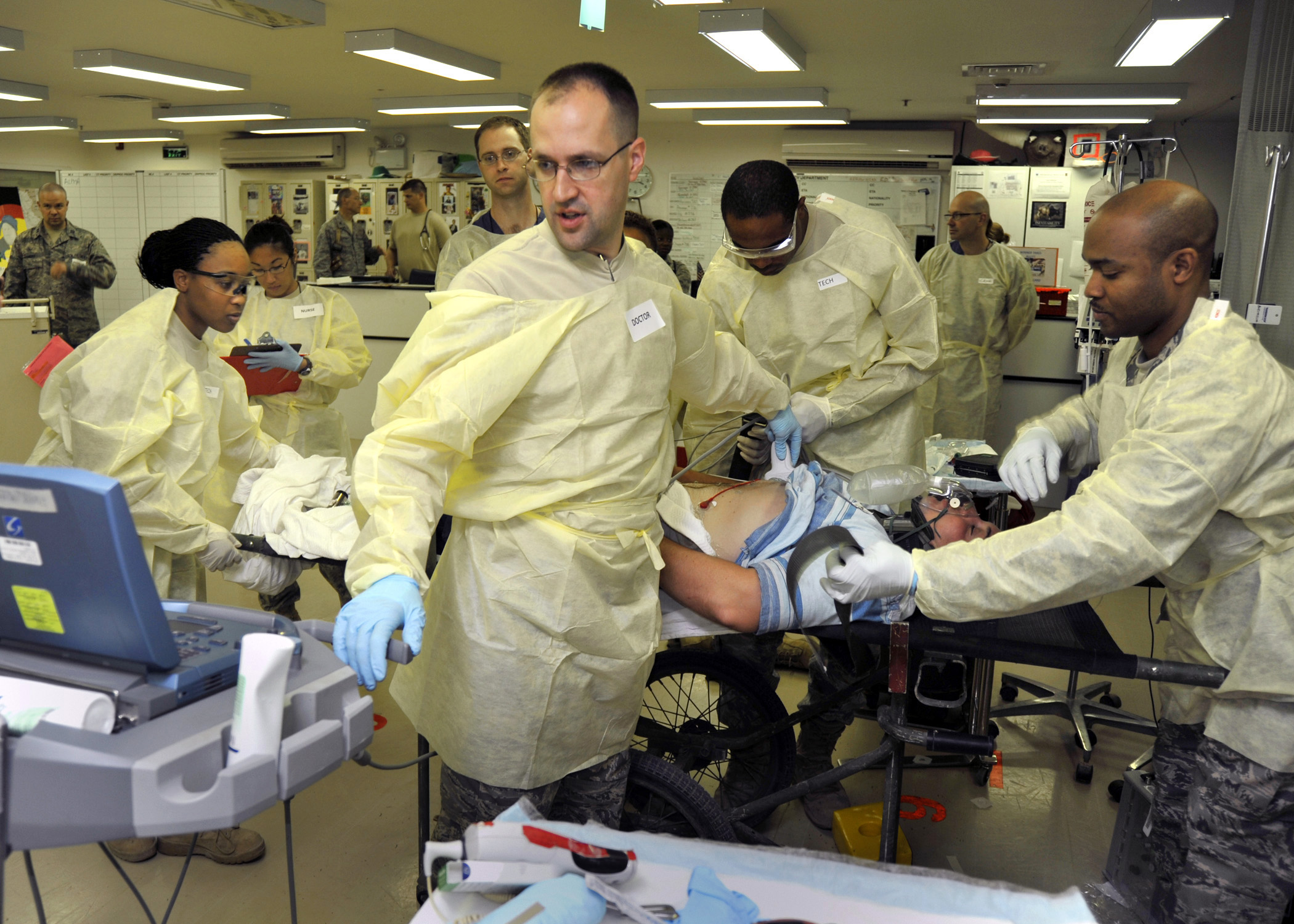

In paramedic training, 225 paramedics took part in a 1-day pediatric continuing professional development program between January and March 2022 and then completed a post-program survey. More than 90% agreed strongly that the simulation improved their knowledge and confidence for pediatric emergencies, and more than 89.3% agreed strongly that preparatory activities such as online materials, lectures, video-based learning and skills workstations left them better prepared.[75] A meta-analysis of studies published between 2000 and 2022 found that simulation-based education improved cognitive, emotional and psychomotor competencies for managing emerging infectious diseases.[77]
Role-play simulations allow experiential learning, in which learners act out a role and live with the consequences of their choices, to reach large groups. One program delivered three risk management simulations to nearly 6,000 managers on five continents, and performance rose from the first simulation to the second, which the program took as evidence that learning carried over. Learners who underperformed were given remedial practice, and their performance improved by 227%.[78]
Foreign policy programs face limited workplace placements because diplomatic work is sensitive, so an Australian dual strategy initiative used in-person simulations to teach both subject knowledge and professional skills, and feedback from students, industry and staff supported both aims.[79] Competitive business simulations push participants through repeated application of business skills with coaching and feedback, and their value depends on careful planning of goals, strategy and features.[80] For school principals, digital simulations were studied across recruitment, preparation, induction and in-service professional development, and the findings suggest they help prospective leaders understand school leadership and sharpen decision-making.[81]
Language learning and intercultural understanding
Computer-based simulations have been examined as tools for second-language learning, and one analysis asked how such simulations could best be exploited for language-learning purposes. That analysis separated three settings in which learners meet a simulation: the classroom, a computer room, and self-access. It then compared types of simulations by the activities each one encourages and suggested which setting suits those activities best.[82]
Simulations have also been used to teach students about a political conflict they may regard from the outside or from within. One study tested the computer game Global Conflicts, which simulates the Israeli-Palestinian conflict, with Israeli-Jewish, Palestinian, Turkish, and American undergraduate students, treating Israelis and Palestinians as direct parties to the conflict and Turks and Americans as third parties. Learning was measured in two ways: knowledge acquired about the conflict and change in attitudes toward it. All groups gained knowledge about the conflict after playing the game. The game narrowed the knowledge gap between the third parties, the Americans and the Turks, but not between the direct parties. The attitudes of direct parties to the conflict stayed the same, both toward the conflict and toward the Gaza operation of 2012. Among third parties, attitudes moved toward a more balanced position. The researchers placed the result within a series of studies on computerized simulations and peacebuilding and called for further work on the conditions under which such technology can serve as an effective peacebuilding intervention.[83]
What this looks like when you study
On a retention test given later, the simulation group still scored higher, with a mean of 8.07 against 5.58.[33] In a second chemistry study, 320 secondary students in Tanzania used simulations and animations to learn science process skills. The treatment group's mean rose from 42.26 before the lessons to 65.79 after them. The control group's mean rose only from 41.59 to 48.03 over the same period.[64]
In a study of Newton's second law, 90 grade 11 students in the United Arab Emirates used computer simulations in place of face-to-face teaching. The simulations used visualization to connect the concepts and details of the law. The simulation classes scored better than the face-to-face classes, and both girls and boys gained. The authors recommended that physics teachers integrate computer simulations into their teaching.[39]
In a general chemistry course, students in discussion sections worked through simulation-based concept development activities before class. The activities covered phases and phase changes, colligative properties, and chemical kinetics. The simulation group outperformed the lecture group on the chemical kinetics assessments.[14]
Work through the simulation more than once, because repetitive practice was a key feature in 43 of 109 reviewed medical simulation articles.[4] If you already know the topic well, ask for a reflection phase after the run; learners with high prior knowledge benefited more from reflection. If the topic is new to you, ask for worked examples first; in the 2020 meta-analysis, learners who began with little prior knowledge did better when examples supported them.[3] When you make an error, elaborate on it rather than ignore it, and expect the benefit to fade as tasks repeat.[17]
Criticism
Criticism, risks and open questions
Simulations are one active learning method among several, not the only way to make a class active. The study concluded that a broader range of active learning strategies can improve teaching for all students.[84]
Critics cited in a 2013 study argued that the experience of disability cannot be simulated, which casts doubt on the value of such exercises. That study collected written stories from 57 undergraduates (41 female, 16 male) in a required physical education course and sorted them into three themes. The themes were relief at not having a disability, a changed view, and uncertainty about the exercise itself. The findings suggested that disability simulations can produce varied outcomes, including unintended ones, and the study called for more research on their usefulness.[85] A 2016 case study of a poverty simulation argued that such exercises, when run without critical thought, may reinforce inequality rather than help students act against poverty.[86]
One 2022 paper on training teachers for underserved gifted students argued that scenarios must be designed to approximate real students, so that trainees move from pretense to belief.[87] A 2011 paper noted that the effectiveness of multimedia computer-based learning remains controversial, with some suggestions that it holds no advantage over traditional formats. That paper proposed that simulation may still prove its value where real experiential learning is expensive, undesirable or even dangerous.[88]
In a 2022 experiment, students were randomly assigned to learn about electric charges either through inquiry-based learning with a computer simulation or through game-based learning with a computer videogame. Both environments improved conceptual learning, with no statistically significant difference between them. Students found the game-based environment more engaging and also more frustrating. Cognitive load, the mental effort a task demands, did not predict learning, though different types of cognitive load correlated with different emotions. Students in both conditions reported confusion and task-unrelated thoughts alongside engagement.[89]
Common misconceptions
A simulation need not match the physical look of the real setting to be effective; in the 2024 meta-analysis, authenticity and salience were assessed independently of each other. A meta-analysis of 214 studies found that authenticity and salience, the prominence of the relevant information, can be assessed independently of each other. Both are important design features for learners with different levels of prior knowledge.[21]
In a survey of staff at one UK higher education institution, the use of simulations was not tied to perceptions of resource issues; views on suitability and risk mattered instead. What predicted use was how staff judged the fit of these methods for their subject and the risk they saw in them.[61]
In an introductory writing-intensive seminar on globalization, students surveyed about six active learning techniques did not rank simulations as their most preferred activity. Different activities appealed to students with different learning preferences.[84]
Key studies
| Year | Study | Sample | Design | Finding |
|---|---|---|---|---|
| 2004 | Gibbons et al.[69] | university biology students in two case studies | evaluation of two computer-based simulations | Simulations saved time by a factor of four in the first case and improved performance by 7% in the second. |
| 2005 | Barry Issenberg et al.[4] | Systematic review of 109 empirical studies of high-fidelity medical simulations, 1969 to 2003 | Feedback was named by 51 (47%) articles as the most important feature, and repetitive practice by 43 (39%). | |
| 2011 | McGaghie et al.[5] | 14 studies from 3,742 identified articles | meta-analytic comparative review | Simulation-based medical education with deliberate practice had an overall effect size of 0.71 compared with traditional clinical education. |
| 2015 | Brydges et al.[16] | 32 studies enrolling 2482 trainees | systematic review and meta-analysis | Trainees without an instructor did worse on immediate post-tests (pooled effect size -0.34), while supports for self-regulated learning brought small gains. |
| 2018 | Kampf & Stolero[83] | Israeli-Jewish, Palestinian, Turkish, and American undergraduate students | comparison of learning outcomes from a computer game | Participants acquired knowledge about the conflict, and the game minimized the knowledge gap between third parties but not between direct parties. |
| 2020 | Chernikova et al.[3] | 145 empirical studies | meta-analysis | Simulations had a large positive overall effect of g = 0.85, with confidence intervals from 0.69 to 1.02. |
| 2021 | Asegid & Assefa[6] | 24 studies with 2209 participants | systematic review and meta-analysis | Simulation-based teaching improved nursing skill performance with d = 1.01, though heterogeneity was significant. |
| 2022 | Beichumila et al.[64] | 320 secondary students in Tanzania | quasi-experimental mixed methods study | The treatment group's mean rose from 42.26 to 65.79, while the control group's rose from 41.59 to 48.03. |
| 2022 | AlArabi et al.[39] | 90 grade 11 students in the United Arab Emirates | quasi-experimental study | Computer simulations of Newton's second law produced better results than face-to-face teaching for both girls and boys. |
| 2022 | Krüger et al.[32] | Two comparative studies with 443 and 367 secondary school students in school and student laboratory settings | Students working on computer simulations showed higher learning success than those working on experiments, despite higher cognitive load. | |
| 2024 | Batamuliza et al.[33] | 320 grade 8 students in Rwanda | quasi-experimental study | The simulation group's mean post-test score was 8.67 against 6.69 for the control group, and retention scores were 8.07 against 5.58. |
| 2024 | Freeman & Lee[49] | 57 teacher candidates | qualitative case study | Candidates valued the real-life experience, but a single simulation did not give them enough practice to learn best teaching practices. |
| 2025 | Badawi et al.[75] | 225 paramedics | quantitative post-intervention survey | More than 90% strongly agreed that simulation enhanced knowledge and confidence, and more than 89.3% agreed pre-simulation activities improved preparedness. |
| 2026 | Richters et al.[17] | 194 medical students | task study with logged error responses | Students who worked through their errors shared information better and performed better at first, though that performance advantage shrank from task to task. |
See also
References
- Lioce, L., & Lopreiato, J. (2024). Healthcare Simulation Dictionary, Third Edition. Agency for Healthcare Research and Quality. https://www.ssih.org/sites/default/files/2025-03/Healthcare-Simulation-Dictionary-3.pdf
- Swaak, J., & De Jong, T. (2001). Discovery simulations and the assessment of intuitive knowledge. Journal of Computer Assisted Learning, 17(3), 284-294. doi:10.1046/j.0266-4909.2001.00183.x
- Chernikova, O., Heitzmann, N., Stadler, M., Holzberger, D., Seidel, T., & Fischer, F. (2020). Simulation-Based Learning in Higher Education: A Meta-Analysis. Review of Educational Research, 90(4), 499-541. doi:10.3102/0034654320933544
- Barry Issenberg, S., Mcgaghie, W. C., Petrusa, E. R., Lee Gordon, D., & Scalese, R. J. (2005). Features and uses of high-fidelity medical simulations that lead to effective learning: a BEME systematic review. Medical Teacher, 27(1), 10-28. doi:10.1080/01421590500046924
- McGaghie, W. C., Issenberg, S. B., Cohen, E. R., Barsuk, J. H., & Wayne, D. B. (2011). Does Simulation-Based Medical Education With Deliberate Practice Yield Better Results Than Traditional Clinical Education? A Meta-Analytic Comparative Review of the Evidence: . Academic Medicine, 86(6), 706-711. doi:10.1097/acm.0b013e318217e119
- Asegid, A., & Assefa, N. (2021). Effect of simulation-based teaching on nursing skill performance: a systematic review and meta-analysis. Frontiers of Nursing, 8(3), 193-208. doi:10.2478/fon-2021-0021
- Lyons, J. (2012). Learning with technology: Theoretical foundations underpinning simulations in higher education. ASCILITE Publications, 582-586. doi:10.14742/apubs.2012.1628
- RAJ, P. P., KRICKA, L. J., & CLEWETT, A. J. (1982). Microcomputer simulations as aids in medical education: application in clinical chemistry †. Medical Education, 16(6), 332-342. doi:10.1111/j.1365-2923.1982.tb00946.x
- Porter, T. S., Riley, T. M., & Ruffer, R. L. (2004). A Review of the Use of Simulations in Teaching Economics. Social Science Computer Review, 22(4), 426-443. doi:10.1177/0894439304268464
- Atkinson, F. D. (1977). Designing Simulations and Games: A Workshop for Health Care Professionals. Health Education Monographs, 5(1_suppl), 58-63. doi:10.1177/10901981770050s109
- Thiagarajan, S. (1977). Evaluation of Simulations and Games: A Comprehensive Procedure and a Case History. Health Education Monographs, 5(1_suppl), 64-73. doi:10.1177/10901981770050s110
- Duke, E. S. (1986). A Taxonomy of Games and Simulations for Nursing Education. Journal of Nursing Education, 25(5), 197-206. doi:10.3928/0148-4834-19860501-07
- Waddington, D. I. (2015). Dewey and Video Games: From Education through Occupations to Education through Simulations. Educational Theory, 65(1), 1-20. doi:10.1111/edth.12092
- Ajayan, P., Cao, R., & Eichler, J. F. (2025). Promoting Conceptual Learning Using Scaffolded Activities That Incorporate Interactive Simulations. Education Sciences, 15(5), 566. doi:10.3390/educsci15050566
- Laurillard, D. (1992). Learning through collaborative computer simulations. British Journal of Educational Technology, 23(3), 164-171. doi:10.1111/j.1467-8535.1992.tb00327.x
- Brydges, R., Manzone, J., Shanks, D., Hatala, R., Hamstra, S. J., Zendejas, B., & Cook, D. A. (2015). Self‐regulated learning in simulation‐based training: a systematic review and meta‐analysis. Medical Education, 49(4), 368-378. doi:10.1111/medu.12649
- Richters, C., Stadler, M., Braun, L., Fischer, M. R., & Heitzmann, N. (2026). Learning From Errors in Simulations: How Individual Error Responses Shape Collaborative Problem‐Solving Skills. Journal of Computer Assisted Learning, 42(3). doi:10.1002/jcal.70251
- Rey, G. D. (2011). Time advice and learning questions in computer simulations. Australasian Journal of Educational Technology, 27(3). doi:10.14742/ajet.951
- Rey, G. D. (2010). Instructional advice, time advice and learning questions in computer simulations. Australasian Journal of Educational Technology, 26(5). doi:10.14742/ajet.1058
- Das, S. (2026). Designing Verifiable Educational Simulations: Technical Verification of OpenHydroLab for Undergraduate Hydraulics and Hydrology. Education Sciences, 16(10), 1703. doi:10.3390/educsci16101703
- Chernikova, O., Holzberger, D., Heitzmann, N., Stadler, M., Seidel, T., & Fischer, F. (2024). Where salience goes beyond authenticity: A meta-analysis on simulation-based learning in higher education. Zeitschrift für Pädagogische Psychologie, 38(1-2), 15-25. doi:10.1024/1010-0652/a000357
- Velasco, J. J., Buteler, L. M., & Coleoni, E. A. (2024). Learning with computer simulations: a case study on reservoir temperatures in carnot cycles. Investigações em Ensino de Ciências, 29(3), 172-190. doi:10.22600/1518-8795.ienci2024v29n3p172
- Fuchs, H. U., Corni, F., & Pahl, A. (2021). Embodied Simulations of Forces of Nature and the Role of Energy in Physical Systems. Education Sciences, 11(12), 759. doi:10.3390/educsci11120759
- Greene, C. S. (1981). Computer-Based Simulations: Overcoming Instructor Misgivings Through Effective Planning. Journal of Marketing Education, 3(2), 13-18. doi:10.1177/027347538100300204
- Gerber, S., Quarder, J., Greefrath, G., & Siller, H. S. (2023). Promoting adaptive intervention competence for teaching simulations and mathematical modelling with digital tools: theoretical background and empirical analysis of a university course in teacher education. Frontiers in Education, 8. doi:10.3389/feduc.2023.1141063
- GET-IT Glossary (plain-language health research terms) (n.d.). meta-analysis. GET-IT Glossary (plain-language health research terms). https://getitglossary.org/term/meta-analysis
- Ali, M. S. (2025). A Meta Analysis of Simulation Based Learning and Instructional Support in Higher Education. Journal of Enterprise and Business Intelligence, 234-247. doi:10.53759/5181/jebi202505023
- Karam, M., Baeshen, M., Lau, T. H. A., Jamal, L., Abbas, K., Falcao, M., & Rocha, G. (2026). Efficacy of Simulation-Based Learning for Direct and Indirect Ophthalmoscopy: A Systematic Review and Meta-analysis. Simulation in Healthcare: The Journal of the Society for Simulation in Healthcare, 21(3), 180-187. doi:10.1097/sih.0000000000000868
- HTA Glossary (health technology assessment) (n.d.). confidence interval (CI). HTA Glossary (health technology assessment). https://htaglossary.net/confidence-interval-%28CI%29
- Kusumawardani, S., & Widhanarto, G. P. (2026). Effectiveness of DGBL in Elementary Mathematics: A Meta‐Analysis of Simulation‐Based Games and Year Group Appropriateness. Journal of Computer Assisted Learning, 42(4). doi:10.1002/jcal.70295
- Tsai, Y., & Tsai, C. (2020). A meta‐analysis of research on digital game‐based science learning. Journal of Computer Assisted Learning, 36(3), 280-294. doi:10.1111/jcal.12430
- Krüger, J. T., Höffler, T. N., Wahl, M., Knickmeier, K., & Parchmann, I. (2022). Two comparative studies of computer simulations and experiments as learning tools in school and out-of-school education. Instructional Science, 50(2), 169-197. doi:10.1007/s11251-021-09566-1
- Batamuliza, J., Habinshuti, G., & Nkurunziza, J. B. (2024). Integration of interactive computer simulations in teaching and learning chemical reaction: Students’ performance and concept retention. Journal of Technology and Science Education, 14(4), 1060. doi:10.3926/jotse.2682
- Kotsis, K. T. (2026). Digital Technologies in Science Education: Interactive Simulations, Virtual Laboratories, And Pedagogical Transformation. Global Journal of Education, Finance and Management, 02(05). doi:10.65150/ep-gjefm/v2e5/2026-02
- Rayan, B., Daher, W., Diab, H., & Issa, N. (2023). Integrating PhET Simulations into Elementary Science Education: A Qualitative Analysis. Education Sciences, 13(9), 884. doi:10.3390/educsci13090884
- Liu, M., Horton, L., Kang, J., Kimmons, R., & Lee, J. (2013). Using a Ludic Simulation to Make Learning of Middle School Space Science Fun: . International Journal of Gaming and Computer-Mediated Simulations, 5(1), 66-86. doi:10.4018/jgcms.2013010105
- Zhautikov, Y. (2026). Didactic Potential of Immersive Simulations and Digital STEM Ecosystem in Chemistry Education. International journal of chemistry and chemical engineering, 06(02), 10-13. doi:10.55640/ijce-06-02-03
- Beichumila, F., Kafanabo, E., & Bahati, B. (2022). Exploring the Use of Chemistry-based Computer Simulations and Animations Instructional Activities to Support Students’ Learning of Science Process Skills. International Journal of Learning, Teaching and Educational Research, 21(8), 21-42. doi:10.26803/ijlter.21.8.2
- AlArabi, K., Tairab, H., Wardat, Y., Belbase, S., & Alabidi, S. (2022). Enhancing the learning of newton’s second law of motion using computer simulations. Journal of Baltic Science Education, 21(6), 946-966. doi:10.33225/jbse/22.21.946
- Fan, X., Geelan, D., & Gillies, R. (2018). Evaluating a Novel Instructional Sequence for Conceptual Change in Physics Using Interactive Simulations. Education Sciences, 8(1), 29. doi:10.3390/educsci8010029
- Sanjari, A., & Manouchehri, A. (2024). Interactive Learning: Unpacking the Influence of Computer Simulations on Students’ Mathematical Modeling Processes. Education Sciences, 14(4), 397. doi:10.3390/educsci14040397
- Liu, C., Lin, T., Cheng, C., Wen, C., Chang, M., Fan Chiang, S., Tsai, M., Lin, H., & Hwang, F. (2022). The impact of functional interdependencies of computer simulations on collaborative learning: Evidence from multiple sources. Journal of Computer Assisted Learning, 38(2), 455-469. doi:10.1111/jcal.12625
- Chang, C. ‐., Chang, M. ‐., Liu, C. ‐., Chiu, B. ‐., Fan Chiang, S. ‐., Wen, C. ‐., Hwang, F. ‐., Chao, P. ‐., Chen, Y. ‐., & Chai, C. ‐. (2017). An analysis of collaborative problem‐solving activities mediated by individual‐based and collaborative computer simulations. Journal of Computer Assisted Learning, 33(6), 649-662. doi:10.1111/jcal.12208
- López‐Úbeda, R., & García‐Vázquez, F. A. (2022). Self‐directed learning using computer simulations to study veterinary physiology: Comparing individual and collaborative learning approaches. Veterinary Record, 191(8). doi:10.1002/vetr.1732
- Mabascog, S., & Orongan, M. (2025). Students’ Engagement And Academic Achievement In Science Through Computer Simulations In A Collaborative Learning Environment. International Journal For Multidisciplinary Research, 7(3). doi:10.36948/ijfmr.2025.v07i03.47427
- Mukama, E., & Byukusenge, P. (2023). Supporting Student Active Engagement in Chemistry Learning with Computer Simulations. Journal of Learning for Development, 10(3), 427-439. doi:10.56059/jl4d.v10i3.802
- PEREİRA GOMES, D. L., DOS SANTOS, A. M., & FERREİRA, R. (2023). Simulations development for inclusive physics education. Journal of STEAM Education, 6(2), 160-171. doi:10.55290/steam.1177331
- Lindberg, S., & Jönsson, A. (2023). Preservice Teachers Training with Avatars: A Systematic Literature Review of “Human-in-the-Loop” Simulations in Teacher Education and Special Education. Education Sciences, 13(8), 817. doi:10.3390/educsci13080817
- Freeman, I. M., & Lee, H. (2024). Pre-Service Teacher Candidates’ Perceptions of Classroom-Based Mixed-Reality Simulations. Education Sciences, 14(4), 347. doi:10.3390/educsci14040347
- Devi, A., & Cutri, J. (2026). Bandura in Virtual Reality: Examining Self-Efficacy-Related Learning Through Immersive Classroom Simulations. Education Sciences, 16(6), 856. doi:10.3390/educsci16060856
- Budin, S. (2024). Three Approaches to Using Mixed Reality Simulations for Teacher Preparation and Recruitment of Future Teachers. Education Sciences, 14(1), 75. doi:10.3390/educsci14010075
- Schuwirth, L. W. T., & Van Der Vleuten, C. P. M. (2003). The use of clinical simulations in assessment. Medical Education, 37(s1), 65-71. doi:10.1046/j.1365-2923.37.s1.8.x
- Jefferies, G. (2024). Utilising H5P Simulations to Enhance Social Work Education. Social Sciences, 13(11), 598. doi:10.3390/socsci13110598
- Walburg, S., & Terlouw, G. (2026). Digital Simulations for Future Proof Nurses: Hybrid Implementation Approach. Education Sciences, 16(9), 1353. doi:10.3390/educsci16091353
- Nelson, D. L., & Blenkin, C. (2007). The Power of Online Role-Play Simulations: Technology in Nursing Education. International Journal of Nursing Education Scholarship, 4(1). doi:10.2202/1548-923x.1263
- Dotger, B., Dekaney, E., & Coggiola, J. (2019). In the limelight: Utilizing clinical simulations to enhance music teacher education. Research Studies in Music Education, 41(1), 99-116. doi:10.1177/1321103x18773102
- Fox, J., Pittaway, L., & Uzuegbunam, I. (2018). Simulations in Entrepreneurship Education: Serious Games and Learning Through Play. Entrepreneurship Education and Pedagogy, 1(1), 61-89. doi:10.1177/2515127417737285
- Parker, W. C., & Lo, J. C. (2016). Reinventing the High School Government Course: Rigor, Simulations, and Learning from Text. Democracy & Education, 24(1). doi:10.65214/2164-7992.1240
- de Groot, I. (2018). Political Simulations: An Opportunity for Meaningful Democratic Participation in Schools. Democracy & Education, 26(2). doi:10.65214/2164-7992.1376
- Nandani, S., & Raturi, S. (2024). Digital simulations as a pedagogical tool: How ready are Fiji year‐11 science teachers? Journal of Computer Assisted Learning, 40(6), 3249-3263. doi:10.1111/jcal.13071
- Lean, J., Moizer, J., Towler, M., & Abbey, C. (2006). Simulations and games: Use and barriers in higher education. Active Learning in Higher Education, 7(3), 227-242. doi:10.1177/1469787406069056
- Makamu, G., & Ramnarain, U. (2022). Physical Sciences Teachers’ Enactment of Simulations in 5E Inquiry-Based Science Teaching. Education Sciences, 12(12), 864. doi:10.3390/educsci12120864
- Habibi, M. W., Jiyane, L., & Özşen, Z. (2024). Learning Revolution: The Positive Impact of Computer Simulations on Science Achievement in Madrasah Ibtidaiyah. Journal of Educational Technology and Learning Creativity, 2(1), 13-19. doi:10.37251/jetlc.v2i1.976
- Beichumila, F., Bahati, B., & Kafanabo, E. (2022). Students’ Acquisition of Science Process Skills in Chemistry through Computer Simulations and Animations in Secondary Schools in Tanzania. International Journal of Learning, Teaching and Educational Research, 21(3), 166-195. doi:10.26803/ijlter.21.3.10
- Department of Science Education Faculty of Education University of Lagos, Nigeria, Akinoso, S. O., Olaniyi, O. A., Department of Science Education Faculty of Education University of Lagos, Nigeria, Akinoso, H. A., & Department of Business Administration, Coles College of Business Kennesaw State University, USA (2025). Effect of phet simulations on secondary school students' achievement in elementary algebra. Lagos Education Review, 20(2), 202-212. doi:10.52968/15062424
- Faculty of Primary Education, Thai Nguyen University of Education 20 Luong Ngoc Quyen Street, Thai Nguyen city, Vietnam, Binh, L. T., Hue, N. T., Student K57A - Faculty of Primary Education, Thai Nguyen University of Education 20 Luong Ngoc Quyen Street, Thai Nguyen city, Vietnam, Giang, N. T. V., Student K57A - Faculty of Primary Education, Thai Nguyen University of Education 20 Luong Ngoc Quyen Street, Thai Nguyen city, Vietnam, Nhai, N. T., Student K57A - Faculty of Primary Education, Thai Nguyen University of Education 20 Luong Ngoc Quyen Street, Thai Nguyen city, Vietnam, Thao, P. T., Student K57A - Faculty of Primary Education, Thai Nguyen University of Education 20 Luong Ngoc Quyen Street, Thai Nguyen city, Vietnam, Linh, N. K., & Student K57A - Faculty of Primary Education, Thai Nguyen University of Education 20 Luong Ngoc Quyen Street, Thai Nguyen city, Vietnam (2025). The Current Status of the use of Gizmos Interactive Simulations in Teaching Science and Social Studies - 3rd Grade: A Case Study in Selected Primary Schools in Vietnam. International Journal of Social Science and Human Research, 08(02). doi:10.47191/ijsshr/v8-i2-63
- Rebecca Mhlongo, M., Kriek, J., & Basson, I. (2011). The contribution of simulations to the practical work of Foundation Physics students at the University of Limpopo. Multicultural Education & Technology Journal, 5(4), 288-302. doi:10.1108/17504971111185117
- Plovdiv University Paisij Hilendarski, Plovdiv, & Petrova, H. (2020). Modeling using phet simulations in teaching physics at secondary school. Education and Technologies Journal, 11(1), 199-203. doi:10.26883/2010.201.2270
- Gibbons, N. J., Evans, C., Payne, A., Shah, K., & Griffin, D. K. (2004). Computer Simulations Improve University Instructional Laboratories. Cell Biology Education, 3(4), 263-269. doi:10.1187/cbe.04-06-0040
- Natural Sciences and Mathematics Department, College of Arts and Science, Notre Dame of Marbel University, Koronadal City, South Cotabato, Philippines, Mercado, J., Picardal, J. P., & Research Institute of Tropical Biology & Pharmacological Biotechnology, Cebu Normal University, Cebu City, Philippines (2023). Virtual Laboratory Simulations in Biotechnology: A Systematic Review. Science Education International, 34(1), 52-57. doi:10.33828/sei.v34.i1.6
- Shekh-Abed, A. (2025). Enhancing Learning in Microelectronic Circuits: Integrating LTspice Simulations and Structured Reflections in a Design Project. Education Sciences, 15(8), 1045. doi:10.3390/educsci15081045
- Shen, Z., Jensen, W., Wentz, T., & Fischer, B. (2012). Teaching Sustainable Design Using BIM and Project-Based Energy Simulations. Education Sciences, 2(3), 136-149. doi:10.3390/educsci2030136
- De Villliers, R. (2017). Emphasising the usefulness of simulations in audit education: Student perceptions at a SAICA-accredited South African university. Journal of Economic and Financial Sciences, 9(2), 485-502. doi:10.4102/jef.v9i2.54
- Reid, J. A. (2025). Building Clinical Simulations With ChatGPT in Nursing Education. Journal of Nursing Education, 64(5). doi:10.3928/01484834-20240424-05
- Badawi, A. A., Alinier, G., & Arije, S. B. (2025). Exploring the perceived impact of pediatric simulations and pre-simulation activities in paramedic education: A quantitative post-intervention study. Qatar Medical Journal, 2025(3). doi:10.5339/qmj.2025.86
- Wang, X. (., O’Malley, A., Hughes, A., & Khalid, M. S. (2026). Generative AI-Integrated Virtual Agents and Simulations in Health Professions Education: A Systematic Review. Education Sciences, 16(6), 973. doi:10.3390/educsci16060973
- Yoon, S., & Kim, S. H. (2025). Assessing the Effectiveness of Simulation-Based Education in Emerging Infectious Disease Management: A Systematic Review and Meta-analysis. Simulation in Healthcare: The Journal of the Society for Simulation in Healthcare, 20(2), 118-128. doi:10.1097/sih.0000000000000812
- Kok, B. E., Dagger, D., Gaffney, C., & Kenny, A. (2018). Experiential Learning at Scale with Computer-Based Roleplay Simulations. International Journal of Advanced Corporate Learning (iJAC), 11(2), 24. doi:10.3991/ijac.v11i2.9364
- Kelton, M., & Kingsmill, V. (2016). Simulations for the Discipline Specific and Professional Education of Foreign Policy Graduates. Journal of University Teaching and Learning Practice, 13(5). doi:10.53761/1.13.5.6
- Cadotte, E. R. (2016). Creating Value in Marketing and Business Simulations: An Author’s Viewpoint. Journal of Marketing Education, 38(2), 119-129. doi:10.1177/0273475316649741
- Azukas, M. E., Dexter, S., & Gibson, D. (2025). An Exploratory Study of Simulations for Leadership Development in the Principal Pipeline. Education Sciences, 15(6), 770. doi:10.3390/educsci15060770
- Jordan, G. (1992). Exploiting Computer-Based Simulations for Language-Learning Purposes. Simulation & Gaming, 23(1), 88-98. doi:10.1177/1046878192231008
- Kampf, R., & Stolero, N. (2018). Learning About the Israeli–Palestinian Conflict Through Computerized Simulations: The Case of Global Conflicts. Social Science Computer Review, 36(1), 125-134. doi:10.1177/0894439316683641
- Bromley, P. (2013). Active Learning Strategies for Diverse Learning Styles: Simulations Are Only One Method. Political Science and Politics, 46(4), 818-822. doi:10.1017/s1049096513001145
- Leo, J., & Goodwin, D. L. (2013). Pedagogical Reflections on the Use of Disability Simulations in Higher Education. Journal of Teaching in Physical Education, 32(4), 460-472. doi:10.1123/jtpe.32.4.460
- Browne, L. P., & Roll, S. (2016). Toward a More Just Approach to Poverty Simulations. Journal of Experiential Education, 39(3), 254-268. doi:10.1177/1053825916643832
- Eriksson, G. (2022). Pretense or Belief: Creating Meaningful Scenarios and Simulations for Authentic Learning about Diverse Underserved Gifted Students. Education Sciences, 12(8), 532. doi:10.3390/educsci12080532
- Garrett, B. M., & Callear, D. (2011). Designing intelligent computer-based simulations: a pragmatic approach. Research in Learning Technology, 9(3). doi:10.3402/rlt.v9i3.12033
- Magana, A. J., Hwang, J., Feng, S., Rebello, S., Zu, T., & Kao, D. (2022). Emotional and cognitive effects of learning with computer simulations and computer videogames. Journal of Computer Assisted Learning, 38(3), 875-891. doi:10.1111/jcal.12654
Cite this page: Atlas Nova editors. (2026). Simulations in education. Atlas Nova. https://velocer.io/atlas/simulations-in-education/