
Concept · Teaching
Pedagogy
Teaching knowledge and practice
Pedagogy is the knowledge and practice teachers use to plan and guide instruction. It includes how teachers reason about subject matter, technology and students' learning, and how they decide what to do in the classroom.[1][2]
Teachers make planning and interactive decisions that shape classroom instruction.[1] Active and student-centred methods improved engagement and exam performance in a biology course.[3] Direct instruction can narrow children's spontaneous exploration and discovery.[4] Student voice in curriculum and pedagogy can engage students and improve civic engagement.[5]
Key facts
| 55 | peer-reviewed journal articles reviewed on TPACK by Voogt and colleagues (2013)[6] |
|---|---|
| 97 | pre-service teachers studied by So and Kim (2009) on technology integration[7] |
| 32 | empirical studies of K-12 AI teaching programs reviewed by Yue and colleagues (2022)[8] |
| 35 | papers on creative pedagogies included in the final review by Cremin and Chappell (2021)[9] |
Overview
What pedagogy means and where it comes from
Pedagogy is the study and practice of teaching, and the word names both what teachers do and the disciplined thinking about why they do it.[10] A related usage treats pedagogy as an ethical practice rather than a knowledge-based one, built on the theory of virtue development that comes from Aristotelian virtue ethics. In that view, teaching is a virtue-driven activity in which a teacher exercises a mix of epistemic, technical, poetic and ethical virtues.[11]
Pedagogy is often set beside didactics, which is the theory of pedagogical education concerned with the general pedagogical process.[12] One strand of didactics is described as psychologically based and is presented through its theoretical grounding, in contrast with the educational-theoretical didactics associated with Wolfgang Klafki.[13] Work on learner development and educational experience treats instructional planning as something to be analysed against the developmental tasks that students of a given age are working on.[14]
The history of pedagogy has passed through sharply different phases. In the past it was a practice of luxury, made for the privileged few. In some places it later became a tool of oppression.[10]
A separate line of research treats teaching as an evolved human capacity rather than only a cultural invention. This proposal holds that the cognitive mechanisms allowing cultural knowledge to pass between individuals by communication form a system called natural pedagogy, and that this system is an evolutionary adaptation along the hominin lineage. Three kinds of argument support the hypothesis. Third, data on early hominin technological culture fit the assumption that natural pedagogy was an independently selected cognitive system better than the assumption that it was a by-product of another human-specific adaptation such as language.[15]
History
Critical, feminist and emancipatory pedagogies
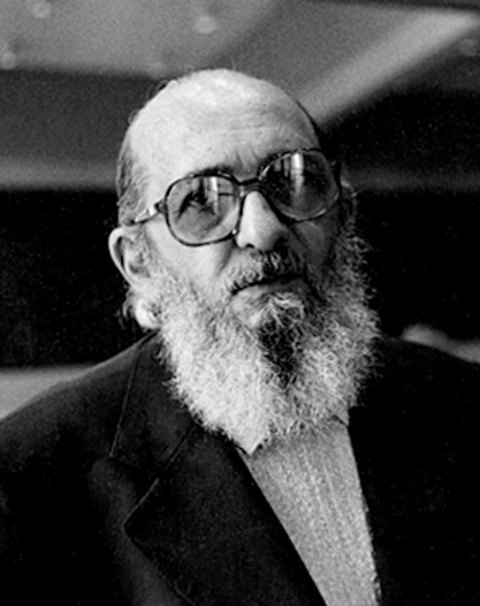
Dueñas Macías (2014) reviews the literature on critical pedagogy in the English as a foreign language classroom, covering its definition, education as reproduction, the role of the teacher, and how critical pedagogy is put into practice.[16] The Brazilian educator Paulo Freire set out the founding argument in Pedagogy of the Oppressed, which rejects what he called the banking model of education, in which the teacher deposits information in passive learners and thereby sustains intellectual domination. In place of that model Freire proposed co-learning, dialogue and cultural synthesis, with the aim of building critical consciousness, a habit of questioning the social arrangements that shape one's life. His account of humanizing literacy sought to restore learners' dignity, creativity and autonomy and to free them from intellectual tutelage. A 2025 review of the book reads Freire's dialogics and cultural inclusion as an effort to liberate people from the ideology of the oppressor and as a critique of political structures that produce docile citizens through literacy policy. The same review argues that the work remains relevant against dehumanizing literacy policies and in favor of emancipatory education.[17]
A 2014 literature review describes how critical pedagogy has been taken up in the English as a foreign language classroom. It covers education as reproduction, the role of the teacher, and the search for approaches that oppose conventional language classrooms and traditional processes with no transformational effect on learners.[16] A 2024 systematic review examined critical pedagogy-informed collaborative professional development in English language teaching, drawing on four databases and analyzing 67 studies from Asia, South, Central and North America, Europe, Australia and the Gulf countries. Those collaborative practices enabled teachers to develop a critical stance, carry out pedagogically critical actions, and begin social change in matters of social awareness and power distribution. The review adds a limit: the changes visible in teachers' pedagogical practices did not extend to a macro-social level.[18]
Historical-critical pedagogy is a Brazilian school of thought systematized by Dermeval Saviani, which emerged as a reference in disputes against banking education during the redemocratization that began in 1985. A 2026 systematic review with qualitative meta-synthesis mapped 127 studies published between 1985 and 2025, following PRISMA 2020 and ENTREQ reporting standards and searching SciELO, Scopus, Web of Science and BDTD. In the 1990s it resisted the neoliberalism of the LDB/1996 education law, and between 2003 and 2015 it gained space in teacher training and in the secondary school occupations of 2015. After 2016 the review records setbacks with EC 95/2016, BNCC/2017, Future-se/2019 and the Escola sem Partido movement, and it states that the Bolsonaro government (2019 to 2022) reduced the education budget by 13.5%, a period that produced 58 strikes and 214 reports of ideological persecution. The pandemic worsened inequalities, leaving 5.5 million students without internet access, and the pedagogy remained a practice of resistance.[19]
Postcolonial critique asks whether the dialogic classroom, which is organized around open exchange between teacher and students, reproduces the authority structures it claims to dismantle. That tendency is to reproduce the monologic classroom it nominally opposes.[20]
Main ideas
Didactics and the planning of instruction
Didactics is the branch of pedagogy concerned with the theory of teaching and learning, and with how teachers plan the instruction they give. In the German tradition, general didactics treats planning as the selection of content and the arrangement of the educational process, and teachers' design activity has traditionally been understood in exactly these terms. One recent analysis argues that this understanding has shifted as education has become more digital and as the quality of an outcome has come to be judged by students' independent learning activity.[21]
Planning connects stated aims to what actually happens in classrooms, and the chain of decisions runs from a teacher's intentions through teaching and learning to the assessment of student outcomes. A study of an integrated curriculum in a purposeful sample of Scottish secondary schools traced that chain by interviewing physical education teachers and students in 40 semi-structured and small group interviews. The curriculum was centrally defined and tried to link better performance in activities with knowledge of performance-related concepts. The interviews showed wide differences in the pedagogy teachers adopted when they tried to turn a dictated practical and experiential rationale into performance-led practice.[22]
Planning also reaches down to the level of a single subject and its place in the timetable, and comparative work on probability shows how differently curricula treat the same topic. An analysis of official curricular documents and examination guidelines in Morocco, France, Quebec and the United States used the Opportunity to Learn construct, which concerns the exposure students receive to a topic, as its framework. France introduces probability earlier, in Grade 9, and allocates 10% to 12% of mathematics hours, with a strongly formalist orientation. Quebec and the United States use spiral and competence-based progressions, introducing probability from Grade 6 to 7, integrating it with statistics and revisiting it across grades for 14% to 16% of mathematics hours.[23]
Some writers have proposed restating learning theory itself in the terms of information and communication, setting out the component structure of teaching communication and its model. That proposal gives a new information-based reading of the teaching method of learning and distinguishes method and way of learning, technique, methodology and technology of training.[24]
Pedagogical content knowledge and teacher knowledge
Pedagogical content knowledge, usually shortened to PCK, is a form of teacher knowledge that goes beyond knowing a subject or knowing general teaching methods. Lee Shulman introduced the idea in 1986 and described it as the amalgam of content and pedagogy, meaning the blending of subject matter with teaching know-how. In Shulman's account, this blending is what separates the experienced teacher from the content specialist who knows the field but has not learned to teach it. Later work produced many models of PCK, including a Consensus Model published in 2015 and a Refined Consensus Model published in 2019, which describe teachers planning, teaching, reflecting and reshaping their professional knowledge in repeating cycles rather than holding a fixed store of knowledge.[25]
Some versions of the idea are topic-specific, meaning the knowledge is tied to one particular topic rather than to a subject or to teaching in general.[26][2] Topic specificity also appears in empirical work: a qualitative case study of six senior high school chemistry teachers in Ghana's Upper West Region examined their PCK for teaching hybridization, using interviews, lesson plan analysis and observations. Most of those teachers had high knowledge of instructional strategies and of the science curriculum, but many had inadequate knowledge of their orientation toward science teaching, of assessment of scientific knowledge, and of students' understanding of science. The study concluded that their PCK was inadequate, because knowledge of instructional strategies and curriculum alone does not define an effective science teacher, and recommended in-service training in PCK.[27]
Hashweh's 2005 reconceptualization proposed replacing PCK with a collection of teacher pedagogical constructions, the basic units of a teacher's personal and private knowledge. On this view PCK is neither a subcategory of subject matter knowledge nor a general generic form of knowledge, and it preserves the planning and practical wisdom a teacher acquires by repeatedly teaching a certain topic.[2]
A survey of primary mathematics teachers found no significant association between content knowledge and teaching effectiveness (r = 0.18; p > 0.05), but a substantial association between PCK and teaching effectiveness (r = 0.35; p < 0.05). In the same analysis, multiple regression indicated that both content knowledge (β = 0.26; t = 2.30; p < 0.05) and PCK (β = 0.40; t = 3.58; p < 0.05) were essential for effective teaching.[28] A study of lecturers found no statistically significant influence of academic or professional qualifications on PCK, with no appreciable differences between professionally qualified and non-professionally qualified lecturers or among holders of HND, bachelor's, master's and terminal degrees.[29]
PCK develops during teacher education, and the teaching practicum, the supervised period of classroom practice, reinforces that development.[30] A systematic review of PCK for teaching the nature of science, the ideas about how scientific knowledge is produced and justified, found teachers' knowledge in this area inadequate and noted challenges in delivering science lessons infused with it. That review challenged the assumption of a simple link between teachers' conceptions of the nature of science and their proficiency in teaching it, and it argued for explicit exposure and training.[31] A systematic review is a summary of the studies on a clearly stated question that uses explicit, systematic methods to find, select and critically appraise the relevant studies.[32]
Technological pedagogical content knowledge
Technological pedagogical content knowledge (TPACK) is a framework describing the knowledge base teachers need in order to teach effectively with technology. Teacher knowledge and beliefs about pedagogy and technology are intertwined, and both shape whether a teacher decides to teach with technology. Active involvement in the design and enactment of technology-enhanced lessons appeared as a promising way to develop TPACK in student teachers and practising teachers.[6]
A review of TPACK research specific to language teachers identified 51 studies published from 2011 to 2019, with a peak in 2015 and most conducted in Asia and the Middle East. The studies fell into four areas: exploring TPACK, assessing TPACK, developing TPACK and applying TPACK. Teachers reported varying levels of confidence in their TPACK competence, yet their practice showed technology used mainly within traditional teacher-centred teaching. Effective interventions involved language teachers' understanding of the framework, modelling by teacher educators or experienced teachers, and teachers designing lessons collaboratively.[33]
Teachers' TPACK components showed significant positive correlations with student achievement, engagement and resilience, and pedagogical knowledge had the strongest relationship with academic achievement. TPACK levels differed when teachers were grouped by educational attainment and by field of specialization. The study used a quantitative correlational design with purposive sampling of mathematics teachers and their students in selected public secondary schools.[34]
Training studies have tested whether short programmes can raise teachers' perceptions of their own TPACK. Posttest scores were significantly higher than pretest scores on all TPACK dimensions, with large effect sizes, and participants' reflections indicated they understood the role of technology integration in creating meaningful learning experiences.[35] An effect size is a statistical calculation of how large a measurable effect is, for example the difference between the averages of two groups divided by the standard deviation.[36] The design compared one group before and after training, so the gains describe changes in self-reported perceptions rather than measured classroom performance.[35]
Studies of pre-service teachers designing technology-integrated lessons have found a gap between stated pedagogical knowledge and the lessons produced. Participants found it particularly difficult to generate authentic and ill-structured problems for a chosen topic, to find and integrate information and communications technology relevant to the target students and activities, and to balance teacher guidance with student independence.[7]
A qualitative study in a Vietnamese city reported that teachers saw integrating TPACK into English teaching as time-consuming, held back by time constraints and by students' cognitive abilities. Most teachers were confident in using pedagogical skills to deliver content in English classrooms through various approaches, techniques and methods.[37]
Newer work extends the framework to artificial intelligence.[38][39] In artificial intelligence contexts, content knowledge, pedagogical knowledge and knowledge of artificial intelligence tools had little influence on TPACK, and ethical aspects need to be considered when using artificial intelligence.[38] The Artificial Intelligence Pedagogical Content Knowledge (AIPACK) framework proposes strategies for applying artificial intelligence tools in education, with flexibility in adapting to advances in the technology and context-sensitive applications aligned with specific pedagogical goals.[39]
Active and student-centred teaching methods
A systematic review of innovative practices in higher education screened the literature with the PRISMA method, a standard checklist for reporting systematic reviews, and included 25 scholarly articles that met its criteria. That review sorted the practices it found into three groups: student-centred approaches, the integration of educational technology, and methods of evaluation and feedback.[40]
One detailed test of these ideas came from a one-semester undergraduate introductory biology course open to both majors and nonmajors. The redesign had three parts: course content was reordered so that specific topics were taught inside broad conceptual themes, active and problem-based learning was built into every lecture, and strategies were adopted to make the setting more student-centred. Assessment combined a student survey with a comparison of final exam performance across 3 years: 2006, one year before the redesign, and 2007 and 2008, two successive years of implementation. The restructuring produced significant improvement in self-reported student engagement and satisfaction and higher academic performance. The instructors also reported continuing challenges and questions about institutional change.[3]
The devil's advocate approach is a student-centred method in which learners are asked to argue against a position under discussion. A 2025 quasi-experiment tested it in social studies with 164 upper basic eight students from 4 schools, using pretest and posttest scores, a control group and a 2x2 factorial design. Learning outcomes were measured with the Social Studies Learning Outcomes Test, means were used for the study questions, and analysis of covariance, a statistical adjustment for pretest differences between groups, was used to test the hypotheses. The devil's advocate technique had a substantial effect on learning outcomes, while school location did not substantially affect them. The researchers recommended that social studies teachers adopt the method and that government provide training in it and enriched learning environments regardless of school location.[41]
Student-centred designs can meet resistance from students, and one study in nursing education examined a related idea called intentional learning, which covers autonomy, responsibility for one's own learning, self-regulation and motivation. The study used a quasi-experimental pretest and posttest design with 92 nursing students and tested whether an interview assignment would strengthen intentional learning. The assignment did not raise intentional learning scores, but scores did rise significantly over the semester (p=0.039). The result suggests that students move along a continuum of intentional learning depending on their learning experiences, and the researchers called for tests of teaching strategies that develop it.[42]
Teaching methods also carry assumptions about what education is for, and a 2024 analysis sorted contemporary university methods by the pedagogical paradigm they fit. The analysis identified three prevailing paradigms, technocratic, person-centred and competency-based, and found that some methods are tied fairly rigidly to one paradigm while others fit two. It offered recommendations to university teachers on choosing instructional constructs deliberately for the educational process.[43]
Why teaching can limit exploration and discovery
Teaching a child how a toy works can make the child less likely to find out what else the toy does. A 2011 study by Bonawitz, Shafto, Gweon, Goodman, Spelke and Schulz tested this idea with preschoolers and a toy that had several possible functions.[4]
A second line of work asks what students gain when they take the teaching role themselves. A 2017 review by Duran gathered evidence on learning-by-teaching, the idea that preparing and giving instruction to others is itself a way to learn, and set out its potential and its limits.[44]
Artificial intelligence in teaching practice
A systematic review of 28 empirical studies published between 2022 and 2024, drawn from journals indexed in the Web of Science under education categories, examined how these tools were used in pedagogical practice. The review reported that GenAI could raise instructional efficiency by giving prompt feedback and personalized learning materials, and could increase learners' engagement and motivation. It also reported that the tools supported idea generation and the development of general skills such as critical thinking and problem-solving. The same review identified problems: potential inaccuracies, bias, threats to academic integrity, and open questions about how effective GenAI is for teaching and learning overall. Its recommendation was that teachers use GenAI as a supplementary device, and that long-term effects and untested uses remain to be studied.[45]
A separate systematic review of 44 studies set out to describe how artificial intelligence of all kinds, not only generative tools, has supported teaching practice. The review sorted the applications into five types and described three pedagogical roles for AI: an instructional partner, an evaluative partner, and a pedagogical decision partner. It also named three technological characteristics that together distinguish AI in teaching: interactivity between the AI and the teacher, automaticity, and autonomy.[46]
Research on teaching artificial intelligence itself at the school level has grown alongside research on AI as a teaching tool. A systematic review searched the Web of Science database for empirical studies of K-12 AI teaching programs published from 2010 to 2022 and analyzed 32 of them, both descriptively and thematically. The review described the programs through nine dimensions, among them learning theory, pedagogical approach, teaching and learning activities, learning content, scale, teaching resources, prior knowledge required, aims and objectives, assessment, and learning outcome. It found that an increasing number of studies addressed AI education at the K-12 stage, but that most had a small sample size and collected data mainly through interviews and self-reports.[8]
Reflection and reflective teaching practice
A 2013 paper on teaching reflection in higher education argues that students can and should be taught to reflect in deep and transformative ways. The term appears in assessment tasks far more often than learners are shown how to communicate their disciplinary knowledge through reflection. That paper describes teaching reflection as a reflexive pedagogical balancing act. A teacher attends to several levels of reflection at once so that students produce focused, reasoned accounts that reveal new ways of thinking and doing. Academic or professional reflection usually aims to bring students to the highest level, where learning or practice is transformed. Yet when teachers neglect some levels, the reflections students produce show specific and observable gaps.[47]
For teachers themselves, reflective teaching practice is a framework for going beyond the mechanical execution of educational duties in higher education. A 2025 study interviewed eight lecturers from a school of chemistry in semi-structured interviews and asked which reflective practices, if any, had led to changes, and it examined how ongoing reflective practice supports curriculum alignment. The study concludes that reflective practices are indispensable for educators who aim at pedagogical excellence, and it links them to the development of employability skills, also called graduate skills, such as critical thinking in students.[48]
In the account Ivanov (2020) draws from Allakhverdov's theory, a student meeting a new scientific term may link it inaccurately to existing intellectual experience, and dialogue with the teacher moves the student from erroneous statements toward true ones. One 2020 theoretical article draws on the account of positive and negative choice of consciousness. In that account the teacher helps the student overcome negative choices and approach a successful positive one, and also acts as a motivator of creativity by helping the student activate internal resources when solving non-standard tasks. The article assigns the teacher a further function as a caregiver: helping the student reach a positive personal self-determination that preserves both search activity and critical self-esteem.[49]
A reflexive pedagogy has also been described through the arts, in a chapter excerpt from a 2009 doctoral dissertation that uses performative inquiry and installation art to connect meaning making in everyday life with encounters with visual culture. The excerpt draws on Merleau-Ponty to describe these encounters as a route that proceeds through dialogue and evokes change, and it treats an encounter with an art form as a point that may lead to new encounters of experience rather than as an end.[50]
Assessment, feedback and pedagogical documentation
Formative assessment is the use of evidence about student learning during instruction to adjust teaching, and one pedagogy built around it pairs classroom response technology with a specific set of teaching principles. A 2009 account of technology-enhanced formative assessment argues that most writing on these systems fails to separate the technology from the pedagogy, to define a pedagogical position, or to distinguish one pedagogy from another. The account presents the approach as a way to help teachers connect research findings to flexible classroom strategies in science instruction.[51]
Data-driven pedagogy extends assessment beyond the single lesson by using analytics, the systematic analysis of data collected about learners, to shape e-learning strategies. A 2023 study of open distance and e-learning institutions reports that adoption of data-driven pedagogy is spreading rapidly in that sector, while educators in some regions face obstacles related to data availability and network coverage even where digital tools are present. The study drew on a social-constructivist framework and an interpretivist perspective, combined quantitative and qualitative methods, surveyed 40 participants by questionnaire, and held interviews with 12 focus groups analysed thematically. Its findings indicate that a large share of students, in both urban and rural areas, gained from data-driven teaching.[52]
Pedagogical documentation makes learning visible by recording several forms of student data, and a scoping review published in 2023 examined how teachers carry it out as part of what it calls teacher data literacies practice. Teacher data literacy refers to teachers' capacity to collect varied data on student learning in order to judge progress and inform instruction, a demand that teacher education has increasingly placed on them. The review followed a methodological framework set out by Arksey and O'Malley and identified 62 studies published from 2000 to 2020. Its authors describe it as the first review of teacher data literacies in the implementation of pedagogical documentation, and they report knowledge gaps in documentation across diverse K-12 settings, particularly in developing countries. The review calls for more classroom-based research on the practice and for further study of how teacher data literacies relate to pedagogical documentation.[53]
Computer-based testing moves assessment onto software, and a 2021 study examined re-testing in the Moodle learning platform during the COVID-19 pandemic, when most higher education institutions were operating at a distance. An online survey of 1,211 respondents during 2020 found that almost 67% of undergraduate students, 70% of master's students and 83% of postgraduate students used Moodle for most disciplines during the pandemic. Students and postgraduate students took a mandatory first test in Moodle and could retake a test of their choice, and retesting was associated with better performance. The average gain in test score between test and re-test ranged from 2 to 16 percentage points across disciplines, with ranges of 2 to 14 for bachelor's students, 11 to 16 for master's students and 3 to 5 for postgraduate students.[54]
Problem solving, inquiry and engagement pedagogies
A 2008 comparison set the characteristic features of these approaches side by side. The aim was to let teachers new to them decide which approach, or which combination, would suit their own situation.[55] In problem-based learning the focus of instruction moves from the teacher to the student, on the argument that effective learning depends on how far the student takes part in the teaching and learning process. One account of the method describes its implementation and evaluation among postgraduate students specializing in community health nursing.[56]
A survey at Arabian Gulf University asked year 3 and year 4 medical students about how they preferred microbiology laboratory sessions to be delivered within a problem-based learning curriculum. Of 168 student responses, most favored a blend of online and in-person delivery across all 3 years. Theoretical material and case discussions were preferred online, while skill-based sessions were preferred face to face.[57]
A 2024 meta-analysis examined whether problem-solving pedagogy raises students' creativity, pooling 19 studies found through the Web of Science and extracting 77 effect sizes from them. The overall result was that problem-solving pedagogy enhances students' creativity, and the analysis then tested which conditions changed the size of that effect. Where the problems came from mattered: problems that students discovered for themselves were the most conducive to stimulating creativity, while teacher-determined problems and problems that led students to a discovery were less effective. Grouping also mattered, since heterogeneous grouping, which mixes students of differing characteristics, made better use of the creativity effect than random grouping or homogeneous grouping. Four other conditions showed no significant benefit for creativity enhancement: the instructional method, problem-solving scaffolding (structured support given while students work), assistance from thinking tools, and the use of technology.[58]
Project-based approaches organize learning around a project rather than a single lesson, and one account of a project-based translation pedagogy traces its roots through educational psychology and philosophy. That account begins with a project-based approach grounded in social constructivism that was proposed at the turn of the millennium. It then describes an emerging holistic-experiential approach to educating translators.[59]
Dialogic and Socratic teaching
A widely used version of this approach draws on the writings of the Russian literary theorist Mikhail Bakhtin, and it has become increasingly popular in different parts of the world. One published account describes two professors, one from Brazil and one from the United States, who taught a course on diversity in secondary education together at the University of Delaware and then examined recordings of their own classroom interaction. The two educators asked which forms of interaction in that data promoted or inhibited what they called a truly Bakhtinian dialogic pedagogy, and they presented the result as a telling case rather than as a traditional empirical study.[60]
Researchers disagree about how classroom dialogue should be studied, and the disagreement turns on what counts as evidence. One position holds that dialogic analysis belongs to a dialogic science, which studies what Bakhtin called the surplus of humanness: the leftover from what is biologically, socially, culturally and psychologically given, and the human authorship of ever-unique meaning-making. On this view the guiding questions are what something means to diverse people, including the researchers, and why, and how diverse people address and reply to diverse meanings. Positivist science, by contrast, asks how things really are, what evidence supports that, and how to remove the researcher's subjectivity, and in the study of dialogic pedagogy it works through structural or functional discourse analysis of the given, objective aspects of practice. The argument concludes that both approaches are unavoidable and needed in research on dialogic pedagogy, though they have different foci, and that discourse analysis, which mainly searches for structural and functional patterns, cannot capture the dialogic tensions in the reported dialogues.[61]
A review of a 2016 collection of essays edited by David Skidmore and K. Murakami describes a book with a double project: to define and advocate dialogical classroom pedagogy, and to find such practice through microstudies of classroom dialogue. Skidmore authors or co-authors seven of the 13 chapters, and the collection therefore reads somewhat as a project of singular intent. The review raises a persistent question about whether the methods used in the empirical half, conversational analysis and discourse analysis, cohere with the ambitions set out in the theoretical half. Its verdict is that the closer look conversational analysis offers still leaves the method short of what is needed to bring dialogic pedagogy to light.[62]
Socratic dialogue is a pedagogical method used in educational settings to strengthen students' thinking and their dialogic abilities. Research has found that it may improve language, interactive and critical thinking abilities and may also affect students' self-evaluation. Because dialogic learning is social in nature, it may scaffold children with specific abilities so that they interact effectively with others and perceive those others' emotions. Education for students diagnosed with autism spectrum disorders currently uses a variety of interventions, mostly inspired by behaviorist theory, with little or no systematic use of dialogue as a means of scaffolding students' abilities. Several of those behaviorist methods have been tried over a long period with students with autism spectrum disorders and have proved successful to certain extents. A 2018 article asks why and how Socratic dialogue can work well in educating individuals diagnosed with autism. It ends by introducing a dialogue-based teaching design for such children, offered for exploration and evaluation.[63]
A qualitative explanatory case study examined poetry teaching in English as a foreign language at a Ukrainian upper-secondary school under wartime conditions. Students' interpretations of poems were followed across a two-lesson dialogic sequence that varied the material through auditory, visual, bilingual and contextual means. The study argues that multimodality, meaning the use of several modes such as sound and image together, matters pedagogically as more than an illustration added to poetry. It works as a dialogic provocation that unsettles fixed interpretations and generates interpretive plurality. It also proposes a typology of antitheses, treated not as a way of classifying but as a dialogic heuristic framework that supports comparison, mediation and reinterpretation of meanings. Students moved away from hunting for a single authoritative interpretation and toward meaning-making mediated through dialogue. Uncertainty, hesitation and disagreement worked as productive dialogic resources rather than as pedagogical limitations.[64]
Inclusive pedagogy and learners with difficulties
Inclusive didactics asks how teaching can be arranged so that students with emotional and behavioral difficulties (EBD), meaning persistent problems in managing feelings and conduct that interfere with schoolwork, can learn in general education classrooms. A study of Swedish mainstream schools collected data through 6 focus-group interviews and 37 individual follow-up interviews and analyzed the transcripts with a directed qualitative content analysis, a method that sorts passages into categories set in advance by didactic theory. Three didactic aspects dominated how these teachers understood inclusive didactics: the student, the methods, and the teacher. The subject, rhetoric and interaction received less emphasis, so the teachers' understanding did not match previous research. The teachers' descriptions were vague and simplistic, which made the concept hard to put into practice, and teachers often felt frustrated and inadequate and blamed themselves for students' difficulties. The review concluded that inclusive didactics is complex and difficult for teachers to relate to, and that clearer descriptions and teacher practices are needed.[65]
Inclusive pedagogy has also been proposed as a general model for schooling rather than a special arrangement for a minority of students. One account argues that a school's social, educational and pedagogical orientation cannot be separated from the creation of student-centered learning environments. That account names experiential teaching strategies, new technologies in education, an interdisciplinary approach to curriculum subjects, and innovative pedagogical proposals as the means of building such environments. It presents these issues as decisive for the sustainable development of modern multicultural societies.[66]
A separate discussion of inclusive classrooms describes them as settings where likenesses between children are reinforced and differences are accepted, and where children develop and change their ideas. For teachers of students with disabilities, that discussion lists high expectations, chances to respond, corrective feedback and a positive classroom climate as elements of effective teaching. It calls the work a large challenge for teachers. It adds that encouraging social interaction among preschoolers can break down barriers of prejudice at an early age.[67]
Curricula can include more popular and world music, which brings a greater diversity of traditions into the classroom and creates familiar access points for students without prior classical training. Teaching can be framed so that students develop and pursue their own interests. A weekly multi-level musicianship challenge format is described as one way to put these principles into practice and create student-centered keyboard pedagogy.[68]
A theoretical review examines neurodigital technologies in inclusive education, meaning digital tools designed with attention to how learners' brains and mental processes work. The review summarizes psychological and pedagogical research on creating, applying and improving such technologies, and sets out the main research areas and problems of the neurodigitalization of inclusive education. It weighs the advantages and disadvantages of neurodigital education as one inclusive practice. It also sets out a system of factors that make the neurodigitalization of inclusive education succeed. The review also outlines prospects for neurodigital pedagogy as a science and practice and proposes ways to overcome weaknesses and barriers in developing, implementing and improving neurodigital technologies.[69]
Writing assignments that centre students' personal experience have been proposed as a route to inclusive pedagogy and to significant learning, a term for learning that changes how students integrate ideas, understand themselves and others, and care about the subject. Such assignments invite less formal, more colloquial language, so that students can analyse and assess complex philosophical content without also managing a specialised form of academic writing, a struggle the authors identify for many first generation and English as a second language students.[70]
Pedagogy of care and student well-being
Positive pedagogy is an approach that treats students' emotional stability and psychological support as part of teaching in higher education, not as an addition to it. The approach asks instructors to build strategies that raise students' motivation, strengthen their self-confidence and develop their stress management skills.[71]
One account of that period draws on Noddings' (1984) framework of modeling, dialogue, practice and confirmation, together with humanizing pedagogy and social constructivism, to describe care-centered strategies used during ERT. The strategies described include flexible deadlines, reflective assignments and deliberate relationship-building, aimed at students' intellectual, emotional and social needs during a time of crisis. The same account argues that these practices became a foundation for sustainable teaching after the pandemic. It calls for institutional policies that put equity, well-being and adaptability first.[72]
Mindfulness-based pedagogy has been examined from a perspective that questions its therapeutic and mechanical use. One 2016 paper works through the four foundations of mindfulness in Buddhist teaching and argues for contemplating emptiness and non-attachment in mindfulness practice and teaching.[73]
Hybrid, remote and virtual classrooms
Hybrid teaching combines face-to-face instruction with online study, and a 2025 systematic literature review of higher education describes it as joining the flexibility of online learning to the benefits of direct interaction with teachers and classmates. The same review groups the difficulties reported by teachers and students into technological problems, time management, communication difficulties and assessment complexities. On the question of what helps, the review points to strong technology integration, innovative teaching strategies, academic development and support for staff, active student engagement and effective assessment practices. It also asks how training and support measures affect university teachers' willingness and ability to teach in hybrid formats, treating staff development as a condition of the format rather than an extra.[74]
A virtual classroom is an online meeting space in which a class is taught live through a software interface, and a 2006 account of one such course describes the pedagogical adjustments it required. The course was a first-year introductory programming unit delivered as twelve online classes of two hours each, and the report sets out strategies for running such sessions as well as approaches specific to computer science. For lecturers accustomed to presenting in person, the report says, facilitating classes through a virtual classroom interface raises several new challenges. At the same time, the report argues that what the medium makes possible offers many chances to raise the quality of students' learning. The account also discusses how to develop students' competence in using the virtual classroom, how to organize group work, and what virtual classrooms imply for professional development and research.[75]
When the COVID-19 pandemic closed schools and universities in 2020, institutions turned to technology to keep teaching going, a period often called emergency remote teaching or emergency remote education.[76][77][78] One 2020 analysis examined online teaching during the pandemic through the lens of Chickering and Gamson's seven principles for good practice in undergraduate education, drawing on two case studies from two different universities in the United Kingdom and on a review of research. It recommended group discussion forums, in the manner of a café or a conference, where students share ideas, support them with reliable sources, and write reflectively. It offered a wiki, a page that several people edit together, as an example of group work in which everyone contributes ideas before a shared product is assembled.[76]
A 2023 qualitative study in Brazil followed two literacy teachers of the 1st and 2nd years of the literacy cycle at a municipal school during remote teaching in 2020, using a literature review, official curriculum documents and content analysis of the field data. That study found the teachers developed new practices, especially with digital technologies, and that despite the difficulties they met they sought to learn and take ownership of these resources, which resulted in a reflective practice of continuing research and improvement.[77] A survey of teachers across Portugal during emergency remote teaching reported a positive assessment of the period. Several teachers described it as an enriching challenge that, despite drawbacks, led them to learn more and change their practices. The Portuguese study also found that collaborative and varied learning tasks and interaction patterns were more common with younger students at lower levels of education.[78]
Dialogic pedagogy, which treats dialogue between teacher and students as the main vehicle of learning, has been carried into distance teaching, and a 2023 study describes one such adaptation inspired by Paulo Freire's perspective. Students developed agency in the remote school activity, engaged productively with the required tasks and formed a community through the platform.[79]
Open pedagogy and open scholarship
Open pedagogy is a set of teaching and learning practices that become possible when instructional materials carry open licences, which permit reuse and adaptation in ways that traditional copyright does not. A systematic review of empirical research on the approach found that definitions and concrete examples of open pedagogy vary across the published literature. Most empirical reports defined open pedagogy in relation to what open licensing makes possible, though some studies, particularly those examining faculty experiences, used definitions that did not depend on licensing. The review's synthesis was offered to help faculty decide how to use open pedagogy, especially when student confusion and shifts in the balance of power between teachers and students are at issue.[80]
A separate line of work concerns teaching students how research itself is conducted openly and reproducibly, meaning that data, materials and analyses are shared so that others can check and repeat them. Embedding open and reproducible scholarship was associated with students' scientific literacies, which the review described as understanding open research, consuming science and developing transferable skills. The same review linked such teaching to student engagement, covering motivation and engagement with learning, collaboration, and participation in open research. It also linked the approach to students' attitudes towards science, including trust in science and confidence in research findings. The review concluded that pedagogical research in this area needs more rigorous methods, including more interventional and experimental evaluations of teaching practice.[81]
The case study method, long used in fields such as law and medicine, has been brought into foreign language teacher education to connect theory with classroom practice. One implementation took place in the didactics course of a German programme at the University of Ljubljana, where the method was introduced because combining theoretical knowledge with practical application was difficult in teacher preparation. Students rated the case studies as highly effective for linking theory and practice and for motivating learning. The results still showed room to improve in developing critical thinking and teaching skills.[82]
Arts, literature and narrative in teaching
Moreno, Hobgood Guthrie and Strickland (2023) describe arts-based pedagogy as having the potential to reimagine traditional research and to engage learners in expanded methods, and they discuss a data analysis unit in a qualitative research course that incorporated creative analysis. In qualitative research methods courses, one reflective account describes rebuilding a data analysis unit around creative analysis, so that students work with interview material through artistic forms instead of only coding it. That account rests on a Deweyan experiential framework, meaning that learning is treated as arising from doing and reflecting on the doing, and it was written jointly by an instructor, a student and a scholar who took part in the unit. The reported implications are that arts-based experiential inquiry can help novice researchers find new routes to making sense of data, and that arts-based reflective practices can be carried into other disciplines in higher education. The evidence here is a reflective dialogue among three participants rather than a controlled comparison, so the claims concern what the approach made possible for those involved, not measured gains against a comparison group.[83]
Outcomes studies of these pedagogies support the hypotheses that narrative training can deepen a clinician's attention to a patient. They also suggest it can help the clinician form ties with patients, colleagues, teachers and the self. A 2016 article argues that creative writing in particular contributes to the making of a physician, and it draws on aesthetic theories to explain the mechanism. That training produced the Reading Guide for Reflective Writing, which clinicians have used as they develop their skills as close readers. The institution-wide effort aims to give students and faculty the prerequisites for attentive, empathic clinical care.[84]
Comics and graphic novels have been tested as reading material for students learning to teach English as a foreign language. A 2026 study in Ecuador followed 18 second-semester English pedagogy students with a mixed-methods design: a single-group pretest and posttest plus semi-structured interviews. In interviews, participants reported less anxiety when reading in English, more motivation, and better understanding of unfamiliar vocabulary. They credited the visual support of images, dialogue and panels. The study is grounded in cognitive load theory (the idea that instruction should not overload limited working memory), dual coding theory (verbal and visual information are processed through separate channels) and schema theory (new material is understood by connecting it to existing knowledge). Because the design had no comparison group, the gains cannot be separated from practice effects or ordinary progress over the semester, and the authors describe comics as a promising but underutilized resource rather than an established method.[85]
Drama teaching through adaptation-based methods treats copying as a route to creative and critical thinking, which runs against the intuition that creativity should be taught through original composition alone. Learning how many masterpieces of the dramatic canon are themselves adaptations weakens the mystique around the creative process and makes it less intimidating to students who believe that great art is made from nothing by artists of divine genius. Studying and staging adaptations with the critical techniques of writers such as Anne-Marie MacDonald, Djanet Sears and Tom Stoppard shows that critical and creative process are related rather than opposed. It dispels the common fear that thinking critically about creative work damages the creative faculty. The essay draws on current creativity theory and on the author's recent dissertation on Canadian adaptive dramaturgy. It uses them to illustrate applications to tertiary theatre teaching.[86]
Language teaching and translation pedagogy
Language teaching pedagogy is often organized around a short list of principles that guide classroom decisions, and the list itself has changed over time. An earlier edition of one widely used methods textbook set out 12 principles in three groups, cognitive, affective and linguistic; a later edition presents eight principles instead, not because some were dropped but because they were reconceived. Agency, defined there as the ability to act with intention, is presented as new to second language acquisition and is tied to self-efficacy, motivation, cognition and emotion. The same textbook treats assessment as part of the teaching process, since it guides lesson design, implementation and the reaching of goals, and it offers practical steps for building tests alongside alternatives to formal evaluation.[87]
Golovko (2023) analyzed 76 publications in peer-reviewed English-language journals on translanguaging as a pedagogical method, including its use in school and university classes where languages or specialized subjects are studied in a foreign language (content and language integrated learning, CLIL). A review of 76 peer-reviewed English-language publications describes how schools and universities apply translanguaging when studying languages or specialized subjects taught in a foreign language, known as content and language integrated learning. That review notes pedagogical situations said to show the effectiveness of these approaches and forms, and concludes that translanguaging as a set of tools is still at a stage of development and improvement.[88] A multilevel Bayesian meta-analysis pooled 108 effect sizes from 40 independent studies with 3,145 learners and found a positive pooled effect on second language achievement, Hedges' g = 1.014 (standard error = 0.138, 95% credible interval [0.748, 1.291]).[89]
One study argues for pronunciation training in the interpreter's second language for students who interpret into that language, and it compares Korean and English phonological structures and processes to derive teaching suggestions. Cho and Park (2006) conclude that Korean students of interpretation who know these contrastive analyses, and who receive proper instruction and practice, will deliver speech better and interpret into English at higher quality.[90] Lindquist (2009) notes that the spoken word fades quickly. As a result, interpreters are often evaluated, trained and selected on the strength of unproven theories and preconceptions about their cognitive processes and the areas where they struggle. That study presents the MRC model for analyzing interpreter performance and a study using the method to identify interpreter training needs, drawing on technology that allows large volumes of spoken and written language in use to be examined.[91]
At the undergraduate level, a review of proposals on the didactics of translation reports that this teaching gives students skills to improve their translation, covering auditive, oral, reading and writing aspects and optimizing language systems in phonetics, grammar, vocabulary and syntax.[92] A separate proposal describes applied linguistics seminar students proficient in languages other than English interning as classroom assistants in foreign language classrooms, applying seminar knowledge as mentors and tutors. A review of the journal entries found that informed classroom assistants can be very helpful to language instructors, to their students and to the assistants themselves. This holds as long as communication lines are clear and both sides understand the assumptions about theoretical perspectives and practical tasks.[93]
Teaching thinking, information and public reasoning
Teaching for critical thinking rests on the claim that reasoning skills are not present at birth and must be built through structured instruction. A 2026 review of educational practices argues that young learners can carry out complex cognitive work when lessons supply suitable support and a suitable learning environment. The review describes a shift away from teaching that is organized around content alone and toward teaching that gives priority to reasoning, analysis and reflective judgment. It names questioning techniques, problem-based learning and metacognitive scaffolding, meaning support that helps learners monitor and direct their own thinking, as strategies that build these skills systematically. Its conclusion is that critical thinking instruction should be written into early education curricula so that cognitive development continues as learners move to higher levels of schooling.[94]
Early and colleagues (2024) argue that health faculty and practitioners face a growing challenge in dealing with the false and misleading health information that spreads online, and they offer a rationale for teaching students in health promotion to examine such information critically. A 2024 paper on teaching about mis- and disinformation notes that the COVID-19 pandemic showed how hard health faculty and practitioners find it to steer through false material online. The paper states that misleading health information threatens public health by eroding trust in evidence-based practice and can lead to adverse health outcomes. Its proposed response goes past media literacy, the set of skills for judging the credibility of sources, to an ecological perspective in which students examine the historical and socio-political conditions that let false information spread and their own vulnerability to it. The paper sets out a rationale for this pedagogy, gives examples of evidence-based approaches and points to questions that future research should take up.[95]
History teaching faces a related problem: in the third decade of the 21st century the scarcity of information has given way to the difficulty of choosing among freely available material. A 2023 analysis of a history didactics yearbook argues that history didactics, the study of how the subject is taught, can promote effective selection of information because it introduces sources and traces of the past and sets tasks of higher order cognition.[96] Prats (2025) holds that history educators need command of historical content and of the methods that produce historical knowledge. With both, they can help students learn to think historically. Prats also calls for inquiry-based approaches, so that the classroom becomes a place of collective investigation rather than passive reception. They also warn against prescriptive curricula imposed by educational administrations, which in their view undermine teachers' autonomy and hinder meaningful innovation.[97]
Contested topics can be taught directly through controversy itself. A 2021 account of an upper-level university course on sex and scandal, spanning the ancient, early modern and modern worlds, describes pedagogies chosen to maximize engagement and deepen understanding in a student-centred and supportive learning environment. The course treats controversy as a theme with its own place in history and draws its examples mainly from Australian cases.[98] Philosophy classrooms have their own proposals for teaching interpretation, including an approach built on Theodor W. Adorno's idea of thinking and writing in constellations, which the article presents with practical hints for classroom use.[99]
Digital pedagogy skills and institutional conditions
Digital pedagogy, as a recent structured review defines it, is the deliberate joining of digital technologies to learning outcomes, content and assessment rather than the adoption of devices on its own. That review drew on twenty-one included sources found through a structured search and sorted their reported benefits from their reported constraints. The constraints they report include digital competence that varies from person to person, limited support from institutions, digital inequality, and worries about ethics and academic integrity connected with artificial intelligence. The review applied an operational definition of curriculum transformation to each of the 21 sources. It found direct evidence of transformation in very few of them and could not assess it in the large majority. The literature, in other words, mostly describes or theorises digital pedagogy without measuring whether change at the level of the curriculum took place.[100]
Surveys of teaching staff suggest that skill levels are uneven. In a mixed-methods study of 120 in-service teachers at a Saudi university, slightly over one third of the teachers were digitally literate. The other two thirds reported many problems in putting digital pedagogy into practice and asked for further training. The same study notes that institutions often run no skill development initiatives of their own, leaving teachers to use digital tools without proper training.[101]
A theoretical review of teacher education covering publications from 2017 to 2021 describes how teacher training programmes are responding. Digital educational technologies are being introduced to stimulate students' creative mental actions and cognitive abilities. Teacher education management is being updated on a digital basis, principles of digital didactics are being developed, and professional pedagogical values are being reassessed. That review also weighs the advantages of global digitalisation of education against its potential risks.[102]
A scoping review of 36 studies published between 2010 and 2024 treats financial support, infrastructure availability and teacher preparedness as the decisive factors in digital transformation, and it reports that progress from pedagogy toward heutagogy, meaning self-determined learning, remains uneven across contexts. The digital divide persists in that review and constrains the realisation of self-directed learning by learners in rural and low-bandwidth environments, and by female, disabled and refugee learners. On the epistemological side, Wickramasinghe (2026) finds digital pedagogy moving toward connectivism, a view of knowledge as distributed across networks, and toward co-created knowledge systems. This challenges traditional notions of who owns knowledge, how knowledge is validated, what counts as authentic, ethical governance, and learner assessment.[103] A comparative analysis of 11 teaching models and 25 evaluation features for virtual classrooms concluded that good practice is characterised more by pedagogical strategies than by the technological supports of virtual education. In that analysis of 11 proposals and 25 evaluation features, the practices most often reported as successful were continuous feedback, interactivity, knowing what students need, multisensory teaching materials, and the promotion of active learning.[104]
Digital tools also change how teachers and students communicate. An analytical review of 41 publications from 2020 to 2025 identifies conditions for keeping that communication sound. One is a balance between the benefits of AI personalisation and the teacher's role as an active communicative agent. Another is pedagogical oversight when AI services with limited audio and video transcription are used as auxiliary tools. Darinskaia and Oskina (2025) also recommend simplifying AI-generated texts so that complex educational and professional material becomes easier to adapt. They advise making the most of the didactic potential of prompting and delegating routine workloads to a digital teaching assistant.[105]
Digital didactics is the study of how teaching is planned and carried out when the learning takes place online, and its central question is whether the principles of good teaching change when the setting does. A 2026 analysis of the transition from the traditional learning model to a digital one argues that the fundamental principles of traditional education should be kept while their didactic principles are qualitatively transformed for a virtual environment.[106]
Blended learning combines face-to-face teaching with online learning platforms, and a 2024 qualitative study of three experienced English language teachers reports that it gave learners flexible and individual learning opportunities that raised their engagement and learning outcomes. The same study holds that teacher flexibility and continued professional development are essential to implementing blended learning well, and that institutional support is needed to address the challenges of integrating it.[107]
Common misconceptions
Many people assume that adding digital technology to a course by itself transforms the curriculum. A structured review of 21 sources found that transformation was directly evidenced in very few of them and was not assessable in the large majority. The review argues that digital curriculum transformation is a pedagogical and curricular process that technology supports, not a technological process that automatically produces educational change.[100]
It is commonly thought that learners either have critical thinking ability or do not. Across the reviewed literature, the position is consistent: critical thinking does not come naturally to learners, so it needs structured teaching starting early. Young learners can engage in complex cognitive processes when given appropriate instructional support and learning environments.[94]
Reflection appears often in higher education assessment tasks, but students are rarely taught how to use it to convey disciplinary knowledge. Reflection is widely used in assessment, yet students are seldom shown how to express what they know in a discipline through it. Ryan argues that this can be taught, and taught in ways that go deep and change how students think and act. When teachers give attention to some levels of reflection but skip others, the reflections students write show particular gaps that can be seen.[47]
Research
How large are the effects of teaching approaches
A meta-analysis of 26 English as a Second Language studies involving 3,150 immigrant students in kindergarten through grade 6 found mean effect sizes ranging from small to large, depending on the intervention and the outcome measured.[108] A meta-analysis is a statistical method that combines the estimates from two or more similar studies into one overall estimate of an effect.[109] The review pooled experimental and quasi-experimental studies and measured reading and writing as outcomes. Collaborative reading interventions, in which peers talk through texts and jointly work out their meaning, produced larger effects than systematic phonics instruction and than multimedia-assisted reading interventions. Benefits appeared at every grade level examined, and students from low socio-economic status backgrounds also gained from the interventions. The review found significant heterogeneity within each subset of studies, meaning that effects varied substantially from one study to another, and it cautioned that school context and learner characteristics may influence how well a strategy works.[108]
A systematic review of serious games in medical education, meaning games built for learning rather than entertainment, assessed the quality of the evidence with the Medical Education Research Study Quality Instrument and judged it moderate. The review found that behaviourism and cognitivism remained the predominant pedagogical strategies behind the games, and that games served as complementary devices rather than replacements for traditional medical teaching tools. Medical educators preferred simulations and quizzes aimed at knowledge retention and skill development through repetition, and public access to medical games was limited.[110]
A study of student evaluations of teaching compared three course formats, a traditional lecture with no recorded lectures, recorded lectures, and a flipped classroom, using a between-subject design over three semesters. Students rated the instructor significantly higher in the flipped classroom setting and reported liking the course more under that format. The study reported these differences in ratings and perceptions, not differences in measured learning.[111]
A systematic review of creative pedagogies examined empirical work published from 1990 to 2018, beginning with 801 papers from a database search plus 12 found by hand. Applying inclusion criteria narrowed the set to 89 papers on students aged 0 to 18 in formal settings, and in-depth review and rating reduced it to 35. The evidence that these practices improve students' creativity was inconclusive, and the review described the difficulties of documenting creative teaching during the years of formal schooling.[9]
A systematic review of hybrid pedagogical models in physical education, covering grades 1 to 12 (ages 6 to 18), identified 20 articles of moderate or high quality. Outcomes fell into two groups: game-related skills in the physical, motor and cognitive domains, and psychosocial variables in the social and affective domains.[112]
Participants improved their understanding of inclusive education principles at p<0.001 and their practical teaching competencies with an effect size of d=0.85. Qualitative findings showed greater confidence in adapting methods for diverse learners and improved attitudes toward inclusion, while time constraints and limited resources were named as challenges. The study had no comparison group described in its abstract, so the gains are reported for the participating teachers alone.[113]
Open questions and limits of the evidence
A structured narrative review of international studies on teacher cognition and reading found that most teachers held sound beliefs about reading strategy and active reading, yet their classroom practice often differed because of examinations, time, large classes and the textbook. The review gives a concrete example of the divergence: a teacher may believe students should read actively while translating the text sentence by sentence in class. It concludes that teachers need training and opportunities to reflect on their own teaching so that belief and practice can align.[114] A qualitative study of teachers' information and communications technology (ICT) practices likewise found that teachers believed their use of technology had changed their pedagogy when in fact only the mode of curriculum delivery had changed. That study reported small pockets of innovative teachers who did change their pedagogy, while most teachers used technology to meet the demands of a scripted curriculum, which changed teaching practice alone.[115]
A scoping review of health science literature examined how the learning outcomes set by the Australian Qualifications Framework at master's degree level might be reached. The review found that such national frameworks are generally not accompanied by guiding pedagogy to help academics adjust their teaching to the prescribed outcomes. It identified three broad pedagogical trends: authentic disciplinary learning activities, opportunities for students to discover different perspectives about future practice, and bringing student reflection into the curriculum. Academics trying to translate national outcome frameworks into teaching faced a complex and time-consuming task that could require searching beyond their own discipline for practical strategies.[116] On the teacher preparation side, a study of 50 student teachers and 10 school practice advisors at one Kenyan university examined pedagogical content knowledge, the practical knowledge of subject matter, curriculum, learners and teaching methods combined. That paper describes teachers' lack of pedagogical content knowledge as a pervasive problem worldwide and links it in Kenya to poor examination performance, poor attitudes in some subjects and low motivation for continuous learning.[117]
A review of peer-reviewed articles published over 10 years on digital games in teaching sorted teacher activities into pre-game, game and post-game stages. Pre-game activities consisted mostly of lectures and gameplay training; during the game teachers provided content scaffolding, managed the classroom and gave technical assistance; after the game they organised debriefing sessions intended to turn gameplay into learning outcomes.[118] For computational thinking in teacher education, a review located 31 articles on STEM subjects published between 2012 and 2023, mostly with smaller sample sizes. Almost all of those articles described teaching interventions that studied pre-service teachers' computational thinking skills or attitudes, and only five included research questions that explicitly addressed pedagogical practices for learning to teach computational thinking. The review describes the teaching of computational thinking practices as under-researched, lacking a common language and systematic research approaches, even though teacher education has clear ambitions in this area.[119]
A 1981 review of research on teachers' pedagogical thoughts, judgments, decisions and behaviour set out recommendations that still frame the question. It called for a taxonomy of critical teaching decisions linked to their consequences in the classroom, for research that intervenes to alter teachers' plans and decisions as well as describe them, and for recommendations from research to be tied to their implementation in practice.[1] Proposals for integrating psychology and education argue that learning outcomes are the nucleus of education sciences because only through them can an educational strategy or method be judged.[120] A pedagogy first approach to technology enhanced learning, developed at one university through a menu of teaching approaches that all staff were invited to contribute to, treats teaching practice as the starting point and supporting technology as the later choice.[121]
Games, microlearning and edutainment
Game-based pedagogy covers several instructional approaches that use games or game elements to improve the learning experience, and a 2026 three-level meta-analysis compared them. That analysis pooled 1,029 effect sizes from 193 randomized or quasi-randomized trials published over the previous 10 years. Game-based learning, in which the lesson itself is built around a game, showed a high positive effect on learning outcomes (d = 0.871). Gamification, the addition of game elements such as points or levels to ordinary coursework, showed a medium positive effect (d = 0.754). The size of the effect varied significantly with the learning domain, the length of the intervention and the stage of learning, so the two averages describe tendencies rather than fixed results.[122] A 2024 account of gamification in a university course on Christian mysticism and Muslim Sufism treated the approach as a form of experiential learning theory, which emphasizes student choice and activity, and argued that it suits information-heavy courses. The same account reported both successes and failures in that course and described how the instructor reworked it with new gamification practices for a later version.[123]
Microlearning means acquiring knowledge or skills in small units, and a 2019 scoping review examined how the term is used in health professions education. The search retrieved 3,096 references, and 17 articles published between 2011 and 2018 met the criteria. They came from medicine, nursing, pharmacy, dentistry and allied health, and their authors worked in countries that included the United States, China, India, Australia, Canada, Iran, the Netherlands, Taiwan and the United Kingdom. Every one of the 17 studies featured content aggregation and a maximum time spent of less than 15 minutes, and each satisfied at least 40% of a set of 10 microlearning concepts proposed by Buchem and Hamelmann. Outcomes were graded with the Kirkpatrick model, a four-level scheme running from learner reactions to results at the level of patients or practice. Of the 17 studies, 94% (16/17) measured student reactions, 82% (14/17) measured knowledge or skill acquisition, 29% (5/17) measured effects on student behavior, and none reached the highest level. The review concluded that microlearning had a positive effect on students' knowledge and confidence in performing procedures, retaining knowledge, studying and collaborative learning, while naming pedagogical discomfort, technology inequalities and privacy concerns as downsides.[124] A 2023 systematic review of microlearning in higher education, covering studies from 2014 to 2023, organized its findings under two themes: the design of microlearning content and the instructional flow that orders the content. That review described microlearning as student-centred and growing in popularity in higher education and corporate settings, and it noted that its pedagogical design is complex.[125]
Edutainment, the use of game and entertainment techniques for teaching, has been taught to future language teachers through project work. A 2025 study followed bachelor's students in a Linguistics program for Russian as a foreign language and Chinese who, during an introductory teaching internship, developed and piloted a linguocultural game called "What? When?". The study set out the stages of preparing the project, the difficulties students met while creating and piloting the game, examples of the questions they wrote, and the knowledge, skills and abilities they gained from the task. Its stated novelty lay in organizing an introduction to edutainment techniques through the future teachers' own practical activity rather than through instruction alone.[126]
Motivation, expectations and student experience
At Moscow State Pedagogical University, students in pedagogical education programmes were divided into 2 groups. First- and second-year students formed the junior group, and fourth- and fifth-year students the senior group. Their motives for learning were compared as real-acting motives and as professional motives, each internal or external. Statistically significant differences between the groups appeared in professional motives for learning, both internal and external. Volodina and Krainova (2025) concluded that professional motivation is weaker among first- and second-year students.[127]
At Burgas State University in Bulgaria, 205 students aged 19 to 47 from all undergraduate pedagogy programmes answered a four-item questionnaire in two stages. The stages were five months apart, during the 2024 to 2025 academic year. Students rated their happiness on a five-point scale from very low to very high. Most students overestimated the happiness they expected from future academic success, most markedly those aged 19 to 25, who forecast a very high level of happiness at passing exams but reported slightly lower actual emotional states five months later.[128]
In a cross-sectional study of anatomy teaching, 192 of 250 medical students returned questionnaires, and 93% thought that using a PowerPoint presentation together with whiteboard teaching was the best method. A class of second-year students was then split into three groups taught in a teacher-centred manner, a student-centred manner, or a combination, and assessed at the end of the lecture. The teacher-student interactive approach produced the highest mean score (1.87), followed by the student-centred approach (1.79), with the lowest mean score (1.36) for the teacher-centred approach, and all three average estimates fell within the 95% confidence intervals.[129]
In practice
Pedagogical support and teacher development
Pedagogical accompaniment is a form of support in which an experienced mentor works alongside a practising teacher to examine and improve that teacher's classroom work. A systematic review following the PRISMA protocol (a standard checklist for reporting systematic reviews) identified 568 documents on the topic and retained 86 that met its inclusion criteria, covering studies published between 2021 and 2025.[130]
Pre-service teacher education places a similar weight on supervised practice in real classrooms, usually called teaching practice or the practicum. A case study at Mzumbe University in Tanzania surveyed 81 respondents with a 36-item questionnaire and found that pre-service teachers regarded teaching practice as an essential part of their preparation because it consolidates pedagogical skills. The same study reports that practice helped trainees connect theory with actual teaching and learn to select, prepare and use teaching and learning materials. Trainees also described problems: a single assessment, a weak relationship between mentor and novice, and interruptions that cut the time available for actual teaching. The study recommended a longer placement, a better relationship with host teachers and more than one assessment, so that practice becomes an apprenticeship.[131]
The gap between what universities teach and what classrooms demand is a recurring finding, often called the theory-practice divide. An exploratory qualitative study of seven pre-service teachers who had just finished their practicum asked which university-taught pedagogical knowledge proved useful and which proved inadequate. Useful knowledge fell into three categories: general teaching methods, findings from research on teaching, and lecturers' sharing of experience and modelling of practice. Inadequate preparation fell into four: classroom management, online classes, completing official forms and writing a full lesson plan. The trainees proposed changes to teacher education programmes, and the study frames such discussion as a starting point for curriculum review.[132] Teacher educators in New Zealand built an approach on socio-cultural theory, linked to the effective-teaching content of the revised national curriculum of 2007, in which student teachers first used techniques modelled by their lecturers and then applied them with pupils during practicum. The teacher educators reported evidence of greater congruence between their own teaching and the pedagogy intended by the national curriculum statement.[133]
An analysis of the quality assurance system for teaching practice at a Chinese pedagogical university examined four aspects: the goals of practice, the management of how practice is organised, teaching staff, and financial support. The analysis concluded that a quality assurance system of this kind improves the effectiveness of teacher training, while many issues within it remain to be resolved.[134] A systematic review of 51 empirical texts published between 2009 and 2019, drawn from seven international databases in three languages, mapped the pedagogical competences expected of higher education teachers. Students valued personal skills and qualities most, while teachers ranked curriculum and instructional competence first. Competences for responding to cultural diversity and promoting inclusion in higher education classrooms were almost nonexistent in the reviewed literature.[135]
A review of the emerging evidence in undergraduate science, technology, engineering and mathematics education defines co-teaching in that setting and summarises the pedagogical changes it could support and the mechanisms that might explain them. The review concludes that co-teaching has potential to shift how faculty think and teach, but that how it is carried out, and the context in which it occurs, are likely to shape its impact. It also notes that achieving widespread pedagogical change in higher education is a large undertaking that will require multiple approaches.[136]
A participatory action research study of sixteen student teachers at a university of technology in South Africa found that, on a very small scale, postgraduate certificate students could use critical self-reflection to improve and address teaching concerns. The same study found that students struggled to evaluate themselves critically through reflective journals and video recordings. It observed that student teachers often perform micro-lessons for marks, which defeats the purpose of the exercise. The study recommended that student teachers be encouraged to act as change agents, using what is already available in under-resourced schools.[137]
Subject-specific and context-specific pedagogies
A review of 55 studies of science teaching in Brazil, Russia, India, China and South Africa found shared goals of inquiry-based, technology-integrated and hands-on teaching, alongside persistent constraints such as large classes, limited resources and assessment pressures. The same review reported that research priorities differ by country: Brazil emphasised content knowledge, China evaluated interventions, India examined teacher and student roles, and South Africa targeted systemic challenges. It also identified gaps in cultural responsiveness, indigenous knowledge and cross-national comparison of outcomes, and argued that reforms must respond to each nation's developmental context.[138]
Teaching the methods of research is itself a pedagogical problem, and one that has attracted little study. A study using a dialogic expert panel method, which brings specialists into structured discussion with one another, engaged international experts in advanced social research methods and found strong common themes across quantitative, qualitative and mixed methods teaching. Those themes were connecting learners to research, giving direct and immersive experience of research practice, and promoting reflexivity, meaning attention to the researcher's own assumptions and position.[139]
In nursing education, a review of peer-reviewed empirical articles published from 2004 to 2014 examined how bachelor's degree students are taught evidence-based practice, the disciplined use of research findings in clinical decisions. The main challenge was that students failed to see how research findings contribute to nursing practice, even though information literacy and research topics were taught through student active learning methods.[140]
Pedagogy for international students in United Kingdom higher education rests on a thin evidence base. A systematic review identified 49 journal articles published from 2013 to 2019 that presented empirical evidence on specific practices for international students, and found the literature dispersed, with wide-ranging practices and conclusions that prevented an effective evidence-based synthesis.[141]
Indigenous knowledge systems have been integrated into science classrooms through several documented strategies. Reported advantages included enhanced critical thinking and the generation of new knowledge, and the review concluded that using a range of approaches helps teachers integrate Indigenous knowledge successfully.[142]
Classroom management and pedagogical conflict
Pedagogical conflicts arise from the professional and interpersonal interaction of participants in the educational process, and they take several forms, including conflicts of expectations, conflicts of personal incompatibility, and conflicts tied to deficiencies in how the educational process is organized. A review of Russian and foreign studies describes pedagogical conflicts as clashes with a stable structure. That structure covers the conflict situation, the participants, the object of the conflict, the conditions in which it occurs, the images each side holds of the situation, and the interaction itself. The same review sorts conflicts into groups, among them professional conflicts, conflicts of expectations and conflicts of personal incompatibility. A second classification separates motivational conflicts between teachers and students, conflicts caused by deficiencies in how the educational process is organized, and conflicts of interaction. What sets pedagogical conflicts apart from other disputes is the setting of educational activity and the gap in status and age between the parties involved.[143]
Settling a pedagogical conflict proceeds through detection, then analysis, then the settlement itself. The teacher chooses a strategy of behavior in the conflict, and the constructive options named in the review are tenderness, compromise, arbitration and analysis of the situation. The review also sets out an algorithm for analyzing a pedagogical situation and solving the pedagogical problem it contains, along with general rules for the peaceful settlement of school conflicts that apply to all subject teachers. Its conclusion is that responsibility for settling these conflicts falls in most cases on the teacher, which leads the author to argue that teachers need special training in correct behavior during conflict and in the basic methods of settling one. Understanding the causes of conflicts and using settlement mechanisms well depends, in this account, on future teachers holding the relevant knowledge, skills and personal qualities.[143]
A separate body of work examines pedagogical control, the teacher's oversight of how learning proceeds, and a content analysis of published definitions found 5 main components that appear in them to varying degrees: control, evaluative, prognostic, corrective and developmental. The study classified the existing definitions into groups and measured how much of each component they contained, both in number and in emphasis. This work concerns how the term is defined in the research literature rather than how control is exercised in a particular classroom.[144]
The physical setting of a classroom has been studied as a factor in pedagogy, with one analysis tracing how classrooms developed from the 20th century onward and relating the visual organization of classroom space to modern learning activities. That analysis examines students' activity zones within classrooms and presents a model of interaction between pedagogy and the physical classroom environment. It also asks why pedagogy and the physical environment are often not correlated in practice, a question the article treats as a matter of causes that prevent the connection.[145]
Efforts to judge the quality of an educational event, meaning an organized classroom activity, run into methodological trouble, according to a 2024 study that developed a scheme for analyzing such activities systematically. The study reports that researchers have given too little attention to the analysis of educational activities as a pedagogical problem. Existing schemes are hard to apply for several reasons. They lack an optimal number of requirements, stated as criteria and indicators, the indicators to be diagnosed are sometimes formulated incorrectly, evaluation of the proposed parameters is subjective, and objective conclusions about the quality of an educational event cannot be drawn from them. The proposed alternative assesses effectiveness through analysis of individual components of an educational activity, using verbal and mathematical indicators of the classroom teacher's performance, and it is offered for use by classroom teachers, school administration and university teachers who supervise students' pedagogical practice.[146]
How teachers describe their own pedagogy
When teachers and tutors are asked to explain their pedagogy, their answers often differ from what an observer would record in their classrooms. A study of online tutoring describes this gap as a difference between espoused beliefs, the views teachers state, and enacted beliefs, the views their practice reveals. Part of the disagreement can be traced to how beliefs are measured and to the design of the research instruments used to record them. Teachers also differ in how well they can reflect on their own practice, and lecturers in different subjects use different pedagogic language, which makes their stated beliefs hard to compare. The tutors then shared their analyses in an asynchronous online discussion, and the entries were read to identify the pedagogic understandings behind each tutor's strategies.[147]
In a study of 3 secondary level English teachers at 3 community schools in Butwal Sub-Metropolitan city, Rupandehi district, Nepal, Jyoti (2020) found that the teachers held positive views toward collaborative practices. Three secondary English teachers in three community schools in Butwal, Nepal, two men and one woman who had practised collaborative teaching for more than four years, were interviewed for a qualitative study framed by social constructivism, the view that knowledge is built through social interaction. The teachers described sharing lessons, exchanging answer sheets and team teaching as activities that improved their classroom pedagogy and their professional development. The same interviews recorded benefits from these practices and challenges the teachers met when adopting them inside the classroom and beyond it.[148]
Professional development can change how a teacher plans and talks with students, and one case documents the change in detail. A secondary history teacher in the United Kingdom, preparing a class for the General Certificate of Secondary Education, took part in training in Reading to Learn, a genre-based pedagogy grounded in Systemic Functional Linguistics, the study of how language works in social contexts. The training let her analyse the genres and language features of history texts so that she could build subject knowledge through strategies for reading and writing the texts the examination curriculum requires. Her planning and classroom interactions changed, and the study reports examples of teacher-student interaction that show her approaching disciplinary texts through the lens of genre. This lens exposed a gap between the informative genres students read in textbooks and the less familiar evaluative genres they must write in examinations. When the teacher planned support for reading carefully and annotated the texts, the class was better able to construct together the argumentative genre that the examination required.[149]
Teachers also describe reform in figurative language, and those figures shift as implementation proceeds. A qualitative multiple case study of secondary school teachers implementing a new history curriculum in Zimbabwe found that teachers used metaphors, sometimes without intending to, to picture the reform policy. Interviews and lesson observations showed both reform-friendly and reform-antagonistic metaphors, and the teachers' representations changed over time. Teachers likened the new history curriculum to a newborn whose habits everyone was still learning. Others compared it to a peace treaty imposed on them.[150]
A survey of 758 participants in Chile, 328 teachers in training and 430 in-service teachers, used the FIT-Choice questionnaire to compare motivational variables affecting satisfaction with the choice of a pedagogy degree. In both groups, satisfaction correlated strongly and positively with intrinsic motives: wanting to work with children and teenagers, and earlier experience of teaching. The value placed on job security and on social contribution differed between the groups, which the study reads as motivation evolving from initial training into professional practice. The study concludes that practical experience in initial teacher training deserves encouragement and strengthening.[151]
Preparation for teaching is itself a subject of study, and in counselor education it has been examined as a possible signature pedagogy, a characteristic way of teaching and supervising that shapes how newcomers learn the work. Barrio Minton (2020) reviewed how teaching preparation developed in counselor education, where it stands at doctoral level, and what the literature says about ways to prepare doctoral students to teach. Barrio Minton found supervision and mentorship to be key themes in this fairly new area of preparation. The article asks whether current practice is enough to count these processes as signature pedagogies.[152]
Teaching methods in early childhood and school subjects
A 2026 systematic review of early childhood physical education screened 1,578 records and included 44 empirical articles in a qualitative thematic synthesis. Whether these benefits appeared depended on how faithfully a programme was carried out, on teachers' confidence, on the resources of the setting, and on assessment suited to the children's stage of development. The review proposed a practice model that treats teacher learning, an intentional curriculum, responsive pedagogy and formative assessment as one coherent system rather than separate parts.[153]
Studies of specific movement skills show that the schedule of practice repetitions changes how quickly a skill is learned.[154][155][156] The study involved 20 girls aged 14 learning a cartwheel. One repetition mode, 6 sets of 1 repetition with 60 seconds of rest between sets, needed fewer repetitions for the girls to learn the skill than a mode of 6 sets of 2 repetitions with the same rest (p < 0.05).[154] A parallel study of 20 boys aged 14 found the opposite pattern: the mode of 6 sets of 2 repetitions with a 60-second rest interval raised the effectiveness of the program (p < 0.05).[155] In boys aged 14 and 15 (20 of each age), the number of repetitions needed to learn the exercise differed by age and by repetition mode, and 87.5% of the original grouped cases were classified correctly.[156] A study of young gymnasts aged 7 to 13 reported that consistent sequencing of learning tasks and rational use of methods reduced the repetitions needed to teach a side handspring by 23.[157]
In preschool mathematics, one line of work has focused on measuring what teachers know about the subject and how children show it. The scale was developed with 300 preschool teachers in Kahramanmaraş Province, Turkey. It contains 5 case studies and 35 items, among them dialogues that capture the mathematics children show in their talk while playing. The scale's reliability was high (Cronbach's alpha of .95 in the pre-application and .96 in the main application), and factor analyses supported a single-factor structure with acceptable model fit.[158] For the social domain of the preschool curriculum, a 2026 study of Taiwanese preschools argues that social development and social-emotional competence belong among the essential components of early childhood curriculum and pedagogy, alongside cognitive and language development. That study calls for teaching materials and approaches grounded in children's everyday experiences and social interactions.[159]
In secondary science, a 2019 paper on chemical bonding recommends a spiral curriculum spanning all three upper-secondary grades, built on a learning progressions approach with lower and upper anchors of relevant scientific knowledge. Tsaparlis, Pappa and Byers (2019) set out a proposed list of core concepts, lever concepts and stepping-stones. They also weigh the advantages and drawbacks of a modern qualitative quantum mechanical account of bonding.[160] A 2025 review of Language and Literature teaching for basic-education students with low academic performance drew on indexed literature from 2015 to 2025 and contrasted innovative approaches with traditional methods centered on grammatical memorization and mechanical analysis of texts.[161]
Higher education teaching and curriculum reform
Reviews of university teaching often sort pedagogical practice into a few broad families, and one systematic review of 25 scholarly articles grouped the innovations it found into three: student-centred approaches, the integration of educational technology, and methods of evaluation and feedback. That review searched the Eric, Scopus and Proquest databases for publications in Spanish and English and followed the PRISMA reporting standard for systematic reviews, a checklist for describing how studies were found and screened. Its guiding question asked which innovative practices universities had developed to improve the effectiveness of teaching and learning, and it reported the strategies used, the approaches adopted and the impact observed after implementation.[162] A separate review of recent pedagogical practices described the field as divided between learner-centred and teacher-centric approaches, and it examined teaching and learning styles that educators might choose to suit students' abilities.[163]
Some reforms aim at students' academic writing. One account of transformative pedagogy in writing courses describes the S.E.A. principles, scaffolding, empowerment and awareness, as three enablers for developing a distinct student voice. The same account covers undergraduate assignments in research, expository and argumentative writing and graduate tasks such as literature review essays, research articles and dissertation writing, and it extends the discussion to writing across the curriculum and writing in the discipline.[164] A case study at a large public university in the United States paired one student with one instructor in an undergraduate psychology course on alcohol use and disorders, and the student's observation notes and conversations about pedagogical goals led to changes in the course. The partnership pursued three goals: an accessible learning environment, greater student engagement, and a course structured around learning outcomes.[165]
A 2024 article applied Freirean humanizing pedagogy to online higher education, proposing student-created texts in place of whole-class assignments of articles by authors of historically privileged identities. In that proposal, students who engage with texts written by peers learn from, with and about others, and the article presents the approach as one piece of a larger course system rather than a method to be reproduced everywhere.[166] Philosophy teaching has its own curricular debates. One paper asks what should be taught in high school philosophy and how that choice relates to recognizing oneself as a good philosophy teacher, and it connects both questions to the idea of a canon and a history of philosophy.[167]
Ferrari and Dragar (2021) propose a situated pedagogy of philosophy as a way of life. They argue that applying Hadot's model literally would require students to commit fully to particular schools of thought. Their alternative balances theory against practice, progress against assessment, and depth against breadth.[168]
Curriculum reform reaches the preparation of teachers themselves. A study of the syllabi of Didactics courses, the courses on the theory and methods of teaching, in seven public institutions in Ceará, Brazil, found that most treated the relation between theory and practice technically, without a clear link to social transformation. The study concluded that pedagogy curricula need stronger integration of praxis, historicity, mediation, contradiction and totality so that future teachers are prepared to act as agents of social transformation.[169] A theoretical and historical paper examined what the classics of pedagogy from the seventeenth to the nineteenth century, among them Comenius, Rousseau, Pestalozzi, Locke and Herbart, wrote about teaching and curriculum, and it argued that many of their ideas remain relevant.[170]
Lesson planning is a core part of teaching English as a second or foreign language, and research on it covers more than the production of written plans. A 2026 systematic review by Lhoussine, which followed the PRISMA 2020 reporting standard and selected 28 sources, mostly published after 2016, found that the technical side of planning is fairly well established. Differentiation, inclusion and the ongoing incorporation of technology remain more difficult for teachers to plan for. Teachers usually value the planning principles the review describes, but they do not always apply them consistently.[171]
Curriculum design can be organized as a collaborative process that crosses subject boundaries. Allinson and Mahon (2022) describe a transdisciplinary, collaborative curriculum design project intended to strengthen students' institutional belonging, meaning their sense of fitting into the institution, and to prepare graduates to work across disciplines. A multidisciplinary design team used a facilitated method to construct learning outcomes that depart from typical subject-based knowledge and its associated hierarchies of expertise. The team chose Lego Serious Play as a development tool for a design workshop and analyzed the workshop transcript qualitatively. That analysis informed the learning outcomes of a module every first-year undergraduate would take. The process supplied a framework for collaborative design that was used in further projects and led to a growing community of practice.[172]
The proposal separates a project, understood as a plan, from design, understood as an environment, and argues for a new professional figure, the pedagogical designer. Solovyova credits the proposal with identifying a turning point in modern education and with clarifying the changing and expanding role of the teacher. The same analysis finds uncertainty about the status of instructional design, which sits between technology, didactic theory and scientific discipline. It also warns against reducing instructional design to a set of technological solutions with no epistemological dimension, that is, no theory of knowledge.[173]
Planning can also extend to the student's own learning strategy, the plan a learner builds for reaching a learning goal. Vardanyan and Likhacheva (2023) describe a learning strategy as having an incentive and orientation component, an operational and technological component, and an analytical and reflexive component. The authors propose orientation tasks as one means of forming such a strategy and classify them into aspect tasks, which update, develop and correct the components, and integration tasks, which combine the student's available experience and resources. They report that orientation tasks used in university courses and in extracurricular activity such as research, talks and trainings were an effective tool for supporting the formation and implementation of a learning strategy.[174]
Vocational, professional and practice-based teaching
Programmes that prepare people for particular occupations teach a body of theory alongside the routines of a workplace, and research on such programmes often asks how well students connect the two. In vocational teacher education, vocational didactics covers the planning, delivery and assessment of outcome-based vocational instruction, and it holds an established place both in teacher preparation and in teachers' daily work. A qualitative thematic analysis of observation tasks completed by 12 vocational teacher students during school practice found that their observations described the appearance of vocational didactics theory in school reality in simplified terms. The same analysis reported that students' interpretations of what they observed were tied more strongly to the theoretical knowledge of vocational didactics they had acquired during the observation period. The study also notes that teachers often do not treat vocational didactics as a theoretical concept, and that the principles of outcome-based vocational education are not fully established in vocational education.[175]
Practical training is used in the preparation of future teachers as a setting for building meta-subject competence, which the study defines as the competence a pedagogical university student needs to develop and assess the meta-subject educational outcomes that educational standards require teachers to organise. The pilot indicated that the practice content let those students activate prior experience and master new forms and methods of teaching directed at developing and achieving their own meta-subject competence.[176] Other work on the preparation of educators uses an integrative STEAM approach (science, technology, engineering, art and mathematics) to develop pedagogy students' skills in organising educational work, with interdisciplinary integration, project activity and a creative environment named as elements that shape professional competence.[177] A film review competition at a school of education was described as a form of media education for pedagogical students. It supports their analytical, aesthetic, communicative and practical activity in the media environment, and analysis of the competition papers was used to identify the level of future teachers' artistic development.[178]
Medical ultrasound training illustrates how practical and simulated instruction are combined in professional education. A review of teaching methods in ultrasound education examined randomised controlled trials that compared peer-to-peer teaching with traditional faculty-led instruction. Recker and colleagues report that peer-to-peer and collaborative small-group training work well and cost little. Group size did not significantly affect training outcomes in simulation-based training. Early hands-on sessions and contact with a range of equipment substantially improved learning outcomes. Simulation tools such as virtual reality, augmented reality and phantoms were important for teaching standardised procedures and rare pathologies. The review lists as challenges the development of reliable image acquisition skills, a scarcity of qualified student tutors, and the absence of dependable methods for assessing ultrasound skill, and it calls for future research comparing simulation tools and setting objective criteria for ultrasound proficiency.[179]
Legal and forensic teaching has its own didactic literature. Shepitko (2020) traces how criminalistics formed and developed as a science and academic discipline in Ukraine, and where it stands now. The article treats workload volume, period of study, forms of education, information transfer methods and methods of mastering practical skills as parameters for teaching criminalistics and criminalistics disciplines. It names business games, the solving of non-standard cognitive tasks, quick tests, multimedia tools, electronic databases and technical tools among modernised teaching methods, and it demonstrates the use of a criminalistics training ground and a criminalistics museum in practical seminars and laboratory work. The same study argues that criminalistics should be taught to law students of various specialisations, and it links the optimisation of court and law enforcement work to the introduction of criminalistics innovations.[180] A separate proposal sets out foundations for a theory of forensic activity digitalisation, including study of the types and forms of digital footprints across kinds of forensic examination and attention to reference and information collections and databases of forensic objects.[181]
Courses in pedagogy are also used to build general workplace skills in students who are not training to teach. An author's course for students of non-pedagogical specialties at a Ukrainian university aimed at productive interpersonal interaction, constructive conflict resolution, emotional intelligence, creative and critical thinking, and personal and professional self-education, and it sought to raise professional stress resistance and support personality harmonisation.[182]
In cybersecurity teaching, a structured narrative review and framework mapping identified competency gaps in three linked domains: digital skills, pedagogy and governance. Technical teaching often gives too little attention to platform, cloud and AI enabled security contexts and to the transferable skills that workforce evidence emphasises. Pedagogical gaps appear in assessment design for authentic performance, in inclusive learning design, and in the safe handling of sensitive or exploit oriented content. Governance gaps appear in four areas: procurement literacy, data governance, readiness for incidents affecting learning platforms, and the alignment of teaching practice with institutional cybersecurity risk management.[183]
What this looks like when you study
In one undergraduate introductory biology course, the instructors reordered content around broad conceptual themes and added active and problem-based learning to every lecture. After the redesign, students rated their own engagement and satisfaction higher, and their exam performance rose.[3]
In a quasi-experiment with 164 upper basic eight Social Studies students from 4 schools, one group learned through the Devil's Advocate approach and another through lecture. The Devil's Advocate group rose from a pretest mean of 11.69 to a posttest mean of 16.75, a gain of 5.06. The lecture group rose from 11.13 to 12.97, a gain of 1.82. School location did not substantially affect learning outcomes, and the authors advise social studies teachers to adopt the approach and governments to train them in it.[41]
In a study of 18 second-semester English pedagogy students in Ecuador, comics and graphic novels served as the main reading material. Reading comprehension scores rose from a pretest mean of 3.50 to a posttest mean of 8.22, with a paired-samples t-test of t(17) = -8.82, p < .001, and Cohen's d = 2.08.[85] A paired t-test is a method used to test whether the mean difference between pairs of related measurements is significant.[184] Participants said they felt less anxious reading in English, were more motivated, and understood unfamiliar words better, which they credited to the images, dialogue and panels.[85]
A three-level meta-analysis integrated 1,029 effect sizes from 193 randomized or quasi-randomized trials of game-based pedagogy. Learning through games showed a large positive effect on outcomes (d = 0.871); gamification showed a moderate one (d = 0.754). Learning domains, intervention durations, and learning stages significantly moderated those effects.[122]
A scoping review found 17 studies of microlearning in health professions education, covering 2,228 participants.[124] A scoping review is a review that scopes the body of literature on a topic in order to identify gaps in knowledge and clarify concepts.[185] All 17 studies featured units of maximum time spent less than 15 min and content aggregation, and 94% (16/17) assessed student reactions while no study reached the highest Kirkpatrick level.[124]
To build a learning strategy, a source recommends that you first set the learning goal and identify the motives and values that drive it. Next, you form predictive skills and regulate the process of building and carrying out the strategy. Finally, you analyze and look inward at the changes taking place as the strategy forms.[174]
Key studies
| Year | Study | Sample | Design | Finding |
|---|---|---|---|---|
| 2009 | Armbruster et al.[3] | an undergraduate introductory biology course for majors and nonmajors, compared across 3 years | course redesign with student survey and final exam comparison | Reordering content around themes and adding active and problem-based learning to every lecture improved self-reported engagement and satisfaction and increased academic performance. |
| 2011 | Adesope et al.[108] | 3,150 ESL immigrant students in kindergarten through grade 6, from 26 studies | meta-analysis of experimental and quasi-experimental studies | Pedagogical strategies produced statistically significant reading and writing benefits at all grade levels, with collaborative reading interventions producing larger effects than systematic phonics and multimedia-assisted reading. |
| 2017 | Gidlund & Boström[65] | 6 focus-group interviews and 37 individual follow-up interviews with Swedish mainstream teachers | directed qualitative content analysis with descriptive statistics | Teachers' understanding of inclusive didactics centred on students, methods and teacher, while subject, rhetoric and interaction were less accentuated, and teachers often felt frustrated and inadequate. |
| 2019 | De Gagne et al.[124] | 17 studies with 2,228 participants in health professions education | scoping review | All studies used units under 15 min; 94% (16/17) measured student reactions and 82% (14/17) measured knowledge or skill acquisition, but none reached the highest Kirkpatrick level. |
| 2020 | Kihwele & Mtandi[131] | 81 respondents at Mzumbe University in Tanzania | case study with mixed approach and 36-item questionnaires | Pre-service teachers saw teaching practice as consolidating pedagogical skills and merging theory with practice, but reported inadequate single assessment, poor mentor-novice relationships and interruptions. |
| 2024 | V. Sathasivam et al.[132] | 7 pre-service teachers who had recently completed teaching practicum | exploratory qualitative study with open-ended questionnaire and interviews | Pre-service teachers found general teaching methods and research-based teaching findings useful, while classroom management, online classes, official forms and full lesson planning were inadequate. |
| 2024 | Zhan et al.[58] | 19 studies with 77 effect sizes | meta-analysis | Problem-solving pedagogy enhanced creativity, with student-discovered problems and heterogeneous grouping most conducive and elementary school learners gaining more than older learners. |
| 2025 | Ogheneakoke et al.[41] | 164 upper basic eight Social Studies students from 4 schools | quasi-experiment with pretest, posttest, control group and 2x2 factorial framework | The Devil's Advocate group gained 5.06 points (11.69 to 16.75) against 1.82 for lecture (11.13 to 12.97), and school location did not substantially affect outcomes. |
| 2025 | Xiaoyu et al.[45] | 28 empirical studies published 2022 to 2024 | systematic review | Generative artificial intelligence improved instructional efficiency through prompt feedback and personalised materials and enhanced engagement, but raised concerns about inaccuracies, bias and academic integrity. |
| 2026 | Xu & Dai[122] | 193 randomized or quasi-randomized trials | three-level meta-analysis of 1,029 effect sizes | Game-based learning had a high positive effect (d = 0.871) and gamification a medium positive effect (d = 0.754), moderated by learning domain, duration and stage. |
| 2026 | Olmedo Chuquizan & Galeas Arboleda[85] | 18 second-semester English pedagogy students in Ecuador | mixed-methods single-group pretest-posttest with interviews | Reading comprehension rose from a mean of 3.50 to 8.22 (t(17) = -8.82, p < .001, Cohen's d = 2.08), with lower anxiety and higher motivation reported. |
| 2026 | Ndikubwimana & Wu[100] | 21 included sources | structured review | Sources reported flexibility, engagement, personalised learning, formative feedback and digital competence as benefits, but curriculum transformation was directly evidenced in very few of the 21 sources. |
See also
References
- Shavelson, R. J., & Stern, P. (1981). Research on Teachers’ Pedagogical Thoughts, Judgments, Decisions, and Behavior. Review of Educational Research, 51(4), 455-498. doi:10.3102/00346543051004455
- Hashweh *, M. Z. (2005). Teacher pedagogical constructions: a reconfiguration of pedagogical content knowledge. Teachers and Teaching, 11(3), 273-292. doi:10.1080/13450600500105502
- Armbruster, P., Patel, M., Johnson, E., & Weiss, M. (2009). Active Learning and Student-centered Pedagogy Improve Student Attitudes and Performance in Introductory Biology. CBE—Life Sciences Education, 8(3), 203-213. doi:10.1187/cbe.09-03-0025
- Bonawitz, E., Shafto, P., Gweon, H., Goodman, N. D., Spelke, E., & Schulz, L. (2011). The double-edged sword of pedagogy: Instruction limits spontaneous exploration and discovery. Cognition, 120(3), 322-330. doi:10.1016/j.cognition.2010.10.001
- Baroutsis, A., McGregor, G., & Mills, M. (2016). Pedagogic voice: student voice in teaching and engagement pedagogies. Pedagogy, Culture & Society, 24(1), 123-140. doi:10.1080/14681366.2015.1087044
- Voogt, J., Fisser, P., Pareja Roblin, N., Tondeur, J., & van Braak, J. (2013). Technological pedagogical content knowledge – a review of the literature. Journal of Computer Assisted Learning, 29(2), 109-121. doi:10.1111/j.1365-2729.2012.00487.x
- So, H. J., & Kim, B. (2009). Learning about problem based learning: Student teachers integrating technology, pedagogy and content knowledge. Australasian Journal of Educational Technology, 25(1). doi:10.14742/ajet.1183
- Yue, M., Jong, M. S. Y., & Dai, Y. (2022). Pedagogical Design of K-12 Artificial Intelligence Education: A Systematic Review. Sustainability, 14(23), 15620. doi:10.3390/su142315620
- Cremin, T., & Chappell, K. (2021). Creative pedagogies: a systematic review. Research Papers in Education, 36(3), 299-331. doi:10.1080/02671522.2019.1677757
- Nuruzzaman, A. (2016). The Pedagogy of Blended Learning: A Brief Review. IRA International Journal of Education and Multidisciplinary Studies (ISSN 2455–2526), 4(1). doi:10.21013/jems.v4.n1.p14
- Hadjipanteli, A. (2018). Aretaic pedagogy: how we can transform the aesthetics of good teaching. The Curriculum Journal, 29(4), 448-463. doi:10.1080/09585176.2018.1504313
- Narbaevna, M. Z. (2026). General Pedagogical Process. Didactics Is The Theory Of Pedagogical Education. European International Journal of Pedagogics, 06(05), 148-153. doi:10.55640/eijp-06-05-32
- Giest, H. (2020). Cultural-historical didactics and education theory. Revista Educar Mais, 4(2), 237-260. doi:10.15536/reducarmais.4.2020.237-260.1784
- Meyer, M. A. (2010). A view on Didactics and Instructional Planning from the Perspective of research on learner development and educational experience. Éducation et didactique, 4-2, 75-99. doi:10.4000/educationdidactique.816
- Csibra, G., & Gergely, G. (2011). Natural pedagogy as evolutionary adaptation. Philosophical Transactions of the Royal Society B: Biological Sciences, 366(1567), 1149-1157. doi:10.1098/rstb.2010.0319
- Dueñas Macías, F. A. (2014). Incorporating Critical Pedagogy in the EFL Classroom. Enletawa Journal(6). doi:10.19053/2011835x.3084
- Sharma, P. (2025). Dialogic Pedagogy: Education for Social Justice (A Book Review of Pedagogy of the Oppressed by Paulo Freire). Bon Voyage, 7(1), 102-109. doi:10.3126/bovo.v7i1.83770
- Başar, S., & Çomoğlu, İ. (2024). A Review of Critical Pedagogy-Informed Collaborative Professional Development Practices in English Language Teaching. Profile: Issues in Teachers' Professional Development, 26(2), 163-179. doi:10.15446/profile.v26n2.110341
- Wolter, P. F. (2026). Historical-Critical Pedagogy and hegemonic struggles (1985–2025): systematic review with qualitative meta-synthesis. Revista Diálogo Educacional, 26(88), 399-408. doi:10.7213/1981-416x.26.088.ds15en
- Kevin George (2026). Postcolonial Pedagogy and the Dialogic Classroom: A Critical Reflection from India. International Journal of Education, Pedagogy and Psychology, 1(1), 74-79. doi:10.64823/ijepp.2601006
- Rudneva, T. I., & Sanko, A. M. (2026). Instructional design as a direction of modern didactics. Vestnik of Samara University. History, pedagogics, philology, 31(4), 8-15. doi:10.18287/2542-0445-2025-31-4-8-15
- Thorburn, M., & Collins, D. (2003). Integrated Curriculum Models and their Effects on Teachers' Pedagogy Practices. European Physical Education Review, 9(2), 185-209. doi:10.1177/1356336x03009002004
- Lakrim, A., & Mouniane, M. (2026). Teaching Probability in International Curricula: A Comparative Didactic Analysis. The International Journal of Pedagogy and Curriculum. doi:10.18848/2327-7963/cgp/a303
- Kazakevich, V. M. (2017). New didactics as information communication theory of the learning process. Moscow University Pedagogical Education Bulletin(1), 60-66. doi:10.51314/2073-2635-2017-1-60-66
- Chaitidou, M., & Peikos, G. (2026). Pedagogical Content Knowledge in Science Education. Encyclopedia, 6(2), 43. doi:10.3390/encyclopedia6020043
- Belayneh, K. D. (2025). Reframing pedagogical content knowledge and topic-specific pedagogical content knowledge as dual frameworks for teaching and learning. Pedagogical Research, 10(3), em0247. doi:10.29333/pr/16854
- Marifa, H. A., Abukari, M. A., Samari, J. A., Dorsah, P., & Abudu, F. (2023). Chemistry teachers’ pedagogical content knowledge in teaching hybridization. Pedagogical Research, 8(3), em0162. doi:10.29333/pr/13168
- Aderinoye-Rabiu, R. A., Bello, A. B., Usman, A. A., Falebita, O. T., & Oloyede, G. O. (2025). Assessing the influence of primary mathematics educators’ content knowledge and pedagogical content knowledge on teaching effectiveness. Pedagogical Research, 10(3), em0240. doi:10.29333/pr/16665
- Mensah, E., & Attachie, G. (2024). Influence of Academic and Professional Qualifications on the Content Knowledge, Pedagogical Knowledge and Pedagogical Content Knowledge of Lecturers. Curriculum and Teaching, 39(1), 45-63. doi:10.7459/ct/390104
- Njiku, J. (2025). Pre-service teachers manifested mathematics pedagogical content knowledge: The role of the teaching practicum. Pedagogical Research, 10(1), em0229. doi:10.29333/pr/15647
- (2024). A Systematic Review of Pedagogical Content Knowledge for Teaching Nature of Science. Asian Journal of University Education, 20(1), 138-151. doi:10.24191/ajue.v20i1.25738
- GET-IT Glossary (plain-language health research terms) (n.d.). systematic review. GET-IT Glossary (plain-language health research terms). https://getitglossary.org/term/systematic+review
- Tseng, J. J., Chai, C. S., Tan, L., & Park, M. (2022). A critical review of research on technological pedagogical and content knowledge (TPACK) in language teaching. Computer Assisted Language Learning, 35(4), 948-971. doi:10.1080/09588221.2020.1868531
- Lisondra, A. M., & Arpilleda, A. (2025). Technological Knowledge, Pedagogical Knowledge, and Content Knowledge in Relation to Students’ Achievement in Mathematics in the Secondary Schools. Technological Knowledge, Pedagogical Knowledge, and Content Knowledge in Relation to Students’ Achievement in Mathematics in the Secondary Schools, 2(2), 209-219. doi:10.69481/tkpkck
- Diamah, A., Rahmawati, Y., Paristiowati, M., Fitriani, E., Irwanto, I., Dobson, S., & Sevilla, D. (2022). Evaluating the effectiveness of technological pedagogical content knowledge-based training program in enhancing pre-service teachers’ perceptions of technological pedagogical content knowledge. Frontiers in Education, 7. doi:10.3389/feduc.2022.897447
- ERIC Thesaurus (n.d.). Effect Size. ERIC Thesaurus. https://eric.ed.gov/?ti=Effect+Size
- Tho, L. H. (2024). Perspectives of EFL teachers on content knowledge, technological content knowledge, and pedagogical content knowledge. European Journal of English Language Teaching, 9(5). doi:10.46827/ejel.v9i5.5663
- Paidicán Soto, M., & Arredondo Herrera, P. (2024). Artificial intelligence in technical pedagogical content knowledge (TPACK) contexts: A literature review. Panorama, 18(35). doi:10.15765/pkjpwv56
- Balta, N. (2024). Artificial Intelligence Pedagogical Content Knowledge. The European Educational Researcher, 1-3. doi:10.31757/euer.811
- Suyo-Vega, J. A., Fernández-Bedoya, V. H., & Meneses-La-Riva, M. E. (2024). Beyond traditional teaching: a systematic review of innovative pedagogical practices in higher education. F1000Research, 13, 22. doi:10.12688/f1000research.143392.2
- Ogheneakoke, E. C., Odofin, T., & Obro, S. (2025). Effective Student-Centred Pedagogy: Effect of the Devil’s Advocate Approach and Moderating Influence of School Location on Social Studies Students' Learning Outcomes. Participatory Educational Research, 12(6), 123-145. doi:10.17275/per.25.82.12.6
- Mollman, S., & Bondmass, M. D. (2020). Intentional learning: a student-centered pedagogy. International Journal of Nursing Education Scholarship, 17(1). doi:10.1515/ijnes-2019-0097
- Derevyankina, O. M. (2024). The paradigmatic correlation of teaching methods in contemporary higher education pedagogy. Pedagogy. Theory & Practice, 9(3), 244-254. doi:10.30853/ped20240032
- Duran, D. (2017). Learning-by-teaching. Evidence and implications as a pedagogical mechanism. Innovations in Education and Teaching International, 54(5), 476-484. doi:10.1080/14703297.2016.1156011
- Xiaoyu, W., Zainuddin, Z., & Hai Leng, C. (2025). Generative artificial intelligence in pedagogical practices: a systematic review of empirical studies (2022–2024). Cogent Education, 12(1). doi:10.1080/2331186x.2025.2485499
- Shi, L., & Choi, I. (2024). A Systematic Review on Artificial Intelligence in Supporting Teaching Practice: Application Types, Pedagogical Roles, and Technological Characteristics. Oxford University PressOxford. doi:10.1093/oso/9780198882077.003.0015
- Ryan, M. (2013). The pedagogical balancing act: teaching reflection in higher education. Teaching in Higher Education, 18(2), 144-155. doi:10.1080/13562517.2012.694104
- Kolajo, Y. (2025). Advancing pedagogical excellence through reflective teaching practice and adaptation. Reflective Practice, 26(6), 832-847. doi:10.1080/14623943.2025.2504143
- Ivanov, M. V. (2020). Didactics theory and learning practices in the context of positive and negative choice of consciousness. Bulletin of Udmurt University. Series Philosophy. Psychology. Pedagogy, 30(2), 189-194. doi:10.35634/2412-9550-2020-30-2-189-194
- Glen, C. J. (2010). "Inter-facing Reflexive Pedagogy". SFU Educational Review, 4. doi:10.21810/sfuer.v4i.352
- Beatty, I. D., & Gerace, W. J. (2009). Technology-Enhanced Formative Assessment: A Research-Based Pedagogy for Teaching Science with Classroom Response Technology. Journal of Science Education and Technology, 18(2), 146-162. doi:10.1007/s10956-008-9140-4
- Msekelwa, P. Z. (2023). Data driven pedagogy: Leveraging analytics for effective e-learning strategies. Journal of Knowledge Learning and Science Technology ISSN: 2959-6386 (online), 1(1). doi:10.60087/jklst.vol1.n.p12
- Kim, M. S., & Yu, F. (2023). ‘Teacher data literacies practice’ meets ‘pedagogical documentation’: A scoping review. Review of Education, 11(2). doi:10.1002/rev3.3414
- Starosta, V. (2021). Computer-oriented re-testing of students and postgraduate students study results in moodle. Scientific Bulletin of Uzhhorod University. Series: «Pedagogy. Social Work»(1(48)), 391-395. doi:10.24144/2524-0609.2021.48.391-395
- Eberlein, T., Kampmeier, J., Minderhout, V., Moog, R. S., Platt, T., Varma‐Nelson, P., & White, H. B. (2008). Pedagogies of engagement in science: A comparison of PBL, POGIL, and PLTL. Biochemistry and Molecular Biology Education, 36(4), 262-273. doi:10.1002/bmb.20204
- Immanuel, S., & Siva, R. (2017). Reflections on Problem Based Learning-A Student Centered Pedagogy. The Journal of Nursing Trendz, 8(2). doi:10.5958/2249-3190.2017.00005.0
- Joji, R. M., Kumar, A. P., Almarabheh, A., Ismaeel, A. Y., Bindayna, K., Farid, E., Shadab, M., Al Mahmeed, A., & Shahid, M. (2026). Student preferences for microbiology laboratory teaching approaches in a problem-based learning curriculum: This article is part of the Pedagogy collection. Access Microbiology, 8(4). doi:10.1099/acmi.0.001180.v3
- Zhan, Z., He, L., & Zhong, X. (2024). How does problem-solving pedagogy affect creativity? A meta-analysis of empirical studies. Frontiers in Psychology, 15. doi:10.3389/fpsyg.2024.1287082
- Kiraly, D. (2012). Growing a Project-Based Translation Pedagogy: A Fractal Perspective. Meta, 57(1), 82-95. doi:10.7202/1012742ar
- Lima, A., & Von Duyke, K. (2016). Reflections on a dialogic pedagogy inspired by the writings of Bakhtin: an account of the experience of two professors working together in the classroom. Dialogic Pedagogy: An International Online Journal, 4. doi:10.5195/dpj.2016.159
- Matusov, E., Marjanovic-Shane, A., Kullenberg, T., & Curtis, K. (2019). Dialogic analysis vs. discourse analysis of dialogic pedagogy: Social science research in the era of positivism and post-truth. Dialogic Pedagogy: An International Online Journal, 7. doi:10.5195/dpj.2019.272
- Gregory, C. G. (2020). Theoretical Promises and Methodological Troubles Capturing Dialogical Discourse in Classroom Research. Dialogic Pedagogy: An International Online Journal, 8. doi:10.5195/dpj.2020.313
- Nouri, A., & Pihlgren, A. (2018). Socratic Seminars for Students with Autism Spectrum Disorders. Dialogic Pedagogy: An International Online Journal, 6. doi:10.5195/dpj.2018.173
- Gonczar, H. (2026). Dialogic and multimodal approaches to teaching poetry: Theoretical and experimental insights. Dialogic Pedagogy: A Journal for Studies of Dialogic Education, 14(1), A85-A103. doi:10.5195/dpj.2026.713
- Gidlund, U., & Boström, L. (2017). What is Inclusive Didactics? Teachers’ Understanding of Inclusive Didactics for Students with EBD in Swedish Mainstream Schools. International Education Studies, 10(5), 87. doi:10.5539/ies.v10n5p87
- Ioannidi, V. (2023). Inklusive pädagogik [inclusive pedagogy] das vorbild einer erlebnismässigen, schülerzentrischen und sozialzentrischen schule / inclusive pedagogy [inclusive pedagogy] the model of an experiential, student-centric and social-centric school. European Journal of Open Education and E-learning Studies, 8(2). doi:10.46827/ejoe.v8i2.4853
- Aggarwal, N. (2017). Inclusive Classroom and Pedagogy. Shikshan Anveshika, 7(1), 41-43. doi:10.5958/2348-7534.2017.00008.3
- Hudson, S. S. (2025). Inclusive, Student-Centered Keyboard Pedagogy. Engaging Students: Essays in Music Pedagogy, 9(1). doi:10.18061/esm.6975
- Malinichev, D. M., Arpentieva, M. R., Khoteeva, R. I., & Koptyaeva, S. V. (2023). Neurodigital technologies in inclusive education: A theoretical review. Pedagogy. Theory & Practice, 8(7), 721-731. doi:10.30853/ped20230116
- Kim, H. H., Ward, K., & Philosophy Documentation Center (2024). Centering Student Experience: Writing to Promote Inclusive Pedagogy and Significant Learning. American Association of Philosophy Teachers Studies in Pedagogy, 9, 43-66. doi:10.5840/aaptstudies202481595
- Karpykova, T. K. (2025). Positive Pedagogy: Ways to Support Students’ Emotional Well-Being. Eurasian Journal of Current Research in Psychology and Pedagogy(2), 54-58. doi:10.46914/2959-3999-2024-1-2-54-58
- Smith, J. (2025). Making emergency remote teaching strategies through a pedagogy of care. Curriculum and Teaching Dialogue, 27(2). doi:10.22488/okstate.25.100624
- Hoyt, M. (2016). Teaching with Mindfulness: Pedagogy of Being-with/for and Without Being-with/for. Journal of Curriculum Theorizing, 31(1). doi:10.63997/jct.v31i1.542
- Gudoniene, D., Staneviciene, E., Huet, I., Dickel, J., Dieng, D., Degroote, J., Rocio, V., Butkiene, R., & Casanova, D. (2025). Hybrid Teaching and Learning in Higher Education: A Systematic Literature Review. Sustainability, 17(2), 756. doi:10.3390/su17020756
- Bower, M. (2006). Virtual classroom pedagogy. ACM SIGCSE Bulletin, 38(1), 148-152. doi:10.1145/1124706.1121390
- Munna, A. S., & Shaikh, M. S. I. (2020). Pedagogies and practice: online teaching during COVID-19. International Journal of Humanities and Innovation (IJHI), 3(4), 132-138. doi:10.33750/ijhi.v3i4.96
- AURELIANO, F. E. B. S., & QUEIROZ, D. E. D. (2023). Digital technologies as a pedagogical resource for remote teaching: Implications for continuing education and teaching practices. Educação em Revista, 39. doi:10.1590/0102-469839080-t
- Fradão, S., & Peralta, H. (2026). Has Challenge Led to Innovation in Language Teaching Practices During ERT? The International Journal of Pedagogy and Curriculum. doi:10.18848/2327-7963/cgp/a282
- Santiago, A., & Mattos, C. (2023). From classroom education to remote emergency education: transformations in a dialogical pedagogy proposal: . Dialogic Pedagogy: An International Online Journal, 11(1), DT1-DT21. doi:10.5195/dpj.2023.462
- Clinton-Lisell, V. (2021). Open Pedagogy: A Systematic Review of Empirical Findings. Journal of Learning for Development, 8(2), 255-268. doi:10.56059/jl4d.v8i2.511
- Pownall, M., Azevedo, F., König, L. M., Slack, H. R., Evans, T. R., Flack, Z., Grinschgl, S., Elsherif, M. M., Gilligan-Lee, K. A., de Oliveira, C. M. F., Gjoneska, B., Kalandadze, T., Button, K., Ashcroft-Jones, S., Terry, J., Albayrak-Aydemir, N., Děchtěrenko, F., Alzahawi, S., Baker, B. J., & ... FORRT (2023). Teaching open and reproducible scholarship: a critical review of the evidence base for current pedagogical methods and their outcomes. Royal Society Open Science, 10(5). doi:10.1098/rsos.221255
- Retelj, A. (2024). Case Studies as a Tool for Merging Theory and Practise in Foreign Language Didactics. XLinguae, 17(4), 74-91. doi:10.18355/xl.2024.17.04.06
- Moreno, R., Hobgood Guthrie, K., & Strickland, K. (2023). Incorporating Arts-Based Pedagogy: Moving Beyond Traditional Approaches to Teaching Qualitative Research. Teaching and Learning Inquiry, 11. doi:10.20343/teachlearninqu.11.15
- Charon, R., Hermann, N., & Devlin, M. J. (2016). Close Reading and Creative Writing in Clinical Education: Teaching Attention, Representation, and Affiliation. Academic Medicine, 91(3), 345-350. doi:10.1097/acm.0000000000000827
- Olmedo Chuquizan, J. S., & Galeas Arboleda, G. J. (2026). Developing Reading Comprehension In English Pedagogy Students Through Comics. Emergentes - Revista Científica, 6(3), 789-809. doi:10.60112/erc.v6.i3.903
- McKinnon, J. (2011). Creative Copying?: The Pedagogy of Adaptation. Canadian Theatre Review, 147, 55-60. doi:10.3138/ctr.147.55
- Thomé-Williams, A. C., & Kim, I. (2017). Teaching by Principles: An Interactive Approach to Language Pedagogy. The Korean Language in America, 21(1), 146-149. doi:10.5325/korelangamer.21.1.0146
- Головко, Н. В. (2023). Translanguaging as instructional method in linguistic didactics worldwide. Вестник МГПУ. Серия Филология. Теория языка. Языковое образование(4(48)). doi:10.25688/2076-913x.2022.48.4.11
- Wang, X., & Zhang, L. J. (2026). A multilevel Bayesian meta-analysis of the effects of translanguaging pedagogy on L2 achievement. Language Teaching, 1-22. doi:10.1017/s0261444826101335
- Cho, J., & Park, H. K. (2006). A Comparative Analysis of Korean-English Phonological Structures and Processes for Pronunciation Pedagogy in Interpretation Training. Meta, 51(2), 229-246. doi:10.7202/013253ar
- Lindquist, P. P. (2009). Technologies, Discourse Analysis, and the Spoken Word: The MRC Approach: An Empirical Approach to Interpreter Performance Evaluation and Pedagogy. Meta, 50(4). doi:10.7202/019848ar
- Mezarina Castañeda, R. D., Vega Vilca, C. S., & Carpio Mendoza, J. (2024). Proposals on the Didactics of Translation for Undergraduate Students. Journal of Higher Education Theory and Practice, 24(2). doi:10.33423/jhetp.v24i2.6937
- O’Brien, T. (2017). Classroom assistants for foreign language pedagogy. Language Learning in Higher Education, 7(2). doi:10.1515/cercles-2017-0016
- Mustapha Walaf (2026). Teaching Critical Thinking to Young Learners: A Review of Educational Practices and Pedagogical Approaches. British Journal of Teacher Education and Pedagogy, 5(1), 28-36. doi:10.32996/bjtep.2026.5.1.4
- Early, J. O., Robillard, A. G., Rooks, R. N., & Smith Romocki, L. (2024). Pedagogy and Propaganda in the Post-Truth Era: Examining Effective Approaches to Teaching About Mis/DisInformation. Pedagogy in Health Promotion, 10(3), 152-165. doi:10.1177/23733799231218936
- Fodor, R., & Tóth, J. (2023). Flagship of history didactics: The yearbook of the International Society of history didactics. Hungarian Educational Research Journal, 13(4), 567-593. doi:10.1556/063.2023.00184
- Prats, J. (2025). Four Reflections for the Didactics of History. Didattica della storia – Journal of Research and Didactics of History, 7, 1-12. doi:10.60923/issn.2704-8217/23421
- Bennett, J., & Johnson, M. (2021). Teaching entangled Australian sexual histories: Pedagogy and approaches. History Compass, 19(10). doi:10.1111/hic3.12690
- Thein, C. (2025). Interpretative Philosophy through Constellative Thinking and Writing: Didactical Implications of Adorno's Critical Theory. Journal of Didactics of Philosophy, 9. doi:10.46586/jdph.2025.12182
- Ndikubwimana, F., & Wu, Y. (2026). Digital Pedagogy and Curriculum Transformation in Higher Education: A Structured Review of Approaches, Benefits, and Challenges. Journal of Digital Pedagogy, 5(1), 113-124. doi:10.61071/jdp.2690
- Alotaibi, W. S. A. (2026). Digital Pedagogy Skills: Issues and Challenges for University of Hail Faculty. Journal of Curriculum and Teaching, 15(3), 81. doi:10.5430/jct.v15n3p81
- Bermus, A. G. (2022). Current Issues of Teacher Education in the Era of Digital Transformation: A Theoretical Review. Pedagogy. Theory & Practice, 7(1), 1-10. doi:10.30853/ped20220003
- Wickramasinghe, V. (2026). From Pedagogy to Heutagogy: A Systematic Scoping Review of Digitalization of Pedagogies to Foster Self-Determined Learning (2010–2024). Innovations in Pedagogy and Technology, 2(1), 67-86. doi:10.63385/ipt.v2i1.339
- Universidad Autónoma de Aguascalientes, México, Véliz Salazar, M. I., & Gutiérrez Marfileño, V. E. (2021). Teaching models on good teaching practices in virtual classrooms. Apertura, 13(1), 150-165. doi:10.32870/ap.v13n1.1987
- Darinskaia, L. A., & Oskina, A. N. (2025). Digitalization of pedagogical communication in the era of artificial intelligence: an analytical review. Pedagogy. Theory & Practice, 10(12), 2061-2071. doi:10.30853/ped20250246
- Podymova, L. S., & Minyazova, E. R. (2026). Digital didactics: transformation and continuity of teaching principles. Pedagogy. Theory & Practice, 11(3), 658-664. doi:10.30853/ped20260066
- Aryal, M. (2024). Blended Learning Approaches in English Language Teaching Pedagogy. Journal of NELTA, 29(1), 156-166. doi:10.3126/nelta.v29i1.72643
- Adesope, O. O., Lavin, T., Thompson, T., & Ungerleider, C. (2011). Pedagogical strategies for teaching literacy to ESL immigrant students: A meta‐analysis. British Journal of Educational Psychology, 81(4), 629-653. doi:10.1111/j.2044-8279.2010.02015.x
- GET-IT Glossary (plain-language health research terms) (n.d.). meta-analysis. GET-IT Glossary (plain-language health research terms). https://getitglossary.org/term/meta-analysis
- Gorbanev, I., Agudelo-Londoño, S., González, R. A., Cortes, A., Pomares, A., Delgadillo, V., Yepes, F. J., & Muñoz, Ó. (2018). A systematic review of serious games in medical education: quality of evidence and pedagogical strategy. Medical Education Online, 23(1), 1438718. doi:10.1080/10872981.2018.1438718
- Samuel, M. L. (2021). Flipped pedagogy and student evaluations of teaching. Active Learning in Higher Education, 22(2), 159-168. doi:10.1177/1469787419855188
- González-Víllora, S., Evangelio, C., Sierra-Díaz, J., & Fernández-Río, J. (2019). Hybridizing pedagogical models: A systematic review. European Physical Education Review, 25(4), 1056-1074. doi:10.1177/1356336x18797363
- PhD in Pedagogical Sciences, Senior Lecturer, Urgench State Pedagogical Institute, Khorezm, Uzbekistan, & Xujamuratovna, R. I. (2025). Research-Based Approaches To Teaching Inclusive Education For Pre-Service Pedagogy Teachers. International Journal of Pedagogics, 05(08), 217-224. doi:10.37547/ijp/volume05issue08-54
- Yarshal, D., Nurmairina, N., & Garcia, C. A. (2026). Teachers' beliefs and practices in teaching reading comprehension: A structured narrative review and pedagogical synthesis. Sensei International Journal of Education and Linguistic, 6(3), 188-203. doi:10.53768/sijel.v6i3.255
- Vandeyar, T. (2020). A window to teachers’ ICT practices: Discerning between teaching and the complex science of pedagogy. Ensaio: Avaliação e Políticas Públicas em Educação, 28(109), 982-1011. doi:10.1590/s0104-40362020002802388
- Delany, C., Kosta, L., Ewen, S., Nicholson, P., Remedios, L., & Harms, L. (2016). Identifying pedagogy and teaching strategies for achieving nationally prescribed learning outcomes. Higher Education Research & Development, 35(5), 895-909. doi:10.1080/07294360.2016.1138450
- Opiyo, R. A. (2022). Teacher Education Students’ Pedagogical Content Knowledge: Retooling the Mentorship Process Within Schools of Education in Kenya: Teacher Education Students’ Pedagogical Content Knowledge: Retooling the Mentorship Process Within Schools of Education in Kenya. African Journal of Teacher Education, 11(1), 27-55. doi:10.21083/ajote.v11i1.6771
- Bado, N. (2022). Game-based learning pedagogy: a review of the literature. Interactive Learning Environments, 30(5), 936-948. doi:10.1080/10494820.2019.1683587
- Sundtjønn, T., Aalbergsjø, S. G., Møller, T. E., & Schrøder, V. (2024). Review on pedagogical practices for computational thinking in teacher education: Characterizing an emerging field. Nordic Journal of Comparative and International Education (NJCIE), 8(4). doi:10.7577/njcie.5742
- Badoi-Hammami, M., & Colareza, C. C. (2023). Exploring the power of psycho-pedagogy: Integrating psychology, education, and student development for effective learning and academic success. Journal Plus Education, 33(Special Issue), 263-277. doi:10.24250/jpe/si/2023/mbh/ccc/
- Glover, I., Hepplestone, S., Parkin, H. J., Rodger, H., & Irwin, B. (2016). Pedagogy first: Realising technology enhanced learning by focusing on teaching practice. British Journal of Educational Technology, 47(5), 993-1002. doi:10.1111/bjet.12425
- Xu, W., & Dai, W. A. (2026). Exploring the Efficacy of Game-Based Pedagogy: A Three-Level Meta-Analysis of Game-Based Learning and Gamification. Active Learning in Higher Education. doi:10.1177/14697874261424519
- Massad, A. E. (2024). Leveling Up: Gamification Pedagogy in the Hagiological Classroom. Religions, 15(9), 1143. doi:10.3390/rel15091143
- De Gagne, J. C., Park, H. K., Hall, K., Woodward, A., Yamane, S., & Kim, S. S. (2019). Microlearning in Health Professions Education: Scoping Review. JMIR Medical Education, 5(2), e13997. doi:10.2196/13997
- ALIAS, N. F., & Abdul Razak, R. (2023). Exploring the pedagogical aspects of microlearning in educational settings: A systematic literature review. Malaysian Journal of Learning and Instruction, 20. doi:10.32890/mjli2023.20.2.3
- Dyachkova, I. N. (2025). Teaching edutainment techniques to future Russian as a foreign language teachers in pedagogical practice. Pedagogy. Theory & Practice, 10(12), 2096-2103. doi:10.30853/ped20250250
- Volodina, S., & Krainova, I. (2025). Features of motivation for learning of student teachers. World of Science Pedagogy and psychology, 13(4). doi:10.15862/50psmn425
- Valcheva, P. (2026). Affective Forecasting in Pedagogy Students: Expectations Versus Reality. Pedagogika-Pedagogy, 98(2s). doi:10.53656/ped2026-2s.02
- Khan, I., Iram, R., Khan, M., Afridi, P., Karim, A., & Kiran, S. (2023). Multimodal Anatomy Teaching Pedagogy: Student’s Perception for Effective Teaching of Anatomy Curriculum. Pakistan Journal of Medical and Health Sciences, 17(6), 326-328. doi:10.53350/pjmhs2023176326
- Perez-Ruiz, J. C., Chara-DelosRios, T., Aquije-Mansilla, M. E., & Solis-Trujillo, B. P. (2025). The impact of pedagogical support on improving teaching practice: a systematic review. Seminars in Medical Writing and Education, 4, 431. doi:10.56294/mw2025431
- Kihwele, J. E., & Mtandi, R. (2020). Impact of Teaching Practice on Pre-Service Teachers’ Pedagogical Competencies in Tanzania. East African Journal of Education and Social Sciences, 1(1), 101-111. doi:10.46606/eajess2020v01i01.0011
- V. Sathasivam, R., Abdullah, M. N. S., & Abd Rauf, R. A. (2024). Theory-Practice Divide: Pre-service Teachers’ Application of Pedagogical Knowledge During Teaching Practicum. Pertanika Journal of Social Sciences and Humanities, 32(1), 69-86. doi:10.47836/pjssh.32.1.04
- Paris, J., Polson-Genge, A., & Shanks, B. (2010). Effective pedagogy: The influence of teacher educators’ practice on student teachers’ practice and philosophy. Waikato Journal of Education. doi:10.15663/wje.v15i1.129
- Li, B. (2021). Quality Assurance System of Teaching Practice at the Chinese Pedagogical University. Pedagogy. Theory & Practice, 6(3), 505-511. doi:10.30853/ped210065
- Moreira, M. A., Arcas, B., Sánchez, T., García, R., Melero, M. J., Cunha, N., Viana, M., & Almeida, M. E. (2023). Teachers' pedagogical competences in higher education: A systematic literature review. Journal of University Teaching and Learning Practice, 20(1), 90-123. doi:10.53761/1.20.01.07
- Haag, K., Pickett, S. B., Trujillo, G., & Andrews, T. C. (2023). Co-teaching in Undergraduate STEM Education: A Lever for Pedagogical Change toward Evidence-Based Teaching? CBE—Life Sciences Education, 22(1). doi:10.1187/cbe.22-08-0169
- Mpindo, E., & Mokhampanyane, M. (2024). Bricolage, Self-reflection, and Transformative Pedagogy among Student Teachers: A Case of Micro-teaching Practices for a Transformative Pedagogy. Journal of Education and Learning Technology, 52-61. doi:10.38159/jelt.2024542
- Masalimova, A. R., Zheltukhina, M. R., Sergeeva, O. V., Kosarenko, N. N., Tsomartova, D. A., & Smirnova, L. M. (2024). Science teaching in BRICS: A systematic review of pedagogical approaches and challenges. Eurasia Journal of Mathematics, Science and Technology Education, 20(4), em2432. doi:10.29333/ejmste/14434
- Lewthwaite, S., & Nind, M. (2016). Teaching Research Methods in the Social Sciences: Expert Perspectives on Pedagogy and Practice. British Journal of Educational Studies, 64(4), 413-430. doi:10.1080/00071005.2016.1197882
- Aglen, B. (2016). Pedagogical strategies to teach bachelor students evidence-based practice: A systematic review. Nurse Education Today, 36, 255-263. doi:10.1016/j.nedt.2015.08.025
- Lomer, S., & Mittelmeier, J. (2023). Mapping the research on pedagogies with international students in the UK: a systematic literature review. Teaching in Higher Education, 28(6), 1243-1263. doi:10.1080/13562517.2021.1872532
- Ogegbo, A. A., & Ramnarain, U. (2024). A Systematic Review of Pedagogical Practices for Integrating Indigenous Knowledge Systems in Science Teaching. African Journal of Research in Mathematics, Science and Technology Education, 28(3), 343-361. doi:10.1080/18117295.2024.2374133
- Trubina, Z. (2019). Pedagogical conflicts in the classroom: types, causes, specifics of their settlement. World of Science. Pedagogy and psychology, 7(5). doi:10.15862/03pdmn519
- Senognoeva, N. A. (2022). Characterising the Multidimensional Nature of the “Pedagogical Control” Definition Using Content Analysis and Cluster Analysis. Pedagogy. Theory & Practice, 7(1), 131-136. doi:10.30853/ped20220008
- Brukštutė, G. (2019). Physical Classroom Environment and Pedagogy. Architecture and Urban Planning, 15(1), 38-43. doi:10.2478/aup-2019-0005
- Kalatskaya, N. N. (2024). Educational event as a subject of pedagogical analysis. Pedagogy. Theory & Practice, 9(7), 654-661. doi:10.30853/ped20240083
- Joyes, G. (2008). Researching tutors’ perceptions of effective online pedagogy: The Learning Activity Analysis Tool. Proceedings of the International Conference on Networked Learning, 6, 171-178. doi:10.54337/nlc.v6.9310
- Jyoti, R. (2020). Collaborative Practices of English Teachers for Improving Their Classroom Pedagogy. International Academic Journal of Education and Literature, 01(01), 1-7. doi:10.47310/iarjel.2020.v01i01.017
- Acevedo, C. (2023). Reading to Learn: Powerful pedagogy for disciplinary teaching in a high-stakes examination curriculum: . Didacticae: Revista de Investigación en Didácticas Específicas(14), 30-53. doi:10.1344/did.2023.14.30-53
- Chimbi, G. T., & Jita, L. C. (2023). ‘The New Curriculum is a New Baby’: Metaphors of Reform in History Pedagogy. Curriculum and Teaching, 38(1), 49-66. doi:10.7459/ct/38.1.04
- Villalobos Iturriaga, I. C., Acosta García, K., Castro-Ceacero, D., Contreras Hernández, P., & González Sanzana, Á. (2025). Importance of Pedagogical Practice in Teaching Satisfaction. Education Sciences, 15(3), 286. doi:10.3390/educsci15030286
- Barrio Minton, C. A. (2020). Signature Pedagogies: Doctoral-Level Teaching Preparation. Teaching and Supervision in Counseling. doi:10.7290/tsc020205
- Ali Setiawan, M. N., & Putra, A. Y. (2026). Pedagogical Practices In Early Childhood Physical Education: A Systematic Literature Review Of Teaching Strategies, Curriculum, And Developmental Outcomes. JKP: Jurnal Khasanah Pendidikan, 4(3), 98-109. doi:10.58738/jkp.v4i3.1807
- Kharkovshchenko, M. (2022). Didactics: Peculiarities of Programmed Teaching of the Cartwheel to Girls Aged 14. Journal of Learning Theory and Methodology, 3(1), 5-10. doi:10.17309/jltm.2022.1.01
- Suprun, A., Ivashchenko, O., & Cieślicka, M. (2021). Didactics: Peculiarities of Programmed Teaching of a Cartwheel to Boys Aged 14. Journal of Learning Theory and Methodology, 2(3), 128-133. doi:10.17309/jltm.2021.3.04
- Khudolii, O., Bartík, P., Ivanov, D., & Bezzub, A. (2021). Didactics: Peculiarities of Motor Skills Development in Boys Aged 14-15. Physical Education Theory and Methodology, 21(4), 381-388. doi:10.17309/tmfv.2021.4.14
- Khudolii, O., Iermakov, S., & Bartik, P. (2020). Didactics: Methodological Basis of Motor Learning in Children and Adolescents. Journal of Learning Theory and Methodology, 1(1), 5-13. doi:10.17309/jltm.2020.1.01
- DAĞLI, H., DAĞLIOĞLU, H. E., & ATALMIŞ, E. H. (2020). Development of a Preschool Teachers’ Pedagogical Content Knowledge Scale regarding Mathematics. International Journal of Assessment Tools in Education, 6(4), 617-635. doi:10.21449/ijate.593636
- Shih, Y. H. (2026). Teaching Materials and Pedagogy for the Social Domain in Taiwanese Preschools: Core Themes of Curriculum Design. Journal of Social Science and Human Research Studies, 02(08). doi:10.65150/ep-jsshrs/v2e8/2026-18
- Tsaparlis, G., Pappa, E. T., & Byers, B. (2019). Proposed pedagogies for teaching and learning chemical bonding in secondary education. Chemistry Teacher International, 0(0). doi:10.1515/cti-2019-0002
- Burgos-Mendieta, D. J., & Burgos-Mendieta, N. J. (2025). Effective Pedagogical Practices in the Teaching of Language and Literature: Alternatives to Address Low Academic Performance. YUYAY: Estrategias, Metodologías & Didácticas Educativas, 5(2), 40-56. doi:10.59343/yuyay.v5i2.130
- Suyo-Vega, J. A., Fernández-Bedoya, V. H., & Meneses-La-Riva, M. E. (2024). Beyond traditional teaching: a systematic review of innovative pedagogical practices in higher education. F1000Research, 13, 22. doi:10.12688/f1000research.143392.1
- Muniandy, T., & Abdullah, N. (2022). A Comprehensive Review: An Innovative Pedagogy for Future Education. International Journal of Online Pedagogy and Course Design, 13(1), 1-15. doi:10.4018/ijopcd.315816
- Vengadasalam, S. S. (2020). Transformative Pedagogy and Student Voice: Using S.E.A. Principles in Teaching Academic Writing. Journal of Effective Teaching in Higher Education, 3(2), 12-27. doi:10.36021/jethe.v3i2.95
- Smart, K., Chester, J., & Guberman, D. (2024). Empowering student learning: Examining the significance of student pedagogy advocacy in a large university context. International Journal for Students as Partners, 8(2), 144-153. doi:10.15173/ijsap.v8i2.5735
- Shelton, C. C. (2024). Engaging Freire’s Humanizing Pedagogy with Student-Created Texts. Distance Learning, 21(3), 81-86. doi:10.1108/dl-10-2024-0017
- Prada Londoño, M., & Prieto, F. H. (2023). Problems about the Canon in Teaching Philosophy in Colombia: Notes for a Dialogue with Paul Ricœur, Didactics and Curriculum Theory. Études Ricoeuriennes / Ricoeur Studies, 14(2), 23-40. doi:10.5195/errs.2023.636
- Ferrari, G., Dragar, S., & Philosophy Documentation Center (2021). PWOL as Situated Pedagogy: Adapting Hadot’s Model for Today’s Classroom. American Association of Philosophy Teachers Studies in Pedagogy, 6, 123-140. doi:10.5840/aaptstudies20232656
- Nogueira, A. W. R., Moraes, A. C. d., & Lacerda, C. R. (2026). Didactics and critical teacher training: an analysis of pedagogy curricula from the perspective of historical-critical pedagogy. Revista Diálogo Educacional, 26(88), 168-178. doi:10.7213/1981-416x.26.088.ds07en
- Mirić, B., & Zukorlić, M. (2022). Teaching and Curriculum in Understanding of Classics of Pedagogy. Društvene i humanističke studije (Online), 7(2(19)), 493-508. doi:10.51558/2490-3647.2022.7.2.493
- Lhoussine, Q. (2026). Lesson planning in english language teaching: A systematic review of pedagogical frameworks, practices, and implementation challenges. European Journal of English Language Teaching, 11(5). doi:10.46827/ejel.v11i5.6998
- Allinson, M., & Mahon, K. (2022). Modelling transdisciplinary pedagogy: A method for collaborative curriculum design. Journal of University Teaching and Learning Practice, 19(3). doi:10.53761/1.19.3.04
- Solovyova, S. V. (2026). Pedagogical design in the context of the philosophy of education. Review of the article by T.I. Rudneva and A.M. Sanko «Instructional design as a direction of modern didactics». Vestnik of Samara University. History, pedagogics, philology, 32(2), 12-16. doi:10.18287/2542-0445-2026-32-2-12-16
- Vardanyan, Y., & Likhacheva, E. (2023). Orientation tasks in the system of pedagogical stimulation of forming a university student learning strategy. World of Science. Pedagogy and psychology, 11(6). doi:10.15862/79pdmn623
- Liivik, R., Rekkor, S., & Sirk, M. (2019). Integration of the theory of vocational didactics with school practice: observations of vocational teacher students. Eesti Haridusteaduste Ajakiri. Estonian Journal of Education, 7(2), 181-208. doi:10.12697/eha.2019.7.2.08
- Baikina, E. A. (2025). Practical training as a means of developing meta-subject competence in future educators. Pedagogy. Theory & Practice, 10(7). doi:10.30853/ped20250106
- Azizbek, X. (2026). Mechanism for Developing Pedagogy Students’ Educational Work Skills Based on The Steam Approach. International Journal of Pedagogics, 06(02), 182-184. doi:10.37547/ijp/volume06issue02-42
- Marinchenko, I. A., & Vasil'eva, E. V. (2021). Film Review Competition as Form of Organizing Pedagogical Students’ Media Education. Pedagogy. Theory & Practice, 6(3), 419-426. doi:10.30853/ped210057
- Recker, F., Neubauer, R., Dong, Y., Gschmack, A. M., Jenssen, C., Möller, K., Blaivas, M., Ignacio, P. M., Lucius, C., Ruppert, J., Sänger, S. L., Sirli, R., Weimer, J., Westerway, S. C., Zervides, C., & Dietrich, C. F. (2024). Exploring the dynamics of ultrasound training in medical education: current trends, debates, and approaches to didactics and hands-on learning. BMC Medical Education, 24(1). doi:10.1186/s12909-024-06092-9
- Shepitko, V. (2020). Formation of criminalistics and forensic didactics in ukraine. Theory and Practice of Forensic Science and Criminalistics, 22(2), 7-19. doi:10.32353/khrife.2.2020.01
- Россинская, Е. (2020). The doctrine of forensic activities digitalization and the problems of forensic didactics. The rule-of-law state: theory and practice, 16(4-1), 88-101. doi:10.33184/pravgos-2020.4.9
- Meshko, H., & Meshko, O. (2021). Soft skills formation of the non-pedagogical specialties students in the process of studying the course «pedagogy». Scientific Bulletin of Uzhhorod University. Series: «Pedagogy. Social Work»(1(48)), 267-271. doi:10.24144/2524-0609.2021.48.267-271
- Academy of National and Information Security, & Zarkov, B. (2025). Competency Gaps in Cybersecurity Teaching: Digital Skills, Pedagogy, and Governance. Pedagogy and Education Management Review(4(22)), 60-71. doi:10.36690/2733-2039-2025-4-60-71
- NCI Thesaurus (n.d.). Paired t-Test. NCI Thesaurus. https://evsexplore.semantics.cancer.gov/evsexplore/concept/ncit/C53232
- Medical Subject Headings (MeSH) (n.d.). Scoping Review. Medical Subject Headings (MeSH). https://meshb.nlm.nih.gov/record/ui?ui=D000098583
Cite this page: Atlas Nova editors. (2026). Pedagogy. Atlas Nova. https://velocer.io/atlas/pedagogy/