Concept · Brain and learning
Educational neuroscience
Interdisciplinary research field
Overview
What educational neuroscience is and where it came from
The field grew out of earlier attempts to connect brain research with schooling. In the early 90s a movement called 'brain-based learning' began in education. It tried to link neuroscience and education. Many people in both science and education felt this leap was untenable. Early attempts to bridge the two fields caused controversy.[5]
Over time, researchers began to work together on interdisciplinary projects that included education. They found links between cognitive neuroscience and educational research.[6] Much information has built up in the last 2 decades. This happened as various fields that depend on understanding brain structure and function came together.[7]
History
Early roots in psychology and brain science
A 1994 paper by Hendry and King described a deadlock in the psychological theories of the time. Those theories could not explain how people acquire knowledge, the paper argued. The paper looked at what it called mechanical theories of learning. These treat learning as the passing on of information. Such theories underpin the transmission view of teaching, in which the teacher sends knowledge and the student receives it. The paper said that view runs through education and schooling.[8]
Hendry and King proposed that neuroscience could break the deadlock. A neuroscientific basis, they wrote, would make at least some parts of information theory redundant. They then drew out what this meant for the transmission-of-knowledge approach to teaching.[8]
In 1990, Bereiter argued that cognitive science had made an educational learning theory possible. Such a theory would work at a higher level of description than cognitive theories of the mind. Bereiter listed questions the theory had to answer, one of which was how much of the outside world belongs in cognitive descriptions. He proposed that explaining difficult learning is a constitutive problem for the field, meaning a problem that defines it. His unit of analysis was the contextual module, which treats the influence of the setting as an emergent property.[9]
Neuroscience grew a lot in the 20 years before 2002, with more departments, programmes and courses at the undergraduate level. Introductory textbooks, however, usually lag five to ten years behind current knowledge, and knowledge about neuroscience grows quickly. Cleland therefore advised adding recent findings to textbooks, chosen to fit the programme's goals and the learners.[10] Films of the same period introduced undergraduates to brain-imaging methods such as EEG, PET and fMRI. A 2007 film showed work on mirror neurons in autistic children, one example of these methods in use.[11]
How the field organised itself after 2000
A task force on the future of educational neuroscience published its report in 2010. It described the field as emerging. A 2010 task force report set the main goal: joining biology with cognitive science, development and education. The aim is for teaching to rest more solidly on research about learning. The same report warned that the growing worldwide movement must avoid the myths and distortions common in popular ideas about brains and genetics. It called instead for useful evidence. That evidence should cover the brain and genetic bases of learning, as well as social and cultural influences. The report argued that scientists and educators need to work together. They should study the biological and cognitive processes behind learning.[1]
A 2022 bibliometric study counts publications and their links. It looked at 36 articles on educational neuroscience listed in the Web of Science database. Publishing in the field rose in 2020, and the journal Computers & Education carried most of the papers. Mayer was the most productive author, and Cheng, Lin, Yang and Huang produced the most collaborative studies. The keyword cognitive load appeared more than any other, and it was most often paired with attention.[12]
A 2015 study interviewed 26 neuroscientists and education professionals and asked about the gap between science and practice. The two groups often held conflicting views of brain-based learning, and they also had conflicting hopes of each other. The study argued that teaching informed by neuroscience does better when science and practice are equal partners, and that the two should develop and apply research together.[13]
A 2012 paper asked whether educational neuroscience is a passing study area for adventurous scholars. Or is it already a full field of educational scholarship? It proposed three requirements for earning that status: intellectual coherence, mutually informing and respected expertise, and an ethical commitment to the moral obligations shared within educational research. Coherence requires exact definitions of technical terms. Scholars and professionals across fields can then communicate findings consistently. It also requires care in the logical steps that draw classroom lessons from brain data. This means watching category boundaries and avoiding category errors. This expertise requirement asks educational neuroscientists to know a lot about both neuroscience and classroom teaching and learning. The ethical requirement means guarding findings against misuse in public argument. The misusers could be marketers, policy makers or polemicists. The paper concluded that the field may be ready to stand as legitimate. But it will not be accepted unless it shows steady coherence, expertise and ethical commitment.[14]
Main ideas
Three disciplines and the gap between them
A 2008 article grouped the common concerns into scientific ones and practical ones. The pragmatic list covered costs, timing, locus of control and likely payoffs.[2] A 2018 paper argued that neuroscience findings cannot simply be scaled up to explain behavior in complex school settings. That paper pointed to brain-training research. It became popular and then failed to produce the promised results.[15]
Education also carries values that neuroscience does not supply on its own. A 2011 paper argued that educational neuroscience necessarily includes values. These are about the kind of citizen and society a school system aims to create. On that view, neuroscience is just one tool in a broader talk about what schools should achieve.[16]
A 2018 paper argued that neuroscience is mostly not needed to build effective learning interventions. It is still useful for understanding how the brain works.[15] Transdisciplinarity means an inclusive research setting that goes beyond traditional disciplinary approaches to complex problems. The same article proposed encouraging discussion of disciplinary differences and assumptions. The aim is for the fields to understand one another better.[17]
How the brain learns and changes with practice
Learning is a process that produces physical changes in the brain. Electrochemical reactions drive it. That claim comes from a 2022 review of how neuroscience and education might work together. Because learning works this way, the review argues that anyone planning instruction should know how the brain's system operates.[18]
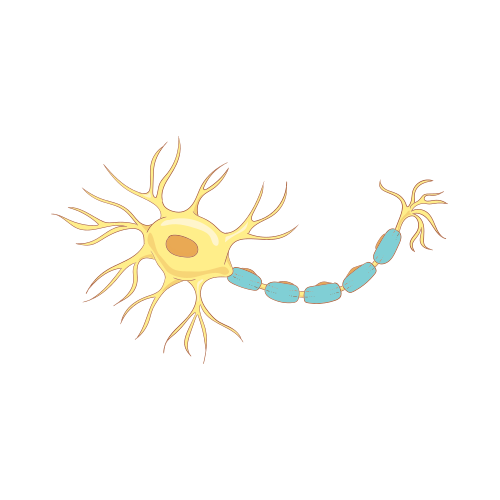
A 2023 conceptual review describes neuroplasticity as the starting point and foundation of any learning process. Brain cells talk to each other in networks that process thoughts, emotions and behaviours, and mapping all these networks is one of the biggest challenges of current neuroscience, according to the same review.[19] A 2013 paper makes plasticity its core concept and argues that the neurobiology of learning could directly change how teachers are prepared. That paper reports a case study of workshops that brought core brain science ideas to teachers already working in schools.[20]
Humans mature later than other primates and have a very long childhood and adolescence. A 2022 review suggests this long developmental period supports the learning a complex brain needs to grow and mature. Both formal and informal learning build long-term, accessible knowledge, and neuroplasticity turns this into structural and functional changes in brain networks.[3]
Experience-dependent neuroplasticity is at full force during the school years, and the review calls this a tremendous educational opportunity. At the content level, students can be taught about their own brain. At the design level, the brain mechanisms of learning can be considered when educational activities are planned.[3]
A 2013 paper argues that plasticity could in the end affect how students think about their own learning. It also discusses how neuroscience could fit into the training of new teachers. It points to barriers in institutions and culture.[20] The 2022 review notes biological, molecular and systemic differences between neuroscience and educational science. It judges, however, that such differences need not block cooperation between the disciplines.[18] None of these sources reports a measured effect size for plasticity itself, so the size of its role in classroom learning remains unquantified here.[18][20][19][3]
How the field defines itself and its aims
Educational neuroscience is a research field that crosses disciplines, and it seeks to improve educational practice by applying findings from brain research.[21] One review describes it as an effort to connect neuroscience with educational research, and also calls the field Mind and Brain Education.[22] The field draws on education, psychology and neurophysiology, and it is also tied to the cognitive neuroscience of learning.[21] A 2026 paper describes the field as seeking to explain the brain processes behind learning and other educational results, with the aim of proposing teaching methods grounded in the brain. That paper reports that the field has begun using new neurotechnologies, which produce varied data-driven pictures of what it calls the learning brain.[23]
Szűcs and Goswami (2007) offered a working definition. Educational neuroscience studies how mental representations develop. Mental representations are defined in that definition in terms of neural activity in the brain. The same 2007 paper draws a basic line. Doing educational neuroscience differs from using neuroscience results to inform education. It argues that current brain research results do not turn into direct classroom uses. Even so, it says the field can expand knowledge about learning. One example is tracking how mental representations develop in the normal course.[24]
A 2015 paper sets out three positions for the field. It could be part of neuroscience, part of educational sciences, or an independent discipline. The field may be treated as part of educational sciences. It may also be treated as a discipline in its own right. Either way it seeks a direct link to classroom practice, by different means in each case. As part of neuroscience, it does not have this goal or possibility.[25]
Byrnes and Vu (2015) propose that teaching decisions should rest on psychological models of how learning works. Neuroscientific evidence should then be used to choose among competing psychological models. It should be combined with traditional evidence from psychological experiments. Byrnes and Vu (2015) found a gap between two kinds of work. Psychological models stress complex skills, while brain studies examine simpler ones. Most had focused instead on finding the brain regions behind reading and math skills.[26]
One 2019 paper argues that research in neuroscience and education should ideally flow both ways. Abu Bakar (2019) suggests that educators could gain a good deal from understanding neuroscience better. Abu Bakar (2019) adds that researchers and teachers must work together. This would give the field a firm research base.[22]
A 2023 systematic review compares neuroscience with education to biology with medicine. Each field keeps its own innovation but cannot contravene the rules of the other. That review also raises ethical concerns. It asks about putting neuroscience findings into educational settings.[21]
Research
Methods from scanner to classroom
A 2021 review discussed the insights this can bring and the challenges of bringing neuroscience methods into the classroom. It proposed a cycle of experiments that moves between lab-based, seminaturalistic and fully naturalistic experiments.[27] A 2018 fNIRS paper offered proofs of concept for this approach, including two hyperscanning scenarios in realistic classroom settings. A third case study measured a single student with fNIRS and mobile eye-tracking glasses.[28]
What the evidence shows and how strong it is
The reviewers found 20 programs sold to schools and designed for students from pre-kindergarten through 3rd grade. Only 3 of the 20 said neuroscience research shaped their product: FASTT Math, Number Worlds and The Number Race. The reviewers concluded that few programs have been validated through such research. Teachers should check a program's targeted thinking skills and research base before using it.[4]
One quasi-experimental study, which compares groups without random assignment, tested a curriculum built on educational neuroscience in Shiraz, Iran. It began with 47 students in grades two to six who had mathematics learning disabilities, and after exclusion criteria were applied, 31 students were enrolled. On numerical understanding, the experimental group averaged 36.87, and the control group averaged 28.60. On numerical production the averages were 20.06 and 15.13, and on numerical calculation they were 13.62 and 8.80. All three differences reached a significance level of 0.001. The study concluded that such interventions can be an effective approach for mathematics learning disabilities. The curriculum directly improved attention structures, and it improved learning disabilities indirectly.[29]
A 2023 study in the Najran region of Saudi Arabia used a quasi-experimental design with 59 second-grade students. The sample had 30 students taught with a program based on cognitive neuroscience, and another 29 were taught without it. The researchers built their own program and a written test, and they checked that both were valid and reliable before use. The experimental group scored significantly higher. No significant differences appeared by gender, and none appeared for the interaction of gender and group either.[30]
The experimental group was taught with the combined model, and the control group used a conventional model. Both took seven tests before and after. The experimental group also showed a lower level of learning stress.[31]
What counts as evidence and how studies are designed
Educational neuroscience draws on several study designs. These include longitudinal studies and training studies.[32][33] Goswami (2020) also asks for studies that combine several kinds of measure. These cover how individual children differ in neural learning, in the senses, in thinking, and in what they do. It also argues that the field should move past simply mapping patterns of brain activation. It should study the brain mechanisms by which information is encoded and processed.[32]
Rosenberg-Lee (2018) suggests pairing training studies with brain imaging. Learning in real settings could then be tested against patterns of brain activity. Such studies can also ask whether specific patterns of brain activity cause a person to gain an academic skill. Planning and running them requires several forms of expertise. It also requires collaboration across disciplines.[33]
Varma and Schwartz (2008) consider two ways to frame how cognition relates to brain function. One focuses on areas and one on networks. Under an area focus, each cognitive skill is said to come from a single brain region on its own. Under a network view, several brain areas are said to work together to produce each cognitive skill. A 2008 paper reviews studies of arithmetic problem-solving and magnitude comparison. These studies show both views. It argues that the network focus offers a second view that should not be ignored. It also describes the current limits of network-focused theory.[34]
Portable and wearable brain devices have made classroom-based measurement possible. A 2021 essay weighs what portable brain technologies add to education research. It compares them with methods such as classroom observation and learners' own reports. It sets out a research agenda around student engagement, cognitive load (the mental effort a task demands) and self-regulation. It also raises ethical concerns about student privacy and misuse of brain data.[35]
One classroom study used a portable electroencephalogram (EEG, a recording of electrical activity at the scalp). It measured 12 high school students at the same time across 11 classes over a semester. The degree to which brain activity was synchronized across students predicted two things. It predicted their class engagement and their social dynamics.[36]
Choi and colleagues (2026) note that the value of dry EEG depends on matching the method to the research question and on reporting device limits openly. Dry EEG needs no conductive gels or pastes, and a 2026 review reports that it can cut the work of preparing and cleaning up. Signal quality, by contrast, depends on how well the electrodes touch the skin, and also on movement, on the person being recorded, on the device, and on where recording takes place. The pilot study had 10 adults. Exploratory paired comparisons found higher relative gamma-band power for infographic materials than for text materials at Fp1, Fp2, Pz and O1. Choi and colleagues read these differences as effects of the condition at the scalp level. The review concludes that neural findings should be read alongside behavioral, performance and self-report evidence.[37]
A second problem concerns reliability, meaning how consistently a task ranks individuals from one testing to the next. Hedge, Powell and Sumner (2018) measured test-retest reliability across seven well-known tasks. These included the Stroop, stop-signal, go/no-go and Navon tasks. Reliabilities ranged from 0 to .82. They were surprisingly low for most tasks, given how common the tasks are. The cause was low variance between individuals, not high measurement variance. Tasks become well established when between-subject variability is low. That same low variability undermines their use for correlational questions.[38]
Im and colleagues (2017) found that adding a brain image to an article, together with a verbal neuroscience finding, raised how credible readers judged its argument. One study had 320 adults recruited from the general public in the United States. Participants rated how credible articles about educational topics were. Irrelevant verbal neuroscience findings did not change credibility ratings. Graphs did not change them either. A seductive allure effect appeared when articles carried both extra verbal neuroscience findings and brain images. It remained after controlling for familiarity with education, attitude toward psychology and knowledge of neuroscience.[39]
A 2013 review looked at 10 study techniques and rated each one for how well its benefits hold up across learners, materials and kinds of test. Both helped learners of different ages and abilities, and they raised performance on many kinds of task, including in real classrooms. Elaborative interrogation, self-explanation and interleaved practice received moderate ratings, and their evidence was thinner. Elaborative interrogation and self-explanation had not been well tested in classrooms, and the benefits of interleaving had only begun to be mapped.[40]
A 2024 review of a general teaching model searched studies from 1990 to 2021 and kept 183 relevant articles and books. Coding produced 1416 codes, which were grouped into 109 initial categories, 31 sub-categories and 4 main categories. The review set out 28 teaching actions across four stages: before teaching, before and during teaching, during teaching, and after teaching. Experts in psychology, cognitive science and education checked these actions using a statistical method called confirmatory factor analysis. The review concludes that such actions may improve learners' brain performance, and that may improve their learning.[41]
Writers on educational apps argue that app development should use research on how the brain learns and remembers. Computers, tablets and smartphones are now common in schools. They are changing teaching practice at almost all ages and levels worldwide. Studies of education have already found many factors that separate good uses of this technology from poor ones. Research on learning and memory in the brain has only begun to inform this work. The writers call for large, long-term and experimental studies of technology in education. They also call for putting the results into app design and classroom practice.[42] A 2023 paper by Nefedchenko and colleagues describes neuropedagogical technologies and the computerisation of education.[43]
One 2023 framework treats gamification as a basic teaching tool, not an optional extra. It argues that mind, brain, body and environment are linked. Brains change through interaction with the environment, unlike fixed computer hardware. On this view, games help learning and well-being when they involve feeling, social contact and movement as well as thinking. The framework is a proposal for thinking about how, why and when gamification works as a teaching tool.[44]
A 2023 article argues that neuroscience can improve curriculum design. One example is fitting learning strategies to each learner's qualities. It also describes games and simulations as activities that can support children's healthy growth and personality development. The same article warns that findings from neuroscience cannot yet be applied directly to education. One reason is that translating them is hard work. It adds that applying the research carefully to a specific group of learners can clear some of these hurdles.[45]
A 2011 paper makes a related point. Many instructional design models rest on cultural experience and remain untested empirically. It proposes a broad framework, under the name educational neuroscience, that treats learning and memory as arising from plasticity, the brain's ability to change its connections with the environment.[46] An interview with an educational neuroscientist covers how instructors can design courses that centre more on learners. It also covers using online technologies more effectively.[47]
Subject-specific findings in mathematics, science and language
Antonopoulou and colleagues (2023) ask whether educational neuroscience can redefine what is known about mathematics education and learning. They also ask how that knowledge can be applied in practice. One aim of that work is to test whether brain research can redefine what is known about learning mathematics. It also asks how that knowledge is used in class.[48]
A 2023 systematic review screened 62 research articles that met the ESSA evidence levels, a United States standard for judging the strength of education research. Those studies used behavioural experiments and neuroimaging, which records brain activity while a person works. The review found that mathematical cognitive impairment and math anxiety, a tense worry about doing mathematics, both hinder learning and the use of mathematics. It also found gaps and limits in the methods and understanding of existing research.[49]
Nineteen female elementary mathematics teachers, aged 25 to 40, wrote reports on their own practice. They wrote them during and after a professional development course. The course covered the Approximate Number System, a rough sense of quantity that supports early arithmetic. The teachers gained knowledge of the system. Their competencies shifted away from listing facts and analysing their meanings. They moved toward weighing possible applications and trying to integrate the new knowledge into their teaching.[50]
A separate 2024 case study gathered the views of 10 maths teachers. They had trained in educational neuroscience. Those teachers saw a positive link between brain science and education. They asked for educators and neuroscientists to work together.[51]
A 2020 review brought together existing educational neuroscience studies of conceptual change. Its aim was to inform educational psychology and science education. The review named error detection, inhibition, executive function and memory as factors in conceptual change. These insights shed light on why misconceptions persist, Vaughn and colleagues (2020) write.[52]
Category learning research has a related gap. Neuroscience studies often use categories of concrete objects. Science education deals with systems of causal relationships among objects and events. A 2022 paper proposed adapting science content for brain imaging studies. Such studies could answer open questions about the thinking behind successful science learning.[53]
A 2019 paper set out seven teaching principles for second language classrooms, drawing mostly on research on declarative memory. Kweldju (2019) argued that all teachers, including teachers of second languages, should know some neuroscience. The paper also describes the field as wide and still open to further study.[54]
A 2025 pilot tested a teaching model for spoken English. It ran for 12 weeks with one class of 24 engineering students at a polytechnic in Indonesia. The model combined structured classroom activities with structured real-life engagement. The study reported gains in mean length of utterance and in spontaneity.[55]
Music education has been examined through perception of melody and rhythm, stage fright and the brain activity behind performance. A 2024 article reviewed these topics, and it also covered student-centred teaching models and the role of technology in music education.[56] Creativity research shows a different problem: creativity is still treated and tested as one separate thing. A 2023 paper argued that muddled experiments have stopped neuroscience from finding distinct types of creativity. It proposed splitting creativity into three types, which could support a more individual approach to teaching it.[57]
What translational reviews find about classroom use
A scoping review published in 2026 examined educational neuroscience research. It looked at how that research engaged with real school settings from 2015 to 2025. Most studies sat in hybrid T2-T3 positions. They tested uses informed by neuroscience and also put them into school practice. No study treated T4-level translation as a main goal. That is the spread into policy and practice. The reviewers concluded that school-based research in this field is growing. It remains mixed in its ideas and methods, meaning the studies vary widely in their concepts and their methods.[58]
The theories behind the studies came mainly from cognitive neuroscience. Three ideas stood out: neuroplasticity (the brain's ability to change with experience), executive functions (mental control processes such as planning) and attention. Thirteen studies drew directly on primary neuroscientific evidence. Eleven relied mainly on synthesized models of educational neuroscience. Co-design and co-investigation, in which researchers and teachers build and study materials together, were frequent. They tended to occur alongside clearer paths from research to practice. The depth and give-and-take of the teamwork varied. Information about the learners themselves, such as their traits, was used inconsistently to inform study design.[58]
Common barriers included structural limits and limited teacher preparation, along with gaps in shared concepts. Another gap was weak checks on whether programmes were delivered as intended. Factors that helped translation included institutional support, alignment with the curriculum, conceptual mediation (helping teachers connect brain findings to their subject matter) and repeated feedback loops. The reviewers called for stronger transparency about theory and for more systematic reporting of collaboration. They also asked for more attention to learner and school contexts, and clearer routes toward system-wide uptake.[58]
One proposed answer to the translation problem is a new group of trained professionals. They are sometimes called neuroeducators. Under this proposal, neuroeducators would judge the quality of evidence said to be relevant to education. They would also decide who is best placed to use new knowledge, and with what safeguards. They would study unexpected consequences when findings are put into practice.[59]
A 2021 paper argued that school psychologists already hold much of this ground. The paper suggested that school psychologists have the knowledge, skills and place in schools to act as agents of change. They can build better connections between research and practice. The paper linked this role to the 2020 Domains of Practice of the National Association of School Psychologists (NASP). That is a published list of the areas where school psychologists work. It called school psychologists an unused resource for linking neuroscience and education.[60]
Poverty, stress and developmental timing
The brain develops in stages, and each stage depends on specific processes that must unfold on time. A 2000 review of human and animal evidence found that this development runs from the embryonic period through adolescence.[71]
Poverty is one environmental condition linked to differences in the brain systems that support learning. A 2010 review of human and animal research reported a link. Childhood socioeconomic status was tied to neural development. The systems most often affected are those used for language and for executive function, the set of mental skills that manage planning and control of attention. The review pointed to factors before birth, parent-child interactions and cognitive stimulation at home. These are routes through which family circumstances reach the brain.[72]
A 2015 study followed 389 children and adolescents aged 4 to 22 years. It used 823 magnetic resonance imaging scans to measure these links directly. Some children came from households below 1.5 times the federal poverty level. Their regional gray matter volumes were 3 to 4 percentage points below the developmental norm.[73]
Shonkoff, Garner and colleagues describe toxic stress as one route from early adversity to later harm, and these impairments affect learning, behaviour and well-being. A 2012 report in Pediatrics examined evidence on the harmful effects of toxic stress and proposed an ecobiodevelopmental framework, which links early experience to brain architecture and long-term health. The report reviewed evidence that such stress harms learning and behavior, and also harms physical and mental health later in life. It argued that health gaps tied to poverty, discrimination or maltreatment could be reduced by relieving toxic stress in childhood.[74] A 2016 review reported that executive functions respond to early intervention, and so does the body's stress-related physiology, which suggests the effects are not fixed. That review called for dealing with poverty-related hardship early in children's lives.[75]
A 2008 framework proposed that risk-taking rises from childhood to adolescence. It said the brain's socio-emotional system is remodeled around puberty. This increases reward-seeking, especially when peers are present. Risk-taking then falls between adolescence and adulthood as the cognitive control system matures. Self-regulation improves through changes in the prefrontal cortex and its connections. These two systems mature on different timetables. Mid-adolescence is therefore a period of greater vulnerability to risky behavior.[76]
A 2012 review described the social brain as still developing in adolescence. This is the network of regions used for understanding other people. Large structural imaging studies showed changes in white matter and gray matter volumes in these regions. Activity during social tasks differed between adolescents and adults. Theory of mind, the ability to infer what others think and feel, was still developing late in adolescence.[77]
A 2016 imaging study of 297 volunteers aged 14 to 24 years found that association cortex, which integrates information across the brain, shrank and gained myelin faster than primary cortex during adolescence. The brain's anatomical network has hubs, and the most costly and efficient hubs showed the highest rates of this consolidation. The study linked this process to a specific gene expression profile.[78]
Vasile (2025) reports that recent studies show stress altering cognitive processes such as memory, attention and executive function, and that chronic or excessive stress often undermines academic performance. A 2025 article examines how academic stress affects student performance, using ideas from neuroscience. The article states that stress often harms academic performance when it becomes chronic or excessive.[79]
Physical activity, exercise and cognitive function
A 2016 review asked whether physical activity and fitness change thinking and learning in children aged 5 to 13, and it also asked about brain structure and brain function. Most of that research supported one view: fitness, single bouts of activity and activity programmes help children's thinking. Evidence that activity improves learning was thin, and only one cross-sectional study met the criteria. The reviewers grouped studies by design: cross-sectional, longitudinal, acute or intervention trials. The review also reported a link between activity and brain areas that support complex thinking during laboratory tasks. It gave physical activity a grade B for thinking and brain measures, and a grade C for academic achievement.[80]
Animal and human studies together suggest how exercise might act on the brain. A 2013 review of both kinds of work looked at effects from single neurons up to pathways between brain regions. It focused on the hippocampus, a brain structure important for memory and spatial navigation, and on spatial memory and pattern separation. The review looked at hippocampal functions. The review also covered neurotrophic factors and the brain's blood vessels. Work in rodents on the birth of new hippocampal neurons offered clues. It suggested how activity protects the brain. Taken together, the evidence suggests exercise helps brain function and thinking throughout the life of mammals. That benefit may mean a lower risk of Alzheimer's disease in humans.[81]
A 2008 review by Hillman, Erickson and Kramer described physical exercise as a lifestyle factor. It may lead to better physical and mental health throughout life. It reported that human and animal studies show aerobic exercise can improve several parts of thinking and performance.[82]
For school outcomes, the picture is less settled than for laboratory thinking tasks. Studies linking activity to achievement have mostly been cross-sectional or longitudinal. Those results have been favourable. Controlled experiments have tested whether activity raises academic performance. The results have been mixed. The 2016 review concluded that physical activity and physical education have a neutral effect on academic achievement. It found no sign that more activity harms thinking or achievement. Many included studies carried a high risk of bias. Randomized controlled trials were lacking, and few were adequately powered. Other weaknesses included missing information on participants, no blinding for outcome measures, and no accounting for known confounders. The reviewers also counted failure to blind outcome measures as a weakness of the studies they found. It is still unclear how the type, amount, frequency and timing of activity each matter. So does the choice between activity breaks and active lessons. More work is needed to bring laboratory findings into schools.[80]
Reading, intervention and neuroplasticity
Reading difficulties can get worse when formal teaching stops, and summer vacation is a long break of this kind. A 2024 study followed 41 children with reading difficulties who had finished 1st or 2nd grade. The programme was Seeing Stars from Lindamood-Bell, which stresses fluency in spelling. On average the taught group gained more in reading, while the waiting group's scores fell. Reading scores and diffusion-weighted images were collected at the start and end of summer.[83]
Gains on a close measure of orthographic processing went with lower mean diffusivity in two tracts of the left hemisphere. These were the arcuate fasciculus and the inferior longitudinal fasciculus. The same gains went with higher fractional anisotropy in the left corticospinal tract. Other, more distant reading measures did not show these links. The results suggest one main link. How well a child responds to intensive reading instruction is tied mainly to changes in the white matter tracts most associated with reading.[83]
A 2022 review examined brain activation, brain structure and connectivity after behavioural reading programmes for reading disability. It focused on the reading network in the left hemisphere, which includes language regions in the occipito-temporal, temporo-parietal and inferior frontal areas. The review also considered possible normalization or compensation, which could happen through right hemisphere regions, or through sub-cortical and cerebellar areas. It concluded that evidence on the brain mechanisms of reading rehabilitation is still insufficient.[84]
Intervention research in education draws on many theories and covers simple to very complex programmes, using varied methods and measurements. Some interventions have been studied far more than others, and the more studied ones are often summed up in meta-analyses and other integrative reviews. Studying complex interventions raises new ethical problems. Some of this research has changed educational practice and policy, but much more could and probably should.[85]
Language teaching for children with disabilities has focused more and more on the back-and-forth between adults and children. Such interventions are linked to large growth in speech, grammar and vocabulary. Intervention can sometimes cause fast gains in language, so it may offer a useful way to study the brain changes that go with language growth.[86] A 2011 review asked whether neuroscience can guide early teaching for children with autistic spectrum disorder. Two themes emerged: translation between neuroscience and education, and what these developments mean for particular groups of learners.[87]
Special needs, culture and individual differences
That means more than ramps and wide doors: the educational process itself should be built around each child's psychophysical abilities. The review names the disorders that most often occur in children. These include speech delay, autism, hyperactivity and intellectual disabilities. Each of these can make social ties harder. That often lowers self-esteem, especially in hyperactive children and students with speech impairments. The review therefore calls for neuropsychological correction. It describes this as the basis of social protection for children with developmental problems. It also says this creates favourable conditions for their education and socialisation.[88]
A 2022 paper concludes that traditional ways of teaching children with special educational needs should be reviewed critically, from a neuropedagogical angle. The educational process must therefore be arranged to fully reveal each child's educational needs.[89] A 2023 paper describes special education support centres and what is required for psychological and educational support of a child with disabilities.[90] A diagnostic study at a city centre for social rehabilitation of disabled children in the Khmelnytskyi region found medium and low levels of self-concept in children with special educational needs, and the same for their general mental development. The same study reported hostility and conflict in the children's families, and parents felt guilt, anxiety and mental stress.[91]
Zhou and Fischer take up the link between culture and brain development in education. Genes, brain and culture interact in ways that are complex and constantly changing. Cultural experience and learning shape both the structure and the working of the human brain. This neuroplasticity, the brain's capacity to change with experience, is described as the basis of educability in human beings. The paper argues that school reform should reflect cultural diversity. It should also place teaching practices inside a nation's cultural history. It adds that reform should include minority and indigenous history in a positive way. That makes teachers and parents more likely to take it up. The paper concludes that successful reform and teaching require teachers to become literate in culture and in neuroscience.[92]
Gardner proposed the theory of multiple intelligences in 1983. The aim is tightly constrained experimental research that speaks to what teachers care about in teaching and learning.[93]
A 2008 commentary looked at research on two students, Nico and Brooke. Ablin's commentary concerns that research, and it is about how classroom problems are designed, not how they are solved. It makes three claims. Second, educators need good professional development, and they need it to understand current research findings and relate them to classroom practice.[94]
Teacher beliefs, literacy and neuromyths
Teachers often take a strong interest in brain research. Their knowledge of the brain tends to trail behind that interest. One study tested whether a university course could change what future teachers believed. The researchers surveyed pre-service teachers in South Korea who were training to enter classrooms. The same course was not associated with any change in belief in neuromyths.[95]
Busso and Pollack point to the appeal of neuroscience explanations. They say this is one reason the field is especially vulnerable to misunderstanding. A 2015 analysis looked at brain-based consumer products and services. It warned that biological language and imagery can push education toward narrow, deterministic views of the developing child. Busso and Pollack warn that neuroscience talk can push deterministic ways of understanding the developing child. Such language can hide the social, cultural and personal factors that also shape learning. The analysis also noted that weak neuroscience literacy leaves the field open to misunderstanding and misuse. The appeal of brain explanations makes this worse.[96]
A 2023 essay responded to critical comments about history and philosophy of education. The comments came from the chair of an Australian government teacher education panel. The essay proposed a role for historians of education, who would act as critical friends to cognitive science and educational neuroscience. It named two areas for joint work: one is the cultural background learners bring to study, and the other is the factors that help or block effective learning.[97] A 2024 paper described four stages of educational support for teachers, running from first contact through diagnosis and restitution to monitoring of impact. That paper declined to offer one-size-fits-all solutions, and it noted that every educational system is different.[98]
Mindfulness, brain breaks and wellbeing programmes
A 2011 review by Keng, Smoski and Robins examined studies on mindfulness and psychological health and reported several good effects on the mind. That review covered three kinds of research: one kind linked mindfulness to measures of psychological health, another studied mindfulness-based interventions, and a third ran laboratory experiments on brief mindfulness exercises. It concluded that mindfulness brings several positive psychological effects: greater subjective well-being, fewer psychological symptoms, less emotional reactivity, and better regulation of behaviour. The review also discussed possible mechanisms of change and suggested directions for future research.[99]
A randomised controlled trial published in 2015 tested a school programme. It combined social and emotional learning with mindfulness and caring for others. Four classes of combined 4th and 5th graders took part, 99 children in total. They were randomly assigned to the programme or to a regular social responsibility programme. The measures included executive functions and stress physiology, measured through cortisol in saliva. They also included well-being, prosociality, peer acceptance and math grades. Children in the mindfulness programme improved more in cognitive control and stress physiology. The social responsibility group improved less. They also reported more empathy, better perspective-taking, more emotional control and more optimism. Learners also showed a stronger school self-concept and greater mindfulness. Their self-reported depressive symptoms fell more than in the comparison group. Peer-rated aggression fell more too. Peers rated them as more prosocial, and their peer acceptance increased.[100]
Carlson describes a brain break space, set away from the simulation. Learners could enter it during two high-fidelity major incident simulations. In April 2023, two high-fidelity major incident simulations for healthcare students set up a separate space. There, learners could step away and be coached through cyclical sighing. This paced breathing pattern is described as reducing stress and anxiety. Of the 120 students who took part, 46 gave anonymous feedback. The report called these early positive results from student feedback. It said further development of the spaces is ongoing.[101]
What the field studies and how it is organised
Educational neuroscience is a research field that draws on several academic subjects at once. Neuroscience and education can interact directly, in one way that treats the brain as a biological organ that must be in good condition to learn, an idea called brain health. They can also affect each other indirectly, as neuroscience shapes psychological theory and psychology in turn influences education.[102]
The field is fairly new, and its place among nearby research areas has been mapped with document co-citation analysis. Educational neuroscience currently sits between subfields of neuroscience research and psychology research, and stays far from the questions and subjects that matter most in the education research literature. Psychology research still holds the central place, tying educational neuroscience, education research and neuroscience together as one integrated study of learning.[103]
In practice
Translating research into teaching practice
A 2024 commentary argues that this gap may come from how researcher and school partnerships are set up. That partnership trained go-betweens called liaisons, placed a neuroscience lab inside a school, and involved teachers and students in research. The commentary reports that values emerged step by step from this approach, and it may encourage others to consider the model.[104]
Some researchers study teaching as an exchange between two brains rather than one. Interpersonal neuroscience measures the brain activity of two or more people. It analyzes how their signals depend on each other. Sequential scanning records one person at a time, such as a teacher. It later presents the recorded responses to another, such as a student. Teaching activities can make brain activity in teachers and students fall into step. The same can happen between students, across different tasks and materials. That synchronization may reflect how much interaction there is and how good it is. It has been proposed as a predictor of attention and learning outcomes.[105]
Teacher knowledge, training and neuromyths
One program ran through the 2020 to 2021 school year. It took place at a high school in Western Canada with about 1,400 students and 75 teachers. Researchers and the school district designed it together. Seven in-depth structured interviews were carried out with teachers and school staff. Participants said the sessions increased their knowledge of neuroscience concepts. The sessions also gave them practical uses for lesson planning, assessment and student engagement. They also described effects on their relationships with students.[106]
Teachers estimated that the ideas shaped 51% of their lesson design before the course, and they said the ideas would shape an estimated 90% of future lessons. Six teachers allowed classroom observations and interviews, which showed them using the concepts to make teaching decisions and to respond to individual settings. Some teachers applied the ideas more broadly or more often than others.[107]
One qualitative study followed 193 student-teachers who took an online course on brain science related to those disorders. The findings showed four learning outcomes. Students understood the brain-based mechanisms of the disorders and showed greater empathy. They also gained an extended view of the teacher's professional role and designed pedagogical adaptations. The analysis also described ways the digital platform helped produce these results.[108]
The research on training outcomes is still thin. A 2022 paper noted that few studies look at what teacher training in educational cognitive neuroscience actually produces.[106]
Curriculum, technology and special contexts
A 2017 paper argued that findings from educational neuroscience can guide curriculum design and construction, which helps educators make decisions based on evidence. The same paper proposed that a curriculum should aim at human development, with the goal of greater consciousness or wisdom. It also suggested that neuroscience knowledge can shape instructional design, the messages carried in learning support material, and assessment.[109]
A 2025 paper looked at how brain research relates to teaching methods in educational technology. It argued that studying how the brain engages with educational technologies can help educators build more effective instruction, matched to students' needs.[110]
A 2016 paper on gifted education argued that growing the social and emotional imagination is essential to developing giftedness in adolescents. That network works less well for a time during task- and action-oriented focus. The paper therefore suggested that keeping students constantly on immediate tasks could undermine the long-term cultivation of giftedness. It argued that giftedness can be grown, especially in science, technology, engineering and mathematics. The way is to encourage curiosity. It also means helping students connect schoolwork to a larger purpose. The paper proposed a shift away from passing on knowledge and from rigid evaluation. It favoured creative exploration and intentional reflection. It also favoured mindful switching between task focus and imagining.[111]
A 2015 study looked at peace education from the viewpoint of educational neuroscience. It described peace education as having developed in response to twentieth-century issues. These included nuclear weapons, massacres, disasters and environmental destruction. The study argued that peace education and educational neuroscience share a purpose. Both aim to form wise citizens who can build a desirable culture of peace. It noted one difference between the two fields. Peace education sets the direction and scope of education in response to social needs. Educational neuroscience takes a scientific approach to the human brain.[112]
Self-regulation, motivation and classroom behaviour
A course based on neuroscience for university students aimed to change procrastination behaviour. The NeuroStratE programme taught 199 university students between 2019 and 2021, showing them how the brain works and giving them practical planning tools.[113] A separate trial gave 124 undergraduates aged 18 to 29 an online, asynchronous neuroscience course. The experimental group had 62 students and the control group had 62. The experimental group improved on study strategies and personal well-being, and it also improved several parts of self-efficacy, which were measured by the Higher Education Self-Efficacy Scale. That trial also reported a possible drop in anxiety and stress symptoms, and satisfaction with the materials was high.[114]
Salehi and colleagues (2024) studied university management. They argued that organising higher education around neuroscience principles strengthens students' metacognitive strategies. These are the skills of monitoring and controlling one's own thinking, and they gain more than ordinary cognitive strategies do.[115]
A 2026 review of cognitive styles described dimensions that shape how students learn. These include field dependence versus field independence (relying on surrounding context versus on one's own analysis), impulsivity versus reflectivity, and analytic versus holistic perception. The review argued that these personal profiles affect which learning strategies students choose. They also affect the pace and quality of learning, and the level of cognitive activity and motivation. Egamberdieva (2026) offers recommendations for diagnosing cognitive styles. The paper also suggests adapting the educational process to them.[116]
A 2026 review looked at studies from 2022 to 2026. The studies asked how happy elementary students are with learning. It reported that three things affect cognitive engagement and learning happiness. They are emotional well-being, a supportive classroom climate and positive teacher-student relationships. That review drew on a qualitative analysis of indexed publications. It did not report an effect size.[117]
Leadership, policy and the school as an organisation
Zhang and He (2024) review brain research on educational leadership. They cover leadership traits, styles, decision-making and contingency perspectives. Zhang and He (2024) also ask how neuroscience might be used to judge and improve school leadership.[118]
A second review argues that neuroscience shows leadership to be a social process. The human brain is a social organ that interacts with others in social settings. That review also reports contradictory studies on whether adding neuroscience to leadership training makes it more effective. It concludes that neuroscience data and interpretations must be rooted in education. Only then will the profession accept them.[119]
Wang (2019) reviewed 69 neuroscience studies and 4 books. The review linked four leadership approaches to brain activity and neurotransmitters. The four approaches were charismatic, transformational, destructive and culturally responsive school leadership. Emotion ran through all four. The review reports a trade-off between emotion and analytical calculation in leaders' decisions. The review argues that this finding supports emotion training and the use of neurological measurements in preparing school leaders.[120]
In the United Kingdom, a 2024 overview assessed the dialogue between researchers and educators, the evaluation of approaches meant to improve outcomes, and innovation in translating research. It drew on a survey of a representative sample of over 1,000 UK teachers. It also used a case study of one high school teacher. He uses educational neuroscience in his work. Thomas and colleagues (2024) also examined a recent step by the UK government. It added cognitive science to initial and early-career teacher training.[121]
Policy translation can fail in two directions, according to a 2022 study of experts in virtual mobility and teacher training. A vertical gap separates higher-level policies from local strategies and regulations. A horizontal gap separates areas of education, and it lies in how aware individual players are of policy. Al Laban and colleagues (2022) argue that the two gaps together put the bridge from secondary to tertiary education at risk, and that they also endanger the knowledge levels tied to it.[122]
Professional development and courses for teachers
Campbell (2008) reports on a graduate course in educational neuroscience. It was first offered in the 2005-2006 academic year. A discussion paper reported on that course. It covered its design, approval, implementation, conduct and reception. Campbell (2008) argued that the field's success and future depend in large part on training skilled people. Those people can build it and carry it forward.[123] A review of educational neuroscience as a profession made an argument about licensing. Practitioners with the necessary training and skills should receive the same licensure and recognition as peers from other disciplines.[124]
Online professional development has been tried in higher education. An international consortium built a six-module course on educational neuroscience that included an online community of practice and used design thinking. Thirty-two academics took part, and a survey of eleven closed and open questions measured their attitudes. The overall evaluation showed high satisfaction with the quality of the course. The authors recommended mentoring and peer interactions to help turn theoretical neuroscientific evidence into teaching practice, and they noted the power of habits.[125]
Cui and Zhang (2021) tested an educational neuroscience training programme with 216 teachers. A study of an educational neuroscience training programme for 216 teachers found that it improved their understanding of educational neuroscience knowledge. Educational neuroscience knowledge was also linked to teachers' technological pedagogical content knowledge. That is the knowledge needed to teach a subject well with technology. The same programme did not promote high well-being and satisfaction, Cui and Zhang (2021) report.[126]
Language teaching certificates have been examined as a place to add neuroscience. CELTA stands for the Certificate in English Language Teaching to Adults. It is widely considered the gold standard for teaching English as a foreign language. Three quarters of English language teaching jobs require a CELTA, according to the source. Halchenko (2025) also expected a possible reduction of hype around neuroscience. This should make EFL teachers more aware and reduce the risk of falling for sellers of unproven "brain friendly" training.[127]
Arslan and colleagues (2025) measured teachers' knowledge with a new test. The test is called the Educational Neuroscience Knowledge Test (ENKT). A 2025 study used a new Educational Neuroscience Knowledge Test. It separates knowledge of general cognitive functions from knowledge of special educational needs.[128]
Inclusion is a third area of debate. A 2017 paper asks whether educational inclusion and critical neuroscience are friends or foes. Neuroscientific language is spreading more widely, and Billington (2017) writes that this discourse informs parts of how people live and also affects how they think about education and learning.[129]
Applications in higher education, therapy and digital tools
A 2018 paper set out a framework for doing neuroimaging and linking it to education. It focused on dyscalculia and dyslexia. That framework sets out levels at which brain imaging can inform work on learning disorders. They are mechanisms, diagnosis and prognosis, training and intervention, and community and education. The paper also lists limits in methods, in concepts and in structure. Future research must address them. Its authors describe a debate that is still going on. The debate asks how far neuroscience can inform practical work in educational settings.[130]
Educational therapy is a recognised intervention for people with learning disabilities. It also serves people with brain development disorders and mental health disorders. This comes from a 2025 overview. The overview states that the World Health Organisation has recognised this therapy. It adjusts teaching and therapy methods to each learner's needs. It reports improvements in academic performance and cognitive development. It also reports gains in skills linked to dyslexia, dyscalculia, autism spectrum disorders and attention deficit/hyperactive disorders. The same overview points to the prefrontal cortex, the hippocampus, and neurotransmitters such as dopamine and glutamate. These are relevant to therapeutic interventions. Tan (2025) stresses the importance of early intervention and of brain plasticity.[131]
Artificial intelligence is another area of use. A 2025 review of studies published between 2013 and 2024 proposed a framework for secondary science teaching. Frendo and Vassallo (2025) report that AI can tailor learning to each person and encourage critical thinking, and that it can also improve exchanges between teachers and students. It also names conditions for success: matching neuroscience principles, ethical safeguards and full teacher training. The challenges it lists include data privacy concerns, algorithmic bias and fair access to AI technologies.[132]
A 2021 article connects findings from educational neuroscience to principles of online learning. That article notes that the COVID-19 pandemic led the global education community to treat online learning as the best way to keep teaching. It sets such teaching apart from emergency remote teaching. That, it says, lacks the principles and planning models of distance education. The article suggests ways to involve students actively, drawn from educational neuroscience. These are meant to help teachers with their practice.[133] Matias (2026) describes these technologies as optimizing concentration and the personalization of learning.[134]
What this looks like when you study
At a university, 199 students took part in an intervention called NeuroStratE, which taught the functioning of the brain and practical tools for handling procrastination. The 179 students who followed the programme reduced their procrastination behaviour and improved their planning ability on the Tower of Hanoi test more than the 20 students in the control group. On the Lay procrastination scale the trained group moved from a mean of 0.46 to -4.23, while the control group moved only from -1.60 to -0.30. The authors attributed the change particularly to the courses on procrastination and their associated practical tools.[113]
During one summer, 41 children with reading difficulties who had finished first or second grade were randomly assigned to an intensive reading intervention (26 children) or to a wait-list group (15 children). The intervention group gained in reading on average while the non-intervention group declined, and gains on a proximal measure of orthographic processing were associated with changes in white matter tracts used for reading.[83]
Later developments
Open questions and where the field may go
Educational neuroscience began as a discussion of what brain studies might mean for teaching. It is now becoming a field that draws on education, cognitive science and brain science together. That mixing of disciplines brings a problem. The founding fields differ in their theories and methods. Fitting them into one coherent whole has been a challenge. One proposed answer is a multi-level framework. It aims to join several levels of analysis, some from brain and cognitive science and some from education. It is meant as a roadmap for the field. The proposal offers worked examples in mathematical learning and in moral education.[135] A 2025 paper describes the joining of cognitive neuroscience and educational practice as a shift. Research is moving from the laboratory toward practical classroom strategies.[136]
A 2024 content analysis of articles in the field recommends applied studies. These would put neuroscientific findings directly into educational practice.[137] A 2025 bibliometric review, meaning a study that analyses patterns across published papers, examined 498 documents on educational neuroscience in early childhood education from 1970 to 2024. That review found a clear rise in publications in this area. The rise has been large since 2021. It named the United States, Canada and China as the leading contributors. Its thematic analysis sorted the work into three phases of development. It also found eight main research fronts.[138]
The 2018 EARLI SIG 22 conference covered neuroscience and education. At it, 88 attendees filled in surveys about their visions for research and translation. Respondents shared a common wish for more discussion and collaboration across disciplines, and also between teachers and researchers.[139] A special issue from the same conference reported on its empirical papers, about half of which used behavioral, self-report or qualitative measures and studied the mind level of mind, brain and education. The special issue presents several approaches to closer collaboration between practice and research, a collaboration that is two-way and systematic, with the aim of connecting the mind and brain levels to education.[140]
Why translation is difficult and what collaboration requires
Practical teamwork between education and neuroscience is hard, because the two fields work at very different scales.[141] The gap has a long history: knowledge of the neural basis of learning and memory grew over the past hundred years, yet its translation into classroom teaching practice has been very limited. Pedagogy, cognitive psychology and the neuroscience of learning grew as separate fields over the past century and are only now combining in educational neuroscience.[142]
Some hoped brain research would quickly solve problems in education, and some have called that hope shortsighted and unrealistic. What is needed instead is an infrastructure, built mainly through interdisciplinary training, funding and research programs that would let cognitive neuroscientists, educators and education researchers work in collaborations that run in both directions.[143] The field is still in its infancy, and many of the studies behind proposed models have yet to be replicated. Joining methods from neuroscience, attachment research and education is fairly recent, and it will need more real-world study done in a collaborative way.[144]
One proposal is to apply neuroscience to three education goals: optimising, generalising and integrating instructional techniques. Each objective matters in practice. Each one builds on existing education and cognitive research. Behavioural experiments alone could not address any of them. In such work, the neuroscience should focus on brain activity before, during and after learning a task. It should not focus on how well the task is performed.[141]
Criticism
The case against and the case for
Bowers's reason was that a child's thinking skills are easier to describe from behavior than from brain measures. The principled objection concerned remedial instruction, the extra help given to students with learning disorders. He argued that the best teaching may often build other skills instead, the abilities that are not impaired. Neuroscience cannot decide whether instruction should target impaired or nonimpaired skills, he wrote. He added that one question matters when judging instruction: does the child learn, as shown in behavior?[145]
Howard-Jones, Varma, Ansari, Butterworth, De Smedt, Goswami and colleagues answered the critique. They said it misrepresented the nature and aims of the field. The reply also said the analysis was wrong to leave out a role for educational expertise. The authors called this a guiding principle of the field. They described well-documented goals for research in educational neuroscience. They said significant progress had already been made in collaboration with educators.[146]
Gabrieli's reply accepted part of the critique. He called some of the arguments convincing, including criticism of unsupported claims about the impact of educational neuroscience. Second, it adds ideas about practices and policies outside the classroom curriculum, and these things matter for helping vulnerable students. Third, neuroimaging studies have revealed the brain basis of neurodevelopmental differences, which strongly influence educational outcomes.[147]
Bowers answered both replies in another article the same year. He found all of their points unconvincing. After the exchange, he wrote, there were still no examples: educational neuroscience had given no new insights to classroom teaching. He added that no evidence shows the field helps diagnose learning difficulties. In his view, the replies did not address his reasons, and he thinks the field is unlikely to improve educational outcomes in the future. He framed the disagreement as a question: what sort of science is relevant to education? It was not about whether science is relevant at all.[148]
A separate line of criticism comes from the philosophy of science. In 2021, Matta reconstructed a standard way that neuroscience evidence is used to support recommendations about teaching. Matta argued that the reasoning behind this approach rests on shaky assumptions.[149]
Ethics, commercial claims and public understanding
Smeyers (2016) questions the idea that brain activity gives visual proof of a mental process. One philosopher of education calls the decade-long rise of interest in educational neuroscience a hype, which led to many publications, special journals and research projects. He lists the problems that come with it: pictures of brain activity treated as visual proof, research that only shows correlations, and the nature of the concepts used. He also notes that such work rarely deals with the neural mechanism itself. His verdict is that neuroscience can help education in some cases, and those cases are rare. He warns about neurophilia, too much enthusiasm for brain findings, whose promise may be just another neuromyth.[150]
People have called oversimple claims about applying neuroscience to education neuromyths. Such claims are seen as at best irrelevant to good teaching and at worst counterproductive. A 2012 article sets out the harder question behind the excitement. Can brain research become usable knowledge that teachers apply in their curriculum work? That translation needs a conceptual framework for moving knowledge between neuroscience and education. Whether usable knowledge can be produced from brain information at all remains open.[151]
Ethical questions arise once educational neuroscience moves into the limelight. A 2013 study built a list of neuroethics concepts from a survey of neuroethics articles. It then analysed 28 empirical educational neuroscience articles against five categories. Three of the five applied to a subset of the articles. They were the nature of scientific investigation, prediction and social considerations. A fourth issue was brain-based justifications. It came from the nature of the work itself, not from the neuroethics literature.[152]
One philosopher of education argues that philosophers have a special role in the discussion about neuroscience. That 2011 review essay judges the impact of neuroscience likely to be large, but it will not come the way its advocates imagine. Neuroscience may improve education through interventions that would change the basic neural mechanisms of learning. It is unlikely, however, to change classroom teaching much.[153]
Claims can also spread through new tools that answer questions about the brain. A 2026 study gave 41 items from an educational neuroscience questionnaire to five generative artificial intelligence models, in English and in Turkish. The models did well on the structure and functions of the brain, and they did only fairly well on questions about neuromyths. The language of the questionnaire affected accuracy in both areas. The models tended to accept wrong statements, and they also treated popular beliefs as correct. So these tools may both counter neuromyths and spread them, and their answers need careful checking.[154]
Common misconceptions
Many people believe that neuroscience has already produced new and effective teaching methods, a claim that one critic calls strong and unsupported. Bowers (2016) reported that no teaching method in use at the time had been prompted by neuroscience and then shown to work, and he argued that neuroscience seldom adds to what psychology already tells instructors.[145]
It is commonly assumed that remedial instruction should target the underlying deficit associated with a learning disorder, and neuroscience is used to characterise that deficit. The most effective forms of instruction may often rely instead on developing compensatory skills that are not impaired. According to Bowers (2016), neuroscience offers no basis for choosing between instruction aimed at impaired skills and instruction aimed at nonimpaired ones. For judging instruction, he wrote, the relevant question is only whether the child's behaviour shows learning.[145]
A popular conception holds that a picture of brain activity is visual proof that a teaching method works. That discussion lists the correlational nature of this kind of research and the lack of attention to the underlying neurological mechanism among its problems. Smeyers (2016) judged that the cases in which neuroscience gives useful insight are few, and he suggested that the promise of neurophilia may itself be one more neuromyth.[150]
Im, Cho, Dubinsky and Varma (2018) proposed that educational psychology can link basic neuroscience and psychology research to classroom practice. The four researchers tested whether a course in that subject raised neuroscience literacy and lowered belief in neuromyths among South Korean pre-service teachers. Among South Korean pre-service teachers, taking such a course was associated with increased neuroscience literacy but had no impact on belief in neuromyths. The authors used this result to argue for redesigning educational psychology courses and textbooks.[95]
Key studies
| Year | Study | Sample | Design | Finding |
|---|---|---|---|---|
| 2013 | Dunlosky et al.[40] | ten learning techniques reviewed across learning conditions, student characteristics, materials and criterion tasks | monograph review | Practice testing and distributed practice received high utility ratings, while summarization, highlighting, the keyword mnemonic, imagery for text and rereading received low ratings. |
| 2015 | Schonert-Reichl et al.[100] | 99 children in four combined fourth and fifth grade classes | randomized controlled trial of a social and emotional learning programme with mindfulness | Children in the programme improved more in cognitive control and stress physiology and showed greater empathy, perspective-taking and peer acceptance. |
| 2016 | Donnelly et al.[80] | 64 studies on cognition and learning and 73 studies on achievement and attention, in children aged 5 to 13 years | systematic review | Physical activity had a positive influence on cognition, brain structure and function (evidence category B) and a neutral effect on academic achievement (evidence category C). |
| 2017 | Caragea et al.[67] | 376 participants from preschool to high school across five articles | systematic review of self-regulation studies in educational neuroscience | The studies focused on academic motivation, attention orientation, self-perception, engagement and behaviour regulation, and the reported outcomes were limited but offered optimism. |
| 2018 | Im et al.[95] | South Korean pre-service teachers | pre-test and post-test survey around an educational psychology course | The course was associated with increased neuroscience literacy but had no impact on belief in neuromyths. |
| 2018 | Hedge et al.[38] | seven classic cognitive tasks tested for test-retest reliability | reliability study in three studies | Reliabilities ranged from 0 to .82, surprisingly low for most tasks given their common use, because between-subject variability was low. |
| 2020 | Fathiazar et al.[29] | 31 elementary students with mathematics learning disabilities in grades two to six | quasi-experimental study with random assignment to an educational neuroscience curriculum or traditional teaching | The experimental group scored 36.87 against 28.60 on numerical understanding, 20.06 against 15.13 on numerical production, and 13.62 against 8.80 on numerical calculation, all at p of 0.001 or less. |
| 2022 | Hachem et al.[106] | school personnel at a high school of about 1,400 students and 75 teachers | co-designed professional development with seven in-depth structured interviews | Participants reported increased knowledge of neuroscience concepts and practical applications for lesson planning, assessment and student engagement. |
| 2023 | Cherrier et al.[113] | 199 university students, 179 in the programme and 20 in the control group | mixed methods study with pre-test and post-test comparison | The trained group reduced procrastination on the Lay scale from 0.46 to -4.23 while the control group moved from -1.60 to -0.30, and planning ability improved more in the trained group. |
| 2023 | Alamoush et al.[30] | 59 second-grade students, 30 in the experimental group and 29 in the control group | quasi-experimental study of a cognitive neuroscience-based reading programme | There were statistically significant differences in reading comprehension in favour of the experimental group, with no significant differences by gender. |
| 2023 | Mystakidis et al.[125] | 32 academics in higher education | mixed methods evaluation of a six-module online professional development course using design thinking | The overall evaluation showed notable satisfaction with the course, and the authors recommended mentoring and peer interactions to integrate neuroscientific evidence into practice. |
| 2024 | Meisler et al.[83] | 41 children with reading difficulties who had completed first or second grade | randomized controlled trial over a summer, with 26 children in an intensive reading intervention and 15 on a wait-list | The intervention group gained in reading on average while the non-intervention group declined, and orthographic gains were associated with white matter changes in reading tracts. |
| 2024 | Carlson[101] | 120 healthcare students in two high-fidelity simulations in April 2023, with 46 anonymous responses | brain break space with anonymous student feedback | 83% of students who used the brain break space reported reduced anxiety and stress, and 72% said knowing it was available lowered their baseline stress. |
| 2026 | Fante & Manganello[58] | 24 empirical studies published between 2015 and 2025 | scoping review following PRISMA-ScR standards | Most studies occupied hybrid positions between evaluating applications and implementing them in school practice, and no study had systemic dissemination as a primary objective. |
See also
References
- Fischer, K. W., Goswami, U., Geake, J., & the Task Force on the Future of Educational Neuroscience (2010). The Future of Educational Neuroscience. Mind, Brain, and Education, 4(2), 68-80. doi:10.1111/j.1751-228x.2010.01086.x
- Varma, S., McCandliss, B. D., & Schwartz, D. L. (2008). Scientific and Pragmatic Challenges for Bridging Education and Neuroscience. Educational Researcher, 37(3), 140-152. doi:10.3102/0013189x08317687
- Goldberg, H. (2022). Growing Brains, Nurturing Minds—Neuroscience as an Educational Tool to Support Students’ Development as Life-Long Learners. Brain Sciences, 12(12), 1622. doi:10.3390/brainsci12121622
- Kroeger, L. A., Brown, R. D., & O'Brien, B. A. (2012). Connecting Neuroscience, Cognitive, and Educational Theories and Research to Practice: A Review of Mathematics Intervention Programs. Early Education & Development, 23(1), 37-58. doi:10.1080/10409289.2012.617289
- Zadina, J. N. (2015). The emerging role of educational neuroscience in education reform. Psicología Educativa, 21(2), 71-77. doi:10.1016/j.pse.2015.08.005
- Dundar, S., & Ayvaz, U. (2016). From Cognitive to Educational Neuroscience. International Education Studies, 9(9), 50. doi:10.5539/ies.v9n9p50
- Tandon, P. N., & Singh, N. C. (2016). Educational Neuroscience: Challenges and Opportunities. Annals of Neurosciences, 23(2), 63-65. doi:10.1159/000443560
- Hendry, G. D., & King, R. C. (1994). On theory of learning and knowledge: Educational implications of advances in neuroscience. Science Education, 78(3), 223-253. doi:10.1002/sce.3730780307
- Bereiter, C. (1990). Aspects of an Educational Learning Theory. Review of Educational Research, 60(4), 603-624. doi:10.3102/00346543060004603
- Cleland, C. L. (2002). Integrating recent advances in neuroscience into undergraduate neuroscience and physiology courses. Advances in Physiology Education, 26(4), 271-277. doi:10.1152/advan.00044.2002
- Nathaniel, T. I. (2008). Discovering the Human Brain: New Pathways to Neuroscience. Educational Media Reviews Online, 10(11). doi:10.59236/emro.v10i11a3764
- SAYGINER, Ş., BALAMAN, F., & HANBAY TİRYAKİ, S. (2022). The Current Trend in Educational Neuroscience Research: A Descriptive and Bibliometric Study. Journal of Computer and Education Research, 10(19), 184-201. doi:10.18009/jcer.1002588
- Edelenbosch, R., Kupper, F., Krabbendam, L., & Broerse, J. E. W. (2015). Brain‐Based Learning and Educational Neuroscience: Boundary Work. Mind, Brain, and Education, 9(1), 40-49. doi:10.1111/mbe.12066
- Hruby, G. G. (2012). Three requirements for justifying an educational neuroscience. British Journal of Educational Psychology, 82(1), 1-23. doi:10.1111/j.2044-8279.2012.02068.x
- Dougherty, M. R., & Robey, A. (2018). Neuroscience and Education: A Bridge Astray? Current Directions in Psychological Science, 27(6), 401-406. doi:10.1177/0963721418794495
- Ferrari, M. (2011). What Can Neuroscience Bring to Education? Educational Philosophy and Theory, 43(1), 31-36. doi:10.1111/j.1469-5812.2010.00704.x
- Samuels, B. M. (2009). Can the Differences Between Education and Neuroscience be Overcome by Mind, Brain, and Education? Mind, Brain, and Education, 3(1), 45-55. doi:10.1111/j.1751-228x.2008.01052.x
- KAYGISIZ, Ç. (2022). Educational Neuroscience: Issues and Challanges. Erciyes Journal of Education, 6(1), 80-98. doi:10.32433/eje.990407
- Gkintoni, E., Halkiopoulos, C., & Antonopoulou, H. (2023). Educational Neuroscience in Academic Environment. A Conceptual Review. Technium Social Sciences Journal, 39, 411-420. doi:10.47577/tssj.v39i1.8208
- Dubinsky, J. M., Roehrig, G., & Varma, S. (2013). Infusing Neuroscience Into Teacher Professional Development. Educational Researcher, 42(6), 317-329. doi:10.3102/0013189x13499403
- Gkintoni, E., Dimakos, I., Halkiopoulos, C., & Antonopoulou, H. (2023). Contributions of Neuroscience to Educational Praxis: A Systematic Review. Emerging Science Journal, 7, 146-158. doi:10.28991/esj-2023-sied2-012
- Abu Bakar, A. Y. (2019). Connecting Neuroscience and Education: Insight from Neuroscience Findings for Better Instructional Learning. Journal for the Education of Gifted Young Scientists, 7(2), 341-352. doi:10.17478/jegys.559933
- Williamson, B., Pykett, J., & Kotouza, D. (2026). Learning brains: educational neuroscience, neurotechnology and neuropedagogy. Pedagogy, Culture & Society, 34(2), 515-535. doi:10.1080/14681366.2025.2521458
- Szűcs, D., & Goswami, U. (2007). Educational Neuroscience: Defining a New Discipline for the Study of Mental Representations. Mind, Brain, and Education, 1(3), 114-127. doi:10.1111/j.1751-228x.2007.00012.x
- van der Meulen, A., Krabbendam, L., & de Ruyter, D. (2015). Educational Neuroscience: Its Position, Aims and Expectations. British Journal of Educational Studies, 63(2), 229-243. doi:10.1080/00071005.2015.1036836
- Byrnes, J. P., & Vu, L. T. (2015). Educational neuroscience: definitional, methodological, and interpretive issues. WIREs Cognitive Science, 6(3), 221-234. doi:10.1002/wcs.1345
- Janssen, T. W. P., Grammer, J. K., Bleichner, M. G., Bulgarelli, C., Davidesco, I., Dikker, S., Jasińska, K. K., Siugzdaite, R., Vassena, E., Vatakis, A., Zion‐Golumbic, E., & van Atteveldt, N. (2021). Opportunities and Limitations of Mobile Neuroimaging Technologies in Educational Neuroscience. Mind, Brain, and Education, 15(4), 354-370. doi:10.1111/mbe.12302
- Brockington, G., Balardin, J. B., Zimeo Morais, G. A., Malheiros, A., Lent, R., Moura, L. M., & Sato, J. R. (2018). From the Laboratory to the Classroom: The Potential of Functional Near-Infrared Spectroscopy in Educational Neuroscience. Frontiers in Psychology, 9. doi:10.3389/fpsyg.2018.01840
- Fathiazar, E., Mani, A., Adib, Y., & sharifi, z. (2020). Effectiveness of an educational neuroscience-based curriculum to improve academic achievement of elementary students with mathematics learning disabilities. Research and Development in Medical Education, 9(1), 18-18. doi:10.34172/rdme.2020.018
- Alamoush, I. M. A., Al Shdaifat, K. A. A., & Sulieman, H. A. A. (2023). The Impact of a Cognitive Neuroscience-Based Educational Program on Developing Reading Comprehension Skills among Intermediate Stage Students. International Journal of Education in Mathematics, Science and Technology, 575-589. doi:10.46328/ijemst.4051
- Runganurak, W., Bunterm, T., Uopasai, S., & Ngang Tang, K. (2022). The Effect of Design-Based Learning Integrated with Educational Neuroscience Instructional Model on Students’ Learning Outcomes, Executive Functions, and Learning Stress. Pertanika Journal of Social Sciences and Humanities, 30(2), 813-834. doi:10.47836/pjssh.30.2.21
- Goswami, U. (2020). Toward Realizing the Promise of Educational Neuroscience: Improving Experimental Design in Developmental Cognitive Neuroscience Studies. Annual Review of Developmental Psychology, 2(1), 133-155. doi:10.1146/annurev-devpsych-042320-100040
- Rosenberg‐Lee, M. (2018). Training Studies: An Experimental Design to Advance Educational Neuroscience. Mind, Brain, and Education, 12(1), 12-22. doi:10.1111/mbe.12166
- Varma, S., & Schwartz, D. L. (2008). How should educational neuroscience conceptualise the relation between cognition and brain function? Mathematical reasoning as a network process. Educational Research, 50(2), 149-161. doi:10.1080/00131880802082633
- Davidesco, I., Matuk, C., Bevilacqua, D., Poeppel, D., & Dikker, S. (2021). Neuroscience Research in the Classroom: Portable Brain Technologies in Education Research. Educational Researcher, 50(9), 649-656. doi:10.3102/0013189x211031563
- Dikker, S., Wan, L., Davidesco, I., Kaggen, L., Oostrik, M., McClintock, J., Rowland, J., Michalareas, G., Van Bavel, J. J., Ding, M., & Poeppel, D. (2017). Brain-to-Brain Synchrony Tracks Real-World Dynamic Group Interactions in the Classroom. Current Biology, 27(9), 1375-1380. doi:10.1016/j.cub.2017.04.002
- Choi, S. G., Lee, S. M., & Kwon, Y. J. (2026). Dry EEG in Educational Neuroscience: Measurement Quality, Methodological Rigor, and Educational Applications. Brain, Digital, & Learning, 16(3), 241-252. doi:10.31216/bdl.2026.16.3.3
- Hedge, C., Powell, G., & Sumner, P. (2018). The reliability paradox: Why robust cognitive tasks do not produce reliable individual differences. Behavior Research Methods, 50(3), 1166-1186. doi:10.3758/s13428-017-0935-1
- Im, S., Varma, K., & Varma, S. (2017). Extending the seductive allure of neuroscience explanations effect to popular articles about educational topics. British Journal of Educational Psychology, 87(4), 518-534. doi:10.1111/bjep.12162
- Dunlosky, J., Rawson, K. A., Marsh, E. J., Nathan, M. J., & Willingham, D. T. (2013). Improving Students’ Learning With Effective Learning Techniques: Promising Directions From Cognitive and Educational Psychology. Psychological Science in the Public Interest, 14(1), 4-58. doi:10.1177/1529100612453266
- Shafaei, S., Haghani, F., Yar Mohammadian, M. H., & Talkhabi, M. (2024). Review of the General Teaching Model Based on Educational Neuroscience Studies. Journal of Psychological Dynamics in Mood Disorders, 3(2), 97-107. doi:10.61838/kman.pdmd.3.2.9
- Reber, T. P., & Rothen, N. (2018). Educational App-Development needs to be informed by the Cognitive Neurosciences of Learning & Memory. npj Science of Learning, 3(1). doi:10.1038/s41539-018-0039-4
- Nefedchenko, V., Ostapenko, E., Bokhonko, Y., Gurevych, R., Shanaieva-Tsymbal, L., & Rud, O. (2023). Features of Information and Communication Technologies in the Educational Process: Neuroscience in Education. BRAIN. Broad Research in Artificial Intelligence and Neuroscience, 14(4), 292-307. doi:10.18662/brain/14.4/506
- Serice, L. (2023). Prisms of Neuroscience: Frameworks for Thinking About Educational Gamification. AI, Computer Science and Robotics Technology, 2. doi:10.5772/acrt.13
- Teacher Training Department, Ovidius University of Constanta, Constanta, Romania., & Badoi-Hammami, M. (2023). Utilizing neuroscience research to enhance learning strategies and optimize curriculum design. International Journal of Advanced Research, 11(09), 797-811. doi:10.21474/ijar01/17588
- Woolcott, G. (2011). A Broad View of Education and Teaching Based in Educational Neuroscience. International Journal for Cross-Disciplinary Subjects in Education, 1(Special 1), 601-606. doi:10.20533/ijcdse.2042.6364.2011.0084
- Howles, L. (2020). Interview with Dr. Janet Zadina: Applying educational neuroscience research to instruction and elearning. eLearn, 2020(5). doi:10.1145/3403395.3403583
- Antonopoulou, H., Halkiopoulos, C., & Gkintoni, E. (2023). Educational Neuroscience and its Contribution to Math Learning. Technium Education and Humanities, 4, 86-95. doi:10.47577/teh.v4i.8237
- Yu, H. (2023). The neuroscience basis and educational interventions of mathematical cognitive impairment and anxiety: a systematic literature review. Frontiers in Psychology, 14. doi:10.3389/fpsyg.2023.1282957
- Guberman, R., Grobgeld, E., Muchnik Rozanov, Y., & Eraky, A. (2022). Is the Bridge Really So Far Away? Elementary Mathematics Teachers' Competencies to Implement Neuroscience Theory into Their Teaching Practices. International Journal of Innovation in Science and Mathematics Education, 30(1). doi:10.30722/ijisme.30.01.004
- Altuntaş, Z., Özsoy, G., & Sulak, S. E. (2024). Mathematics teachers opinions after training on educational neuroscience. Education Mind. doi:10.58583/em.3.3.12
- Vaughn, A. R., Brown, R. D., & Johnson, M. L. (2020). Understanding Conceptual Change and Science Learning through Educational Neuroscience. Mind, Brain, and Education, 14(2), 82-93. doi:10.1111/mbe.12237
- Goldwater, M. B., Hilton, C., & Davis, T. H. (2022). Developing an Educational Neuroscience of Category Learning. Mind, Brain, and Education, 16(2), 167-182. doi:10.1111/mbe.12306
- Kweldju, S. (2019). Educational neuroscience for second language classrooms. J-ELLiT (Journal of English Language, Literature, and Teaching), 3(2), 1. doi:10.17977/um046v3i2p1-9
- Joko Kusmanto, Ahmad Fadli Harahap, Rizky Vita Losi, & Muhamad Safi'i (2025). A Cognitive Neuroscience Based Pedagogical Model to Enhance Students’ Spoken Fluency: A Case Study in Vocational Engineering Students. International Journal of Educational and Life Sciences, 3(11), 3045-3060. doi:10.59890/ijels.v3i11.206
- ARTIKTAY, G. G. (2024). Cognitive neuroscience and music education: Relationships and interactions. International Journal of Educational Spectrum, 6(1), 91-119. doi:10.47806/ijesacademic.1402953
- Dietrich, A., & Zakka, S. (2023). Education, neuroscience, and types of creativity. Future in Educational Research, 1(1), 63-71. doi:10.1002/fer3.7
- Fante, C., & Manganello, F. (2026). Neuroscience meets the classroom: a scoping review of translational research in educational neuroscience (2015–2025). Frontiers in Psychology, 17. doi:10.3389/fpsyg.2026.1853717
- Leisman, G. (2022). Neuroscience in Education: A Bridge Too Far or One That Has Yet to Be Built: Introduction to the “Brain Goes to School”. Brain Sciences, 13(1), 40. doi:10.3390/brainsci13010040
- Wilcox, G., Morett, L. M., Hawes, Z., & Dommett, E. J. (2021). Why Educational Neuroscience Needs Educational and School Psychology to Effectively Translate Neuroscience to Educational Practice. Frontiers in Psychology, 11. doi:10.3389/fpsyg.2020.618449
- Immordino‐Yang, M. H. (2011). Implications of Affective and Social Neuroscience for Educational Theory. Educational Philosophy and Theory, 43(1), 98-103. doi:10.1111/j.1469-5812.2010.00713.x
- Li, L., Gow, A. D. I., & Zhou, J. (2020). The Role of Positive Emotions in Education: A Neuroscience Perspective. Mind, Brain, and Education, 14(3), 220-234. doi:10.1111/mbe.12244
- Patten, K. E. (2011). The Somatic Appraisal Model of Affect: Paradigm for educational neuroscience and neuropedagogy. Educational Philosophy and Theory, 43(1), 87-97. doi:10.1111/j.1469-5812.2010.00712.x
- Czeszumski, A., Eustergerling, S., Lang, A., Menrath, D., Gerstenberger, M., Schuberth, S., Schreiber, F., Rendon, Z. Z., & König, P. (2020). Hyperscanning: A Valid Method to Study Neural Inter-brain Underpinnings of Social Interaction. Frontiers in Human Neuroscience, 14. doi:10.3389/fnhum.2020.00039
- Lu, C. (2025). From lab to classroom: the rise of interpersonal neural synchronization in educational neuroscience. AI, Brain and Child, 1(1). doi:10.1007/s44436-025-00019-x
- Woltering, S., & Shi, Q. (2016). On the Neuroscience of Self-Regulation in Children With Disruptive Behavior Problems: Implications for Education. Review of Educational Research, 86(4), 1085-1110. doi:10.3102/0034654316673722
- Caragea, V. M., Voinea, L., & Miulescu, M. L. (2017). Self-regulation research in the context of educational neuroscience – a systematic review. Revista de Pedagogie - Journal of Pedagogy, LXV(2), 7-25. doi:10.26755/revped/2017.2/7
- Tyng, C. M., Amin, H. U., Saad, M. N. M., & Malik, A. S. (2017). The Influences of Emotion on Learning and Memory. Frontiers in Psychology, 8. doi:10.3389/fpsyg.2017.01454
- Attard, K., & Schembri Frendo, C. (2022). The Neuroscience of Emotions and the Role Emotions Play in Learning. Malta Journal of Education, 3(1), 15-36. doi:10.62695/ndqa6480
- Leisman, G. (2022). On the Application of Developmental Cognitive Neuroscience in Educational Environments. Brain Sciences, 12(11), 1501. doi:10.3390/brainsci12111501
- Rice, D., & Barone, S. (2000). Critical periods of vulnerability for the developing nervous system: evidence from humans and animal models. Environmental Health Perspectives, 108(suppl 3), 511-533. doi:10.1289/ehp.00108s3511
- Hackman, D. A., Farah, M. J., & Meaney, M. J. (2010). Socioeconomic status and the brain: mechanistic insights from human and animal research. Nature Reviews Neuroscience, 11(9), 651-659. doi:10.1038/nrn2897
- Hair, N. L., Hanson, J. L., Wolfe, B. L., & Pollak, S. D. (2015). Association of Child Poverty, Brain Development, and Academic Achievement. JAMA Pediatrics, 169(9), 822. doi:10.1001/jamapediatrics.2015.1475
- Shonkoff, J. P., Garner, A. S., THE COMMITTEE ON PSYCHOSOCIAL ASPECTS OF CHILD AND FAMILY HEALTH, COMMITTEE ON EARLY CHILDHOOD, ADOPTION, AND DEPENDENT CARE, AND SECTION ON DEVELOPMENTAL AND BEHAVIORAL PEDIATRICS, Siegel, B. S., Dobbins, M. I., Earls, M. F., Garner, A. S., McGuinn, L., Pascoe, J., & Wood, D. L. (2012). The Lifelong Effects of Early Childhood Adversity and Toxic Stress. Pediatrics, 129(1), e232-e246. doi:10.1542/peds.2011-2663
- Blair, C., & Raver, C. C. (2016). Poverty, Stress, and Brain Development: New Directions for Prevention and Intervention. Academic Pediatrics, 16(3), S30-S36. doi:10.1016/j.acap.2016.01.010
- Steinberg, L. (2008). A social neuroscience perspective on adolescent risk-taking. Developmental Review, 28(1), 78-106. doi:10.1016/j.dr.2007.08.002
- Blakemore, S. J. (2012). Development of the social brain in adolescence. Journal of the Royal Society of Medicine, 105(3), 111-116. doi:10.1258/jrsm.2011.110221
- Whitaker, K. J., Vértes, P. E., Romero-Garcia, R., Váša, F., Moutoussis, M., Prabhu, G., Weiskopf, N., Callaghan, M. F., Wagstyl, K., Rittman, T., Tait, R., Ooi, C., Suckling, J., Inkster, B., Fonagy, P., Dolan, R. J., Jones, P. B., Goodyer, I. M., the NSPN Consortium, & ... Villis, L. (2016). Adolescence is associated with genomically patterned consolidation of the hubs of the human brain connectome. Proceedings of the National Academy of Sciences, 113(32), 9105-9110. doi:10.1073/pnas.1601745113
- Petroleum-Gas University of Ploiești, Romania, & Vasile, C. (2025). Academic stress and cognitive performance: neuroscience insights for educational practice. Journal of Educational Sciences & Psychology, 15 (77)(2), 1-4. doi:10.51865/jesp.2025.2.01
- Donnelly, J. E., Hillman, C. H., Castelli, D., Etnier, J. L., Lee, S., Tomporowski, P., Lambourne, K., & Szabo-Reed, A. N. (2016). Physical Activity, Fitness, Cognitive Function, and Academic Achievement in Children: A Systematic Review. Medicine & Science in Sports & Exercise, 48(6), 1197-1222. doi:10.1249/mss.0000000000000901
- Voss, M. W., Vivar, C., Kramer, A. F., & van Praag, H. (2013). Bridging animal and human models of exercise-induced brain plasticity. Trends in Cognitive Sciences, 17(10), 525-544. doi:10.1016/j.tics.2013.08.001
- Hillman, C. H., Erickson, K. I., & Kramer, A. F. (2008). Be smart, exercise your heart: exercise effects on brain and cognition. Nature Reviews Neuroscience, 9(1), 58-65. doi:10.1038/nrn2298
- Meisler, S. L., Gabrieli, J. D. E., & Christodoulou, J. A. (2024). White matter microstructural plasticity associated with educational intervention in reading disability. Imaging Neuroscience, 2. doi:10.1162/imag_a_00108
- Braid, J., & Richlan, F. (2022). The Functional Neuroanatomy of Reading Intervention. Frontiers in Neuroscience, 16. doi:10.3389/fnins.2022.921931
- Pressley, M., Graham, S., & Harris, K. (2006). The state of educational intervention research as viewed through the lens of literacy intervention. British Journal of Educational Psychology, 76(1), 1-19. doi:10.1348/000709905x66035
- Camarata, S., & Yoder, P. (2002). Language transactions during development and intervention: theoretical implications for developmental neuroscience. International Journal of Developmental Neuroscience, 20(3-5), 459-465. doi:10.1016/s0736-5748(02)00044-8
- Peters, B., & Forlin, C. (2011). Informing educational decisions in the early years: can evidence for improving pedagogy for children with autistic spectrum disorder be found from neuroscience? British Journal of Special Education, 38(3), 135-142. doi:10.1111/j.1467-8578.2011.00517.x
- Pshenychna, N., Mishenina, T., Poplavska, T., Dzhus, O., Serheieva, V., & Babii, I. (2021). Educating Students with Special Educational Needs in the Context of Modern Neurosciences. BRAIN. BROAD RESEARCH IN ARTIFICIAL INTELLIGENCE AND NEUROSCIENCE, 12(3), 270-286. doi:10.18662/brain/12.3/231
- Mudryk, O., Ivakhnenko, A., Odynchenko, L., Dmytriieva, I., Ivanenko, A., & Shelever, O. (2022). Mental and Pedagogical Techniques in Teaching Children with Special Educational Needs: Neuropedagogical Aspect. BRAIN. Broad Research in Artificial Intelligence and Neuroscience, 13(4), 292-305. doi:10.18662/brain/13.4/389
- Lyndina, Y., Martynyuk, Z., Tovstohan, V., Babichenko, A., Mytsyk, H., & Samoilenko, I. (2023). Psychological and Pedagogical Technologies in Working with Children with Special Educational Needs: Neuropedagogical Aspect. BRAIN. Broad Research in Artificial Intelligence and Neuroscience, 14(1), 302-318. doi:10.18662/brain/14.1/421
- Vasylenko, O., Chaikovskyi, M., Dobrovitska, O., Ostrovska, N., Kondratyuk, S., & Luchko, Y. (2022). Peculiarities of Adaptive and Rehabilitation Processes of Children with Special Educational Needs. BRAIN. Broad Research in Artificial Intelligence and Neuroscience, 13(4), 398-420. doi:10.18662/brain/13.4/395
- Zhou, J., & Fischer, K. W. (2013). Culturally Appropriate Education: Insights From Educational Neuroscience. Mind, Brain, and Education, 7(4), 225-231. doi:10.1111/mbe.12030
- Cerruti, C. (2013). Building a functional multiple intelligences theory to advance educational neuroscience. Frontiers in Psychology, 4. doi:10.3389/fpsyg.2013.00950
- Ablin, J. L. (2008). Learning as Problem Design Versus Problem Solving: Making the Connection Between Cognitive Neuroscience Research and Educational Practice. Mind, Brain, and Education, 2(2), 52-54. doi:10.1111/j.1751-228x.2008.00030.x
- Im, S. h., Cho, J. Y., Dubinsky, J. M., & Varma, S. (2018). Taking an educational psychology course improves neuroscience literacy but does not reduce belief in neuromyths. PLOS ONE, 13(2), e0192163. doi:10.1371/journal.pone.0192163
- Busso, D. S., & Pollack, C. (2015). No brain left behind: consequences of neuroscience discourse for education. Learning, Media and Technology, 40(2), 168-186. doi:10.1080/17439884.2014.908908
- Low, R. (2023). Beyond zero-sum thinking in teacher education: cognitive science, educational neuroscience, and the history of education. History of Education Review, 52(2/3), 132-143. doi:10.1108/her-04-2023-0011
- Jaber, A. (2024). Educational Guidance in the Light of Neuroscience. Brain and Neurological Disorders, 07(03), 01-05. doi:10.31579/2642-973x/125
- Keng, S. L., Smoski, M. J., & Robins, C. J. (2011). Effects of mindfulness on psychological health: A review of empirical studies. Clinical Psychology Review, 31(6), 1041-1056. doi:10.1016/j.cpr.2011.04.006
- Schonert-Reichl, K. A., Oberle, E., Lawlor, M. S., Abbott, D., Thomson, K., Oberlander, T. F., & Diamond, A. (2015). Enhancing cognitive and social–emotional development through a simple-to-administer mindfulness-based school program for elementary school children: A randomized controlled trial. Developmental Psychology, 51(1), 52-66. doi:10.1037/a0038454
- Carlson, J. (2024). A68 Brain Breaks - Using educational neuroscience to combat psychological distress in healthcare simulation. Journal of Healthcare Simulation. doi:10.54531/vwul9260
- Thomas, M. S. C., Ansari, D., & Knowland, V. C. P. (2019). Annual Research Review: Educational neuroscience: progress and prospects. Journal of Child Psychology and Psychiatry, 60(4), 477-492. doi:10.1111/jcpp.12973
- Bruer, J. T. (2016). Where Is Educational Neuroscience? Educational Neuroscience, 1. doi:10.1177/2377616115618036
- Toomarian, E. Y., Gosavi, R. S., Hasak, L. R., Bunderson, M., & McCandliss, B. D. (2024). Emerging Insights From a Research‐Practice Partnership Approach to Educational Neuroscience. Mind, Brain, and Education, 18(4), 437-448. doi:10.1111/mbe.12428
- CHENG, X., LIU, M., PAN, Y., & LI, H. (2021). The teaching and learning brains: Interpersonal neuroscience in educational research. Advances in Psychological Science, 29(11), 1993-2001. doi:10.3724/sp.j.1042.2021.01993
- Hachem, M., Daignault, K., & Wilcox, G. (2022). Impact of Educational Neuroscience Teacher Professional Development: Perceptions of School Personnel. Frontiers in Education, 7. doi:10.3389/feduc.2022.912827
- Chang, Z., Schwartz, M. S., Hinesley, V., & Dubinsky, J. M. (2021). Neuroscience Concepts Changed Teachers’ Views of Pedagogy and Students. Frontiers in Psychology, 12. doi:10.3389/fpsyg.2021.685856
- Frei-Landau, R., Grobgeld, E., & Guberman, R. (2023). Implementing digital neuroscience in special-needs-teacher education: exploring student-teachers’ multifaceted learning outcomes related to teaching children with neurodevelopmental disorders. Frontiers in Psychology, 14. doi:10.3389/fpsyg.2023.1232315
- Watagodakumbura, C. (2017). Principles of Curriculum Design and Construction Based on the Concepts of Educational Neuroscience. Journal of Education and Learning, 6(3), 54. doi:10.5539/jel.v6n3p54
- Alkhassawneh, S., & Al Sharif, H. (2025). Perspectives Of Brain Research (Educational Neuroscience) on the Design and Implementation of Teaching Strategies in Educational Technology. Journal of Neuroeducation, 5(2), 14-24. doi:10.1344/joned.v5i2.47695
- Gotlieb, R., Hyde, E., Immordino‐Yang, M. H., & Kaufman, S. B. (2016). Cultivating the social–emotional imagination in gifted education: insights from educational neuroscience. Annals of the New York Academy of Sciences, 1377(1), 22-31. doi:10.1111/nyas.13165
- 경인교육대학교 윤리교육학과, & Oh, K. S. (2015). A Study on the Peace Education Using Educational Neuroscience. The Journal of Peace Studies, 16(1), 269-285. doi:10.14363/kaps.2015.16.1.269
- Cherrier, S., Wattelez, G., Ferrière, S., & Borst, G. (2023). NeuroStratE: An educational neuroscience intervention to reduce procrastination behavior and improve executive planning function in higher students. Frontiers in Education, 8. doi:10.3389/feduc.2023.1149817
- Ribeiro, A. J., & Padovan-Neto, F. E. (2026). Neuroscience-based educational intervention for enhancing academic adaptation, self-efficacy, and mental health in undergraduate students. Current Psychology, 45(15). doi:10.1007/s12144-026-09830-y
- Salehi, D., Hoseini Daronkolaei, S. Z., & Hoseinzadeh, B. (2024). The Impact of Higher Education Dimensions Based on Educational Neuroscience on Students' Metacognitive Strategies. Journal of Cognition, Behavior, Learning, 1(1), 1-14. doi:10.61838/jcbl.1.1.1
- Egamberdieva, F. O. (2026). The Neuropsychological Significance of Students’ Cognitive Styles in Educational Practice. International Journal of Pedagogics, 06(05), 355-360. doi:10.37547/ijp/volume06issue05-82
- Nursalim (2026). Evaluation of Elementary School Students’ Learning Happiness: A Systematic Literature Review from the Perspective of Educational Neuroscience. International Journal of Educational and Psychological Sciences, 4(3), 337-350. doi:10.59890/ijeps.v4i3.10
- Zhang, Y., & He, Q. (2024). Neuro‐educational leadership: Pioneering educational leadership through neuroscience research. Future in Educational Research, 2(2), 82-92. doi:10.1002/fer3.25
- Stiliadi, S. (2024). Neuroscience Contribution in Educational Leadership. Challenges and Perspectives. Technium Education and Humanities, 7, 42-53. doi:10.47577/teh.v7i.10328
- Wang, Y. (2019). Pulling at Your Heartstrings: Examining Four Leadership Approaches From the Neuroscience Perspective. Educational Administration Quarterly, 55(2), 328-359. doi:10.1177/0013161x18799471
- Thomas, M. S. C., Howard‐Jones, P., Dudman‐Jones, J., Palmer, L. R. J., Bowen, A. E. J., & Perry, R. C. (2024). Evidence, Policy, Education, and Neuroscience—The State of Play in the UK. Mind, Brain, and Education, 18(4), 461-473. doi:10.1111/mbe.12423
- Al Laban, F., Reger, M., & Lucke, U. (2022). Closing the Policy Gap in the Academic Bridge. Education Sciences, 12(12), 930. doi:10.3390/educsci12120930
- Campbell, S. (2008). Launching a Graduate Education Course in Educational Neuroscience. SFU Educational Review, 2. doi:10.21810/sfuer.v2i.338
- Nouri, A. (2024). Exploring Educational Neuroscience as a Professional Practice: Educational Neuroscience as a Profession. Journal of Neuroeducation, 5(1). doi:10.1344/joned.v5i1.46064
- Mystakidis, S., Christopoulos, A., Fragkaki, M., & Dimitropoulos, K. (2023). Online Professional Development on Educational Neuroscience in Higher Education Based on Design Thinking. Information, 14(7), 382. doi:10.3390/info14070382
- Cui, Y., & Zhang, H. (2021). Educational Neuroscience Training for Teachers’ Technological Pedagogical Content Knowledge Construction. Frontiers in Psychology, 12. doi:10.3389/fpsyg.2021.792723
- Halchenko, O. (2025). Neuroscience as a Black Swan of Teacher Training: Adding a Topic in Educational Neuroscience to a CELTA Course. BRAIN. Broad Research in Artificial Intelligence and Neuroscience, 16(1, Sup. 1), 439-465. doi:10.70594/brain/16.s1/34
- Arslan, Y., Gordon, R., & Tolmie, A. (2025). Predictors of Teachers' Knowledge of Educational Neuroscience: A Role for Formal Training. Mind, Brain, and Education, 19(3), 140-154. doi:10.1111/mbe.70010
- Billington, T. (2017). Educational inclusion and critical neuroscience: friends or foes? International Journal of Inclusive Education, 21(8), 866-880. doi:10.1080/13603116.2017.1283717
- Dresler, T., Bugden, S., Gouet, C., Lallier, M., Oliveira, D. G., Pinheiro-Chagas, P., Pires, A. C., Wang, Y., Zugarramurdi, C., & Weissheimer, J. (2018). A Translational Framework of Educational Neuroscience in Learning Disorders. Frontiers in Integrative Neuroscience, 12. doi:10.3389/fnint.2018.00025
- TAN, M. K. (2025). An Overview on the Application of Neuroscience in Educational Therapy. The Asian Educational Therapist, 3(1), 65-80. doi:10.64663/aet.50
- Frendo, C. S., & Vassallo, D. (2025). Educational Neuroscience Meets AI: A Framework for Secondary Science Teaching. Malta Journal of Education, 06(01). doi:10.62695/rrui1028
- Doukakis, S., & Alexopoulos, E. C. (2021). Online Learning, Educational Neuroscience and Knowledge Transformation Opportunities for Secondary Education Students. Journal of Higher Education Theory and Practice, 21(3). doi:10.33423/jhetp.v21i3.4141
- Matias, A. G. C., & Dorotea, N. M. T. C. (2026). Neuroscience, attentional connectome, and intelligent technologies in the educational context. Revista Ibero-Americana de Humanidades, Ciências e Educação, 12(2), 1-18. doi:10.51891/rease.v12i2.24269
- Han, H., Soylu, F., & Anchan, D. M. (2019). Connecting levels of analysis in educational neuroscience: A review of multi-level structure of educational neuroscience with concrete examples. Trends in Neuroscience and Education, 17, 100113. doi:10.1016/j.tine.2019.100113
- Bai, Y. (2025). Paradigm Shift in the Integration of Cognitive Neuroscience and Educational Practice: Integration from Laboratory to Classroom. Journal of Education, Humanities and Social Sciences, 50, 106-114. doi:10.54097/ry8pgc42
- Yayla, D., & Çalışkan, M. (2024). Trends and perspectives in educational neuroscience studies. Problems of Education in the 21st Century, 82(4), 473-486. doi:10.33225/pec/24.82.473
- Liu, Y., & Chen, J. (2025). A Bibliometric and Thematic Analysis of Educational Neuroscience Research in Early Childhood Education, 1970–2024. Early Education and Development, 36(7), 1515-1540. doi:10.1080/10409289.2025.2472454
- Brookman‐Byrne, A., & Commissar, L. (2019). Future Avenues for Educational Neuroscience From the Perspective of EARLI SIG 22 Conference Attendees. Mind, Brain, and Education, 13(3), 176-183. doi:10.1111/mbe.12211
- van Atteveldt, N., Peters, S., De Smedt, B., & Dumontheil, I. (2020). Towards Greater Collaboration in Educational Neuroscience: Perspectives From the 2018 Earli‐SIG22 Conference. Mind, Brain, and Education, 14(2), 124-129. doi:10.1111/mbe.12250
- Colvin, R. (2016). Optimising, generalising and integrating educational practice using neuroscience. npj Science of Learning, 1(1). doi:10.1038/npjscilearn.2016.12
- Morris, J., & Sah, P. (2016). Neuroscience and education: Mind the gap. Australian Journal of Education, 60(2), 146-156. doi:10.1177/0004944116652913
- Ansari, D., Coch, D., & De Smedt, B. (2011). Connecting Education and Cognitive Neuroscience: Where will the journey take us? Educational Philosophy and Theory, 43(1), 37-42. doi:10.1111/j.1469-5812.2010.00705.x
- Hohnen, B., & Murphy, T. (2016). The optimum context for learning; drawing on neuroscience to inform best practice in the classroom. Educational and Child Psychology, 33(1), 75-90. doi:10.53841/bpsecp.2016.33.1.75
- Bowers, J. S. (2016). The practical and principled problems with educational neuroscience. Psychological Review, 123(5), 600-612. doi:10.1037/rev0000025
- Howard-Jones, P. A., Varma, S., Ansari, D., Butterworth, B., De Smedt, B., Goswami, U., Laurillard, D., & Thomas, M. S. C. (2016). The principles and practices of educational neuroscience: Comment on Bowers (2016). Psychological Review, 123(5), 620-627. doi:10.1037/rev0000036
- Gabrieli, J. D. E. (2016). The promise of educational neuroscience: Comment on Bowers (2016). Psychological Review, 123(5), 613-619. doi:10.1037/rev0000034
- Bowers, J. S. (2016). Psychology, not educational neuroscience, is the way forward for improving educational outcomes for all children: Reply to Gabrieli (2016) and Howard-Jones et al. (2016). Psychological Review, 123(5), 628-635. doi:10.1037/rev0000043
- Matta, C. (2021). Neuroscience and educational practice – A critical assessment from the perspective of philosophy of science. Educational Philosophy and Theory, 53(2), 197-211. doi:10.1080/00131857.2020.1773801
- Smeyers, P. (2016). Neurophilia: Guiding Educational Research and the Educational Field?: Neurophilia: Guiding Educational Research and the Educational Field? Journal of Philosophy of Education, 50(1), 62-75. doi:10.1111/1467-9752.12173
- Clement, N. D., & Lovat, T. (2012). Neuroscience and Education: Issues and Challenges for Curriculum. Curriculum Inquiry, 42(4), 534-557. doi:10.1111/j.1467-873x.2012.00602.x
- Zocchi, M., & Pollack, C. (2013). Educational Neuroethics: A Contribution From Empirical Research. Mind, Brain, and Education, 7(1), 56-62. doi:10.1111/mbe.12008
- Schrag, F. (2011). Does neuroscience matter for education? Educational Theory, 61(2), 221-237. doi:10.1111/j.1741-5446.2011.00401.x
- Saygıner, Ş. (2026). Determining the Educational Neuroscience Literacy of Generative AI. Erzincan Üniversitesi Eğitim Fakültesi Dergisi, 28(2026). doi:10.17556/erziefd.1777914
Cite this page: Atlas Nova editors. (2026). Educational neuroscience. Atlas Nova. https://velocer.io/atlas/educational-neuroscience/